• 1959: IISc had already established Bengaluru as a major scientific and engineering centre.
• 1970s: Karnataka’s public sector ecosystem — HAL, BEL, ITI and others — created a strong industrial and technical talent base.
• 1978: R.K. Baliga, a Kannadiga visionary, spearheaded Electronics City. Karnataka deserves enormous credit for this vision.
• 1983: Infosys moved its headquarters to Bengaluru. Wipro and later global technology giants helped transform the city.
• 1990s: Karnataka’s IT policies, economic liberalisation and global investment accelerated the IT revolution.
• 2006: A NIAS study found that only 35% of Bengaluru’s IT professionals were born in Karnataka, while just 27% identified as Kannada speakers.
• FY 2023–24: Karnataka generated approximately ₹4.09 lakh crore in STPI-registered IT exports — around 43% of India’s total.
So let’s get the history straight.
Kannadigas provided the land, institutional ecosystem, political vision, infrastructure and entrepreneurial foundations. They deserve recognition and respect for that.
But millions of Indians from Tamil Nadu, Kerala, Andhra Pradesh, Telangana, Maharashtra, North India and elsewhere came here, built companies, wrote code, managed teams, invested money and helped make Bengaluru a global technology destination.
Neither side built this city alone.
Kannadigas don’t need to erase migrants’ contributions to take pride in Bengaluru. And migrants don’t need to deny Karnataka’s contribution to feel they belong here.
Bengaluru is Karnataka’s crown jewel. But its IT success is a collective Indian achievement.
Regional pride is beautiful. Regional hatred is not.
Assisti à 5ª temporada de Fauda, a série israelense na Netflix. Essa sempre foi uma série desconfortável. Criada por Lior Raz e Avi Issacharoff, ex-integrantes de unidades israelenses, ela acompanha agentes infiltrados no conflito entre israelenses e palestinos, evitando quase sempre a divisão cômoda entre mocinhos e bandidos.
Mas a quinta temporada é uma porrada. Os episódios 7 e 8 recriam o massacre de 7 de outubro de 2023, e aí fica difícil assistir apenas como ficção. Acho que todo mundo viu dezenas de imagens reais dos atentados, muitas filmadas pelos próprios terroristas, que já eram muito impactantes. Mas desta vez a ficção nos coloca dentro do horror.
Eu fiquei realmente perturbado, não só por assistir ao massacre pelos olhos das vítimas, mas imaginando os atores israelenses, muitos deles judeus. A foto que ilustra este post é do ator Yaakov Zada-Daniel, que interpreta o agente Eli, no momento em que entra em sua casa num kibutz que foi atacado pelos terroristas do Hamas. É de perder o fôlego. Ele não estava representando uma tragédia distante. Estava reconstruindo diante das câmeras algo que atingiu seu país, suas famílias, seus amigos e a própria equipe da série.
Idan Amedi, ator de Fauda, foi gravemente ferido combatendo em Gaza. Matan Meir, integrante da produção, morreu na guerra. Talvez por isso esses episódios tenham uma textura diferente. Não parecem uma tentativa de imaginar o horror.
Carregam a gente pra dentro dele.
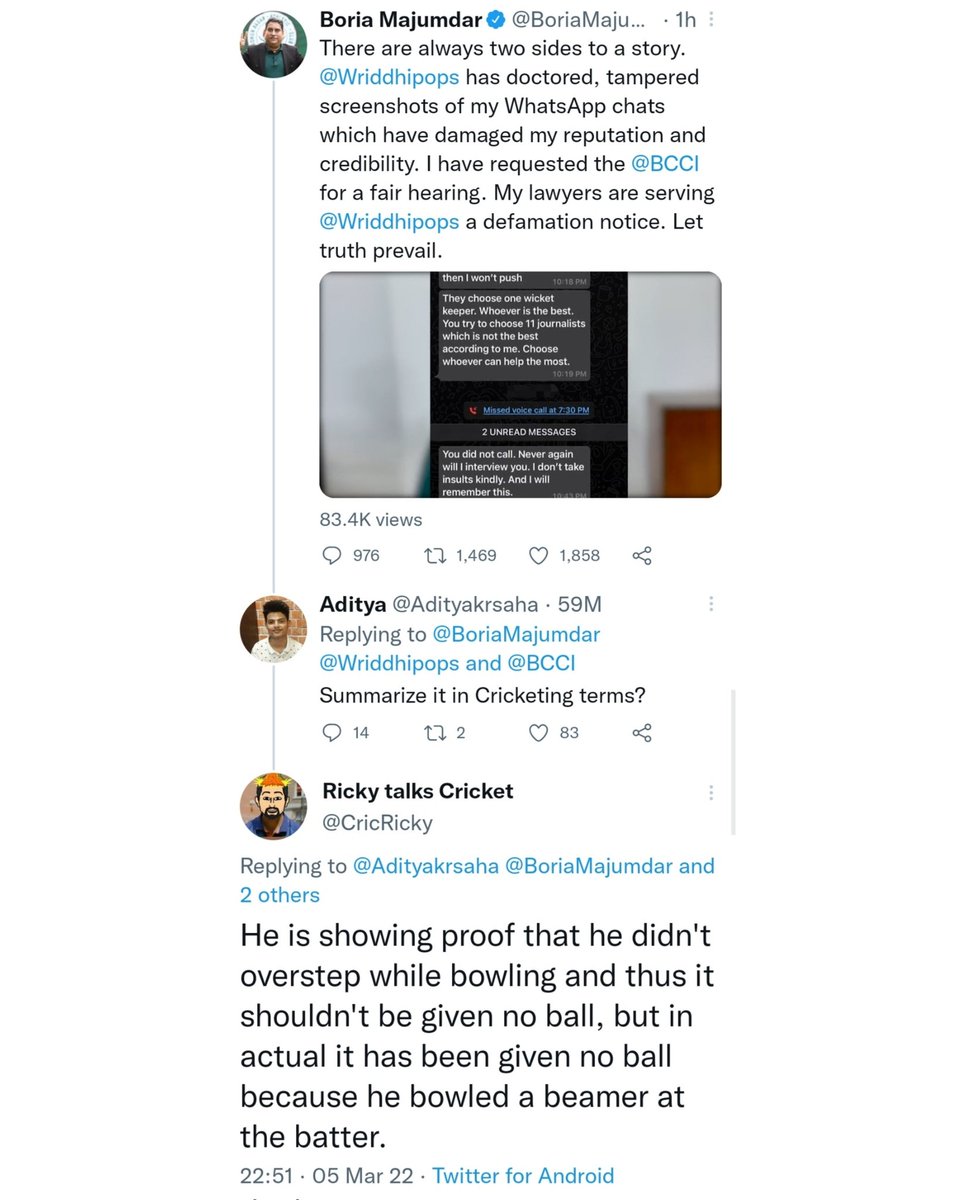
You don’t like Punjab Kings for their social media team, banters and all is fine, you are not fond of Iyer, it’s understandable,that’s well within your rights! But if you are aligning with the syndicate that legit harassed and black mailed an accomplished Indian Test Cricketer, His sadakchhap sidekicks who pass lusty gestures on their female colleagues and call themselves Sports Journalists, you are simply sick and sadist! And honestly need to reflect on your conscious because it’s not related to cricket anymore.
BCCI should transfer money to all the FANS bank accounts who have invested their precious hours watching cricket at the cost of their family to make them rich . It is our money . We deserve it . We have made sacrifices 😀 #IPLMediaRights#IPL#BCCI
@hganjoo153 As per the prev figure, magnus force is acting upwards (lift) then how come the ball is dipping here? Recheck this.
Think the magnus force would act downwards here.