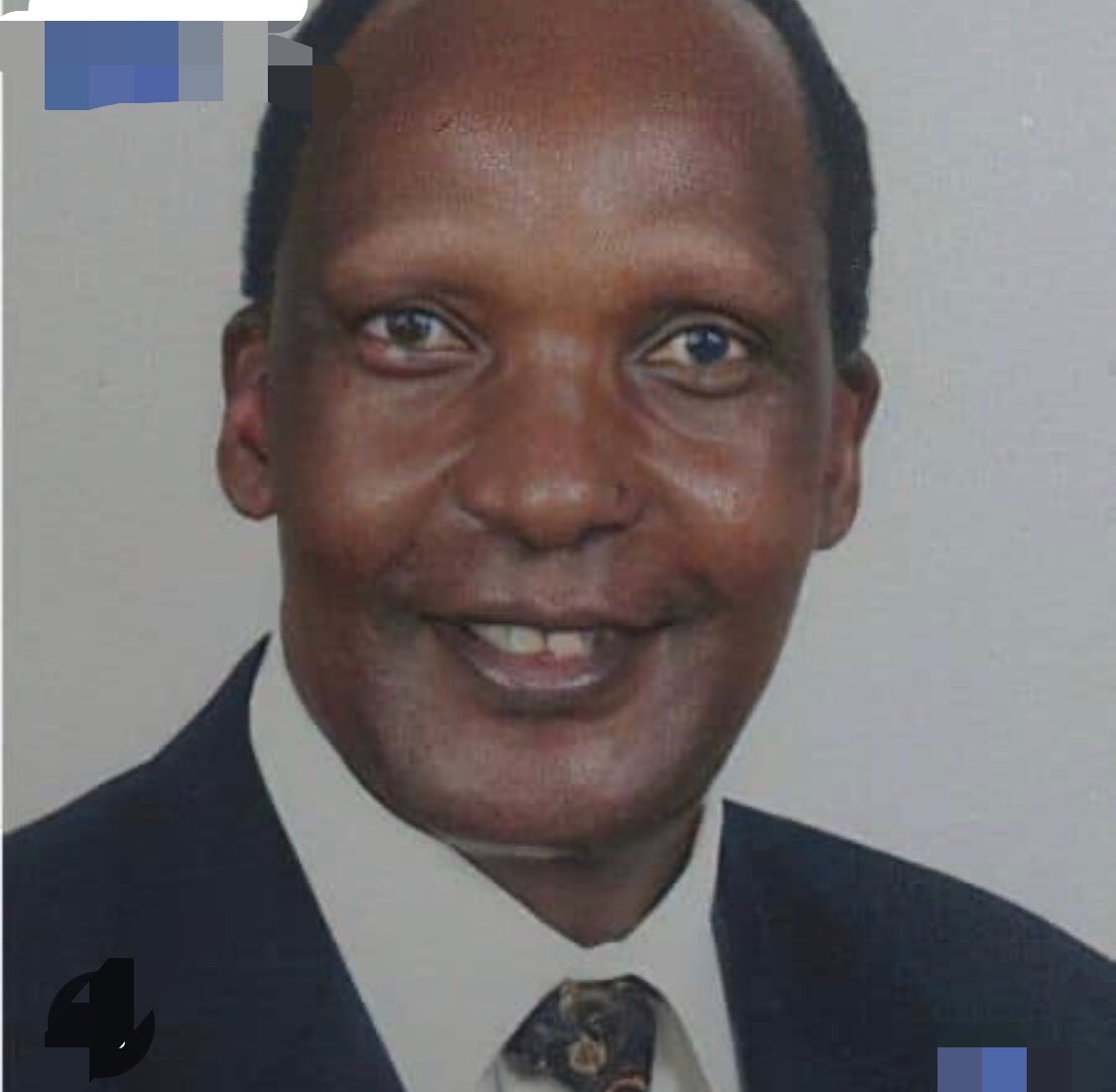
In March 1990, Kisii tycoon Jared Kangwana founded Kenya Television Network (KTN), the first independent broadcaster in Kenya, to challenge KBC’s monopoly under Daniel arap Moi’s KANU regime.
KTN broke new ground by airing CNN, MTV, and the 1992 Summer Olympics, but the government pressured Kangwana to censor news or surrender the station. After police destroyed his passport in 1993 to block him from travelling, he eventually ceded control and KTN was acquired by Standard Group in 1995, later linked to the Moi family.
Beyond media, Kangwana built a vast real estate portfolio through Anglo-African Property Holdings, owning assets like The Mall in Westlands, Chester House in Nairobi CBD, and Impala Ecolodge in Kisumu, with net assets estimated at over KSh 2.4 billion.
He also co-founded Maisha Microfinance Bank, ranked best in product innovation in 2021, and is associated with Monarch Insurance.
A London-trained lawyer and former EALA MP, he founded Moi Kisii Primary School and was recently appointed chancellor of TUK University by President Ruto.
@KijanayaKabras Such an inspiration...but which space are we left with to structure ourselves..those days many had not hacked the system like today...few who had the light succeeded..I think they time travelled 🤔
Kenya has no shortage of brilliant professionals managing some of the region’s most successful institutions. 💼📈
But why do so few get the opportunity to own them?
The challenge isn't talent, it's access to capital and structures that convert expertise into ownership. 💰➡️🏢
In this insightful article, our Manager, Listings and Capital Raising, Mr. Gift Kori, shares how Special Purpose Acquisition Companies (SPACs) can unlock new pathways for Kenyan entrepreneurs, executives, and investors to acquire, build, and own larger businesses while accelerating capital formation and economic growth. 🚀📊
https://t.co/7CA6ah56qB
"The young people of this country are the ones who will save this country," Nairobi Senator Edwin Sifuna says, praises young lady who built an AI fraud detection system prototype to detect suspicious health claims for the Social Health Authority (SHA).
Rene, a machine learning engineer, explained that she was taken in circles after presenting the prototype at the SHA offices.
"I was moved from office to office, from audit to ICT, and I was later told, we are going to give you a call. They never did. This means they do have the system, or they are clearly not interested in change."
"AI detects patterns that humans miss, like anomalies. If one chemotherapy session takes 2 hours and a hospital has only two doctors who work 8 hours daily, that means the hospital can realistically handle only 40 sessions. So, why would the system suddenly report 1,200 treatments? That is statistically abnormal. Machine learning will compare suspicious behaviour against normal behaviour."
"The system can also detect duplicate patient claims on the same date for the same treatment. While millions disappear through loopholes, the real patients suffer. That is why this matters," Rene explained her prototype.
"Once we return to the values of meritocracy in public service, such talent will not go to waste," Sifuna commented on Rene's AI fraud detection prototype.
Photos: Edwin Sifuna (Facebook and X)
#tukonews
Honored to attend the 30th Anniversary of the at Sarova Whitesands Beach Resort & Spa.
Proud to represent as we champion strong corporate governance and stakeholder value.
#ICS30#CorporateGovernance#ImageRegistrars#Mombasa