Spot on from @JDevermont:
"Said plainly, deference to U.S. allies and partners is not the same as advancing U.S. interests. It is often the exact opposite."
https://t.co/Oj42F1OOok
I have been building analytic tools with AI, translating elite intelligence tradecraft for the modern era.
Jerry Laurienti and I used AI to conduct a key assumptions check on African responses to the Iran shock for @SemaforAfrica
https://t.co/EURPpUII5M
Faulty assumptions by African governments will leave them unprepared for a prolonged Iran economic shock, write two former US intelligence officials for @SemaforAfrica https://t.co/bQ4YhOK6ge
Now on X!
Oath Africa works at the intersection of agriculture, climate, and the #bioeconomy — starting in #Rwanda and focused on scaling soil-based solutions that can improve productivity, resilience, and long-term environmental value across Africa.
Follow us for updates.
I reviewed three dozen confirmation hearings and oral histories. They can elevate the debate on U.S.-Africa policy. Too often, they don't.
My latest substack: https://t.co/8WV974DMuv
Since 2019, the Africa Policy Accelerator has been building the next generation of Africa policy leaders.
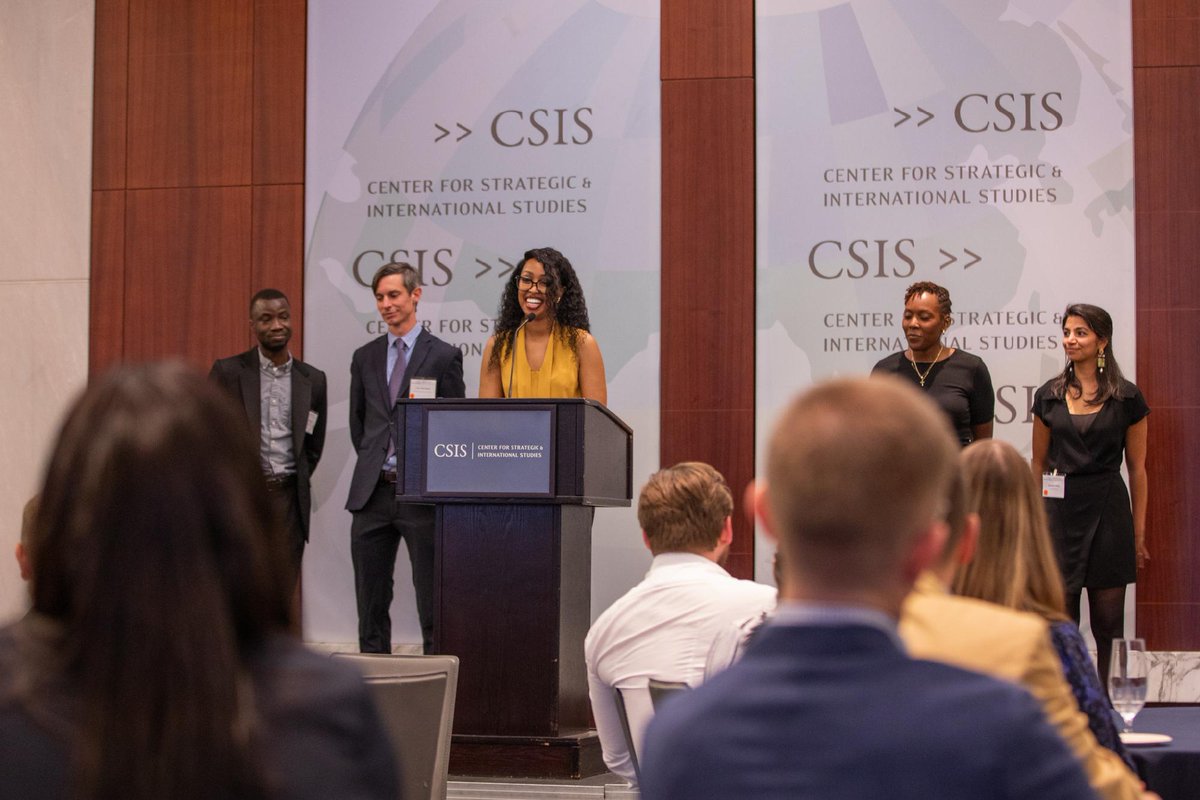
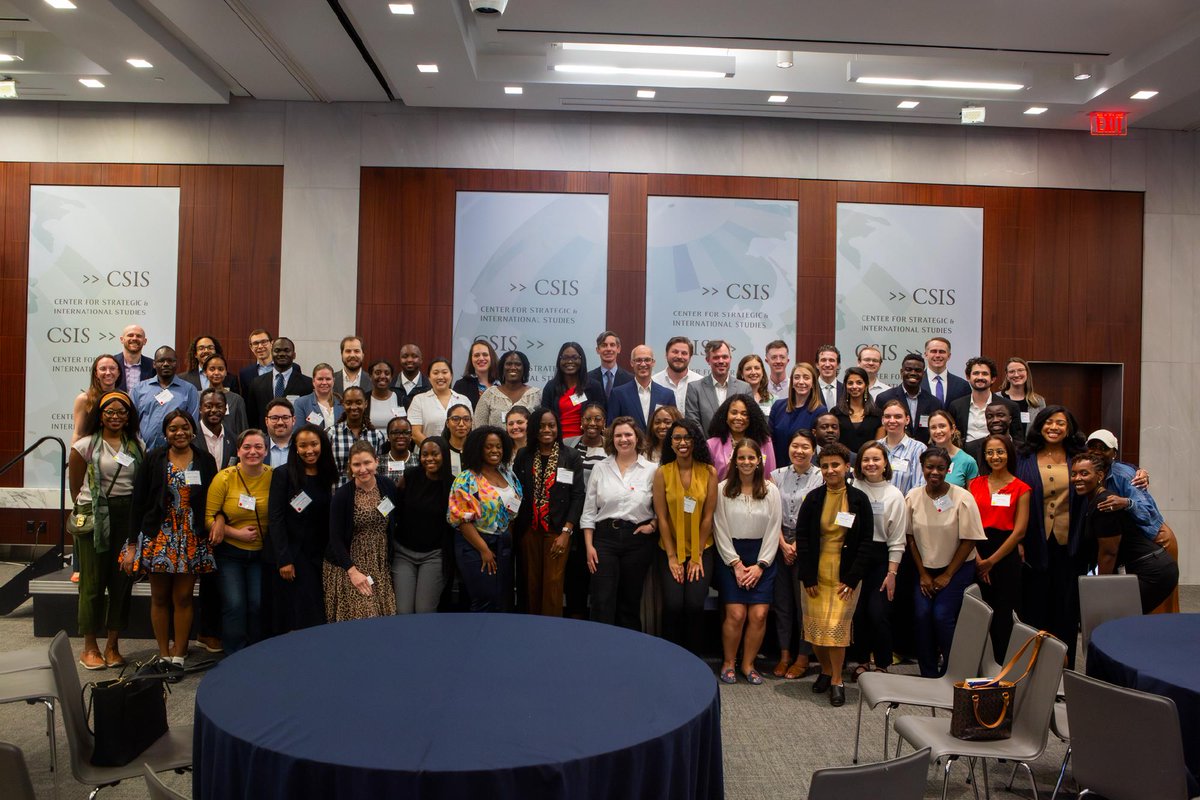
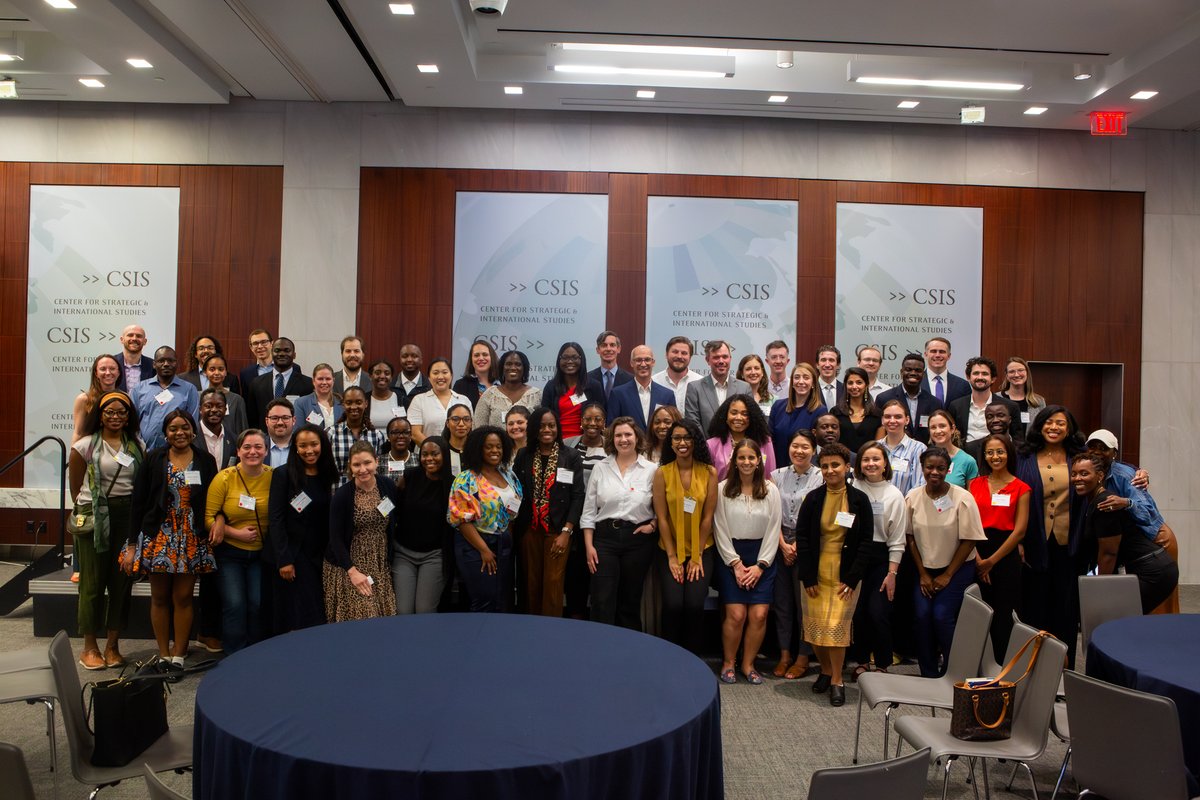
Last week @CSISAfrica brought together its current cohort, 175+ alumni & leading voices in the field to celebrate seven years of impact.
Learn more: https://t.co/9nRzD6QxGk
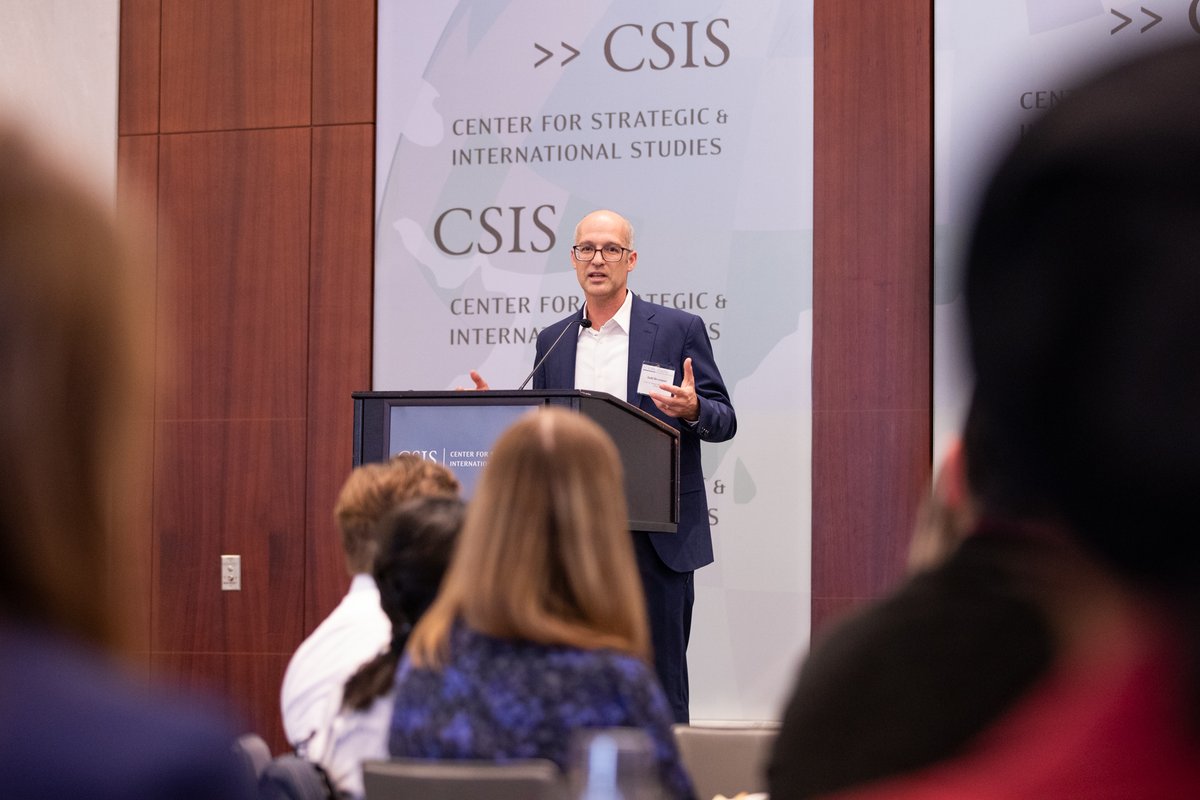
It was an honor to host the 2nd annual @CSIS Africa Policy Accelerator Networking Event on March 11. We are grateful to everyone who joined us for an evening filled with meaningful conversations and connection. We gathered to celebrate the incredible current cohort and alumni of the Africa Policy Accelerator—an initiative that, since 2019, has served as a vital space for young professionals to engage and collaborate on ideas to advance closer ties between the United States and the African continent. As always, a special thanks to APA sponsors Kosmos Energy and Cisco for their continued support of this important initiative. Here's to continued impact, collaboration, and a growing community.
A strong U.S.-Africa policy community is growing in DC. On Wednesday, we brought together the current cohort and alumni of @CSISAfrica African Policy Accelerator, as well as partners and members of the diplomatic corps, for an evening of conversation, connection, and community.
In light of ongoing hostilities in the region, the U.S. Embassy urges all U.S. citizens in Djibouti to exercise increased caution and remain informed.
Access to U.S. Military Base Camp Lemonnier is currently restricted to mission-essential personnel. The U.S. Embassy has temporarily limited its personnel’s access to the base. The Embassy has not otherwise altered its security posture at this time.
Actions to Take:
· Monitor local and international news, including Radio Television of Djibouti (RTD) on FM 99.5 MHz;
· Watch for mass SMS alerts via your Djiboutian telecom provider;
· Be aware of your surroundings and stay alert;
· Carry proper identification at all times;
· Review your personal security plans;
· Notify friends and family of your safety;
· Enroll in the Smart Traveler Enrollment Program STEP to receive Alerts and make it easier to locate you in an emergency; and
· Pay attention to official communications from the Djiboutian government and the U.S. Embassy.
For further travel and security information, visit the State Department’s travel website for travel advisories, alerts, and Djibouti Country Specific Information.
Assistance:
· Djiboutian emergency services can be reached by calling 999 (emergency services) or 119 (ambulance service) from your cellular or landline phone
· American citizens can reach the U.S. Embassy in Djibouti on +253 214 53010 or [email protected].
· If you are concerned about a loved one overseas, please call State Department Consular Affairs on 1-888-407-4747 (toll-free in U.S. or Canada) or +1 202-501-4444 (worldwide).
Announcements from the U.S. Embassy will be published via the STEP platform and on its website and Facebook and X accounts.
À la lumière des hostilités en cours dans la région, l’Ambassade des États-Unis appelle tous les citoyens américains à Djibouti à faire preuve d’une vigilance accrue et à se tenir informés.
L’accès à la base militaire américaine Camp Lemonnier est actuellement limité au personnel essentiel à la mission. L’Ambassade des États-Unis a temporairement restreint l’accès de son personnel à la base. L’Ambassade n’a pas, par ailleurs, modifié son dispositif de sécurité à ce stade.
Mesures à prendre :
· Suivre l’actualité locale et internationale, notamment Radio Télévision de Djibouti (RTD) sur FM 99,5 MHz ;
· Surveiller les alertes SMS de masse envoyées par votre opérateur télécom djiboutien ;
· Rester attentif à votre environnement et faire preuve de vigilance ;
· Avoir sur vous une pièce d’identité valide en permanence ;
· Revoir vos plans de sécurité personnelle ;
· Informer vos proches de votre situation ;
· Vous inscrire au programme Smart Traveler Enrollment Program (STEP) afin de recevoir des alertes et de faciliter votre localisation en cas d’urgence ;
· Prêter attention aux communications officielles du gouvernement djiboutien et de l’Ambassade des États-Unis.
Pour plus d’informations sur la sécurité et les voyages, consultez le site du Département d’État consacré aux conseils aux voyageurs, alertes et informations spécifiques à Djibouti.
Assistance :
· Les services d’urgence djiboutiens sont joignables en composant le 999 (services d’urgence) ou le 119 (service d’ambulance) depuis un téléphone portable ou fixe ;
· Les citoyens américains peuvent contacter l’Ambassade des États-Unis à Djibouti au +253 21 45 30 10 ou par courriel à [email protected] ;
· Si vous êtes préoccupé par la situation d’un proche à l’étranger, veuillez contacter le Bureau des affaires consulaires du Département d’État au 1-888-407-4747 (numéro gratuit depuis les États-Unis ou le Canada) ou au +1 202-501-4444 (depuis le reste du monde).
Les annonces de l’Ambassade des États-Unis seront publiées via la plateforme STEP ainsi que sur son site internet et ses comptes Facebook et X.
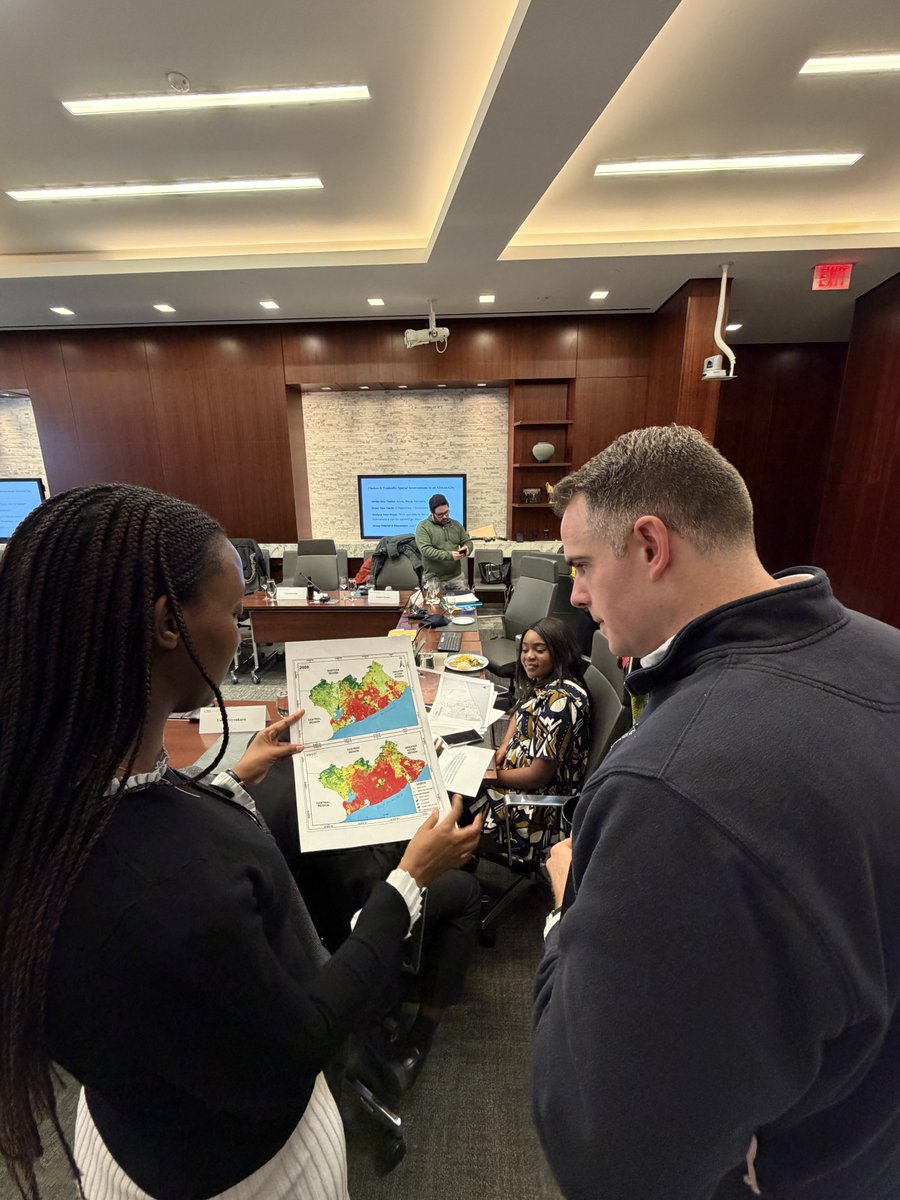
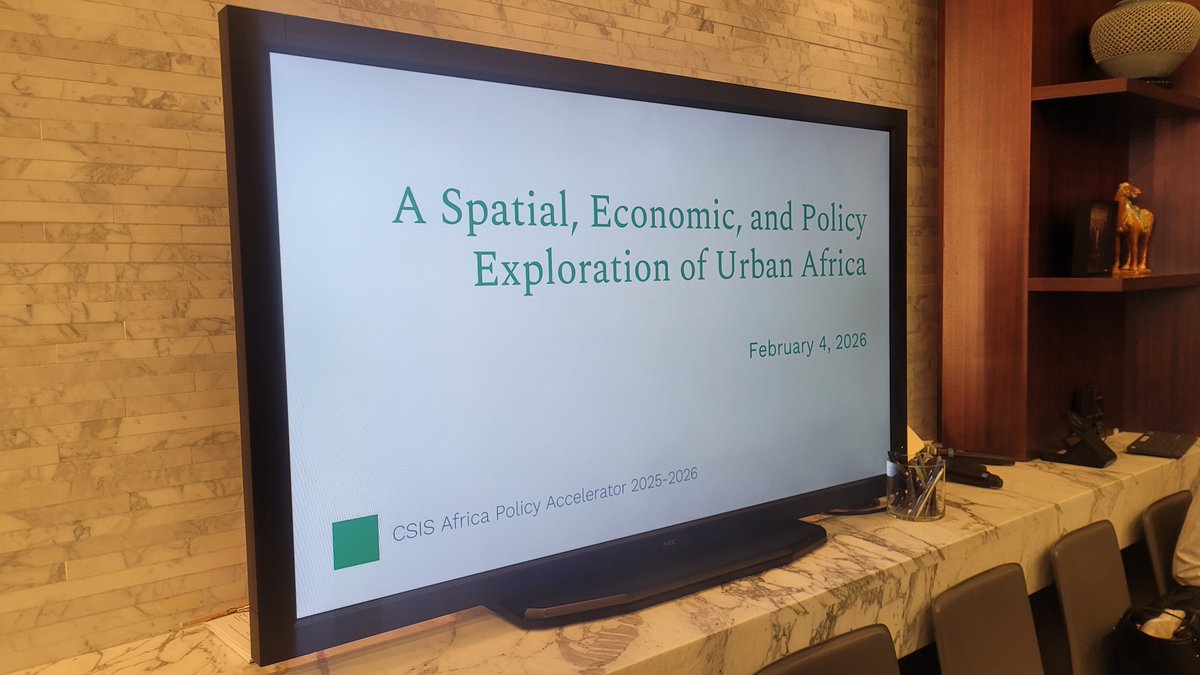
In early Feb, the @CSIS Africa Policy Accelerator (APA) held its monthly session. Cohort members Victoria Avis and @jeffjmason led an engaging discussion and workshop on urban planning and development in African cities.
Thanks to our sponsors @KosmosEnergy and @Cisco.
Riveting Substack post 'On Defeatism' [in US policy towards Africa']. @JDevermont emphasises 'I am convinced the region’s strategic importance will only continue to grow'. Agreed. https://t.co/S2wxQGNKYf
The absence of permanent African seats on the Security Council is indefensible.
The Security Council must reflect today’s world. This is 2026 — not 1946.
Whenever decisions about Africa and the world are on the table, Africa must be at the table.
Africa is entering a new geopolitical phase.
From visa restrictions and trade sanctions to shifting diplomacy, Washington’s posture toward Africa is hardening. @JDevermont joins us to unpack what this means for Africa, U.S.–Africa relations, and China–Africa ties.
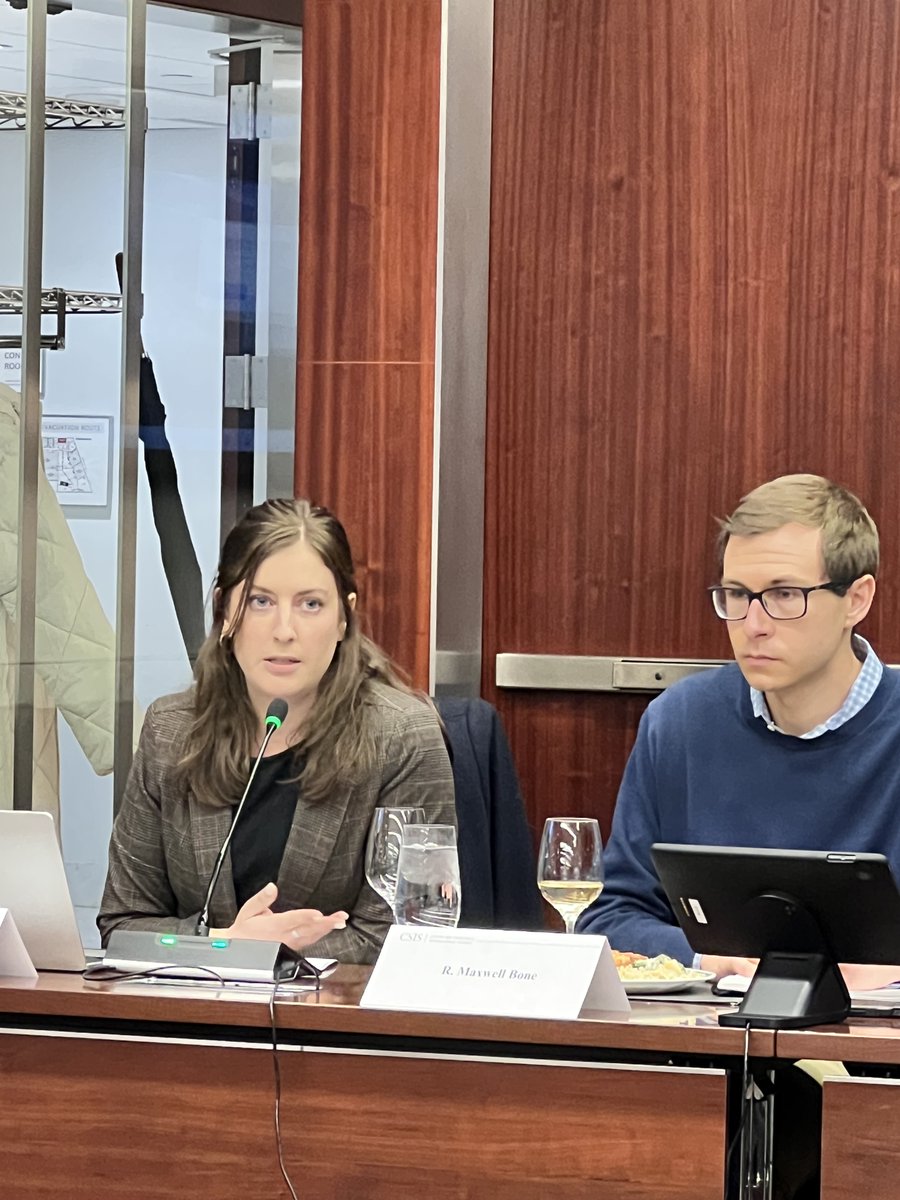
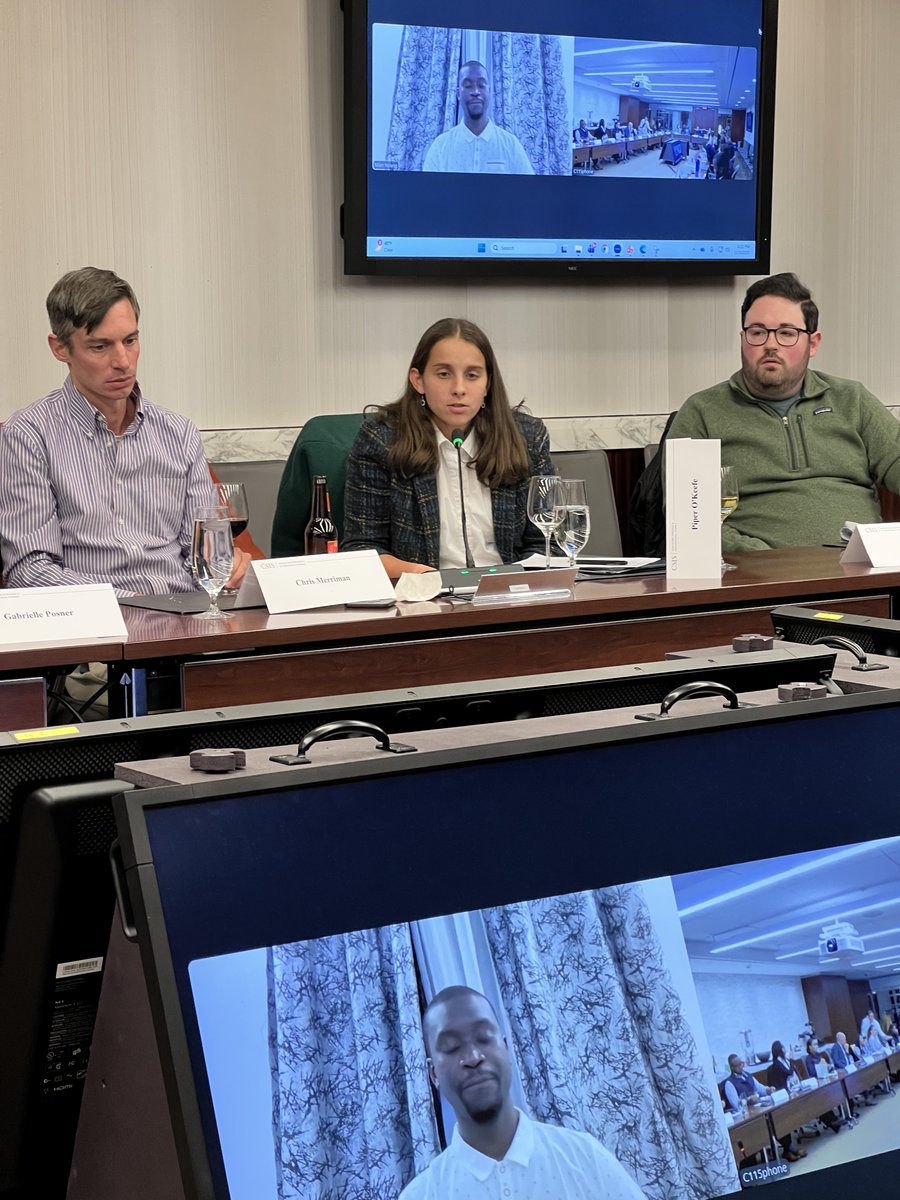
Last week, the @CSIS Africa Policy Accelerator program held its monthly, member-led session for December. Cohort members @maxbone55, Miriam Frost and Emily Hardman Rodgers led an engaging discussion U.S. engagement in African elections. Thanks to our sponsors Kosmos Energy and CISCO.