I put my stuff up on Substack. It's free, and I'll post carefully, maybe every 3-6 months. I'll tag known readers in this thread. https://t.co/0dcRb878Oh
it's on Programmed to Chill. it's covered on ParaPower Mapping. it's literally on The Farm. they talked about this on Subliminal Jihad. read CAVDEF anywhere. just start listening to Ghost Stories Matt right now. bro just hear it on Fourth Reich Archaeology right this moment.
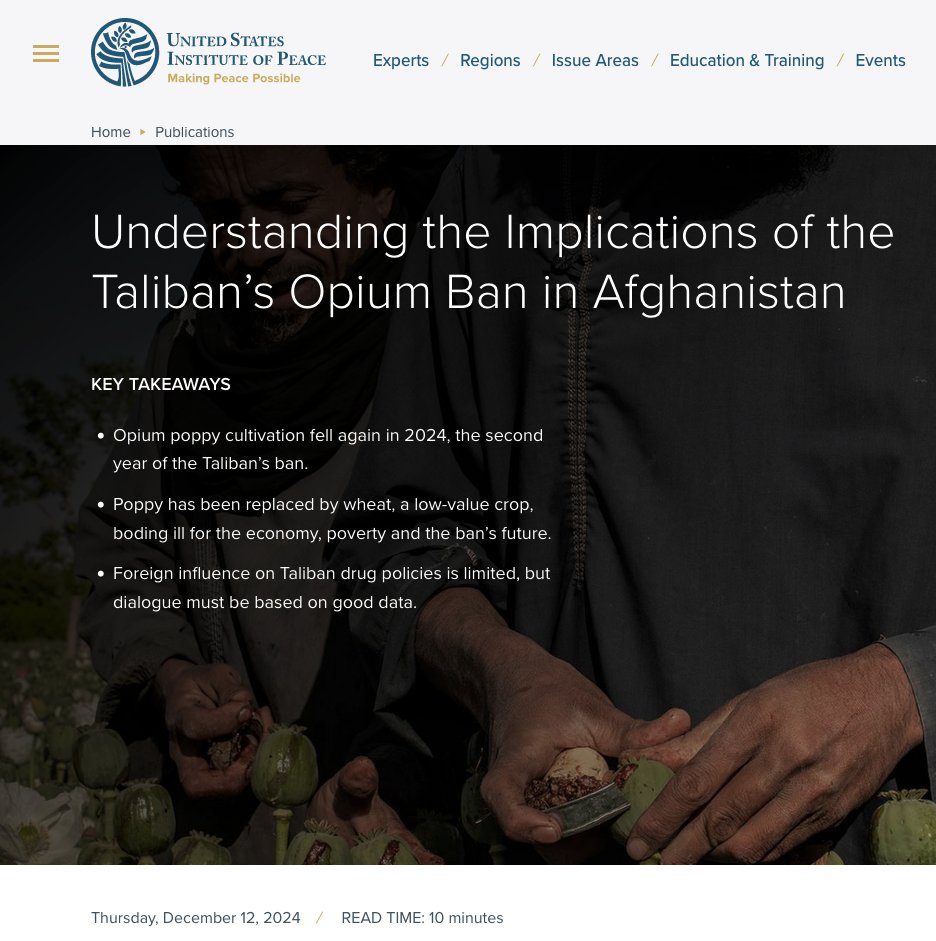
"Poppy has been replaced by wheat, a low-value crop, boding ill for the economy."
It's mind-blowing to see the principles of American narco-capitalism stated so plainly: Fuck food, grow drugs, get rich or die trying.
If X is nicer to medium links than sumsmact links, here's 'Capitalism was here even before human existence, waiting for a host.’ https://t.co/V9DufgjmIX
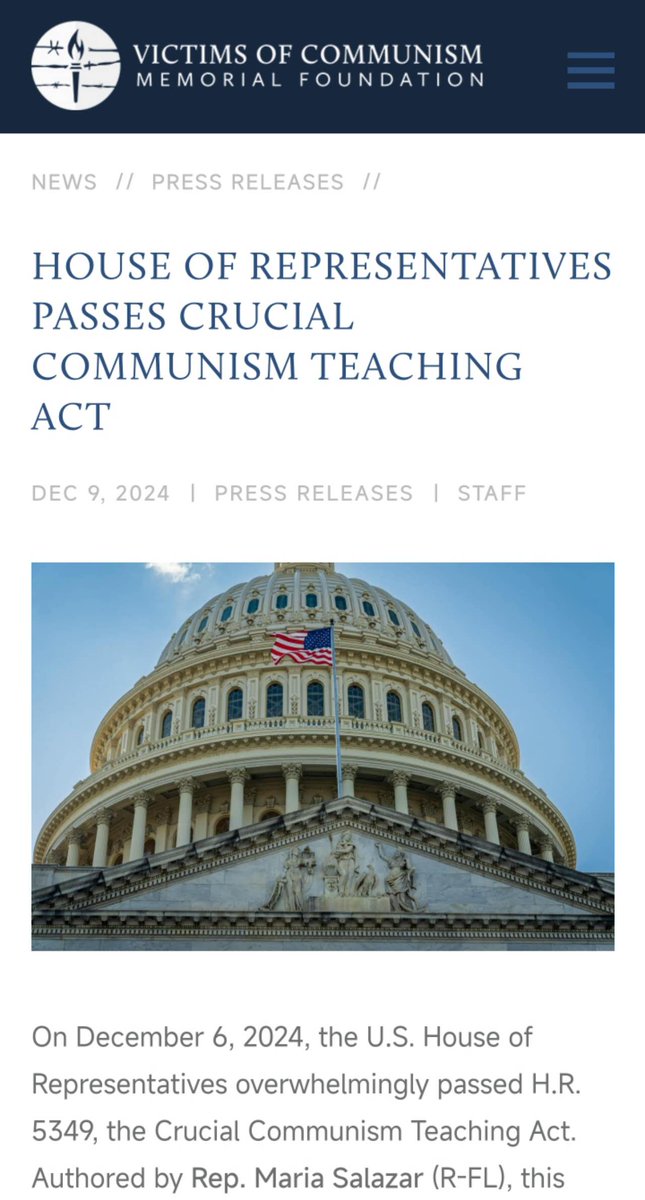
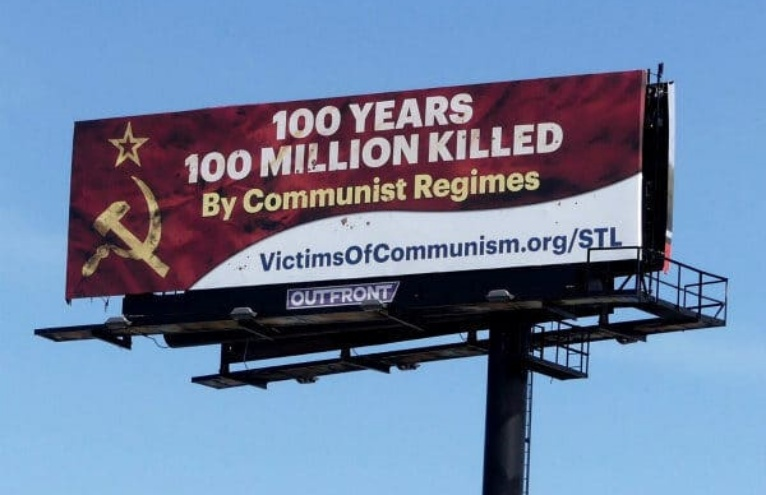
This is crazy: the U.S. house of representatives just overwhelmingly passed a law that mandates the teaching of anti-communism and anti-China propaganda to U.S. school kids.
Even more insane, the curriculum will be based on educational material prepared by the Victims of Communism Memorial Foundation (VOCMF, https://t.co/7svaJsjHOE), an anticommunist propaganda shop founded by an act of congress.
VOCFM is so extreme in their views that to them, all Nazis killed by Soviets are "victims of communism", as are all deaths resulting from Covid-19 (https://t.co/Vhem6YHfuR). Check for instance one of their recent X postings (https://t.co/zwou84vrNR, screenshot below 👇) in which they exhort people to "remember the victims" from when the Soviet army liberated Poland from the Nazis (including Auschwitz!) during the Vistula–Oder Offensive 🤦
The new law that just passed, the "Crucial Communism Teaching Act" (text here: https://t.co/7CbwTkkfif), mandates that "high school students in the United States learn that communism has led to the deaths of over 100,000,000 victims worldwide", which is the same tally as that of VOCMF (and in fact the law specifically says that it is that VOCMF that shall develop the curriculum).
The new law also mandates that U.S. school kids be "taught" all the usual anti-China propaganda talking points such as "the treatment of Uyghurs" (the so-called "Uyghur genocide" is, incidentally, also a narrative that originates from the VOCMF), the "actions taken by the PRC to deter pro-democracy protests in Hong Kong" or "the increasingly aggressive posture by the PRC toward Taiwan, a democratic friend of the United States".
The irony of course is that "communist China" has no equivalent law or curriculum: Chinese school kids aren't taught as part of their curriculum to hate capitalism or the U.S. In fact, China has even plenty of American international schools in almost all major cities in the country, which goes to illustrate that, contrary to common perceptions, China's educational approach toward the U.S. and its system shows much greater receptivity and balance than is currently being demonstrated in the reverse direction. And that's a massive understatement...
All in all, to take a step back, which approach is likely to educate more capable and discerning citizens? The one fostering genuine understanding through exposure to diverse perspectives, or the one imposing a rigid framework of ideological opposition? You draw your own conclusion...
industrialization, capitalism, and catastrophe—are not actions that we, mere animals, could have taken alone. They are tied up at every step in complicity with a much older entity—or rhizomatic collection of entities—that we found beneath the surface of the earth.
The story around China issuing USD-denominated sovereign bonds in Saudi Arabia is generating an enormous amount of buzz in China, and could potentially be immensely important.
I strongly suspect it's a message to the upcoming Trump administration.
Let me explain what seems to be going on.
On the face of it, it's not a major story: China issued $2 billion in USD-denominated sovereign bonds in Saudi Arabia, which means that investors lent USD to the Chinese government that they promised to pay back. That's what a bond is. So far, relatively boring.
The first somewhat interesting aspect of it is that the bonds were oversubscribed by almost 20x (meaning $40+ billion in demand for $2 billion worth of bonds), which is far more demand than usual for USD sovereign bonds. Typically US Treasury auctions see oversubscription rate between 2x to 3x so there obviously seems to be very strong market appeal for China's dollar-denominated debt.
The second interesting aspect is that the interest rate on the bonds was remarkably close to US Treasury rates (just 1-3 basis points higher, i.e. 0.01-0.03%), which means that China is now able to borrow money - in US dollars (!) - at virtually the same rate as the US government itself. That's the case for no other country in the world. As a benchmark, countries with the highest credit ratings (AAA) typically pay at least 10-20 basis points over US Treasuries in the rare instances when they issue USD bonds.
The third interesting aspect is the venue itself for this bond sale: Saudi Arabia. This is unusual since sovereign bonds are typically issued in major financial centers, not in Riyadh. The choice of Saudi Arabia and the fact that the Saudis agreed to this is particularly significant given its historical role in the global dollar system, the so-called 'petrodollar' system which I don't need to explain... By issuing dollar bonds in Saudi Arabia that compete directly with US Treasuries, and getting essentially the same interest rate, China is demonstrating it can operate as an alternative manager of dollar liquidity right in the heart of the petrodollar system. For Saudi Arabia, which holds hundreds of billions in dollar reserves, this creates a new option for investing their dollars: they can invest it with the Chinese government instead of the US government.
Ok, that's all interesting but still not the main reason why Chinese social media is abuzz. The reason why is because they postulate that this is trial round by China to demonstrate to the US that they can effectively use their own currency against them, with potentially dramatic consequences.
How?
First of all, think it through, imagine if China scales this up and instead of issuing $2 billion worth of bonds, they start issuing 10s or 100s of billions worth of it.
What this means for the US is that China would effectively be competing with the US Treasury in the global dollar market. Instead of countries like Saudi Arabia automatically recycling their dollars into US Treasury bonds, they could put them into Chinese dollar bonds that pay the same rate.
This would create a parallel dollar system where China, not the US, controls part of the flow of dollars. The US would still print the dollars, but China would increasingly manage where they go. Imagine that...
Another critical aspect is that every dollar that goes into Chinese bonds instead of US Treasuries is one less dollar helping to finance US government spending. At a time when the US is running massive deficits and needs to constantly sell Treasury bonds to fund itself, having China emerge as a competing dollar bond issuer that can match Treasury rates could pose immense financing problems for the US government. It could effectively end the US's so-called “exorbitant privilege”.
But wait, you might ask yourself, what's the point of China having so many dollars? Don't they transfer the problem to themselves: they too need to find a place to invest all these dollars, don't they?
You'd be right, the last thing China needs is more US dollars: in 2023 it ran a US dollar trade surplus of $823.2 billion, and for 2024, it's expected to be $940 billion. China is already absolutely awash with dollars.
But that's where the beauty of the Belt & Road Initiative comes in. Out of the 193 countries in the world, 152 of these countries are part of the BRI. And a very common characteristic many of these countries have is: they owe debt in USD, to the US government or other Western lenders.
This is where China's strategy could become truly clever. China could use its US dollars to help Belt & Road countries pay off their dollar debts to Western lenders. But here's the key: in exchange for helping these countries clear their dollar debts, China could arrange to be repaid in yuan, or in strategic resources, or through other bilateral arrangements.
This would create a triple win for China: they get rid of their excess dollars, they help their partner countries escape dollar dependency, and they deepen these countries' economic integration with China instead of the US.
For BRI countries, this is attractive because they can escape the trap of dollar-denominated debt (and the threat of US financial sanctions) and get likely better conditions with China, which will help their development.
In effect this would China placing itself as an intermediary at the heart of the dollar system, where the dollars still eventually make their way back to the US - just through a path that builds Chinese rather than American influence and progressively undermines the US's ability to finance itself (with all the consequences this has on inflation, etc.).
At this stage you probably tell yourself "come on, there's no way China can do that, the US government surely has tools at its disposal to prevent this stuff". And the answer, surprisingly, is that there is actually little the U.S. can do that doesn't undermine them in some shape or form.
The most obvious response would be to threaten sanctions against countries - like Saudi Arabia - or institutions that buy Chinese dollar bonds. But this would further demonstrate that dollar assets aren't actually safe from US political interference, further encouraging countries to diversify, compounding the problem. The dollar's strength partly comes from network effects - everyone uses it because everyone else uses it - but as we've seen with Russia sanctions create a coordinating moment for countries to move away together, weakening these network effects.
Another option would be for the Federal Reserve to raise interest rates to make US Treasuries more attractive. But this would be self-defeating: it would increase the US government's own borrowing costs at a time when they're already struggling with massive deficits, potentially triggering a recession. And China, getting similar rates as the US, could simply match any rate increase.
The US could also go for the "nuclear option" of restricting China's ability to clear dollar transactions but this would effectively immediately fragment the global financial system, undermining the dollar's role as the global reserve currency - exactly what the US wants to avoid. And with China being the most important trading partner of the immense majority of the world's countries, nothing is less sure that the U.S. would win at this game...
In short this seems to be like some sort of Tai Chi 'four ounces moving a thousand pounds' (四兩撥千斤) move by China, using minimal force to redirect the dollar's strength in a way that benefits China.
Like I wrote at the beginning however, at this stage this is most likely just a message by China to the upcoming Trump administration: "we can do this so maybe think very carefully about all the nasty things you have in mind for us..." The beauty of this move is how strategically elegant it is: it costs China almost nothing to demonstrate, but forces Washington to contemplate some very uncomfortable possibilities.
@ClimateBen we must demand petrocommunism now! Liberal environmentalism has failed and must give way to a more radical leftist movement.
https://t.co/iEdm2JrEcf
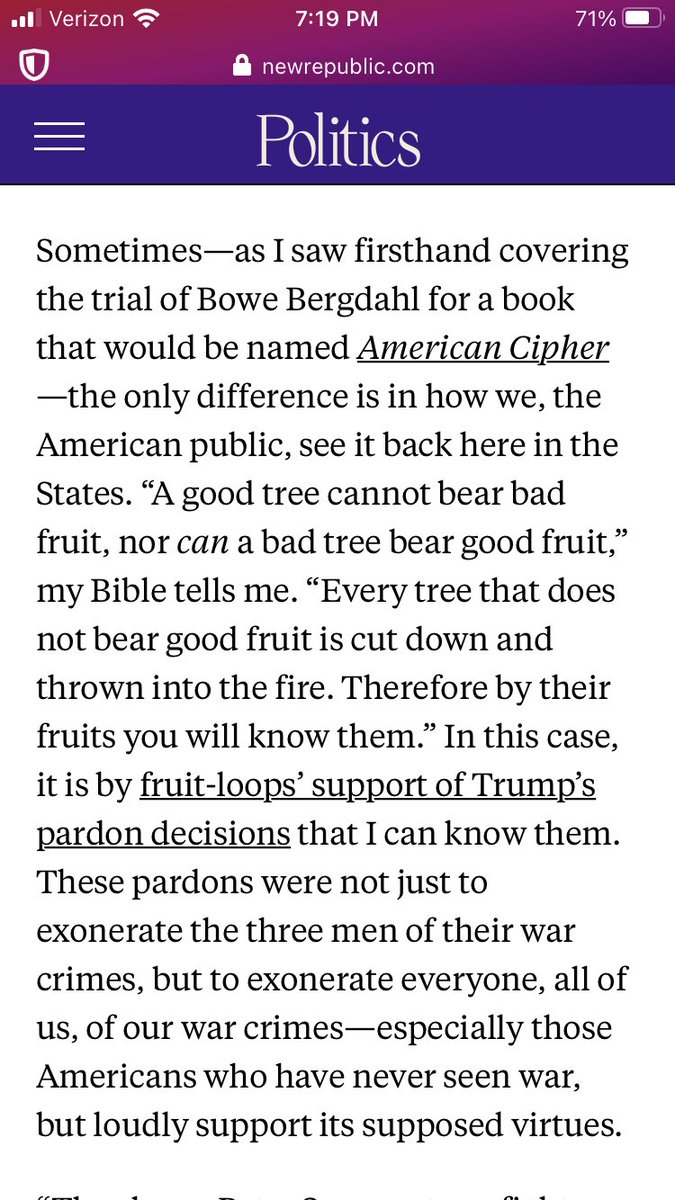
i wrote a little about Pete Hegseth for @newrepublic five years ago ; TLDR he’s a weirdly tatted Guantanamo prison guard who likes & champions soldiers who shoot civilians indiscriminately, so I imagine the Israeli military is thrilled with the choice https://t.co/6Qqpd5NZWE