Your competitive analysis is measuring SEO and analyst placement. Your buyers are comparing AI answers. Those rankings are different. The competitor winning the AI race might not be the one you're tracking.
Your attribution model can't see AI research. That's where enterprise shortlists are forming. Dark funnel was the concept. AI research is the biggest version of it we've seen.
Your top SEO pages are probably invisible to AI answer engines. They're written to rank, not to answer. That's a structural difference most content teams haven't addressed. The fix is simpler than rebuilding from scratch.
Enterprise buying committees have 6-8 stakeholders. Most B2B content was written for 1 of them. When the other 5 ask AI tools their persona-specific questions, thin content means thin answers. That's a pipeline problem nobody's attributing correctly.
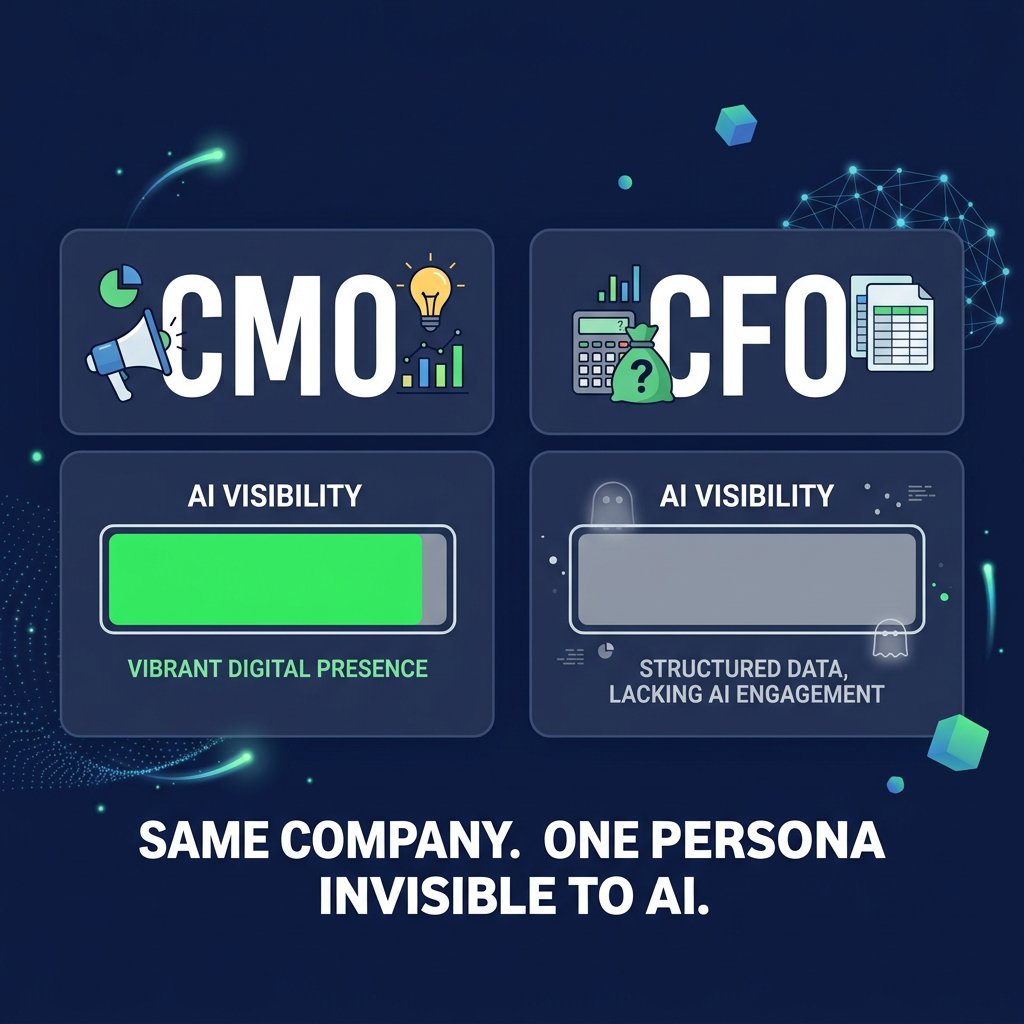
Most B2B companies score 28/100 on AXO. Their CFO buyers can't find them in AI search. Their CMO buyers sometimes can. That gap is where deals stall before sales ever knows they existed.
Two books live this week. AI Agents Made Simple: a practical guide for executives implementing AI agents. The Attic and the Algorithm: 10 years in the making, fiction about how the world's religions learned to market themselves. One for the work conversation. One for the other one. AI Agents Made Simple: https://t.co/xuLVDHfUMC The Attic and The Algorithm: https://t.co/O844fMC6fu
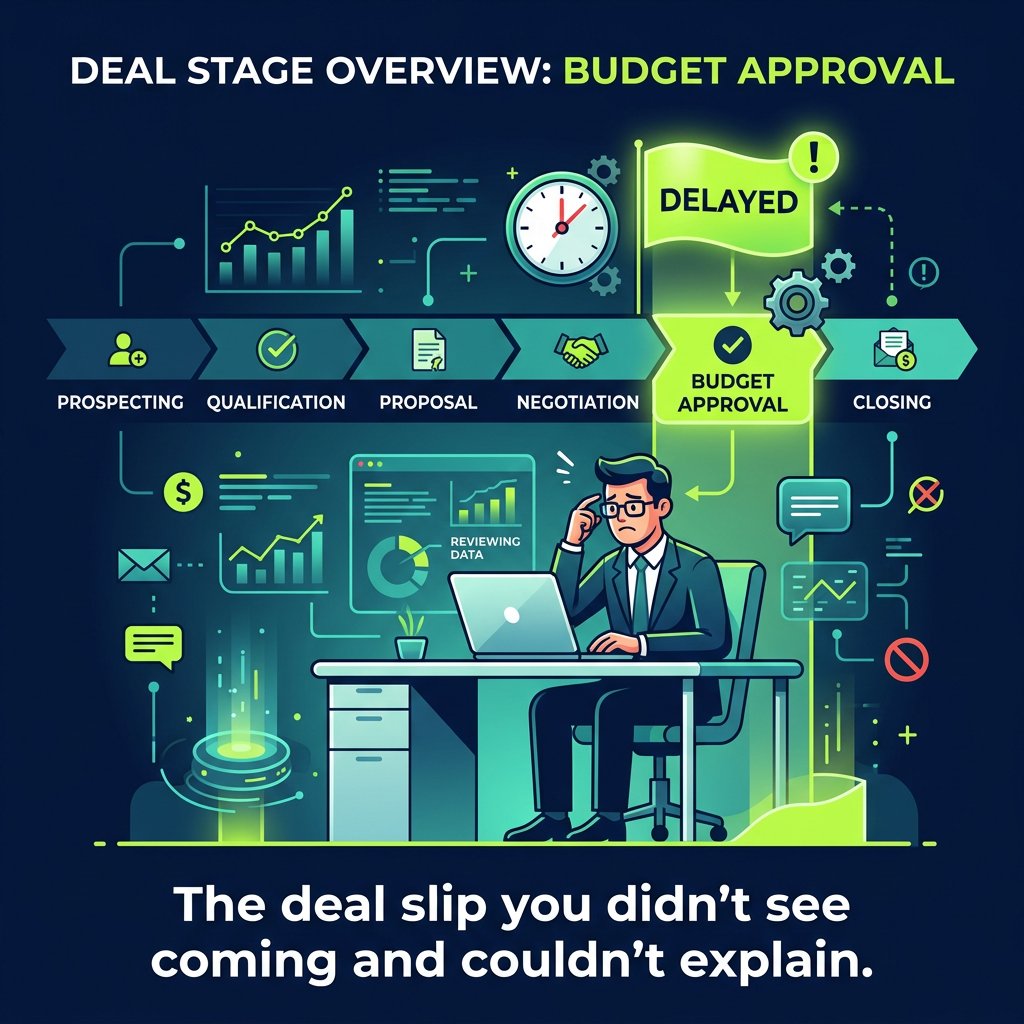
The CFO reviewed the proposal. Ran their own AI research. Got thin answers. Told your champion "the timing isn't right." That's not a timing problem. That's an AXO problem. And it cost you more than the ACV. It cost you the quarter.
In most B2B companies, the CMO persona gets clear AI answers. The CFO persona gets almost nothing. Enterprise deals stall at budget approval, not at the CMO. That's the AI visibility gap that costs pipeline.
The threshold for consistent AI citation in B2B: ~100 buyer questions answered directly in ungated content. Average company has answered fewer than 15. That's not a content volume problem. That's a content architecture problem.
LLM-referred traffic converts 4-6x higher than SEO traffic in B2B. Most teams can't see it in their analytics. Can't measure the premium. Can't make the investment case. The channel is real. The measurement gap is a choice.
Your content library might have 800 posts and still score near zero on AI question coverage. Volume doesn't win in AI search. Structured answers do. Most B2B content was built for the wrong era.
Late-stage deal stalls almost never get diagnosed as AI visibility problems. But your CFO buyers are doing independent research in AI tools before budget approval. What they find there shapes the meeting you never get to be in.
Every CMO knows their domain authority.
Almost none know their AXO score.
28 out of 100. That's the average across B2B companies we've tested.
That's not "needs improvement." That's invisible to buyers forming shortlists right now.
Every CMO knows their domain authority.
Almost no one knows their AXO score.
AXO measures how AI tools represent you when buyers search your category.
Average across B2B companies we've tested: 28/100.
The metrics you're tracking measure the last era. The buying is happening now.
The dark funnel was supposed to be solved.
Intent data. Account scoring. Behavioral signals. We built a whole category around it.
Then AI tools arrived and made it darker than ever.
No UTM. No cookie. No intent signal.
Just a buyer, ChatGPT, and shortlist that doesn't include you
Open ChatGPT. Type: "Who are the top vendors for [your category]?" Count how many times your company appears.
We've done this with 100+ B2B companies.
Most: zero mentions.
The AI isn't wrong. It's reflecting your content back at you.
28 out of 100. That's the average AI visibility score for B2B companies we've tested. You're not on their shortlist because AI doesn't know enough about you.
That's not a brand problem. It's a revenue problem.