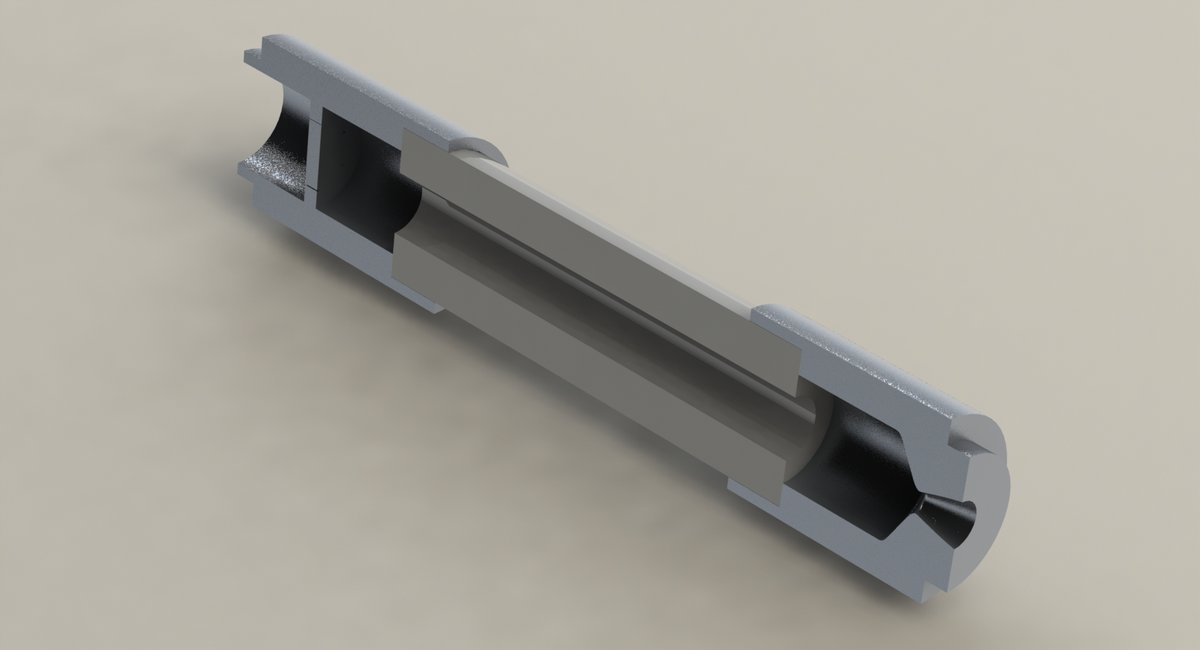
@Robotbeat Yeah, insulation mass might be the kicker. You could squeeze out maybe another 0.5MJ/kg by letting the block get down to 1000K before shutting off propellant flow.
You could also skip the solar panels and go solar thermal.
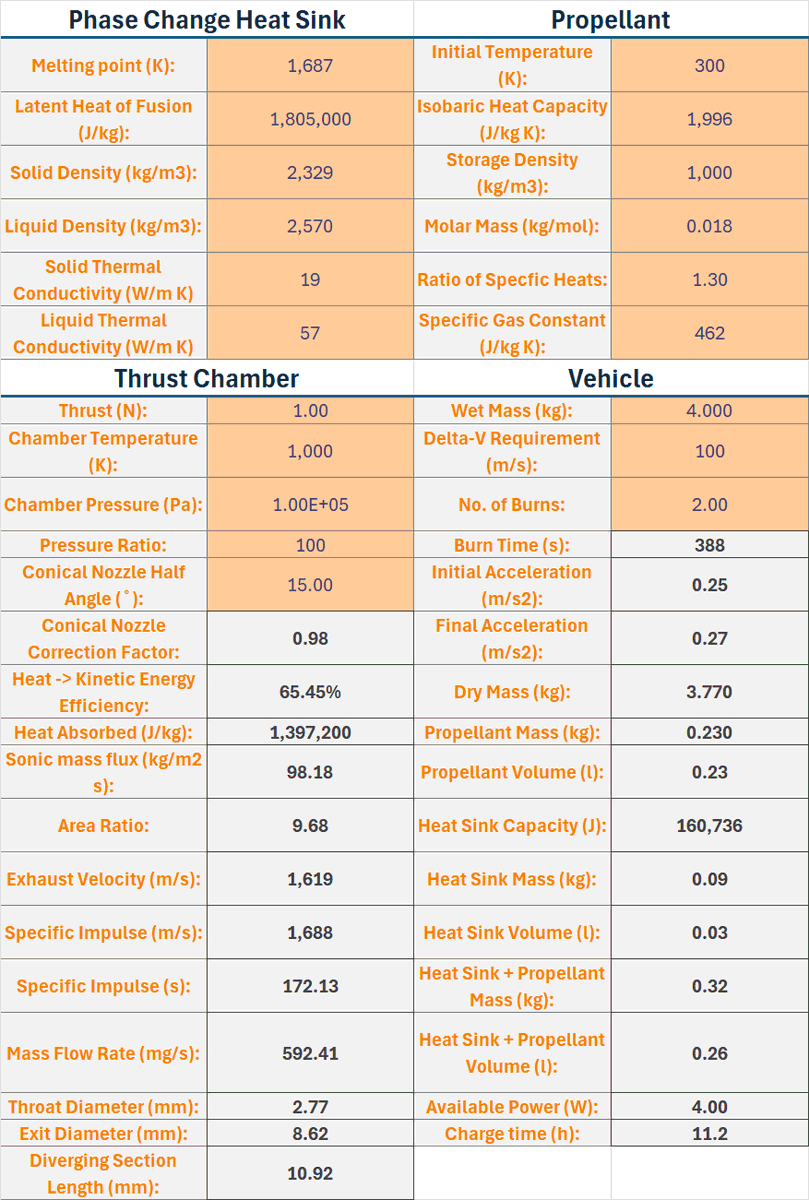
Had the idea this afternoon of using molten silicon (which has a ridiculously high enthalpy of fusion - 1.8 MJ/kg) as a thermal battery for a resistojet-esque thruster, so you can do impulsive manoeuvres on diddy power supplies. Looks like it could work
you could use Li-ion batteries instead, but the energy they can store per kg is about half that of molten silicon (not including any additional structure or insulation, so it may be more competitive than that). 3/3
not a new concept - there's similar schemes for grid energy storage.
Higher thrust is good as you spend less time fighting gravity. But electric thrusters are limited by the available power. Here, the peak power can be 100x the average for just a little bit of added mass 2/
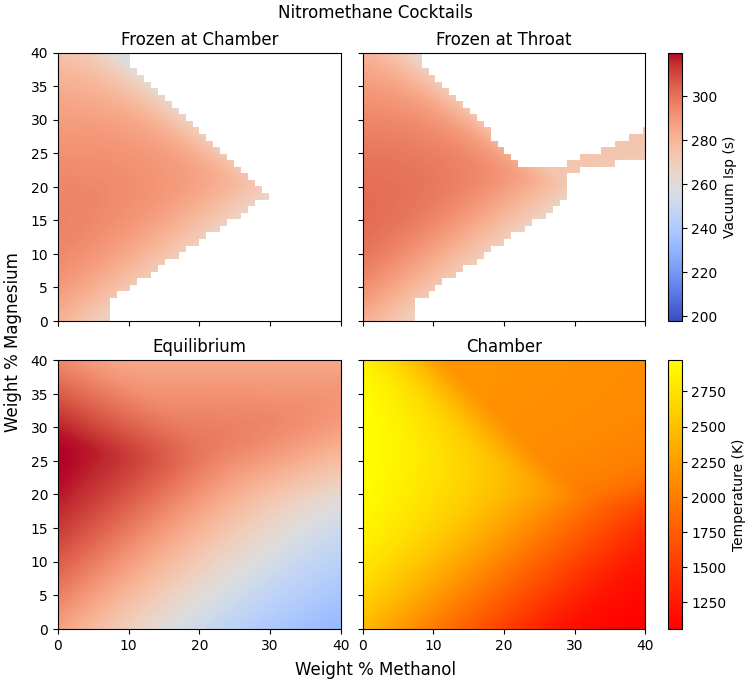
@hungrytacos15 Interesting. I wonder what they're mixing it with because straight nitromethane burns itself so well it hardly seems worth adding an oxidizer.
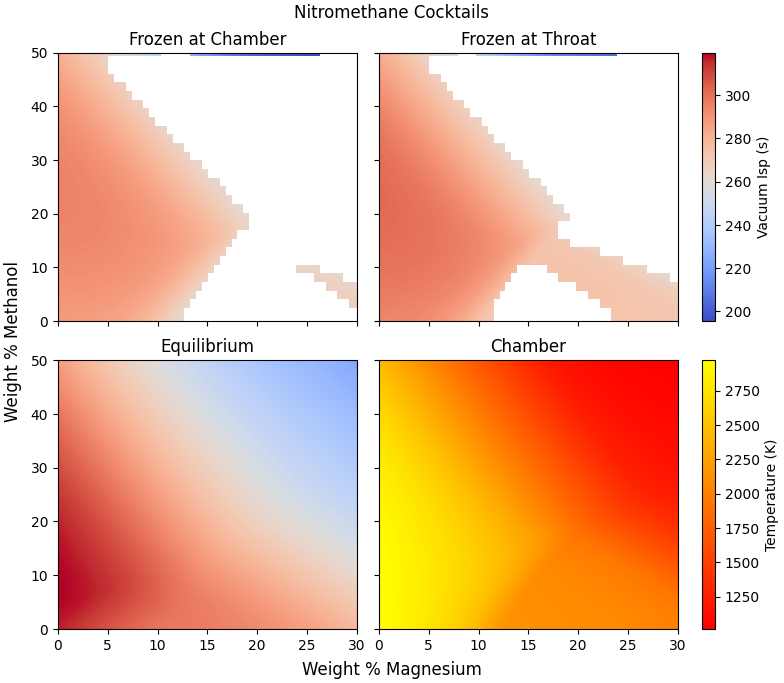
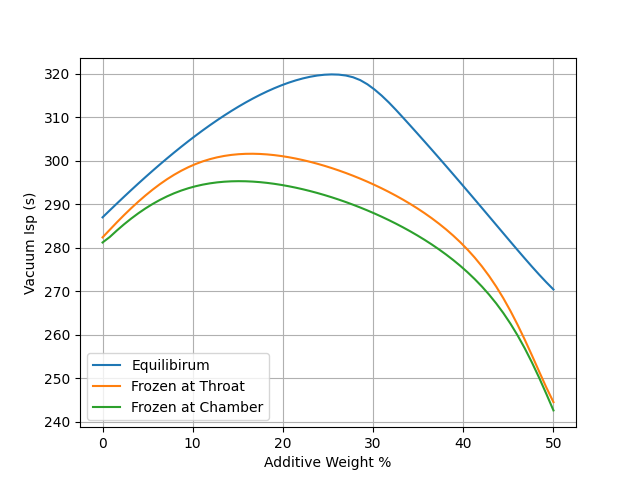
@ZhanPoasts sadly not, (RocketCEA gets very cross when you have condensed products in the exhaust which is why it drops to zero as you increase the weight %)