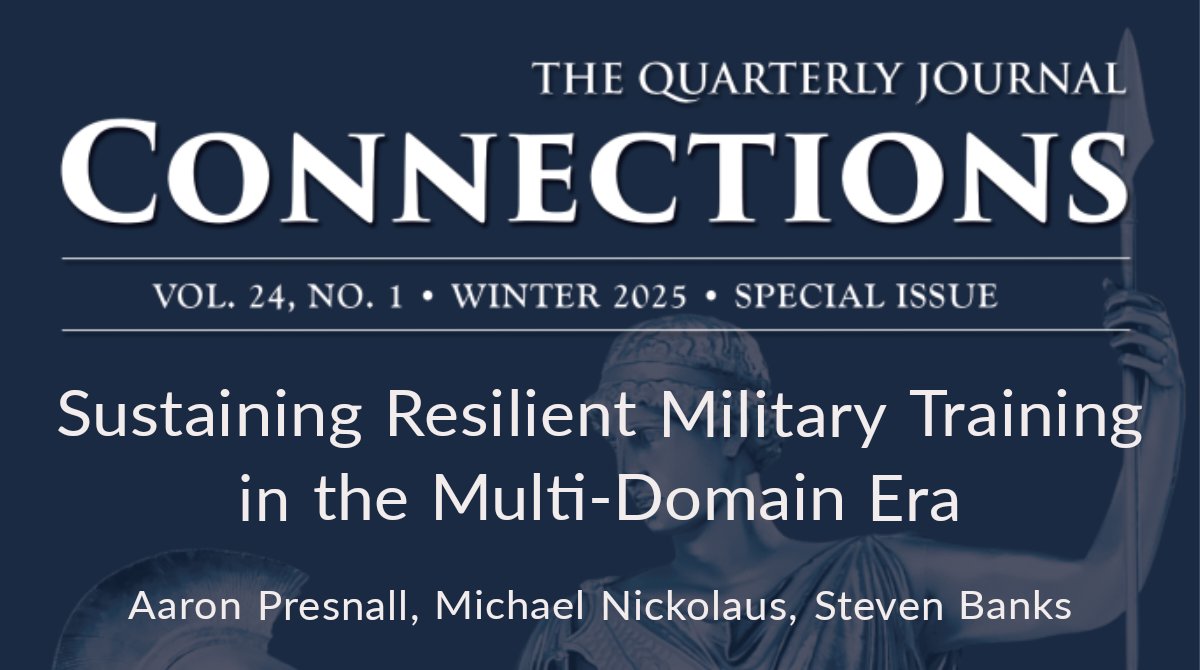
Military training is essential to sustain the fight 𝘸𝘩𝘪𝘭𝘦 at war, not just preparing for it. Nations must build systems that "train while we fight," with wartime resilience and backups among allies and partners.
https://t.co/QrjDMEkS1M
@pfpconsortium@gcmarshall_org
Sep. 5, 1774: 55 delegates from 12 British American colonies convened the (First) Continental Congress, seeking collective action to force repeal of the Coercive Acts, which included the closure of Boston's port over "The Destruction of the Tea" (AKA Boston Tea Party) #America250
"Neither aiming at originality of principle or sentiment, nor yet copied from any particular and previous writing, it was intended to be an expression of the American mind..."
Thomas Jefferson, on the Declaration of Independence (Letter to Henry Lee, 1825)
#IndependenceDay2024
July 2, 1776:
The Continental Congress in Philadelphia declared independence from Great Britain, passing delegate Richard Henry Lee's resolution 12-0 (with New York abstaining because its Provincial Congress was yet to give its delegation permission to vote for independence).
April 30, 1803: Negotiators sent to France by President Jefferson signed a treaty to purchase the 828,000 sq. miles of the Lousiana territory for $15 million, or around 4 cents an acre, doubling the size of the US and securing the entirety of the Mississippi and Missouri rivers.
Dan was a friend of the Jefferson Institute since our founding, welcoming us to the Monticello community and helping us foster many lasting relationships. We mourn his passing and already miss his boundless optimism and tireless commitment “to follow truth wherever it may lead.”
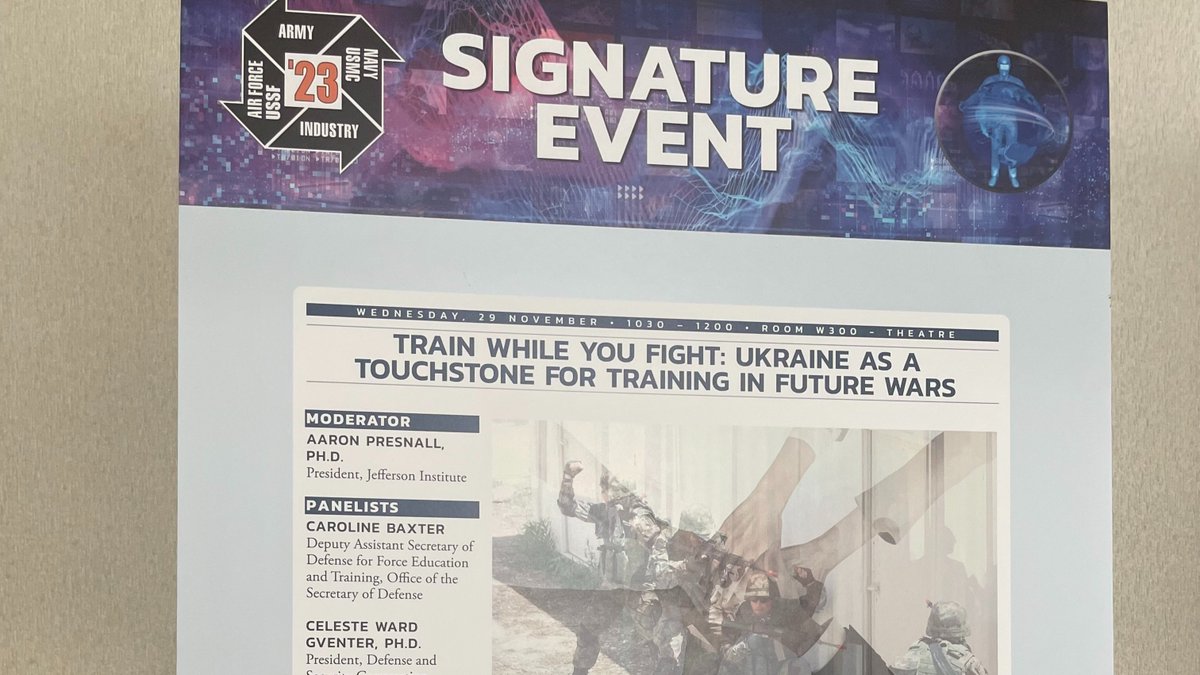
At the @IITSEC Signature Event "Train While You Fight" distinguished senior civilian & military leaders examined lessons from Ukraine to help allies & partners develop dynamic education & training that meets modern warfare's rapidly changing requirements.
https://t.co/d3Rp6Eibr7
On Aug. 31, 1803, Meriwether Lewis and 11 crew sailed from Pittsburgh, PA aboard a newly built keelboat of Lewis's own design. It was the Lewis & Clark Expedition's main vessel for the next 13 months and 1,500 miles, until they continued overland in what is now North Dakota.
July 11, 1804: Aaron Burr—while serving as Vice President under Thomas Jefferson—killed Alexander Hamilton in a duel. Jefferson later said of Hamilton, "We had no personal dissentions...but as politicians it was impossible for two men to be of more opposite principles."
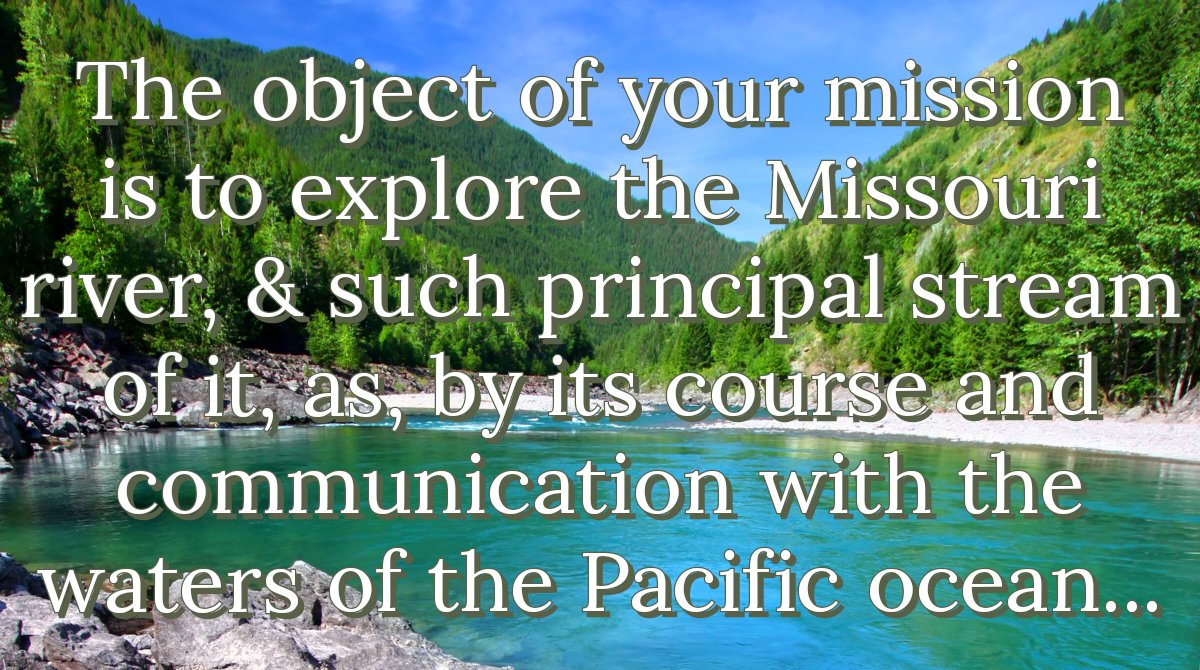
June 20, 1803: President Jefferson wrote to Meriwether Lewis outlining the commercial and scientific objectives for his Western expedition, including the collection of detailed information on Native nations with the aim of increasing trade.
Full letter: https://t.co/9PgCZxAxEd
The @pfpconsortium Secretariat and @Marshall_Center’s Gen. Rolf Wagner met yesterday with DASD @CarolineCBaxter to discuss efforts to develop resilient, interoperable training capabilities to meet the new global security environment’s Professional Military Education challenges.