#Science The genetic differences between men and women - A study analysed the expression of 20,000 genes in the body tissues of donors. They found that 6,500 of them are expressed differently in men and women
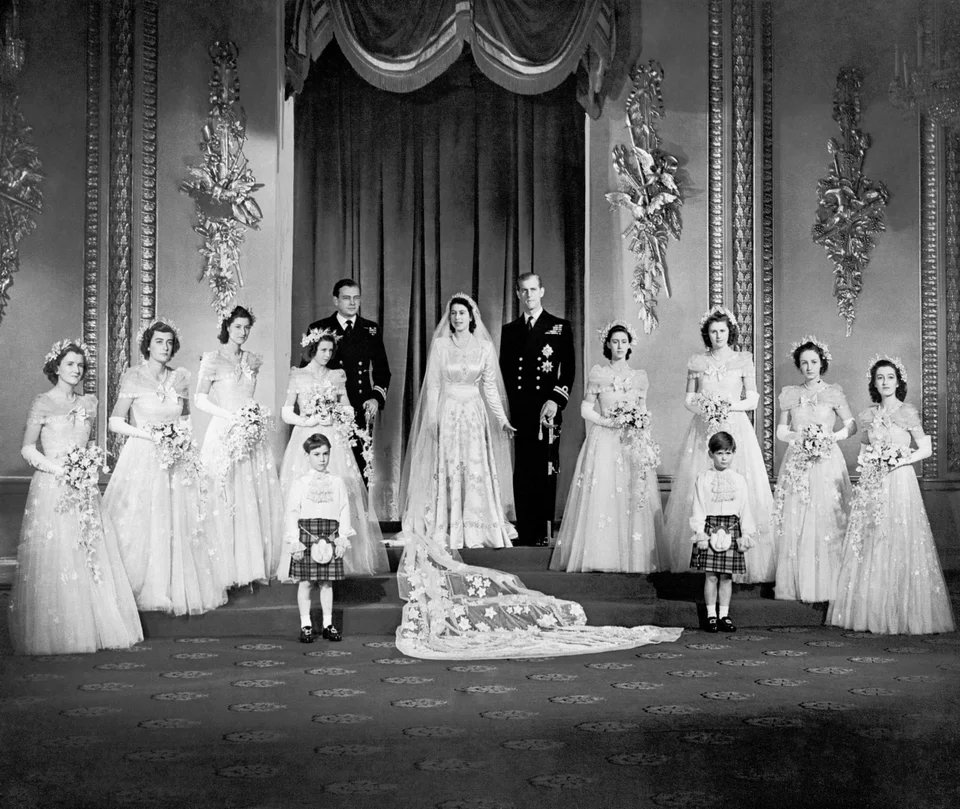
20 NOVEMBER 1947 A ROYAL WEDDING THAT BROUGHT A LITTLE JOY TO POST-WAR BRITAIN
PRINCESS ELIZABETH MARRIES PHILIP MOUNTBATTEN, 79 years ago, Britain celebrated a royal wedding that would become one of the defining events of the twentieth-century monarchy.
At Westminster Abbey, 21-year-old Princess Elizabeth married 26-year-old Lieutenant Philip Mountbatten, the newly created Duke of Edinburgh. Their marriage would last more than 73 years.
The ceremony took place after the end of World War II and two thousand guests attended the ceremony, which was broadcast to millions worldwide by BBC Radio. Crowds gathered around London's Trafalgar Square to see Elizabeth and her father, King George VI, arrive at the service by royal coach. Crowds lined the streets to see the royal procession. After the ceremony, the newlyweds appeared on the balcony of Buckingham Palace. And while the public saw glamour and celebration, everyday austerity remained very much in evidence.
With post-war austerity measures still in effect, ingredients for the wedding cakes came from overseas because food was still rationed.
Elizabeth had to save up ration coupons to purchase the material for her wedding gown. Members of the public even sent their own coupons to help, although the Princess could not simply use those unsolicited contributions.
Elizabeth's wedding gown was designed by Norman Hartnell. It was made from ivory silk and decorated with elaborate floral embroidery, crystals and thousands of seed pearls. Its design drew inspiration from Botticelli's Primavera, with flowers symbolising renewal and hope. Hartnell's team worked intensively to complete the dress. The result became one of the most famous wedding gowns in royal history.
The Second World War had ended just two years earlier. Food rationing continued. Families faced shortages, damaged housing and economic hardship. Many were still grieving relatives who had never returned from the war. The exceptionally severe winter of 1946–47 had made life even more difficult. Against that backdrop, the wedding offered a moment of national celebration. For one day, much of the country's attention turned towards Westminster Abbey.
Elizabeth and Philip had known one another for years. Their relationship developed as Elizabeth grew older, while Philip pursued his naval career. He served in the Royal Navy during the Second World War. Before the wedding, Philip became a naturalised British subject, adopted the surname Mountbatten and relinquished his Greek and Danish royal titles.
Less than five years later, Princess Elizabeth became Queen Elizabeth II at the age of just 25. Their marriage continued until Philip's death on 9th April 2021, aged 99. The Queen died the following year, on 8th September 2022. They had been married for more than seven decades.
Looking back at their wedding photographs is rather moving. Their wedding became a lasting image of post-war Britain, a moment of optimism amid years of hardship.
A government summit focused on tackling issues facing men and boys across Britain has been delayed until next year. Former prime minister Keir Starmer promised last year to hold a National Summit on Men and Boys in 2026, aimed at addressing issues like men’s mental health.
Approached for comment, justice minister Jake Richards said the summit would “likely” take place “early next year”. Further announcements are expected over the coming days.
Luke Evans, Conservative MP for Hinckley and Bosworth, said news of the summit’s delay was “disappointing, but unsurprising”, as he has been asking the government for updates since the summer.
@MotleyPolly No it is a wonderful story and adds to the romance, feel free to share extra details anytime I love them and I'm sure other people do too x
Even the cake has a fascinating history: 'The 10,000 Mile Cake' it was called as ingredients were sent from all over the Commonwealth. A tier was sent to the Girl Guides of Australia in thanks for all the dried fruit they provided!
ABORTION COMPLICATIONS: HOW CAN WE MAKE INFORMED DECISIONS WITHOUT THE FULL DATA?
An important article from Right to Life UK reports growing support in the House of Lords for Lord Moylan's Complications from Abortions (Annual Report) Bill.
So, what is the issue? A Government review published in 2023 revealed significant differences between complications recorded by abortion providers and those identified through NHS hospital admissions.
Why? Because complications occurring after a woman leaves the abortion provider may not be captured in the routine abortion statistics.
The review found recorded complication rates of:
🔹 1.52 per 1,000 abortions using provider notifications.
🔹 4.06 per 1,000 using hospital data, excluding incomplete abortions.
🔹 18.16 per 1,000 when complications associated with incomplete abortions were included.
These figures use different definitions, so they cannot simply be treated as directly comparable rates. Nevertheless, the Government's own research identified a genuine gap in the information being collected.
What would the Bill do? It would require the Government to publish an annual report using both abortion-provider and NHS hospital data, examining complication rates by age, abortion method, gestation and type of complication. I agree with Right to Life that this information matters.
How can women properly understand potential risks without reliable information?
How can clinicians assess outcomes, policymakers evaluate services or Parliament scrutinise patient safety?
And how can we establish the frequency and seriousness of complications if important information is missing?
This should be a basic principle of healthcare: accurate reporting, transparency and informed consent. It shouldn't matter where someone stands on abortion. Women's health deserves proper evidence and scrutiny. I support the Bill. We cannot make genuinely evidence-based decisions about outcomes we are not adequately recording.
📖 Right to Life article:
https://t.co/fYT54FnCEh
🏛️ Parliamentary Bill:
https://t.co/QMTSNXwYrM
My posts are constantly mass reported, deboosted, and hit by @X’s content filters.
My account doesn’t qualify for Original Content Rewards.
But I'm still here, fighting the good fight...🤜💥🤛
Family law experts gave evidence on the draft Conversion Practices Bill on 19 November.
Sarah Branson, Family Law Bar Association: "It looks as if Parliament intended someone else to really define what 'abusive' means."
Shabana Jaffar, Cafcass: "the natural discussions... that would take place within families could potentially be prohibited or controlled in some way."
On criminalising 10 and 11 year olds: "it's not clear, is it?"
Parliament has now heard that the draft Conversion Practices Bill's test for "abusive" doesn't match the "significant harm" test family courts already use.
Two thresholds for the same child, with criminal penalties attached to one, this is not clarity, it's a reason to withdraw the Bill.
https://t.co/BHJoZgc7DX
No need for new law to fight conversion therapy, says ex-minister. Labour’s proposed conversion therapy ban is not needed to protect children and risks criminalising normal parental conversations, a former health minister has said.
Preet Kaur Gill, who spent 18 years in social work and children’s services before entering parliament, said existing laws gave professionals the powers they needed to protect children from abuse. She warned that ministers risked dividing families and placing further pressure on overstretched family courts.
Looks like the public agree...
The point of these committees is to get on the record evidence to put to the government, to hold them to account. It is why they have witnesses.
Politics is a funny old game. Something as basic as “follow the actual law, not lobby-group guidance” still has to be forced onto the official record because public bodies will otherwise keep treating the latest activist memo as if it outranks the Equality Act.
Getting the EHRC Chair to state it clearly, on the parliamentary record, gives every public body and every other politician a concrete reference point they can point to later. That’s the whole purpose of the exercise.
Dr Mary-Ann Stephenson tells The Times, there is "misinformation" about the code. The Commission is being clear. Public bodies MUST follow the law, not lobby groups' guidance.
Watch this. @MandyLindsayMSP asks the EHRC Chair what a Scottish public body should do immediately when third-party guidance conflicts with the statutory Code... Dr Mary-Ann Stephenson: all bodies "have a duty to follow the law… the Equality Act as set out in the code", and where guidance is "advising them to break the law, they shouldn't be breaking the law."
Family lawyers told Parliament yesterday that the draft Conversion Practices Bill's test for "abusive" is unfamiliar to them, and should match the existing "significant harm" test.
If open-ended conversations with children aren't meant to be banned, why is the Bill unclear? Our evidence review found the case for this Bill hasn't been made. It should be withdrawn.
Our assessment:
https://t.co/BHJoZgcFtv
What a lovely set of traditions! Such precious family time ❤️
And OMG the Christmas elves… once you start them, they really are a nightmare! The shenanigans never stop and the “don’t touch or they lose their magic” rule is both genius and a constant source of drama. 😂
Hope you all have a wonderful few weeks of it! 🎄
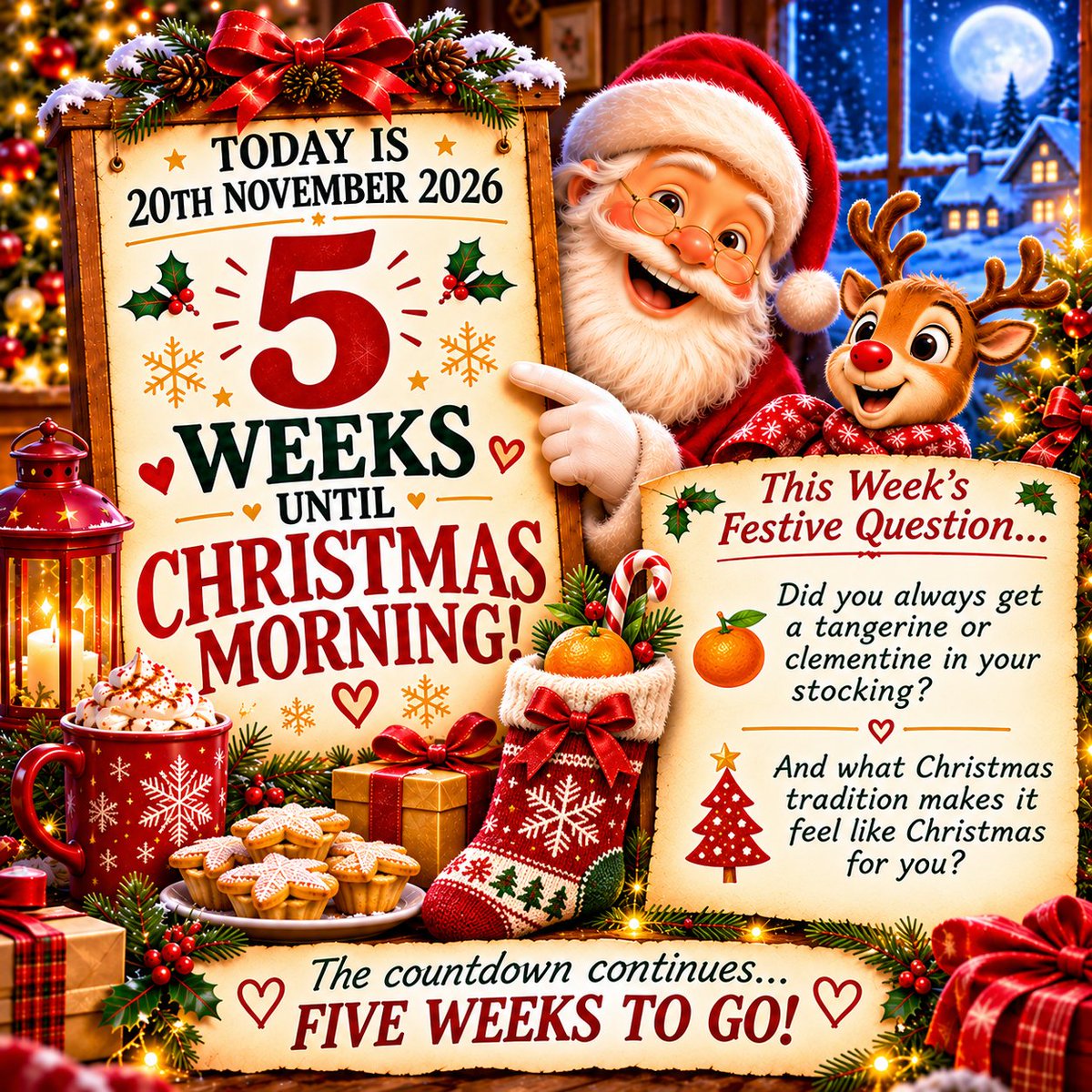
🎅🎄❤️ IT'S CHRISTMAS COUNTDOWN TIME AGAIN!!! ❤️🎄🎅
Today is FRIDAY 20TH NOVEMBER 2026, which means...🎄 JUST FIVE WEEKS UNTIL CHRISTMAS MORNING!!! 🎄35 DAYS, PEOPLE!!! THIRTY-FIVE!!! 😍🎅❤️
YESSSSSS!!! We're another week closer to the most wonderful time of the year, and I am STILL ridiculously excited! Now, I'm sure the "IT'S STILL NOVEMBER!" brigade will be delighted to learn that my Christmas enthusiasm has not diminished in the slightest.
In fact, it's getting worse. 🤣❤️The trees are up, the wreath is on the door, the house is looking lovely and festive, and the Christmas wrapping operation is now officially underway! 🎁
And can we just acknowledge that wrapping presents is a very different experience depending on what you're wrapping?
I absolutely LOVE this time of year. ❤️ The twinkling lights, cosy evenings, festive films, Christmas music, little traditions and all those lovely memories that seem to come flooding back at Christmas.
Which brings me to this week's VERY IMPORTANT CHRISTMAS DISCUSSION... TRADITIONS
Because I think every family has at least ONE Christmas tradition that simply MUST happen, otherwise Christmas doesn't feel quite right! Perhaps it's watching the same film every year, putting out a special decoration, baking something together, playing a family game or having a particular treat that only appears at Christmas.
Do you have a family Christmas tradition that has been passed down through the generations? I love hearing about the little family traditions and memories that make Christmas special for different people.
Whether you're already in full festive mode like me, or you're still firmly refusing to acknowledge Christmas until December, I hope the coming weeks bring you something to look forward to.
🎄 FIVE WEEKS TO GO!!! 🎄
Just 35 sleeps until Christmas morning! And yes, I'll be back next Friday with another extremely important Christmas countdown announcement! 🎅
❤️ This post is for those who LOVE Christmas, those who want to know, those who need to know, and those who didn't know they needed to know! ❤️
🎅 HO HO HO! THE COUNTDOWN CONTINUES! 🎄
20 NOVEMBER 1759 THE BATTLE OF QUIBERON BAY THE BRITISH NAVAL VICTORY THAT HELPED SAVE BRITAIN FROM INVASION
On this day, 267 years ago, a British admiral made an extraordinary decision. With a storm raging off the coast of France, dangerous rocks beneath the waves and a French fleet seeking shelter ahead of him, Admiral Sir Edward Hawke ordered his ships to pursue the enemy into Quiberon Bay. It was an immense gamble... But what followed became one of the Royal Navy's most decisive victories of the eighteenth century.
The year was 1759, and Britain was fighting France in the Seven Years' War. This was not simply a European conflict. Britain and France were competing for influence, trade and territories across North America, the Caribbean, India and elsewhere. France was preparing an invasion of Britain, intending to assemble troops and use its naval forces to support a crossing. The French fleet at Brest therefore posed a serious threat.
Admiral Hawke's task was to prevent French warships from supporting the proposed invasion. For months, British ships maintained a blockade, often in appalling Atlantic weather. Then the French fleet, commanded by Marshal Hubert de Brienne, Comte de Conflans, put to sea.
On 20th November 1759, Hawke caught up with the French fleet off the coast of Brittany. Conflans sought refuge among the treacherous shoals and rocks around Quiberon Bay. He hoped the dangerous waters would discourage British pursuit. But Hawke was determined not to let the enemy escape. His ships followed the French into the bay, despite the violent conditions.
Imagine commanding a huge wooden warship, its sails straining in the wind, with waves crashing across the deck and the possibility of running aground at any moment. Navigation was difficult even in good weather. To fight a naval battle there in a storm was extraordinarily hazardous. The British attacked aggressively, overwhelming much of the French fleet. Several French warships were captured, wrecked or destroyed.
Two British ships were also lost after running aground, a reminder that the dangerous waters threatened both sides. The French fleet suffered a crushing defeat. The battle effectively ended the immediate prospect of France mounting its planned major invasion of Britain in 1759. It also strengthened Britain's strategic position during a year of significant victories.
Indeed, 1759 became known in Britain as the Annus Mirabilis, the Year of Wonders.
Hundreds of sailors were killed or wounded, and men on both sides faced the terrifying prospect of drowning in winter seas.
The victory helped establish British naval superiority during the remainder of the Seven Years' War. It demonstrated the importance of blockade, naval intelligence and decisive command. It also showed the extraordinary risks commanders sometimes took in pursuit of a strategic objective. Anglo-French naval rivalry continued long after 1759. Nevertheless, the Battle of Quiberon Bay remains one of the Royal Navy's most remarkable victories.
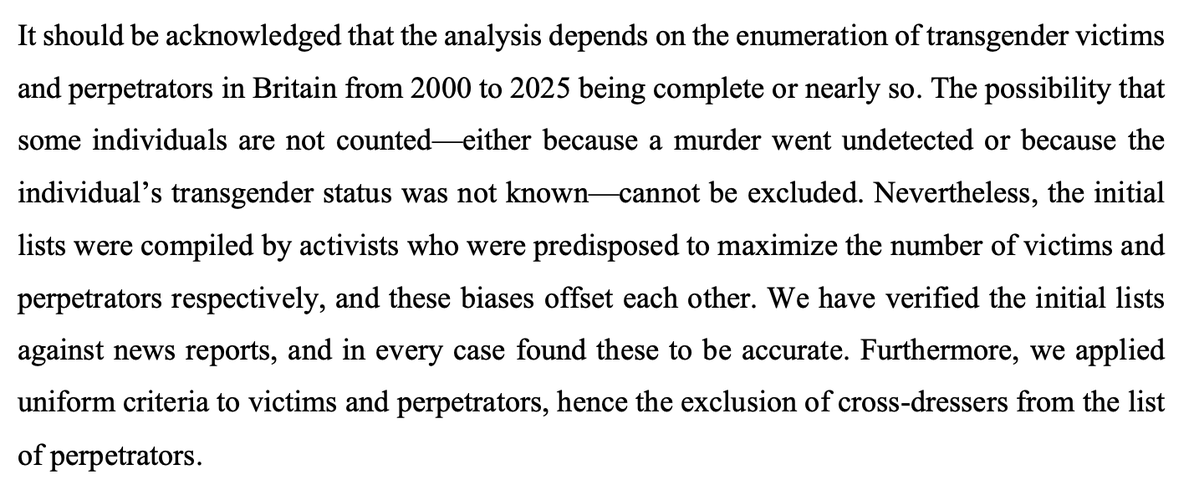
On this transgender day of remembrance, let's remember all those who have been murdered by trans perpetrators. Thankfully, most are now separated from women in prisons. This should be all.