The @ERC_resus 2025 Guidelines are here!
These guidelines have helped inform the RCUK 2025 Guidelines which will be published on Monday 27 October at midday.
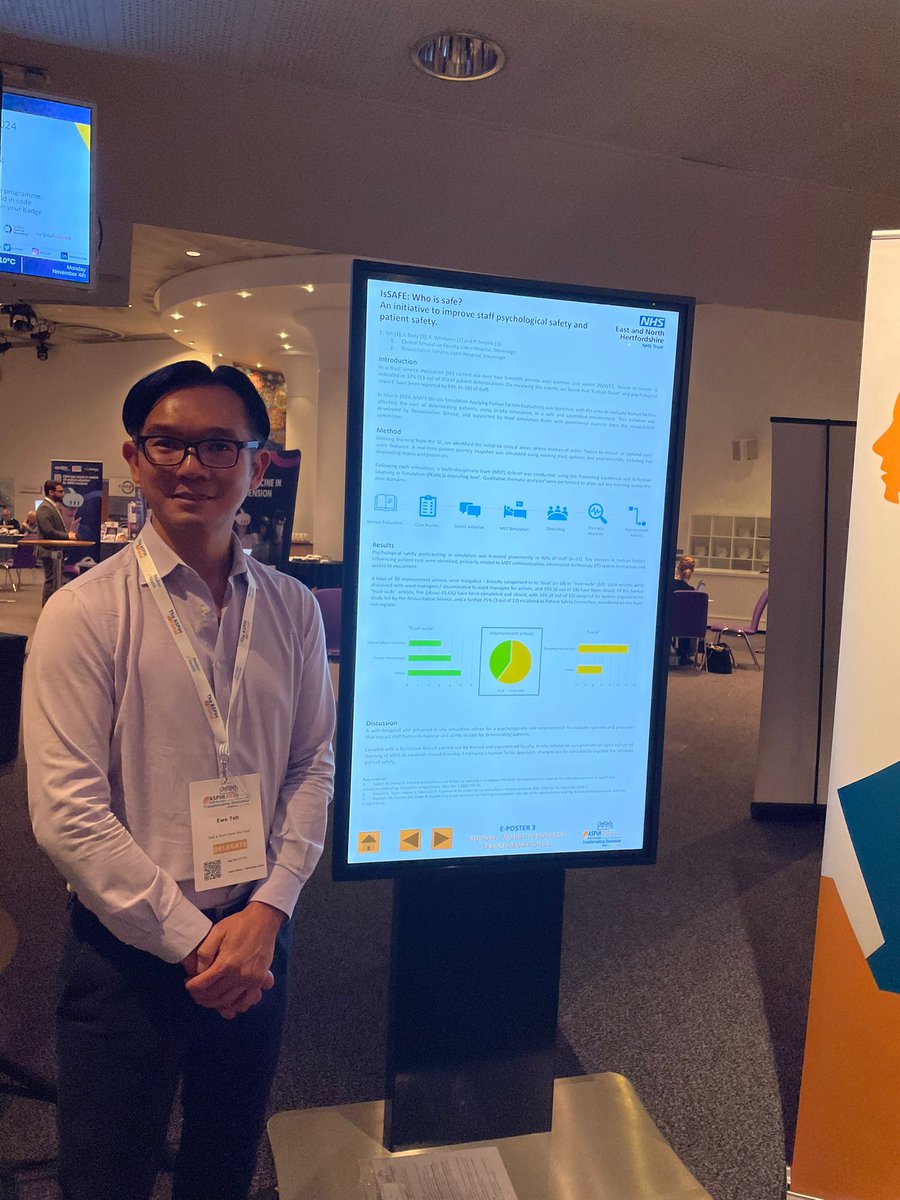
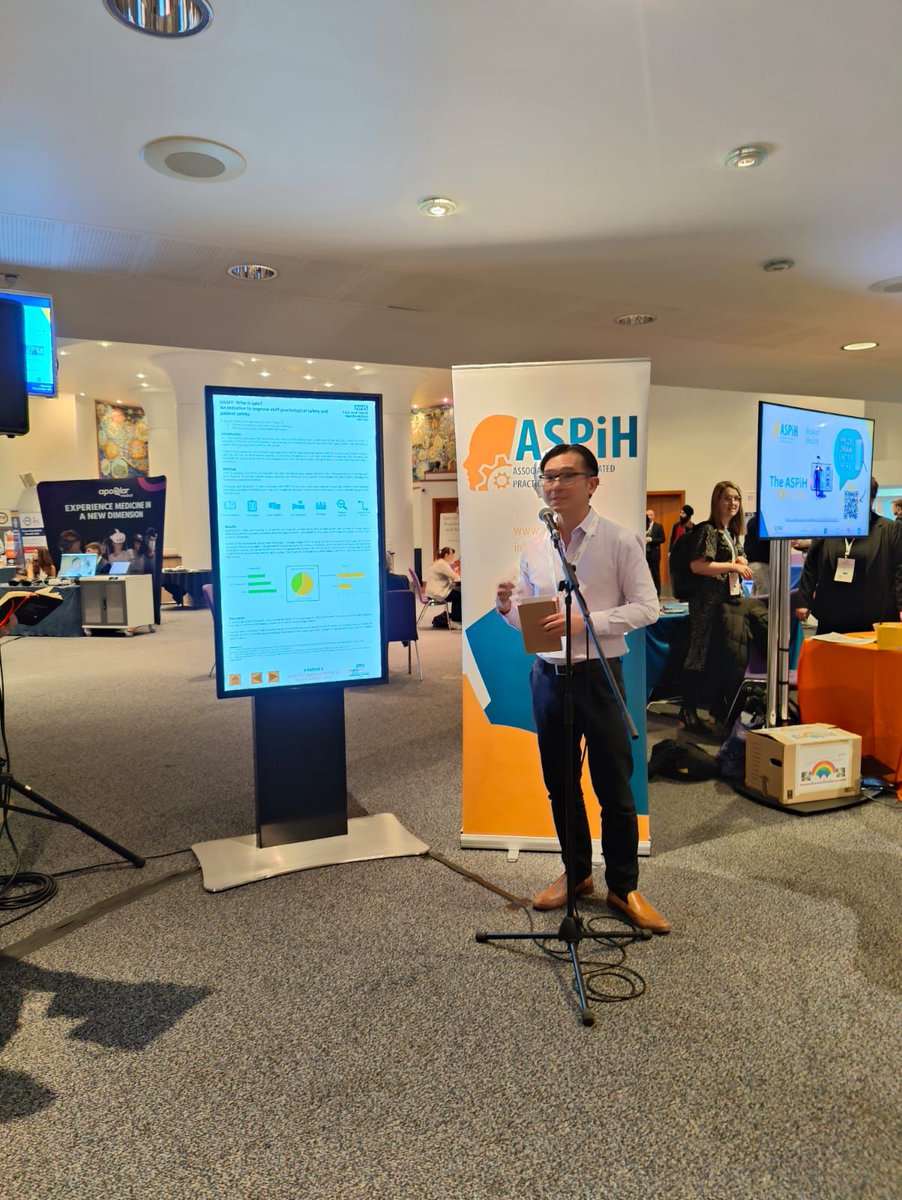
Dr Ewe Teh presenting the use of IsSAFE (In-situ Simulation Applying human Factors Evaluation) to protect staff psychological safety, when examining patient safety @ASPiHUK@enherts@resusteamlister@bramall_jon@margaretdevaney @rachel_bulloch
'Always be on the right side of history'. Thanks to @CNOWales (#FNFScholar herself) for your inspiring words in sharing the impact of the scholarship programme on your #leadership journey, at the start of our 23/24 Scholar conference.
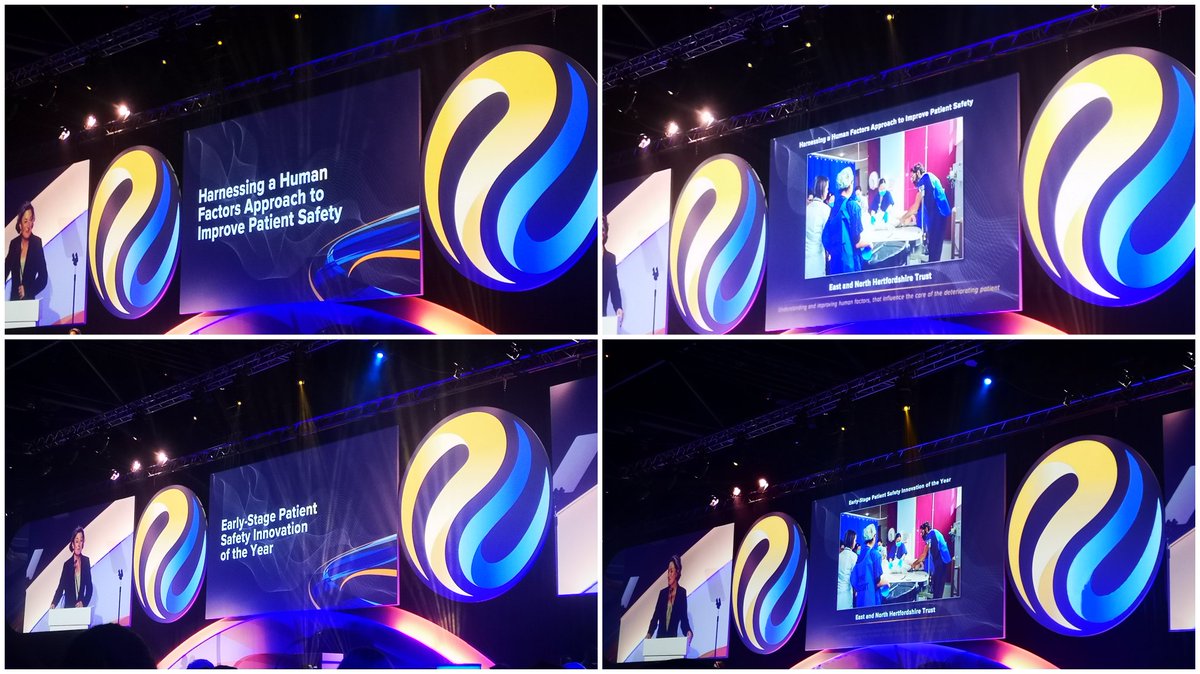
@HSJ_Awards celebrating all the amazing work within healthcare to improve patient safety. Makes you proud to be part of the NHS. Driving improvement in the face of adversity, all pulling together 🌟 @enherts. Too all NHS workers, you rock! 🙏🎉
🚨🎉 THE #HSJpatientsafety AWARDS SHORTLIST IS HERE! 🎉🚨
Congratulations and good luck to all our finalists!
(Embargo's lifted you can now shout about your achievement!)
VIEW THE FULL LIST HERE >> https://t.co/ZarSslqIcr
Psychological safety: how to get members of our teams to actually speak up.
It's a common leadership misconception that just by encouraging team members to voice opinions we create a culture of openness. We need to address the issues (individual & systemic) that prevent people from speaking up. Five actions:
1) Express intent (but only ask for the level of candour you’re ready & able to receive)
2) Use standard questions like "what are the pros & cons of this idea?" ("What do you think?” can feel like a trap)
3) Discuss communication preferences & use the mediums that play to their preferences rather than yours
4) Lend social capital to people who are in the minority in your organisation (& less likely to speak up) - disrupt biases by giving them the floor
5) Attribute credit fairly to the people who did the work
https://t.co/eZYVlwwYoW. By @elainelinhering
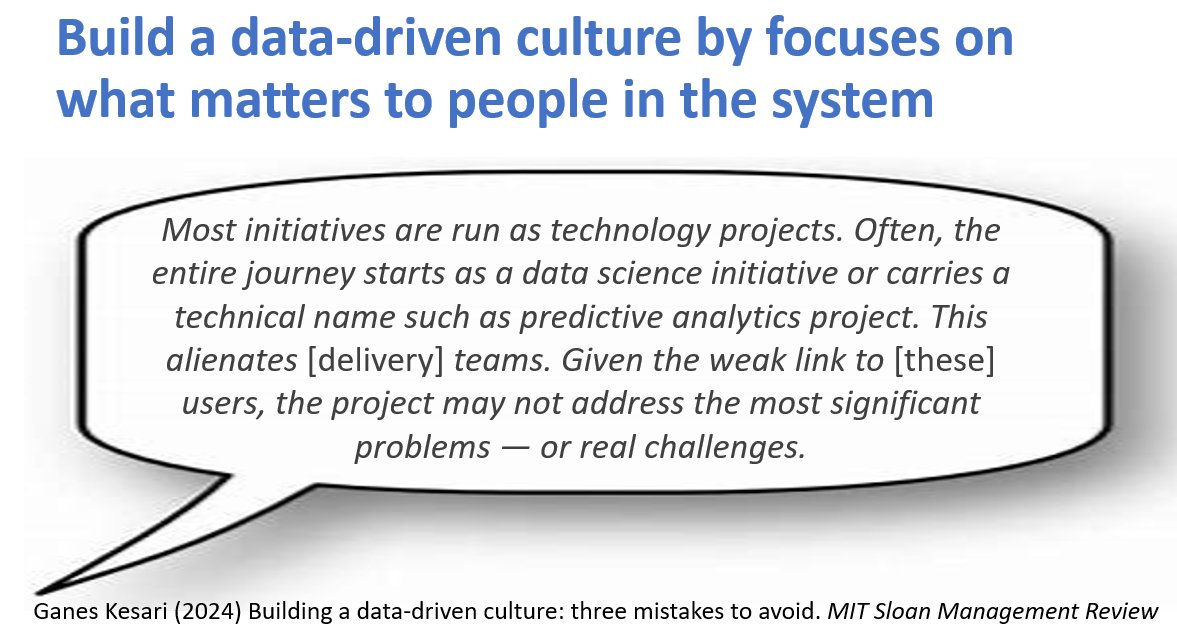
If we want to build learning organisations, we need a data-driven culture. Yet in a recent study across multiple industries, 6 in 10 leaders said they haven’t been able to establish a data-driven culture. It's mostly not to do with (technical) data systems. It's to do with people resisting changing the way they make decisions. Ways to build a data-driven culture:
1) engage influencers & leaders across the organisation, uncover their biggest priorities & brainstorm ideas
2) combine senior leadership role modelling with grassroots, user-driven initiatives
3) identify success metrics early & rally teams around them
https://t.co/gkp9jbwR2x. By @kesaritweets
📣 As promised, the comments on the scope document are now open to the public on the ERC Guidelines website. 🌟
🙌Click here 👉https://t.co/KXQb4dnQPK🔗
✨Keep sharing your comments, We will forward them to the corresponding Working Group for consideration. 🙏 Gratitude for all your engagement with the GL2025 process and all the support. ❤️ ❤️Check the new ERC Guidelines website: https://t.co/kXnElrsVkq
https://t.co/y388y7PedZ
👉 Spread the word by sharing this post to help us save more lives. #ERC #CardiacArrestAwareness #PatientInclusion #CollaborateForChange #ERCGuidelines2025 #RESUS24
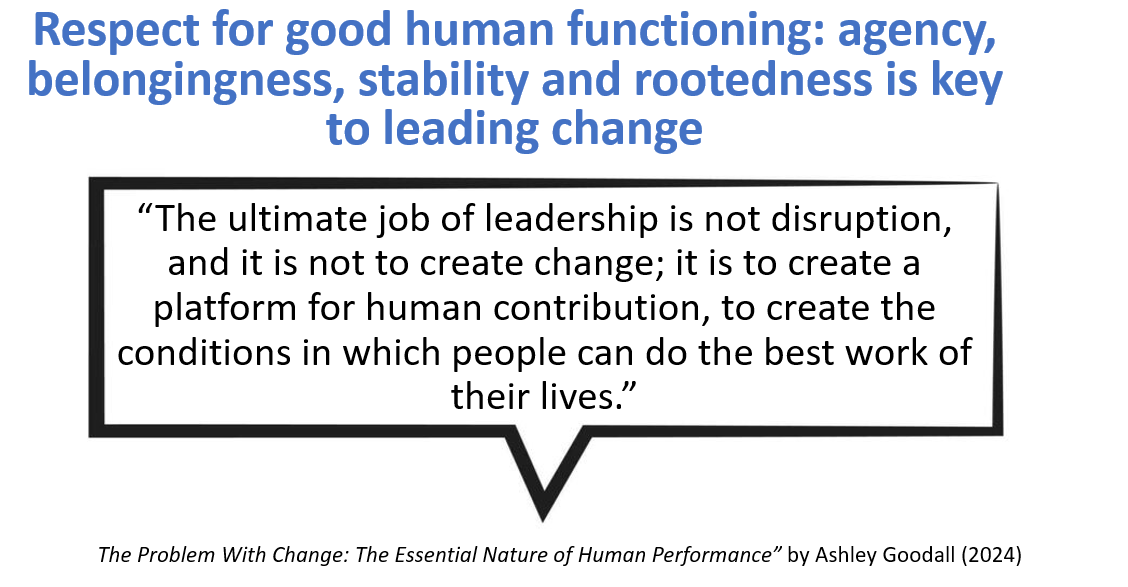
Change & reorganisation, unless thoughtfully & sensitively managed, are more likely to bring turmoil, uncertainty, a lack of control, a sense of unbelonging & a loss of meaning, than measurable improvement. In a new book, @littleplatoons says that leaders must first create a sense of continuity & stability & build the engagement & commitment of people before the energy & creativity required for effective change can be harnessed: https://t.co/3GlbZLv4a0. Via @IEDP_Knowledge
Such an incredible opportunity with RADA, with such inspiring colleagues. Delivered on point by @JonnyGuyLewis, thanks to @FNightingaleF .. just wow! ☀️