Sarah Dobson’s passion for epidemiology, supported by her growing commitment for using reliable data to solve public health problems, was cultivated through various internships and the invaluable advice of her mentors. Pursuing an MPH at @UMichSPH allowed Dobson to delve deeper into the field and become fascinated with the intersection of climate change and public health. https://t.co/VL3H9YnWPP @UMichEpid
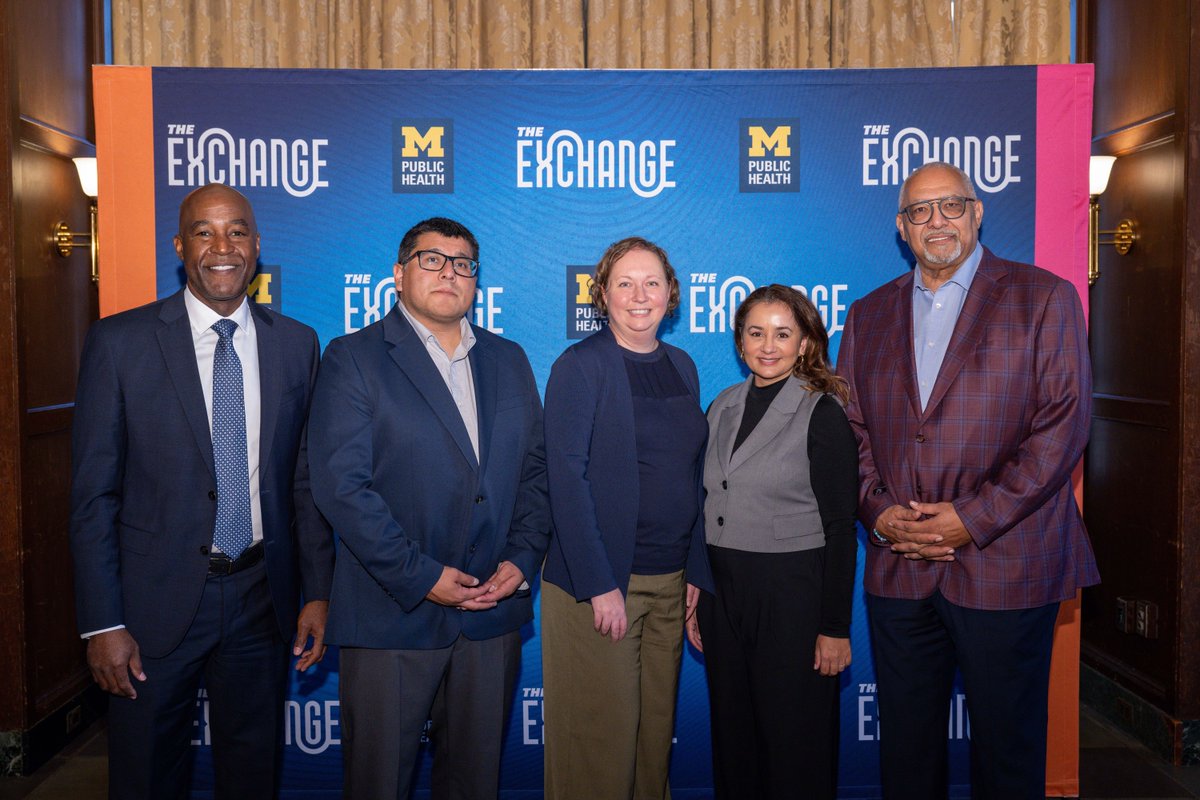
Thank you so much for joining @umichsph for The Exchange. It was a wonderful event, our speakers were amazing. We are so thankful for the amazing work that our faculty are doing.
#GoBlue#Michigan#PublicHealth#Epidemiology
Working with awesome students has been a highlight of my time here at @umichepid! Really proud all Sarah has accomplished and all she will surely accomplish! https://t.co/9GewYTpWir
Feeling incredibly honored to be named the recipient of the John G. Searle Professorship and grateful for @umichepid for being so supportive of my journey as Assistant Professor!
Huge congratulations to Assistant Professor @JenniferR_Head on being named the recipient of the John G. Searle Professorship. We are absolutely delighted for you, so well deserved.
#GoBlue#Epidemiology#Congratulations
Fungal infections known as valley fever could spike this fall - @AlexKHeaney, Simon Camponuri and I explain why! https://t.co/SwDROIiiG9 via @ConversationUS
Valley fever, a potentially deadly fungal disease that lives in soil and spreads in dust, thrives amid extreme swings in rainfall and drought, has been spreading largely driven by climate change.
@UMichSPH's @JenniferR_Head is an expert. Read on @NatGeo https://t.co/n7GzSyf25X
Rapid transitions (aka whiplash) between extreme dry and extreme wet conditions are becoming more common. These conditions are perfect to fuel wildfires and #ValleyFever. Thanks to @NatGeo for reporting. https://t.co/2hE6QEt8kD
@CAPublicHealth warns of increased #Valleyfever cases from now through the fall: https://t.co/QxXYdadcCE.
Our new pre-print discusses more on the 2023 spike and provides a forecast for 2024: https://t.co/dlPk9bt02R
🚨New pre-print🚨 2023 was a near-record year for #ValleyFever in #California following transition from drought to atmospheric rivers in winter 2022/23. Following a second wet winter of 2023/24 in California, we forecast continued high incidence of #ValleyFever for 2024 into 2025
Continued swings between drought and heavy rainfall (aka "precipitation whiplash") under climate change will have implications for Valley fever. Forecasts can help inform public health messaging to enhance provider and patient awareness for earlier diagnosis and treatment.
Already 2024 is making news for #ValleyFever, with an outbreak following the Lightning in a Bottle #MusicFestival in late May. Heavy precipitation in Kern last winter followed by a hot, dry summer may have provided the right conditions for the fungus to grow and spores to spread.
Using an ensemble prediction model, we forecast that cases will follow a strong seasonal pattern, peaking in November at ~1,400 cases statewide. Southern San Joaquin Valley, Central Coast, and Southern Coast are anticipated to see the highest case counts.
Our latest research, led by Prof. Alexandra Heaney @UCSanDiegoSPH, shows that drought shifts Valley fever seasonality in California https://t.co/growzG11xK
Guiding words: “[With climate change] the rich will find their world to be more expensive, inconvenient, uncomfortable, disrupted, and colorless—in general, more unpleasant and unpredictable, perhaps greatly so. The poor will die.” –Kirk R. Smith, PhD, MPH (1947–2020).
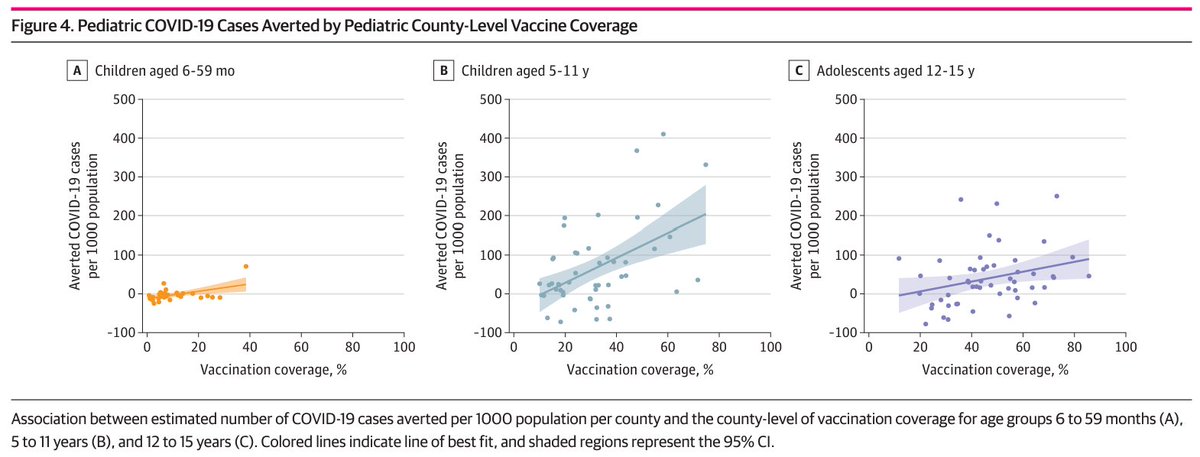
New study in @JAMANetworkOpen: We analyzed >3.9 mil pediatric COVID 19 cases in CA and found that vaccination was associated with significant reductions in in COVID cases and hospitalizations in children. https://t.co/OWWe3tQg8H
In months following vaccine availability, we estimated reductions of 31% and 27% from expected cases in 12-15 y/o's and 5-11 y/o's and a 24% reduction in hospitalizations for 6-59mo/o's. Counties with higher pediatric vaccine rates saw greater reductions in cases per population.
Case analysis of >3.9 mil COVID cases in California found that pediatric vaccination averted >375,000 cases of COVID-19 and 270 hospitalizations in children 6mo-15yrs in the 4 to 7 months following vaccine availability. @JenniferR_Head@Justin_Remais https://t.co/i44aI5AdWo