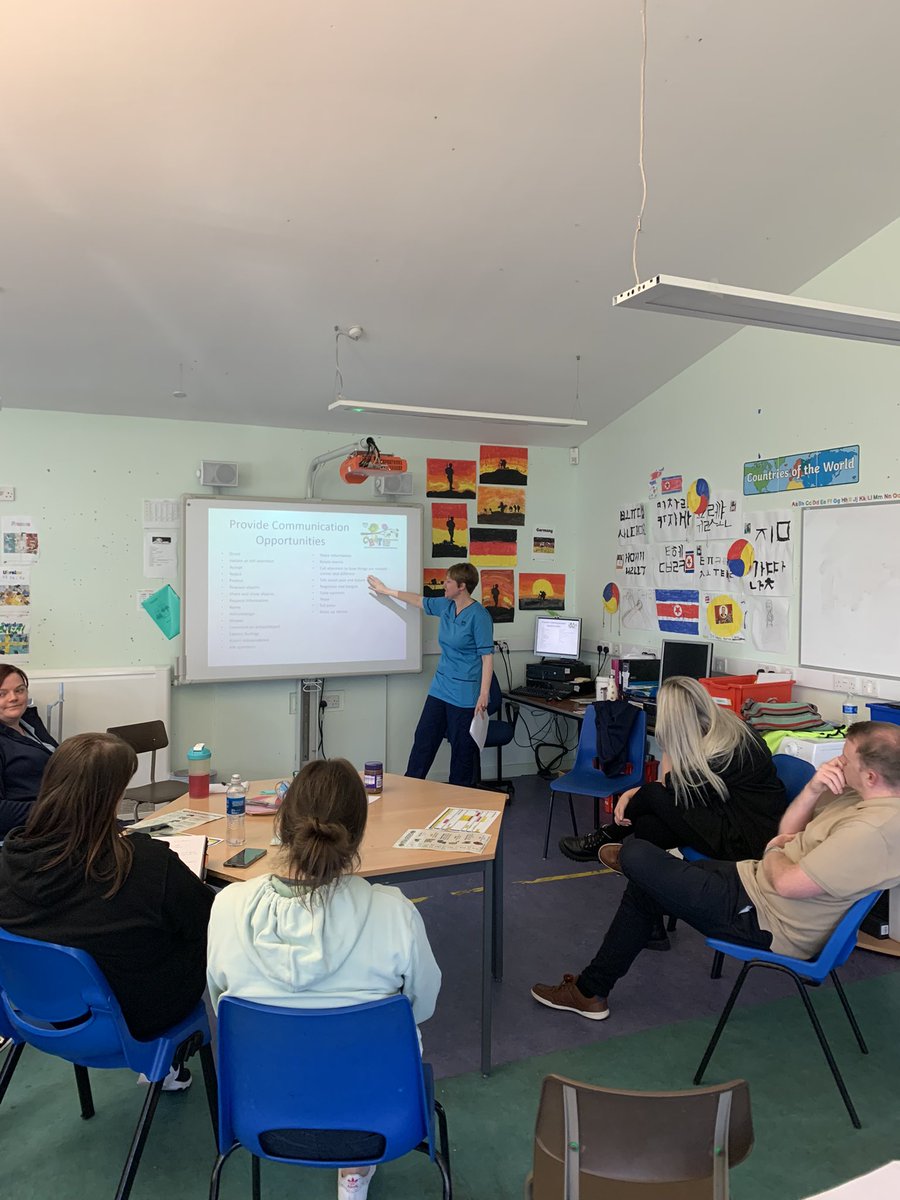
Great to represent Speech and Language Therapy and meet so many parents, carers and other professionals supporting CYP with ASN in Angus today at the Reid Hall in Forfar. Thanks for organising @AngusCouncil @CHATayside
Thank you to all our parents who came along to our Early Years Literacy event for nursery and P1. Jenny @CHATayside shared the importance of speaking with and listening to your child and parents saw this in action when visiting the rooms for stay and play. #Partnerships
What can these five babies teach us about language development?
This week I’ve been exploring the stages of infant language acquisition.
And today, I’ve done something special: curated a compilation of five videos tracing the progression of infant vocalizations over time.
As you watch, note that each new clip represents a step forward in expressive language (and, obviously, age).
So let’s meet our five babies!
1) Baby Number One, shared to TT by natashatenen, illustrates a concept I first introduced yesterday: Cooing.
Note that her happy vocalizations are mostly extended vowel sounds. One of the first sounds babies make other than crying, cooing typically begins between 6 weeks and 3 months.
2) Now let’s meet Baby Number Two (shared to TT by putdewyy). He’s not far past the cooing stage… lots of vowel sounds are on display here…but he’s starting to make the transition to babbling.
Notice how his vowel sounds are now supplemented by some initial consonants. He adds some “buh” and “bah” sounds. Babbling typically begins with single syllables (often buh, muh, and/or duh) between 4-6 months. It’s a subtle but important step forward.
3) You’ll notice that Baby Number Three’s speech is marked by a real qualitative upgrade in terms of both clarity and content.
This little one, shared to TT by Vanessa.Fiorella, is demonstrating what is known as canonical babbling - which involves the repetition of a single syllable.
While Baby Two managed a “bah” sound, Baby Three is firing them off in rapid succession: “bah-bah-bah-bah.” Canonical babbling often begins around 6-7 months.
4) Baby Number Four takes the complexity up a notch further.
What you see in this video (shared to TT by sofiaandsofie1) is called variegated babbling - which combines multiple different syllable combinations. (“Duh-dah-di-di-di-dah”)
Do you notice how variegated babbling is starting to resemble conventional/adult speech more and more? It’s commonly exhibited around 10-12 moths.
5) And then, just for the fun of it, I’ve included Baby Number 5 - who became a viral sensation last winter for the amazing complexity of his variegated babbling. The video, shared to TT by Xxbur5, shows a little guy with a cold diaper and a linguistic capacity that - only months after first babbling - has progressed exponentially and will soon make way for his first words.
Isn’t it amazing to trace this progression? Grateful to all these creators for capturing videos so we can all learn from them together.
Hope you enjoyed this language development super cut!
Congratulations to our new #TalkingMats Licenced Trainers👏We're Looking forward to hearing about your future training plans. For more info about our Licenced Training visit our website👉Licenced Training - Improving Communication, Improving Lives (https://t.co/klkOAbndEz)
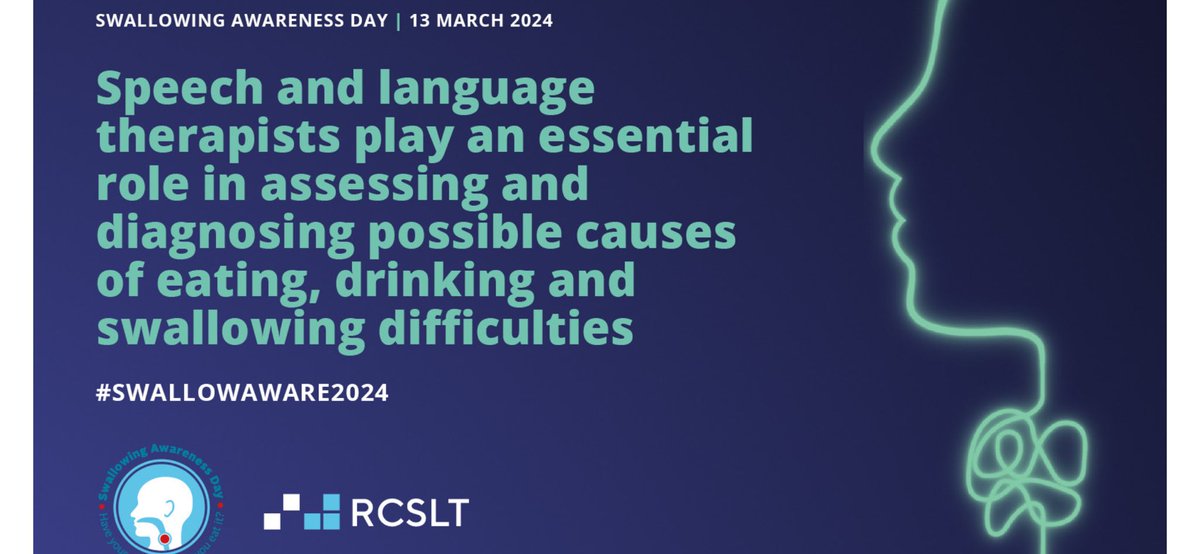
🥳 Happy #SwallowAware2024 everyone!
🥰 What a brilliant start to @RCSLT's day, seeing this on @MikeysWish_VDA's #InvestInSLT petition.
➡️ Keep signing and sharing to support better lives for people with eating, drinking, and swallowing difficulties: https://t.co/O6F8pi3pne
Consultation on Learning Disabilities, Autism & Neurodivergence Bill launched
Views are being sought on proposals to better protect, respect and champion the rights of people with learning disabilities, autistic and neurodivergent people
Have your say ➡️ https://t.co/0CIjjFSMHI
Care workers are skilled workers. Care workers are skilled workers. Care workers are skilled workers. Care workers are skilled workers. Care workers are skilled workers. Care workers are skilled workers. Care workers are skilled workers. Care workers are skilled workers.
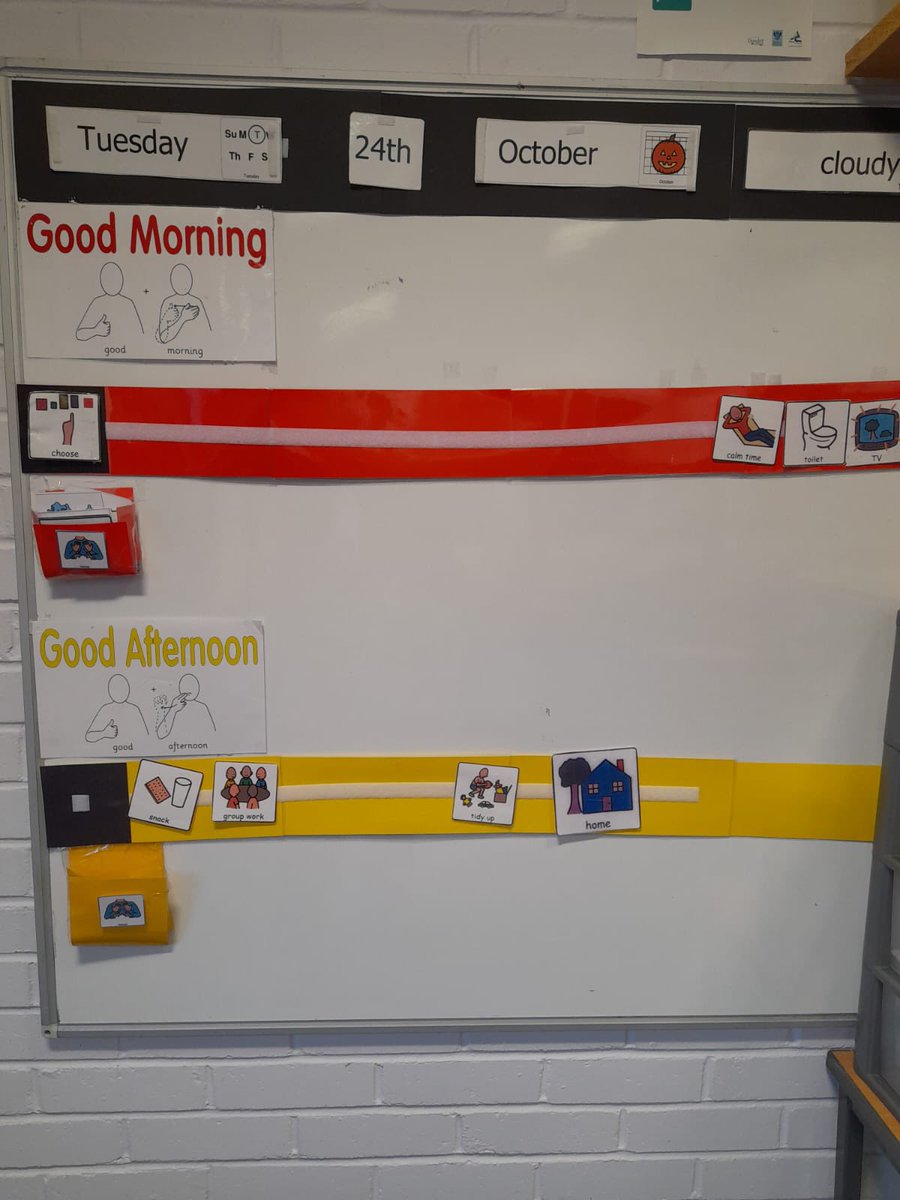
Great visit to @CarlogiePS along with @Angus_Autism today to review their use of visuals throughout their whole setting. Really impressed with their use of consistent visual supports for all children!⭐️👏#inclusion @CHATayside @AngusASN
Speech and language therapists @MelaniePacker72, @lauren_slt1, & @RCSLT CEO @SteveJamieson12 call for more people to enter the profession as our survey shows high vacancy rates across England. Watch from 11:20 https://t.co/UX5kluQXRo @MyBCU@Nick_Hewer@SeanPert @IrmaDonaldson19
Looking forward to officially launching the @NHSTayside Allied Health Professions Research Network tomorrow. Got a fab day of in person networking, and internal and external speakers including from @cahprscotland and @UoDHealthSci We look forward to seeing you there! @ahpnhst
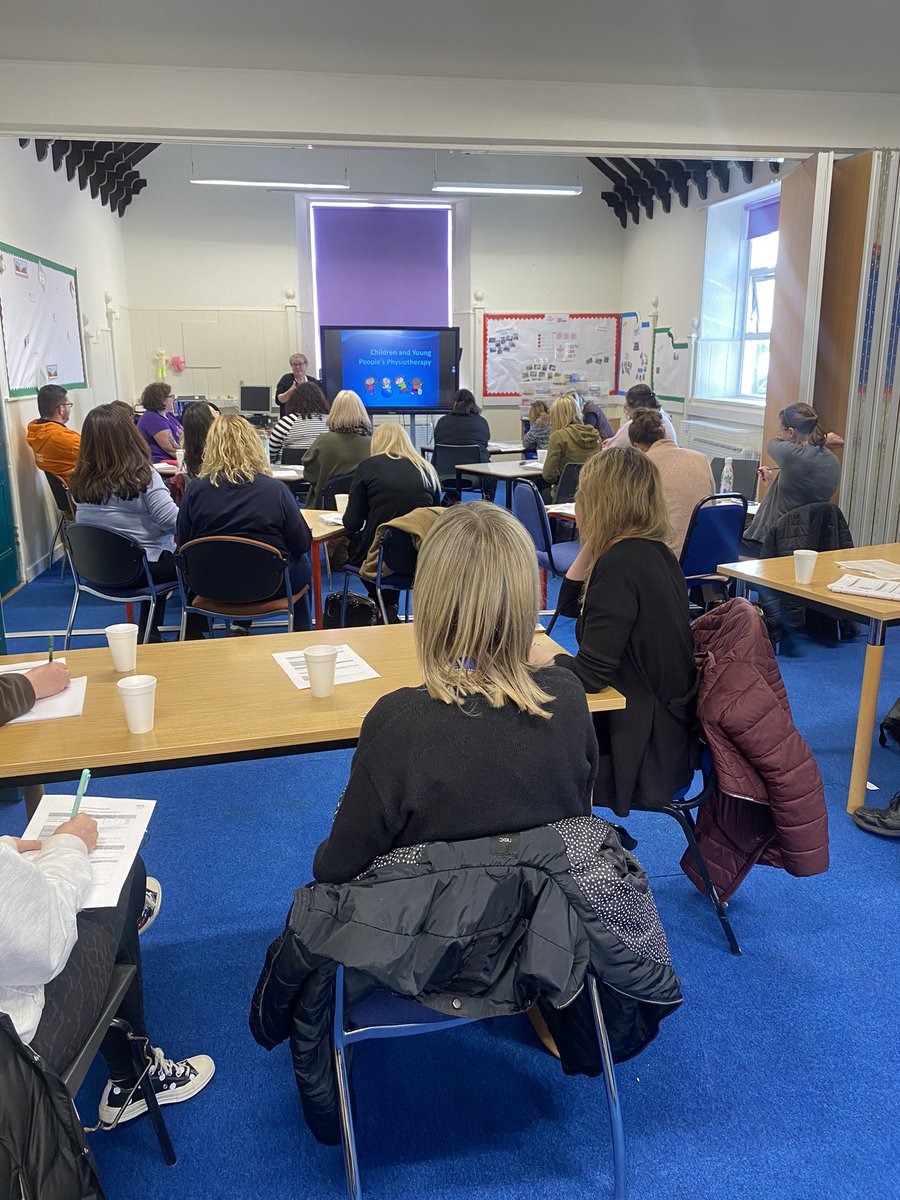
Brilliant session delivered to staff from Angus education this evening who have an interest in ASN - tonight was an intro for them to the fabulous teams in Physiotherapy, Occupational Therapy, and Speech and Language Therapy. @AngusASN@Tayside_CYPOT @CHATayside #AHP#teamwork