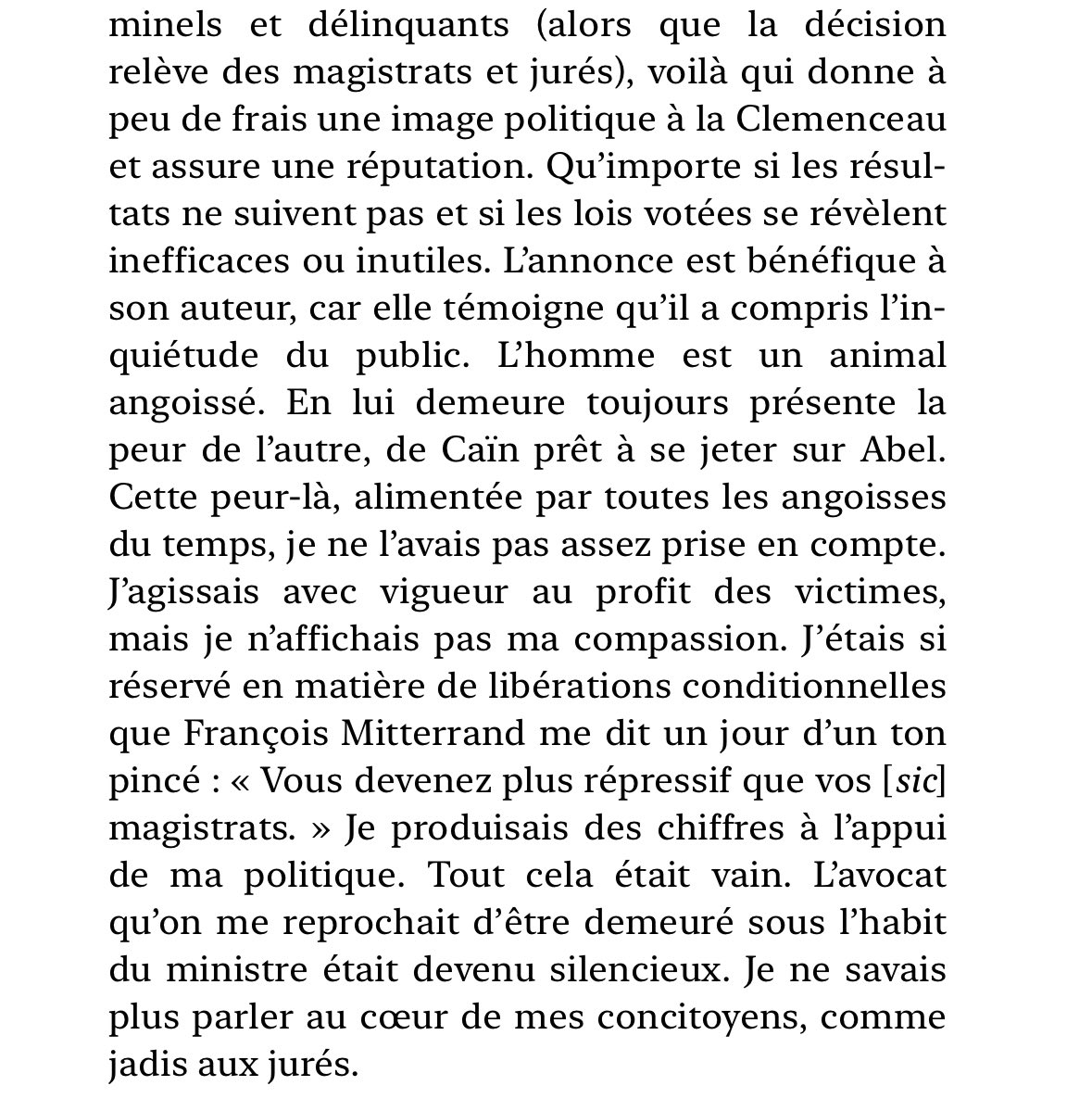
Je suis magistrat pénaliste depuis quelques années.
Des plaintes pour viol sur mineur, j’en ai traité.
Des femmes mortes de feminicide alors que nous avions traité des plaintes de la part de cette femme, j’en ai connues.
"Stephen King : All the Stories"!
Scheduled for september at @BDLpub, a new book titled "Stephen King : all the stories", written by 2 french academics, will be the "The first complete, in-depth examination of every work published in the immense oeuvre of the “King of Horror,” Stephen King, which serves as the ultimate illustrated resource of the development of a literary great."
Amazon pre-orders : https://t.co/oi3sdfFYUY
Many people have been bringing up the way Game of Thrones ended following the #StrangerThings5 finale, but the two are actually very different with how they got to the finales and the reactions they faced.
When Stranger Things concluded, it largely stayed true to its original intention: it began as an Amblin-esque, 80s nostalgia trip about friendship and "kids on bikes," and it ended that way. It didn't try to become a grimdark horror gorefest with a massive body count of corpses in its final hours. It respected the contract it signed with the audience in Season 1.
Game of Thrones also stayed true to its original intention, George R.R. Martin’s nihilistic deconstruction of fantasy, but unlike Stranger Things, that fidelity backfired. Why? Because the show became a victim of its own success. By the end, it was no longer just a story; it was a lifestyle brand that had spent a decade training its audience to expect the exact opposite of what the author intended.
1. The HBO Industrial Complex vs. The Narrative
By Season 8, Game of Thrones had ceased to be a niche political drama and had become a global merchandising economy. HBO marketed the series not as a tragedy about the corrupting nature of power, but as a team-sports blockbuster.
The Merchandising of the Macabre: You could buy "Team Targaryen" jerseys, House Stark banners, and endless Funko Pops. The marketing encouraged tribalism: pick a side, root for your "team," and await their victory.
The "Khaleesi" Phenomenon: The most damning evidence of this disconnect was the real-world impact. Thousands of parents named their daughters "Khaleesi" or "Daenerys." Fans got "Mother of Dragons" tattoos. The character was sold as an aspirational icon.
The Trap: When you encourage people to permanently ink a character onto their bodies or name their children after her, you lose the narrative freedom to turn that character into a genocidal dictator. When the finale aired, the audience wasn't just watching a plot twist; they were watching the show mock their personal, financial, and emotional investments.
2. The "Marvelization" of Westeros
As the budget ballooned, the show leaned into traditional blockbuster tropes to satisfy the mass market.
The Shift in Audience: The show attracted millions of casual fans who weren't looking for a critique of power dynamics; they were looking for the catharsis of the MCU. They wanted the "good guys" (Starks/Targaryens) to defeat the "bad guys" (White Walkers/Lannisters).
Spectacle Over Substance: The middle seasons trained the audience to expect last-minute rescues and cinematic victories (e.g., "The Battle of the Bastards"). When the finale abruptly swerved back to GRRM’s cynical roots, it felt like a betrayal. The show had spent years becoming a pop-culture cheerleader for Daenerys and Jon, only to punish the audience for rooting for them in the final episodes.
3. Trope Subversion vs. Mainstream Expectations
The core friction of the finale lies in the collision between George R.R. Martin’s literary deconstruction and the mass market's desire for a Hero’s Journey.
The "Mad Queen" (Daenerys Targaryen)
The Audience Expectation: Thanks to years of "Khaleesi" merchandise, the audience saw a Hidden Monarch returning to save the world: an Aragorn figure.
The Author's Intent: Martin intended to deconstruct the "benevolent dictator." He wanted to show that if you cheer for a conqueror burning "bad guys" in Season 3, you are complicit when she burns a city in Season 8.
The Clash: Because the showrunners rushed the execution, they skipped the internal psychological erosion required to make this turn tragic. Instead of a slow descent, it played as a "heel turn" for shock value. Fans who had named their children after her felt gaslit rather than challenged.
The "Prince That Was Promised" (Jon Snow)
The Audience Expectation: The "Chosen One" secret heir who defeats the Dark Lord and becomes the rightful King. This was the fuel for a decade of online theories.
The Author's Intent: Martin’s world views prophecy as a distraction. The "hero" doesn't get the reward; he gets exile. The "rightful heir" doesn't save the world; the broken boy (Bran) who can preserve history does.
The Clash: To a mass market primed for a Star Wars or Harry Potter ending, rendering Jon’s lineage irrelevant wasn't clever subversion; it was a "waste of time."
Stranger Things succeeded because it knew what it was and gave the audience the emotional payoff they signed up for. Game of Thrones failed because it tried to serve two masters: the visual scale of a Marvel movie (to please the masses and sell toys) and the nihilistic ending of a grimdark novel (to honor GRRM).
You cannot spend eight years building a franchise that encourages fans to get "Mother of Dragons" tattoos, only to remind them in the final episode that she is a genetically predetermined mass murderer. The show was a victim of the very popularity that made it a legend.
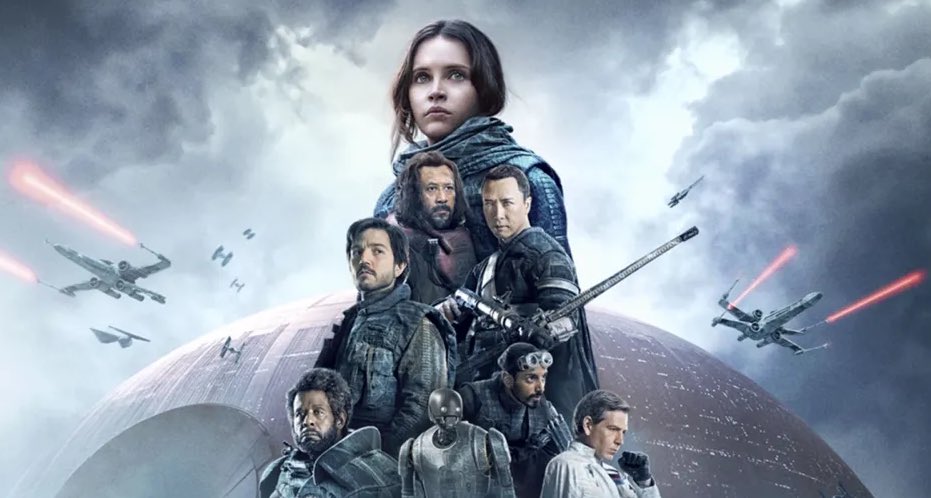
The profits/losses from the Disney-era ‘STAR WARS’ films have been revealed:
1. ‘The Force Awakens’ – $500.2M
2. ‘The Last Jedi’ – $324M
3. ‘Rogue One’ – $258.4M
4. ‘The Rise of Skywalker’ – $48.3M
5. ‘Solo’ – –$103.3M
(via https://t.co/HECRKWiBHK)
@ParamountPlusFR bonjour ! Je suis très étonné de l'absence de la S3 de Yellowjackets et du silence radio qui l'entoure en France. Avez-vous une date de diffusion svp ? 🙏
Révélation d'"un programme secret mis en place par Spotify pour remplir certaines playlists ultrapopulaires de morceaux créés par des auteurs fictifs, et diminuer ainsi la part des revenus à reverser aux artistes." Sidérant.
https://t.co/Kj29JQ91Y2
🔴 @AriaLavrilleux n'est pas mise en examen dans l'enquête ouverte pour "appropriation et divulgation d'un secret de la défense nationale", en raison de l'intérêt public des informations révélées par @Disclose_ngo !
Deuxième épisode de Marseille à ma fenêtre, une série de chroniques sonores réalisée et illustrée par Pascal Messaoudi pour Marsactu. Rendez-vous à l'hôtel de ville, d'où le maire Benoît Payan contemple le Vieux-Port.
➡️ https://t.co/XLzaZciQeQ
No one gave me first-hand evidence that this shot from "Seven" is a visual effects shot - but that didn't stop folks from insisting it's a visual effects shot!
So I went overboard and wrote a piece about long lenses, and also got first-hand confirmation.
https://t.co/3hpOvldTw0