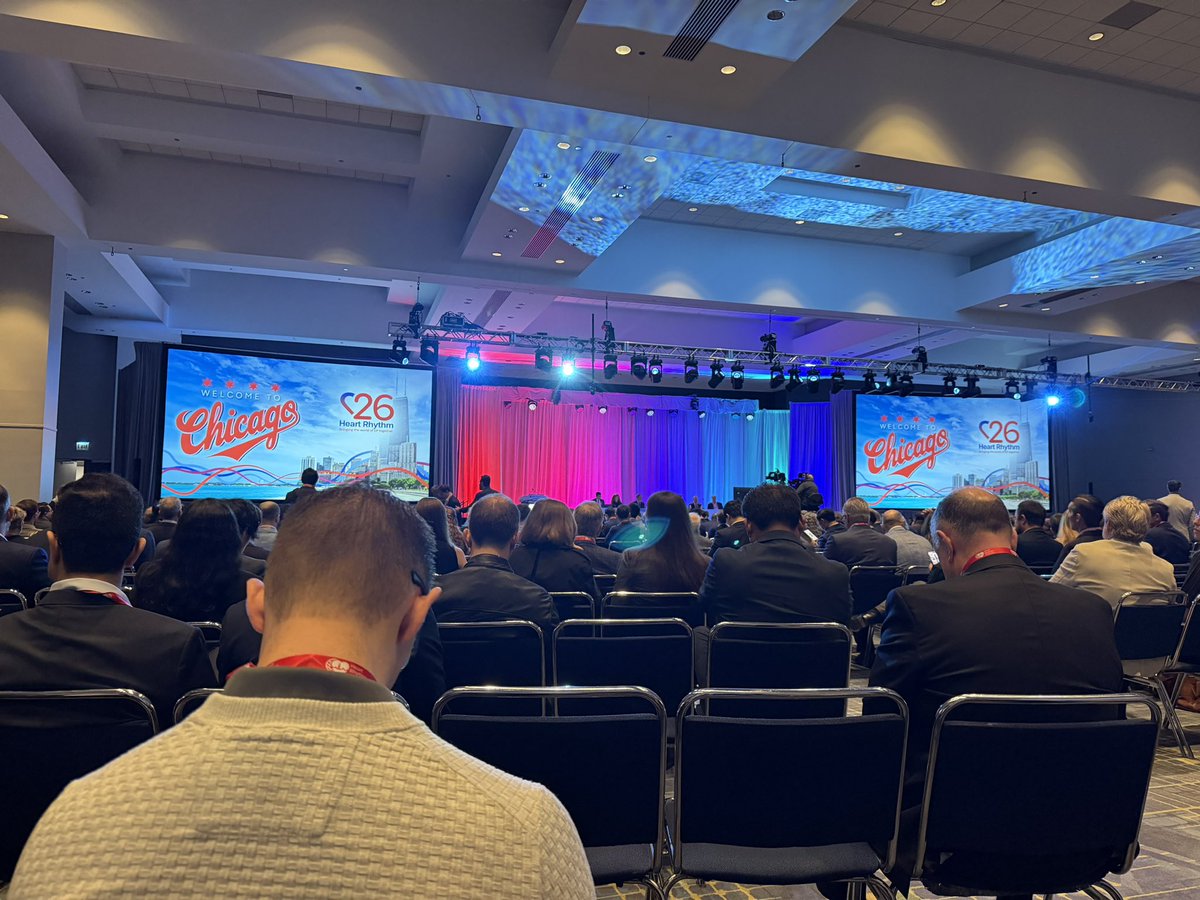
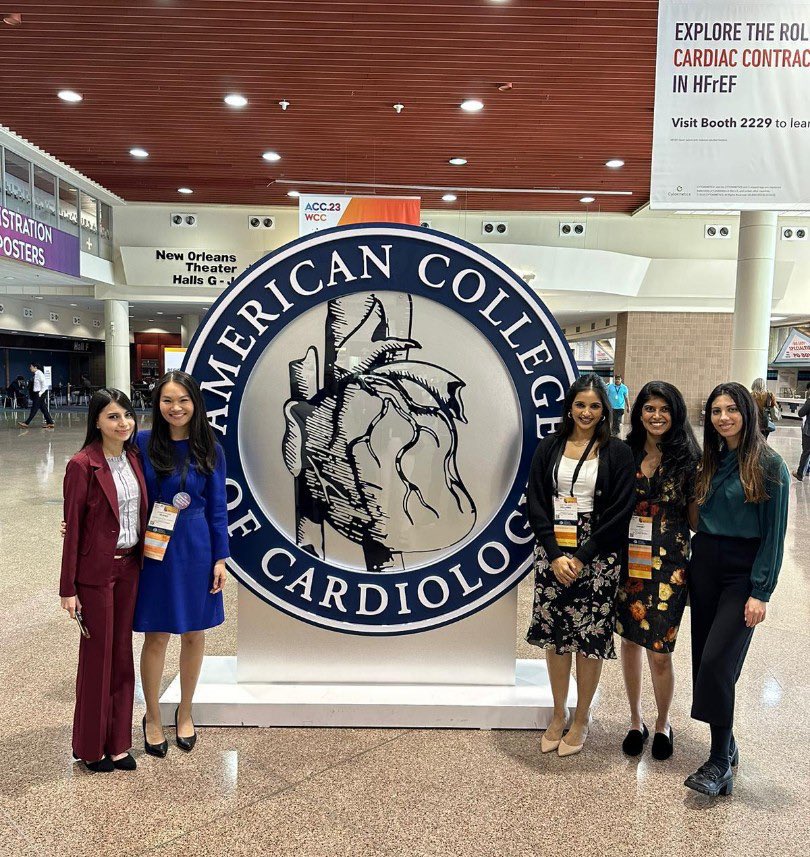
#HRS26! Back to my Midwest roots and a chance to reconnect with friends/meet new ones, learn complex anatomy, hear about what’s in the pipeline, and present a case of transhepatic access for a CS lead! And cherry on top - got to attend with my mom this year!
More than 10 years ago Oussama and I started our journey of investigation, trying to the define the optimal first treatment for patients with atrial fibrillation.
Separately we pursed randomised studies in populations with treatment-naive paroxysmal AF.
Five years ago we presented our RCTs in the paroxysmal AF population, which ended up sitting side by side in the same issue of the New England Journal of Medicine.
https://t.co/DWgHQ2VhiJ
https://t.co/z346xqq0jg
Since then we have been working together to examine the same question of optimal initial therapy, but instead looking at patients with more advanced forms of atrial fibrillation.
Today Oussama presented the results of the AVANT-GUARD study, which definitively demonstrated the value of initial catheter ablation in the treatment naive persistent AF population.
Like EARLY-AF, AVAT GUARD used implantable cardiac monitors to evaluate arrhythmia endpoints
Like EARLY-AF - initial catheter ablation reduced recurrences in AVANT GUARD by about 50%, which was about 25% in absolute terms. To put this another way, only 4 patients need to be treated with ablation to prevent a recurrence of arrhythmia.
However, binary recurrence doesn’t tell the whole story. Because we had loop recorders we were able to assess the time spent in AF (or AF burden). In this regard significantly more patients had none or negligible burden after ablation (<0.1%), with significantly more AAD treated patients having a very high burden (>5%). This is important as AF burden is associated with clinical outcomes such as hospitalisation.
In terms of risk - the rates of any adverse event or serious adverse event were comparable between randomised arms. Highlighting that persistent AF patients with high CHADS-VASc score are high risk irrespective of treatment provided. This is important as we reflect on treatment options as part of shared decision-making.
Congratulations to Oussama for the presentation and leadership, to the co-investigators and study sites for their participation and dedication, and a huge thank you to the Boston Scientific team for their support and commitment to advancing science.
To end, I want to acknowledge and thank Oussama for this shared journey, I’m grateful for our collaboration and friendship, and look forward to what we will do next.
An inspiring and informative weekend with @BSCCardiology learning all about PFA! Love learning about the changing landscape of EP and getting advice from people in the field
We had an amazing time learning & trying out @dexcom G7 and Stelo today! We cardiology fellows are getting more & more interested in glucose (even in non-diabetics) bc it’s a CV risk & an avenue for risk reduction! @JessHuangMD @CardiBeatMD
TW: suicide
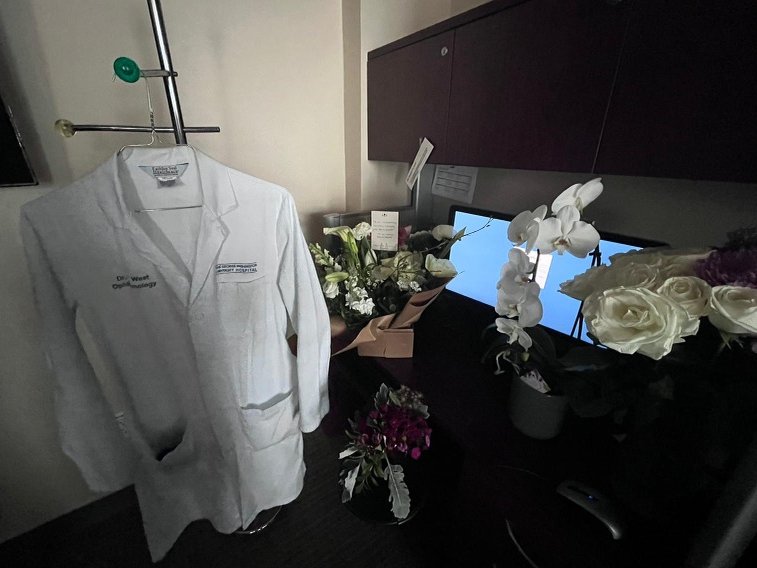
There is an empty corner desk in a resident workroom at GW. Now forever engraved in my mind, that desk is a harrowing reminder of the cost of medical training. In his final words, Dr. William West said that he was simply out of gas, that he had nothing left to give.
Today we honor Dr. William West, who died by suicide.
His family writes, “We hope systemic changes can be made to support aspiring medical professionals better. This is critical. We don’t want any other families to experience tragedies like this.”
#GWProud of the awesome #GWIMRes who will soon share their skills across the nation as fellows in their desired fields. 🎉
Another 100% GW resident match thx to outstanding work by these talented residents, @gwsmhs fellows & faculty who supported them along the way! 👏🏾#ProudPD
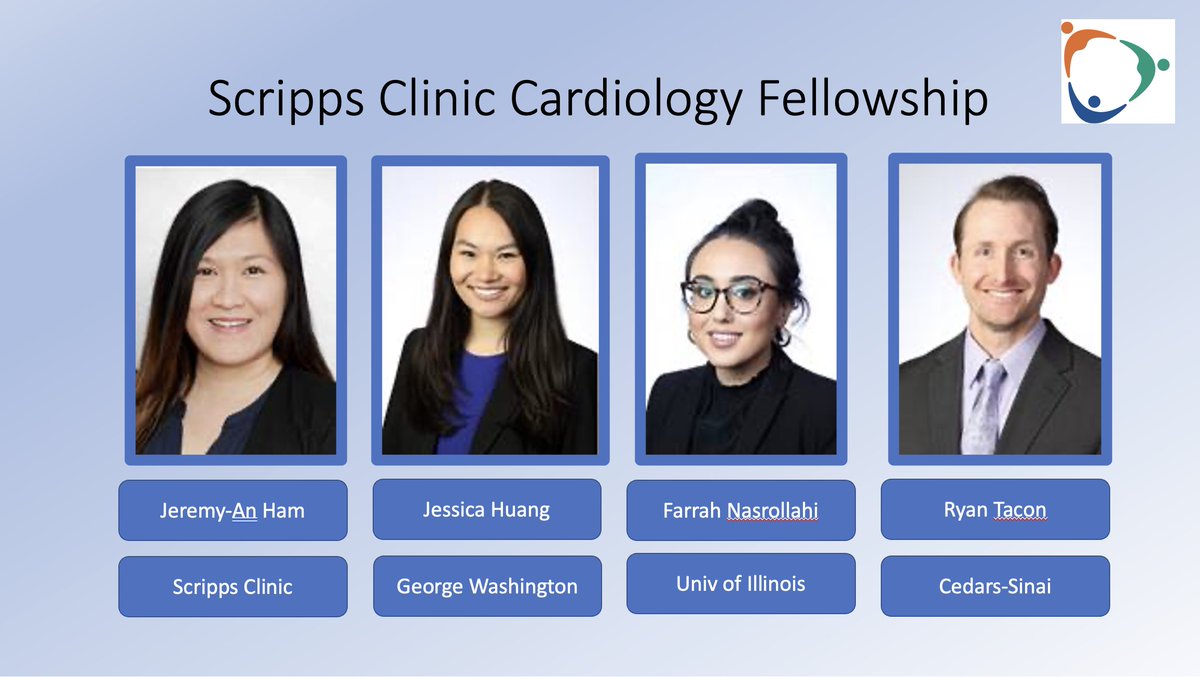
We are thrilled to have four incredible, brilliant, & each uniquely accomplished new fellows joining our Scripps CV family next year. Big congratulations to them & all who participated in the #cardiology#match. The future is bright 💡🫀
#GWProud#GWIMRes Scholars nailed their thoughtful analyses & #healthpolicy solutions to address some major issues impacting public health.
@RFHP_GW - TY for this amazing opportunity for residents to learn from policy, public health, and community thought leaders.
#hope
Amazing 3 weeks learning about health policy with @RFHP_GW! So many great speakers/discussions that have made complicated topics slightly less complicated! 😊 @GWSMHS@GWpublichealth
For #AAPIHeritageMonth, we’re taking a look 🔎 at CV care in these communities.
Read a #JACCAdvances article highlighting racial disparity in preeclampsia outcomes at delivery for Asian/Pacific Islander women ➡️ https://t.co/0cae5nXnvA #JACCAdvances#CardioObstetrics