Professors: how often do you send a first draft of your own manuscripts to your grad students for optional feedback?
A good idea so they can see how much you edit your own papers before submission?
Or a bad idea?
Ignoring spatial dynamics in predator-prey interactions can lead to suboptimal fisheries management 🌊
Novel stomach data reveal spatial variation in shrimp predation in Norwegian fjords, with implications for rebuilding and maintaining populations 🦐
🔗 https://t.co/S40QSydBej
📢 Early Career Scientists, have we got the opportunity for you!
ICES #SIIECS is seeking nominations for an ECS keynote speaker for 2024 Annual Science Conference in Gateshead, UK.
➡️ Nominate your colleague - or yourself: https://t.co/0eKHA9udns
🗓️ Deadline: 8 December
FoodUnfolded hosts a series of Dialogues focused on bringing millennial voices & perspectives on food systems to the @UN@FoodSystems.
Join in and express your opinion on "Aquaculture: Can It Sustainably Feed the World?"
Some clarity about fisheries in a time where fake facts are spreading like covid-19.
Can fisheries be sustainable?
https://t.co/d7IO5oZwWS
Fact-check your knowledge on fisheries ;)
https://t.co/JY5mHGjtGy
Dyk ned i @WWFdk katalog af fede undervisningsmaterialer til de lidt ældre børn om havnatur, fiskeri, klima m.m. Film, podcast, animationer. https://t.co/OBkogzdkS5 https://t.co/PqubECv0mB
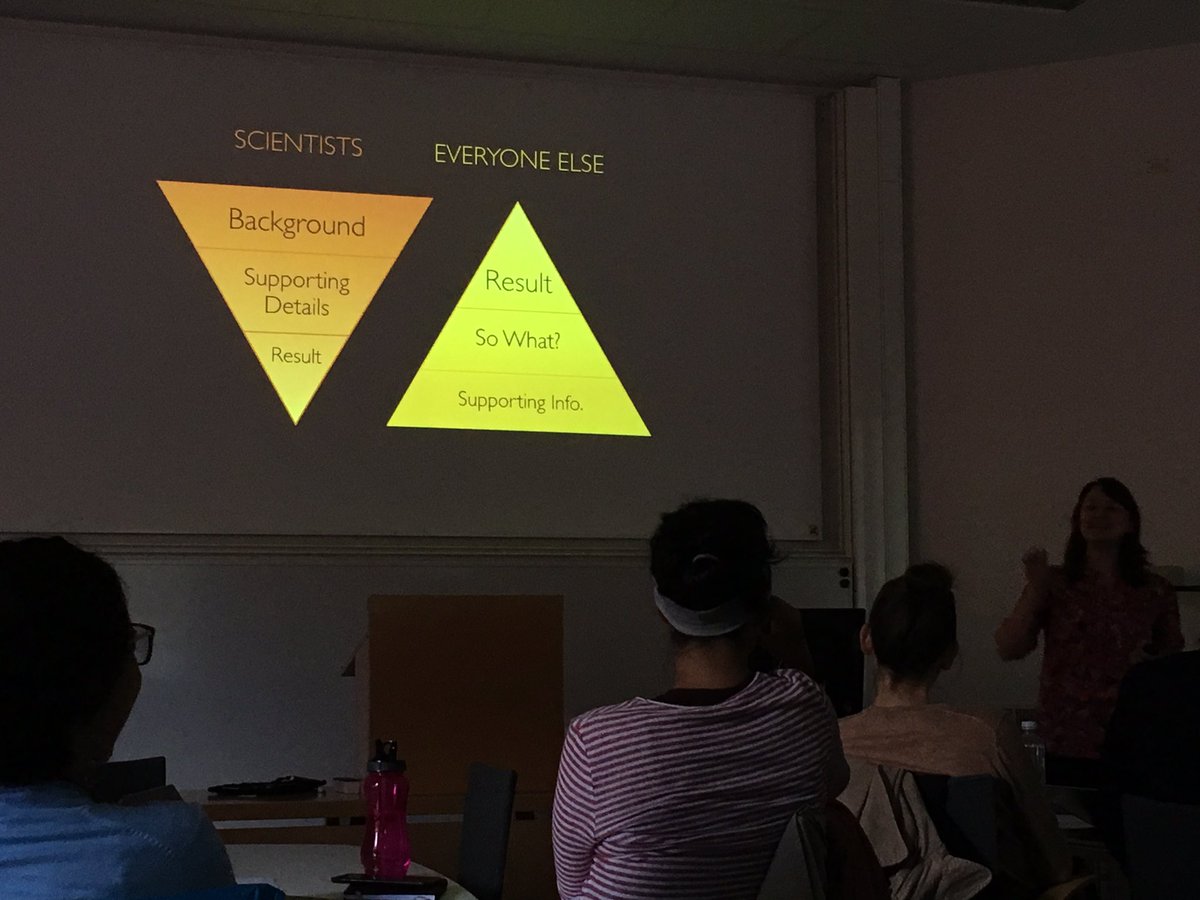
First lesson learned from the #ICESASC19 conference,
As a scientist trying to communicate your science - remember the difference in people’s’ interests. #COMPASSworkshop#sciencecommunication
Every year, 30 million tons of fish are discarded. As guest contributor Jessica Tengvall explains, this wasteful practice is a problem that stems from regulations and economics.
https://t.co/0oPkjtGCBc