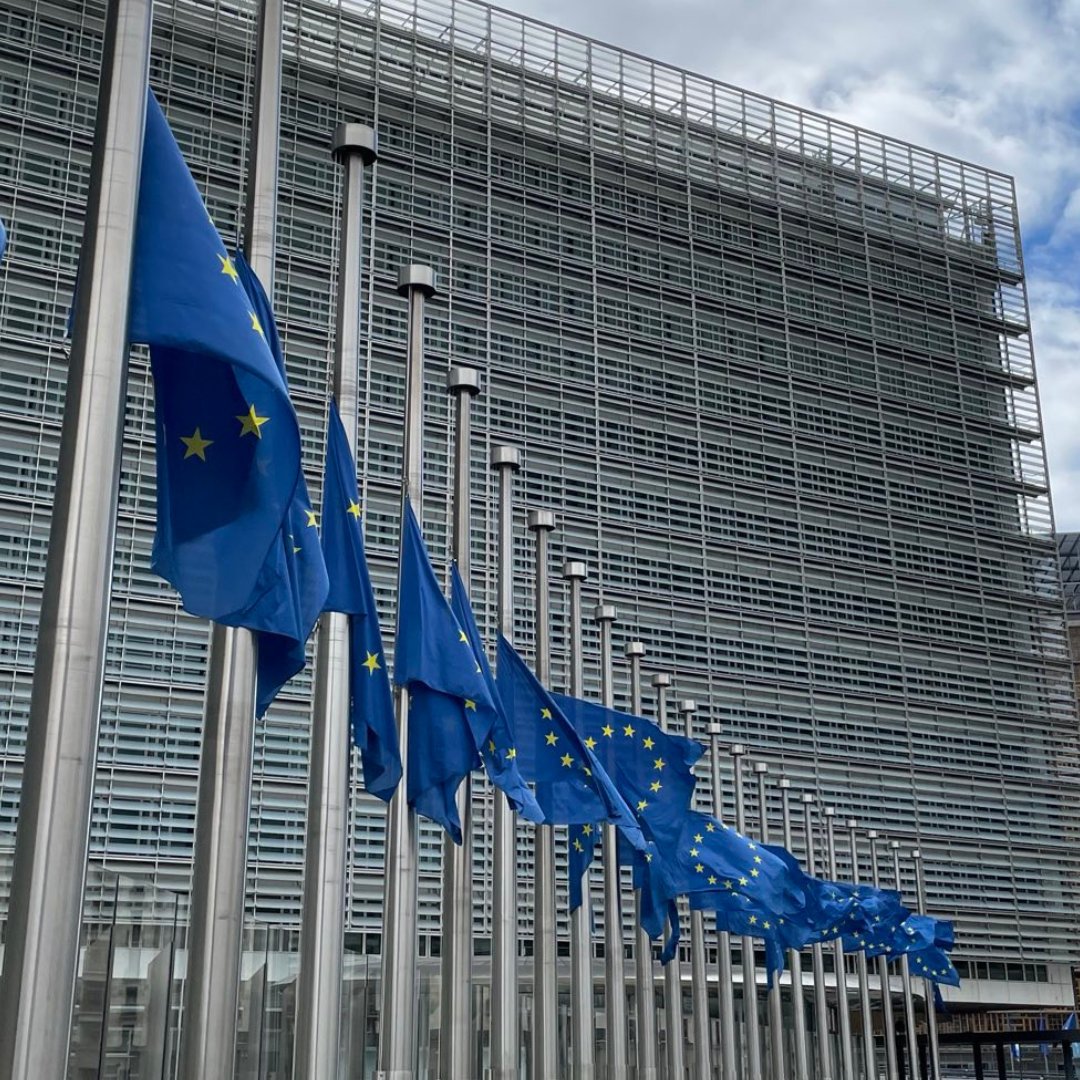
Gracias, @perezreverte, por incluir un guiño a la escena de la Batalla de Rocroi que se me quedó grabada para siempre en la memoria cuando la vi en la sala de cine, hace ya muchos años. Refleja lo mejor de lo que somos. Mis respetos al Capitán.
Unlike doctors, who often have only 5–10 minutes per patient, AI can spend as much time as needed to analyse and connect all this data after a thorough review of your “health KPIs”. Prevention, supported by data, can be a real game changer. 3/3
I meet dozens of AI Health startups every week and can tell you this is a big deal. Most of them will become redundant once this gets adoption. Your medical triaging, nutrition, fitness training, rehab, mental health all in one place.
In Europe, I also believe these functionalities will be used to check symptoms before booking an appointment with a doctor, and to monitor health and certain conditions through KPIs shared via wearable devices (e.g., Apple Watch) and test results uploaded by users. 2/3
Qué bonito es ver y escuchar a profesionales que disfrutan haciendo su trabajo, como el magnífico director del Concierto de Año Nuevo, Yannick Nézet-Séguin, y el locutor y comentarista @martinllade de @radioclasica. Un concierto muy especial.
MCKINSEY JUST DROPPED THEIR 2025 AI REPORT.
HERE’S THE TLDR:
1/ 90% of companies “use AI,” but 67% are still stuck in pilot mode. Corporate AI theater is alive and well lol.
2/ 62% of orgs are experimenting with AI agents, 23% are scaling AI agents. Most are in tech and healthcare.
3/ The impact gap is massive. 64% say AI helps innovation, but only 39% see real EBIT gains.
4/ The high performers (top 6%) think bigger. They rebuild workflows, set growth goals, and invest real budgets not just POCs.
5/ Leaders who own AI personally are 3x more likely to scale it. Makes sense.
6/ The winners use AI to transform how work gets done, not just speed it up.
7/ The average company measures efficiency. The best ones measure how fast their agents can act.
8/ Risk management is catching up with 51% have already seen AI backfire, mostly from inaccuracy.
9/ The workforce impact is foggy. 32% expect cuts, 13% expect growth, everyone else is guessing.
10/ AI adoption is mainstream, but true transformation hasn’t started. Early days.
McKinsey just dropped its 2025 AI report.
1. Everyone’s testing, few are scaling.
88% of companies now use AI somewhere.
Only 33% have scaled it beyond pilots.
2. The profit gap is huge.
Just 6% see real EBIT impact.
Most are still stuck in “experiments,” not execution.
3. The winners think bigger.
Top performers aren’t cutting costs. They’re redesigning workflows and creating new products.
4. AI agents are emerging.
23% are testing agents.
Only 10% have scaled them (mostly in IT and R&D).
5. The jobs shift is starting.
30% of companies expect workforce reductions next year, mostly in junior or support roles.
TL;DR:
AI adoption is nearly universal. Impact isn’t.
The gap between pilots and profit is where the next unicorns will be built.
In @nytopinion
“A.I. is no less a form of intelligence than digital photography is a form of photography,” the philosopher Barbara Gail Montero writes. “And now A.I. is on its way to doing something even more remarkable: becoming conscious.” https://t.co/XS73UY5pQs
¿Búsqueda de la eficiencia o innovación en nuevos modelos de comunicación y marketing gracias a la #IA? ¿Hay que elegir? Comparto algunos consejos e ideas en el tercer número de IA para Comunicadores. ¡Gracias por la buena acogida de la newsletter! https://t.co/7QxObVryRt
Esta newsletter busca compartir aprendizajes, tropiezos y trucos para comunicar más eficazmente gracias a la IA. Estará basada en experiencias reales fruto de la implementación intensiva de la IA desde hace más de dos años. ¡Ojalá os resulte útil! #IA#AI https://t.co/990bygEkTf