A concession vendor at Wrigley Field, photographed in 1975.
Wrigley Field in the 1970s embodied a classic baseball atmosphere. Its ivy-covered outfield walls, hand-operated scoreboard, and nearby rooftops packed with fans gave the park a character that felt unchanged by time. Long before luxury suites and modern stadium renovations became common, it offered a distinctly old-school ballpark experience.
Baseball in the 1970s was rooted in tradition and local pride. Teams such as the Chicago Cubs attracted devoted fans despite years of disappointment, and the game emphasized fundamentals, pitching, defense, and small-ball strategy over power and spectacle. Players were often hometown heroes rather than international celebrities, forging strong connections with their communities. At Wrigley Field, that era captured a uniquely authentic chapter of baseball history, where the game was woven into the identity of the city and the rhythms of a Chicago summer.
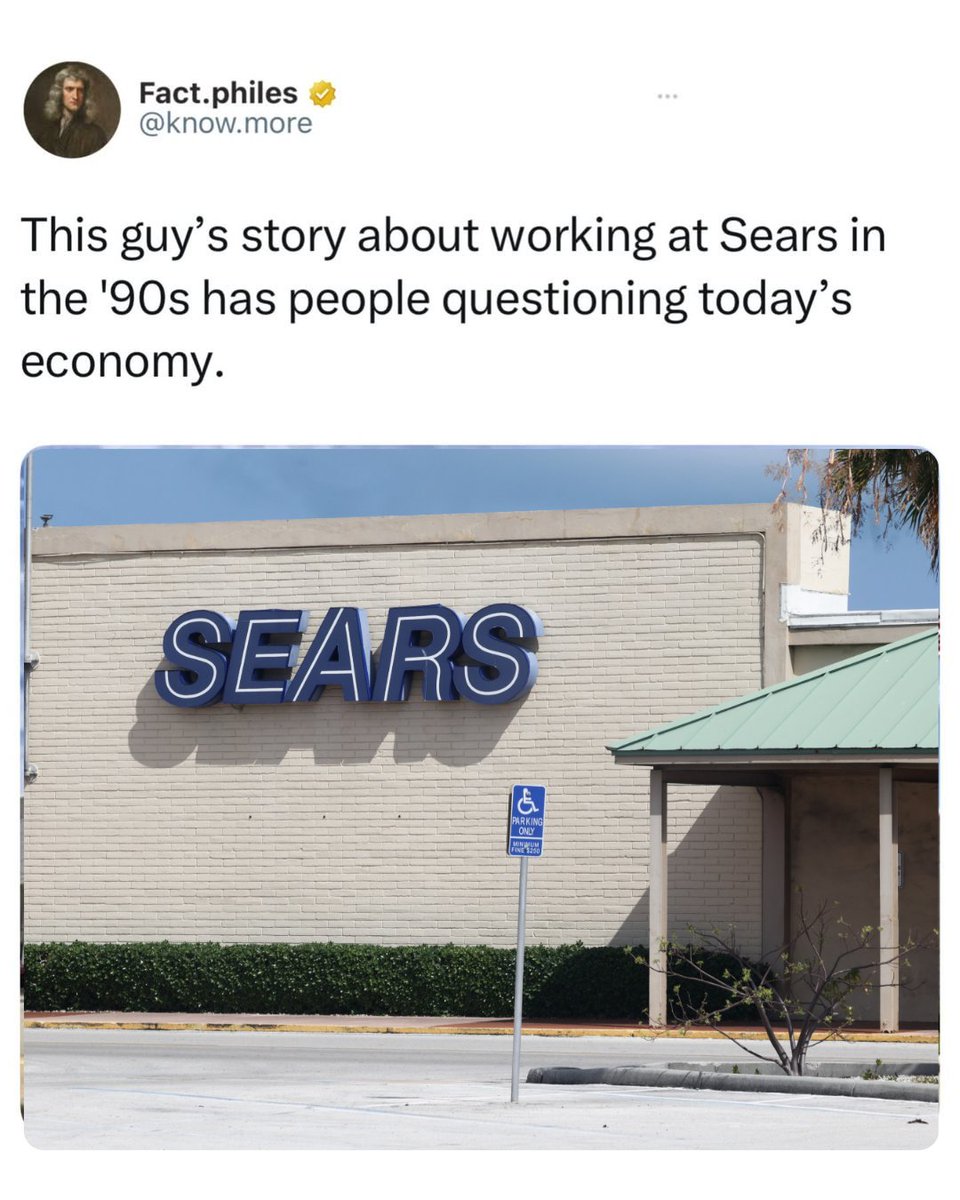
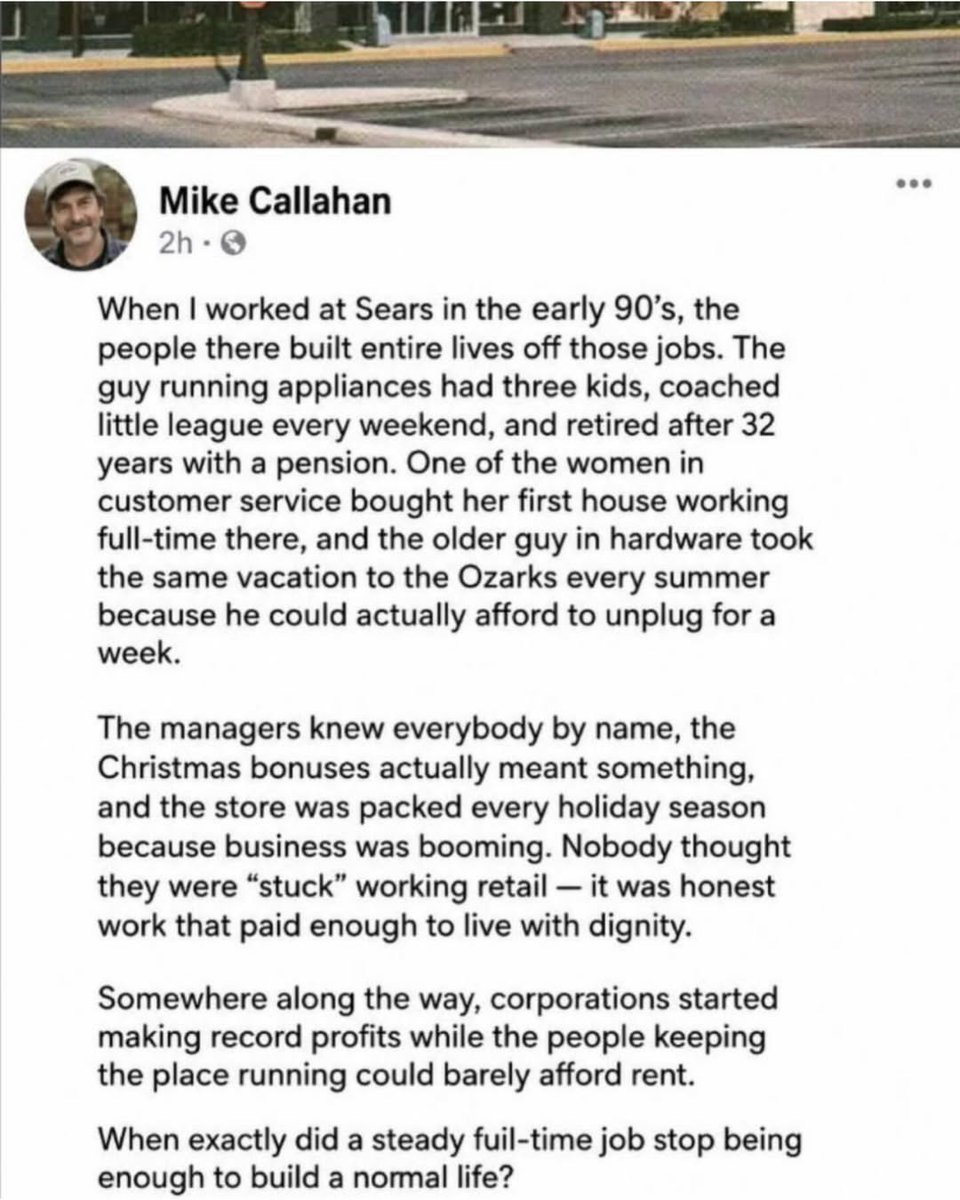
This Sears story is sparking debate about today’s economy.
A man’s viral reflection on working at Sears in the early 1990s has social media debating the reality of today’s economy. He described coworkers in customer service, hardware, and appliance sales living what he called “normal middle-class lives” through full-time retail work alone.
(via /fact.philes 📸: Getty)
@PeteHegseth You think this is all some video game you can play w/people’s lives. You’re so far beyond unqualified it’s pathetic. You’ve weakened us by carelessly, recklessly emptying our weapons stockpiles on Iran, making us vulnerable. It isn’t a fucking game! You put ALL Americans at risk!