Black biologist, PhD student at Instituto de Biociências-USP. Seaweed nerd interested in taxonomy, systematics, evolution and botanical collections. He/Him
Happy to share our publication with a new tropical genus and species : “ Phylogenetic analysis of the Cladophora coelothrix complex, including the description of the new genus Leliaertia”
https://t.co/3SGH8eg8ve
Harley et al. (2012) reviewed the effects of climate change on #seaweed populations, communities, and ecosystems. They also suggested research priorities to address unknowns that limited predictions a decade ago.
Revisit the paper: https://t.co/JsIo896ZPv
#SeaweedDay
Happy #SeaweedDay!
These red, green, and brown #algae play important roles in supporting marine habitats, mitigating climate change, and providing food.
Over the next week, we will share 5 of the most highly-cited #seaweed papers published in #JPhycol over the years.
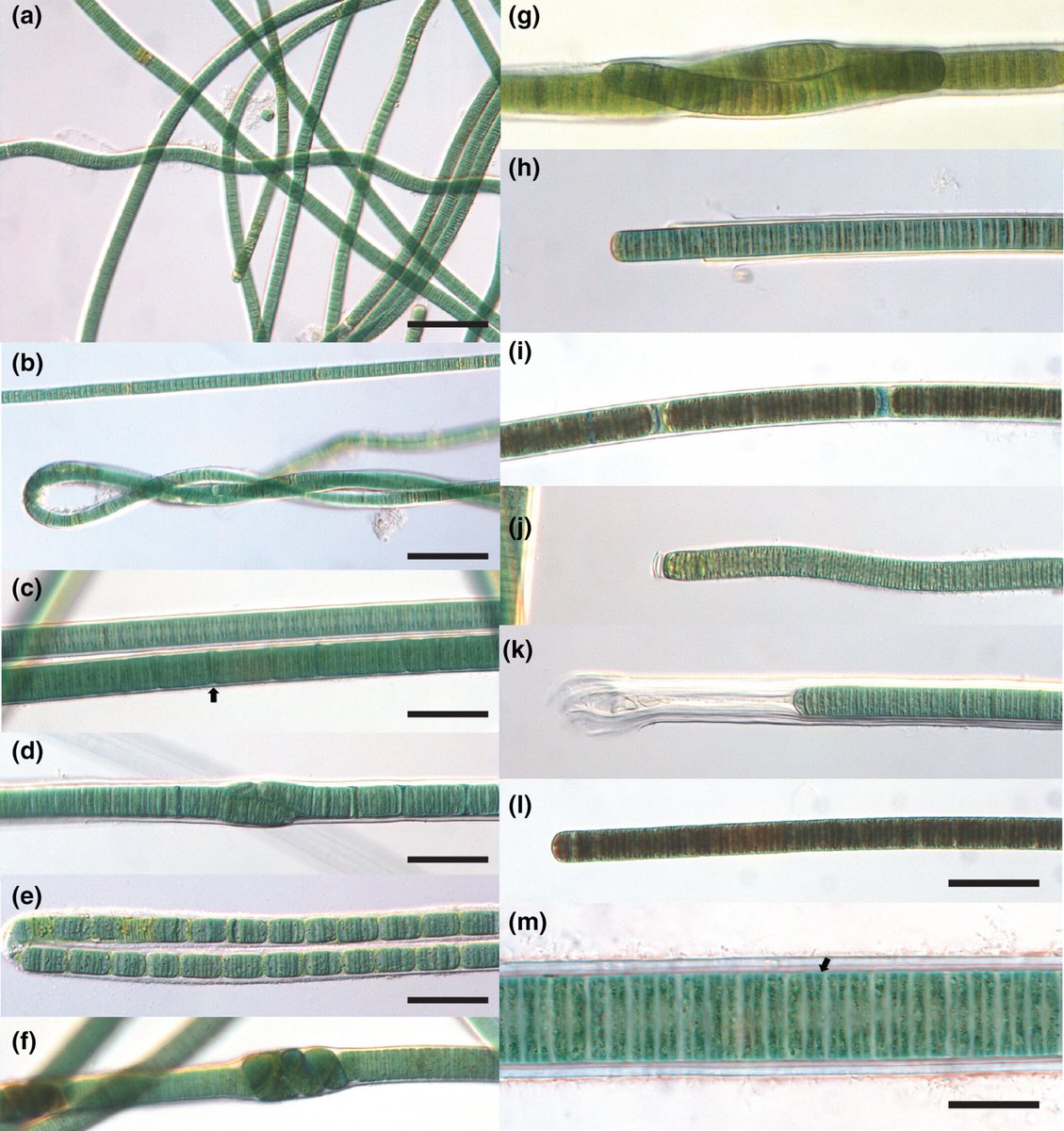
Vondrášková et al. have modernized 3 classically described cyanobacterial generitypes.
Discover how they obtained an epitype for a species that hadn’t been reported in a century and revealed insights into the taxonomy of an eagle-killing #cyanobacteria: https://t.co/G2OUFqYDSW
DNA #sequencing has rapidly improved taxonomy of #benthic#cyanobacteria. Using a polyphasic approach, Moretto et al. have added a new genus to the growing list.
Read about Floridanema—a taxa whose sequences were originally classified as Phormidium—here: https://t.co/UbN4XV64f0
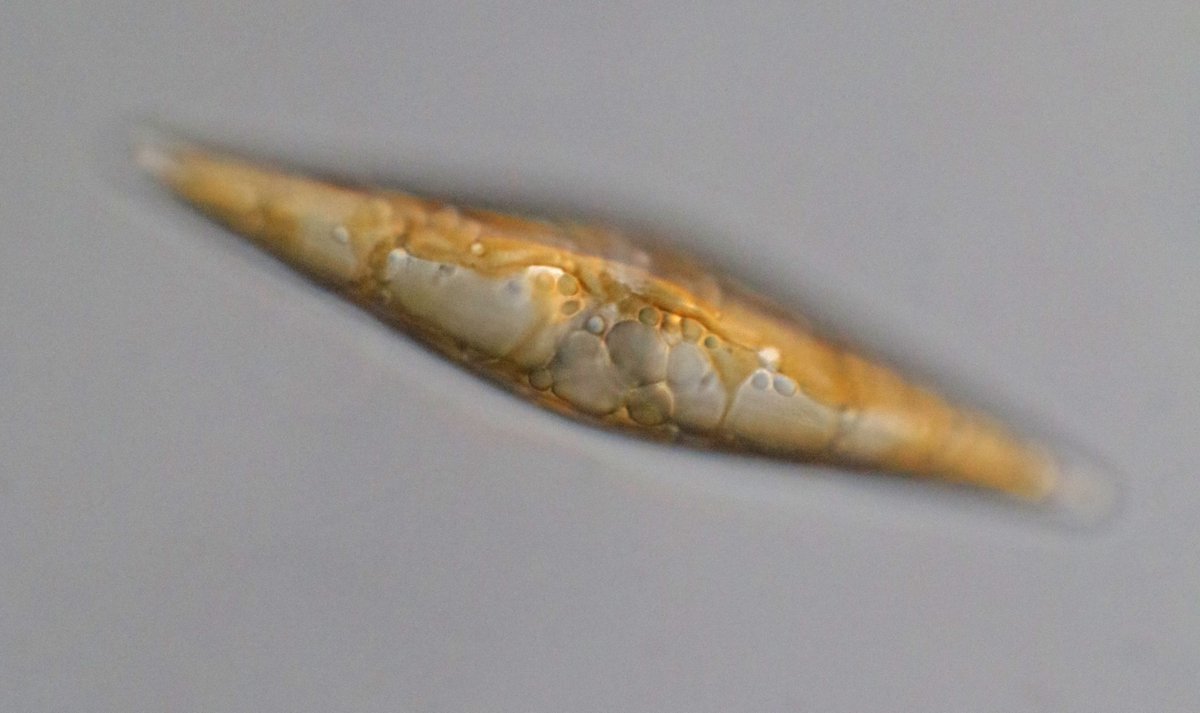
Sequencing tufts of red #algae has revealed some new kids on the rocks!
Brito & Cassano describe three new Brazilian species in the cryptic Bryocladia scopulorum complex.
What other members of this tiny taxa are we overlooking? https://t.co/jY8ddBgP83
#Algae had billions of years to diversify into 14 phyla. You probably have less than 100 years to learn about them all.
Enter: “The algal phyla”, #JPhycol Perspective series where experts introduce algal lineages in an accessible way.
Read more here: https://t.co/q1iRAAngly
Our findings increase the previously known diversity of Bryocladia scopulorum from 12 to 15 species and highlight the need to explore the diversity of small species. The complete research is available now at @JPhycology
Three new species of Bryocladia from Brazilian coast!🌊
In this paper we investigate the Bryocladia diversity in Brazilian coast using morphological and phylogenetic data. 🔬🧬🌱
https://t.co/zYzwpDvZUJ
Are you excited for the 2025 PSA Annual meeting?
¿Estás emocionado por la reunión anual de PSA 2025?
https://t.co/TRZUSntG4G
#algae#seaweeds#phytoplankton
Programa #FAPESP para o Atlântico Sul e Antártica lança nova chamada. O edital prevê dois ciclos ao longo de 2025, com datas-limite de submissão em 30 de abril e em 4 de agosto. Serão apoiados projetos em todos os temas relacionados à pesquisa oceânica https://t.co/WDfiBA8yqV
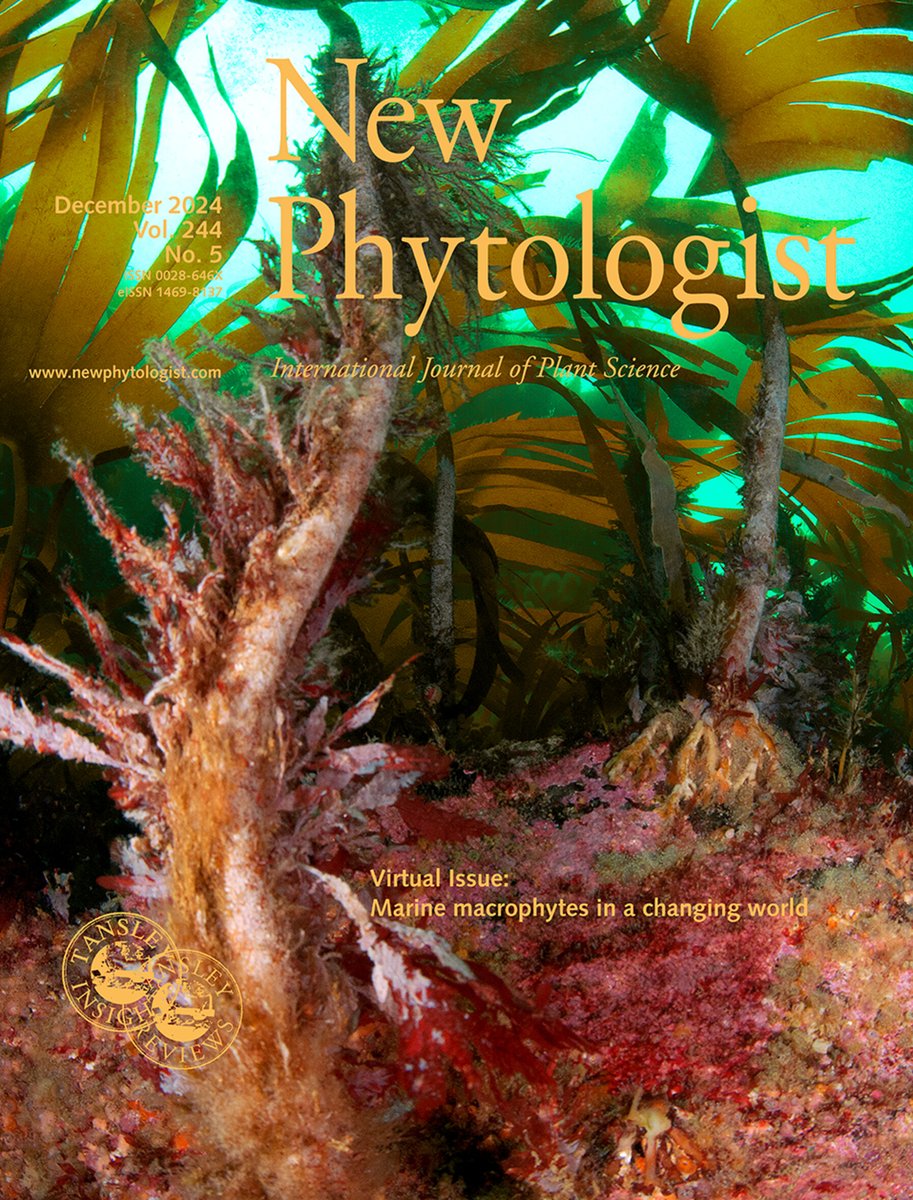
Virtual Issue: Marine macrophytes in a changing world
Key papers published in New Phytologist, which have shed light on the responses of #seagrasses and habitat-forming #macroalgae to environmental change, and the biological processes underpinning them.
https://t.co/zfOZgvHc6N
Fully-funded AHRC PhD studentship on 'Understanding ‘Place’ in Historical Botanical Collections: science, commerce, empire, and the early-modern herbarium'. Come and work on the Sloane Herbarium! For details, see: https://t.co/wzXTEAEXu2
Job opportunities!
We are currently recruiting for the following roles:
* Collections & Digitisation Assistant
* Herbarium Collections Manager
* Research Assistant / Research Associate
* Research Laboratory Technician
Find out more and apply:
https://t.co/QQI5gQLXFr