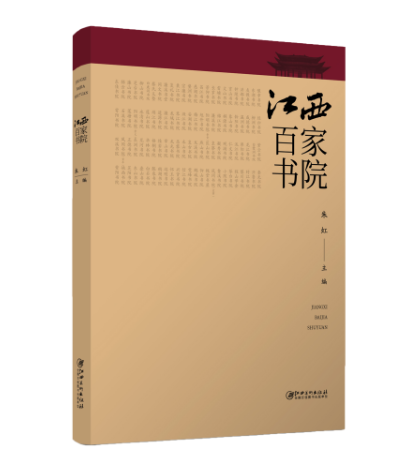
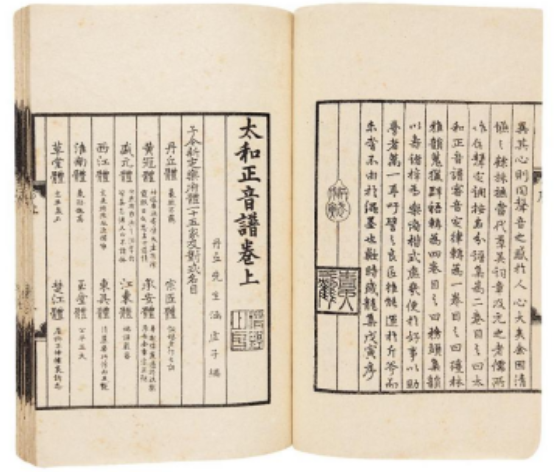
Jiangxi's 100 Academies has been published, showcasing the history, architecture, educational traditions, and cultural legacy of 100 academies across Jiangxi. The book offers readers a glimpse into the province's rich scholarly heritage and enduring cultural spirit.
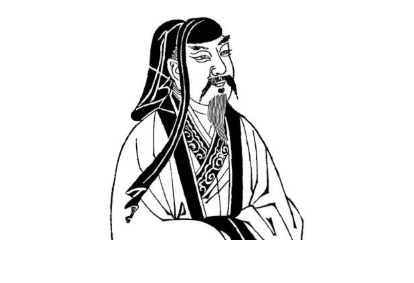
Yan Jidao, a renowned poet of the Northern Song Dynasty, was born in present-day Jinxian County. Together with his father, Yan Shu, he is remembered as one of the “Two Yans,” whose works helped shape Jiangxi’s literary heritage and continue to influence Chinese literature today.
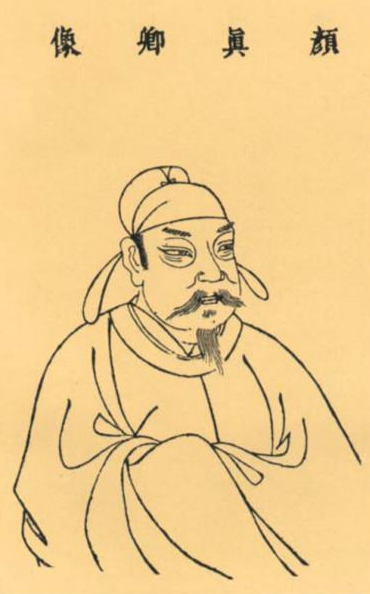
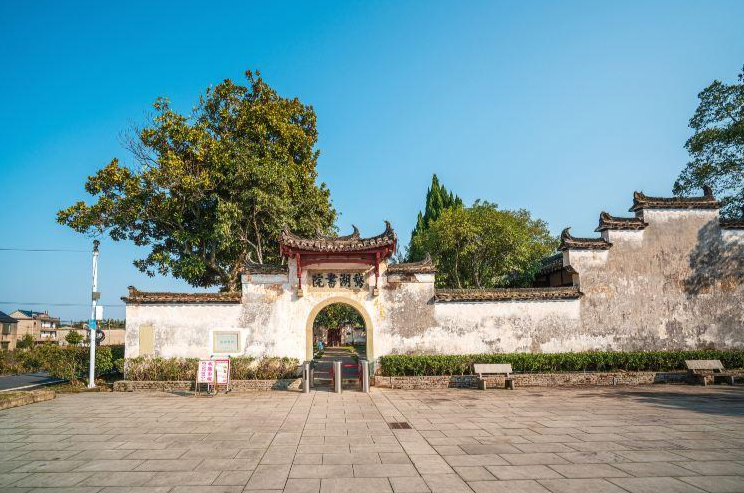
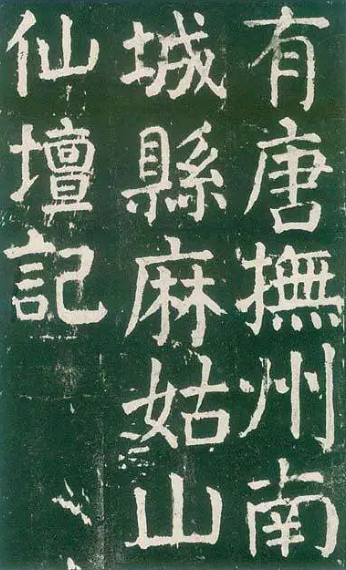
Yan Zhenqing, one of China’s most celebrated calligraphers and statesmen, shared a deep connection with Jiangxi. During Tang Dynasty, he served in both Ji’an and Fuzhou, where his dedication to governance and culture left a lasting legacy that continues to influence the region.
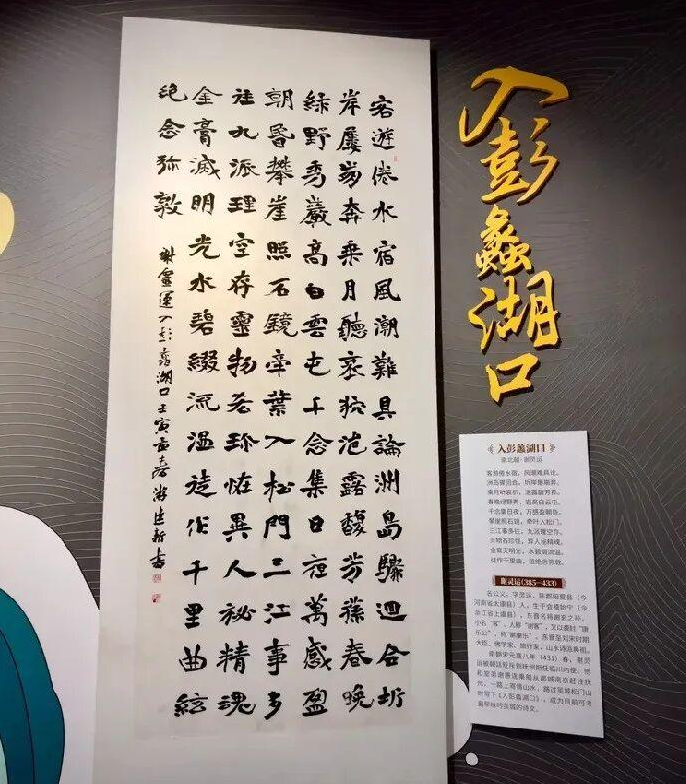
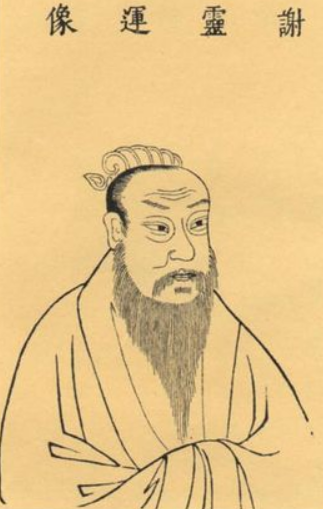
Xie Lingyun, the founder of China’s landscape poetry tradition, shared a deep bond with Jiangxi. His 2 most renowned titles, “Xie Kangle” and “Xie Linchuan,” both bear ties to Jiangxi, where he spent the final years of his life and created some of his most enduring masterpieces.
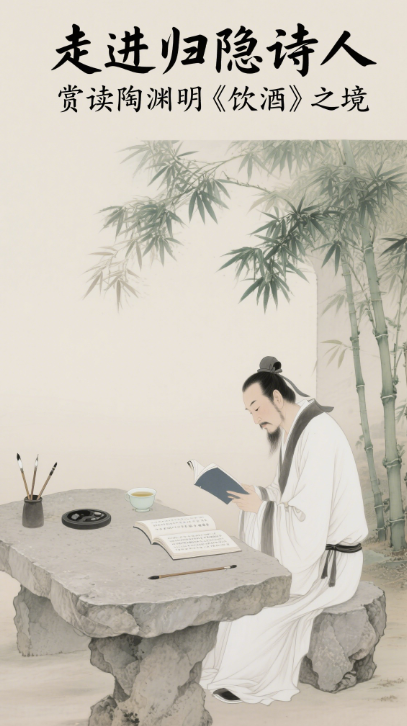
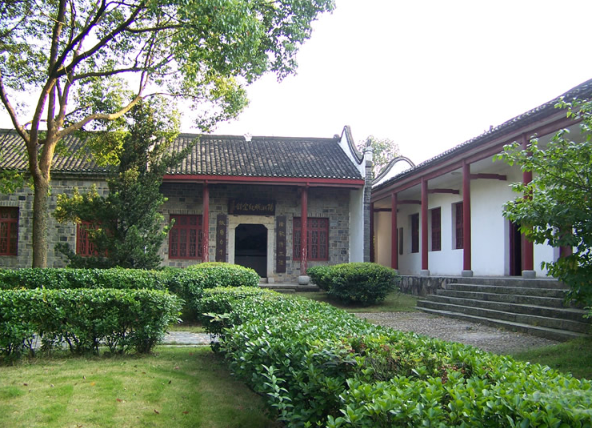
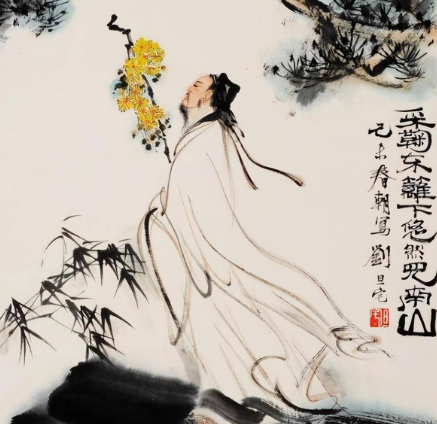
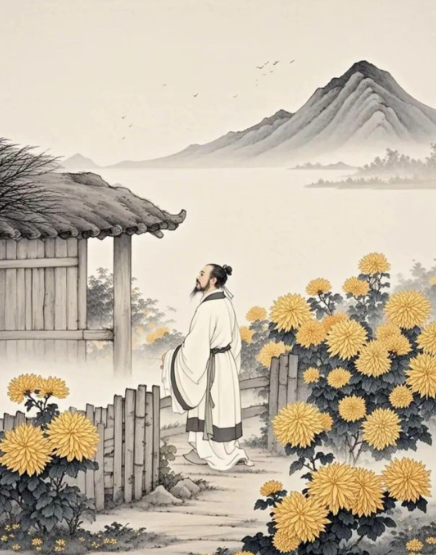
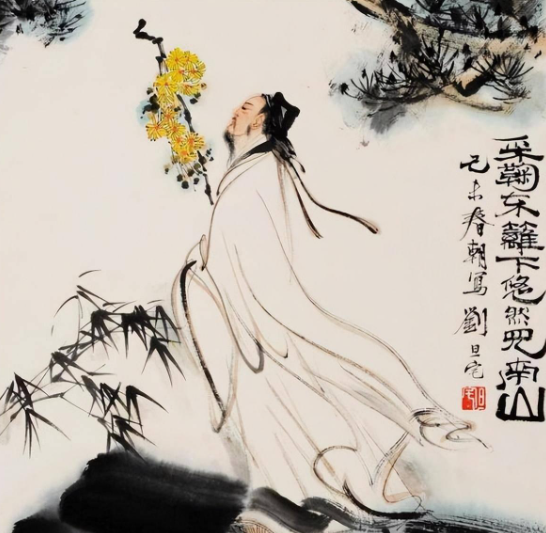
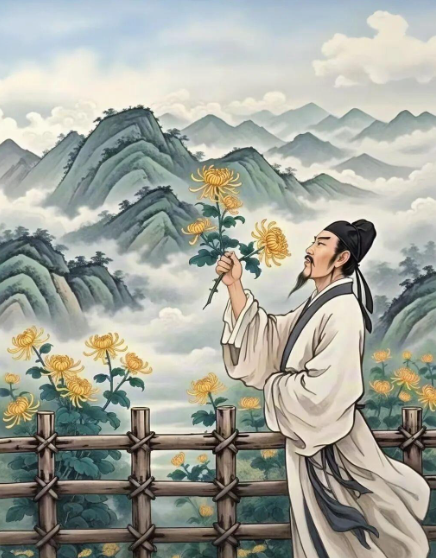
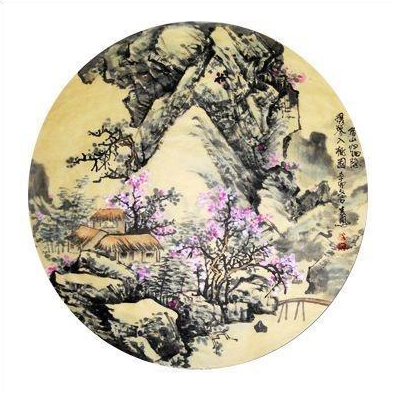
Tao Yuanming, born in Chaisang of present-day Jiujiang, is widely regarded as the founding figure of China’s pastoral poetry tradition. After resigning and returning to Chaisang, he transformed the place into a lasting cultural symbol of freedom, nature, and pastoral living.
The works of Tao Yuanming have been passed down for over a thousand years, transcending borders to become a shared cultural treasure. Widely studied in East Asia and the West, he is regarded not only as a literary icon, but also as a timeless cultural symbol.
Tao Yuanming is regarded as a timeless treasure of Chinese culture. Known for his poetry and his refusal to “bow for five pecks of rice,” he became a lasting symbol of integrity, freedom, and spiritual independence. His spirit has inspired generations of scholars and writers.
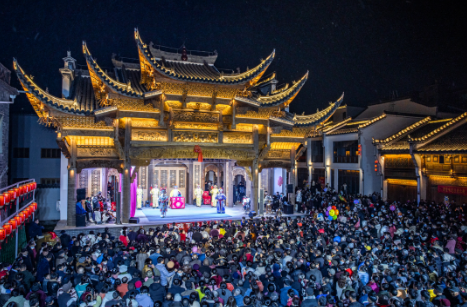
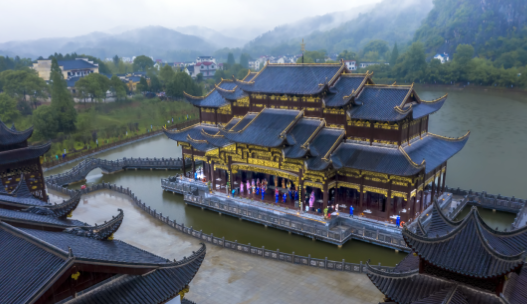
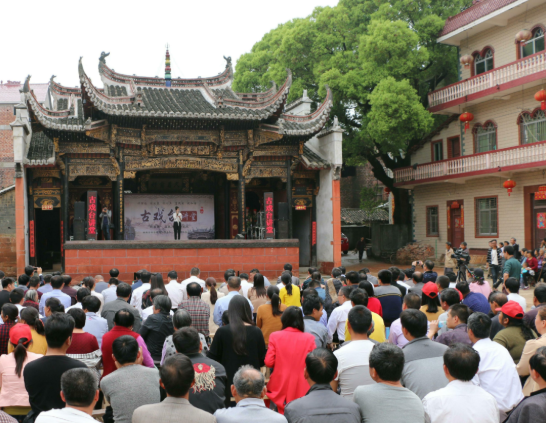
In Leping, the legacy of ancient opera stages continues to thrive today. Recognized as a national intangible cultural heritage in 2014, Leping’s traditional opera-stage construction craftsmanship is now carried forward by 75 representative inheritors and 20,000 practitioners.
In Leping, ancient opera stages tell stories carved in wood and stone. Across this city of just 1,980 sq km, over 500 ancient and traditional-style stages still remain. Known as the “Museum of Ancient Opera Stages,” Leping is a living symbol of China’s enduring cultural heritage.
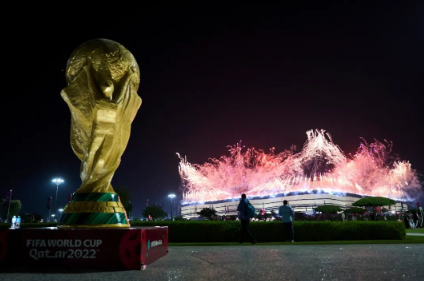
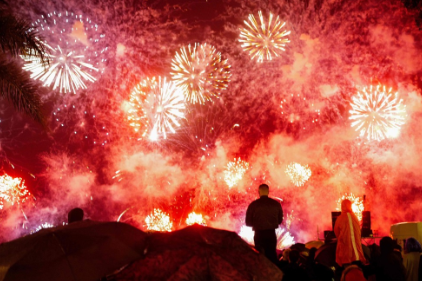
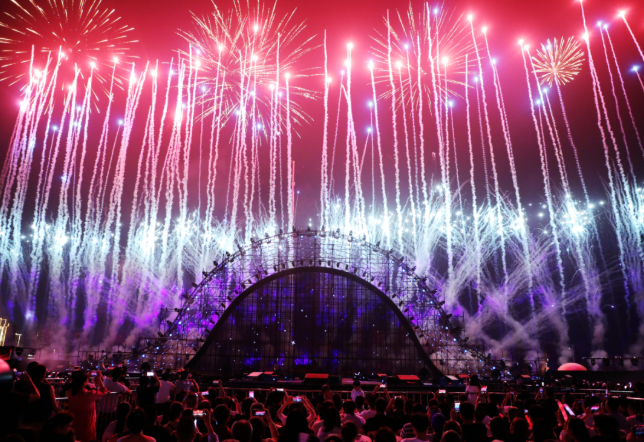
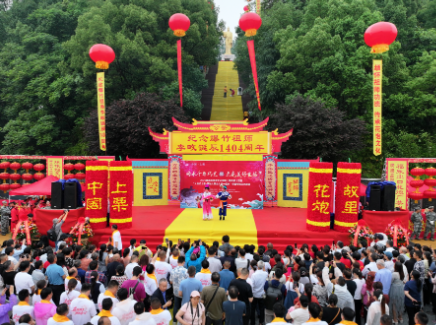
Shangli fireworks are more than a celebration. Rooted in craftsmanship and innovation, it carries a thousand-year cultural legacy. As a cultural messenger across borders, Shangli fireworks speak a universal language of light, color, and sound.
In Shangli, known as the “hometown of fireworks,” a thousand-year tradition of pyrotechnic craftsmanship lives on. Tracing back to Li Tian of the Tang Dynasty, the art has evolved into a nationally recognized intangible cultural heritage.
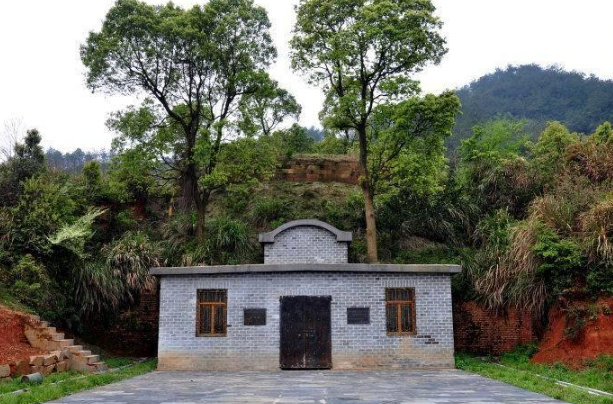
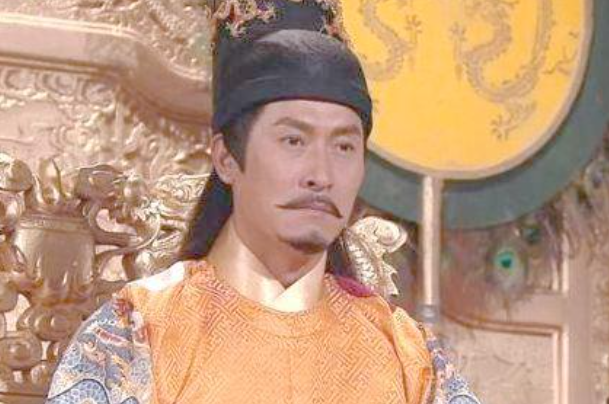
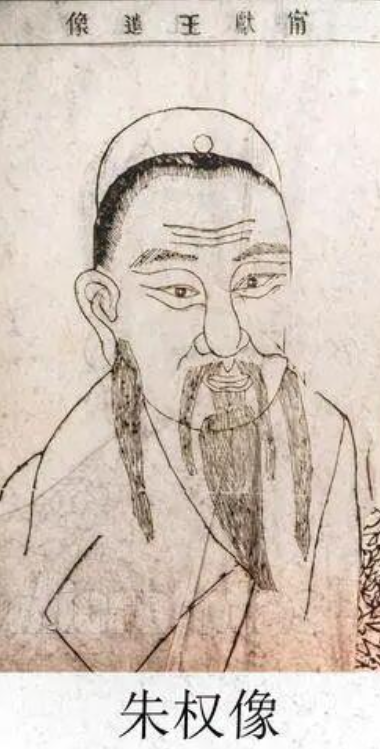
Zhu Quan(1378–1448), the 17th son of Zhu Yuanzhang, turned political setback into cultural legacy, devoting himself to Daoism, music, tea culture and writing. He was later buried in a grand tomb near Nanchang, now known as the largest Ming Dynasty underground mausoleum in Jiangxi
Zhu Quan (1378–1448), the 17th son of Zhu Yuanzhang, was once a powerful prince commanding 80,000 troops. In 1399, he was deceived by Zhu Di and was later relocated to Nanchang, where he spent the rest of his life and died at 71. He is remembered in history as Prince Ningxian.
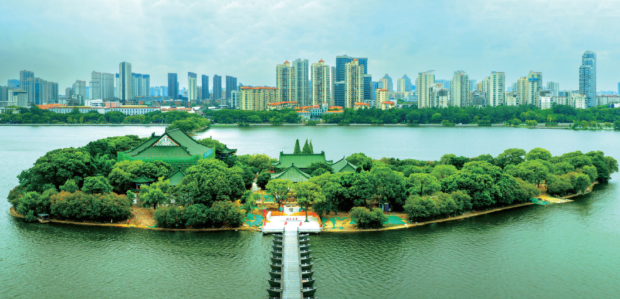
Jinxian County, under Nanchang, takes its name from “bringing in the virtuous,” linked to Tantai Mieming. Founded in 280 AD, it is known as a place of profound heritage, where nature and culture blend in harmony.
Jinxian County is defined by four pillars: the ecology of Junshan Lake and Qinglan Lake, the Confucian heritage of Qixian Mountain, intangible crafts in Wengang Town, and specialty products like hairy crabs and selenium-rich resources.
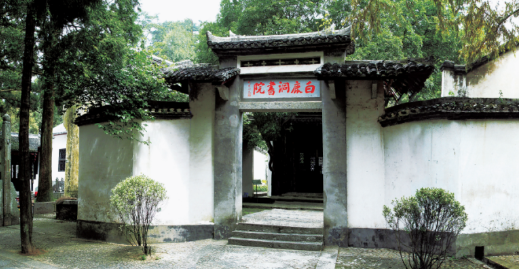
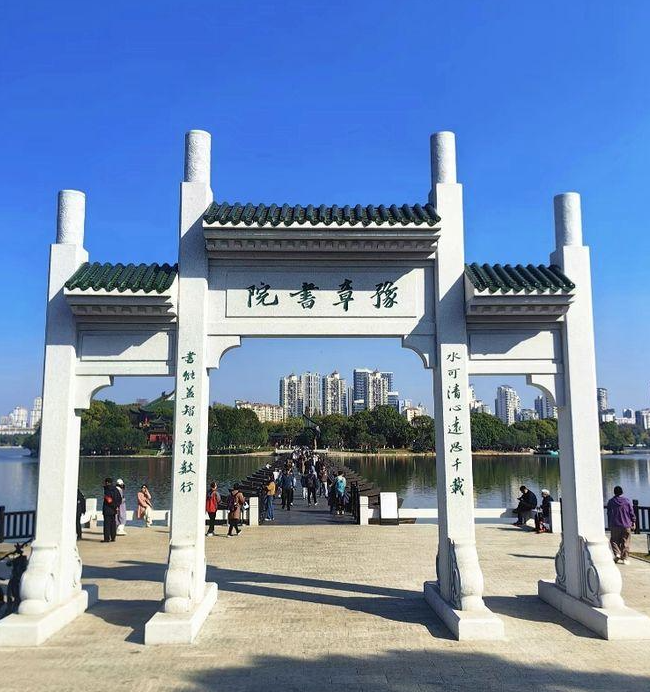
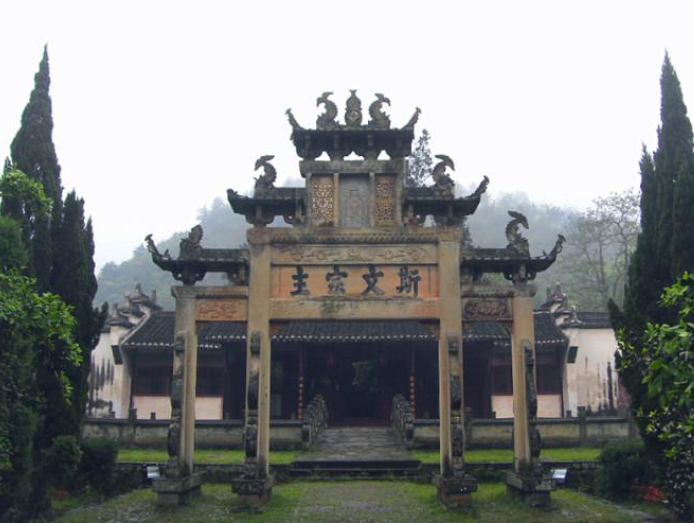
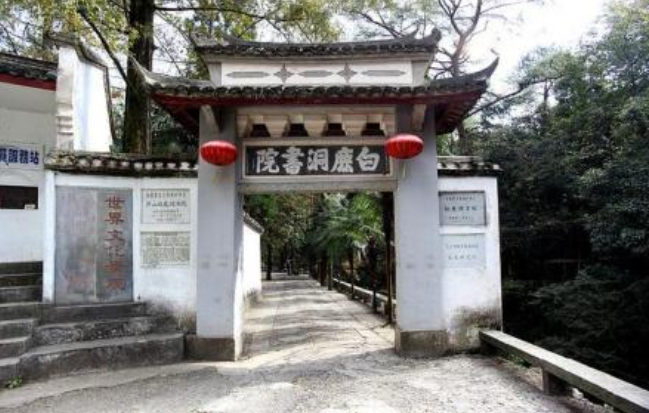
Among more than 7,000 ancient academies across China, Jiangxi Province is home to 990. Bailudong Academy pioneered an early model of a university charter. Ehu Academy, Bailuzhou Academy, and Yuzhang Academy together reflect the enduring legacy of Jiangxi’s scholarly tradition.
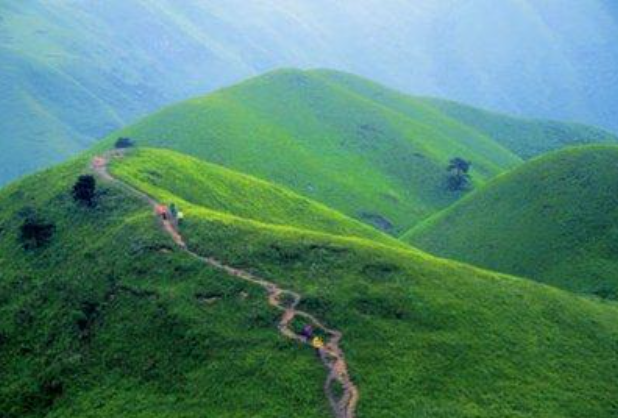
Xu Xiake’s 4th journey through Jiangxi lasted 83 days in 1636. During the trip, he marveled at the landscapes of Guifeng Scenic Area, Mount Longhu, Mount Wugong, and more. Inspired by Mount Wugong’s scenery, he wrote famous lines praising its towering peaks and remarkable beauty.
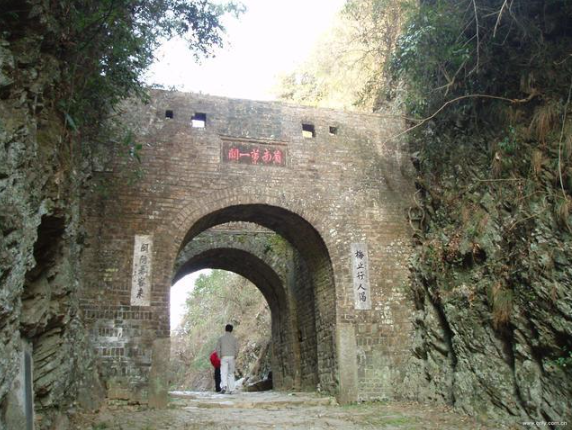
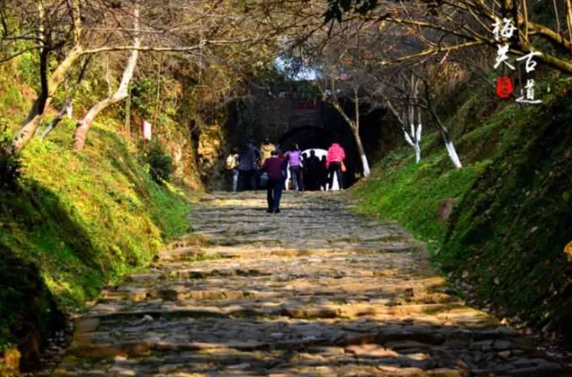
Xu Xiake’s third journey through Jiangxi took him to southern Jiangxi in 1628. Entering via the ancient Meiguan Pass, he reached Nan’an Prefecture. Though he left no dedicated record, later writings referenced the region’s extraordinary landscapes.
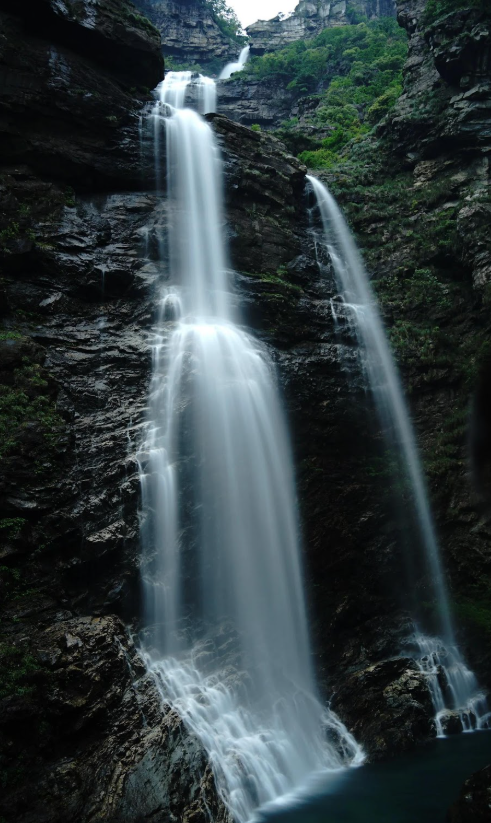
Xu Xiake’s 2nd journey through Jiangxi took place in 1618, when he conducted a 6-day survey of Mount Lushan. He documented routes beyond the traditional eastern approach and recorded the rugged western paths for the 1st time, filling a gap in the mountain’s historical geography.
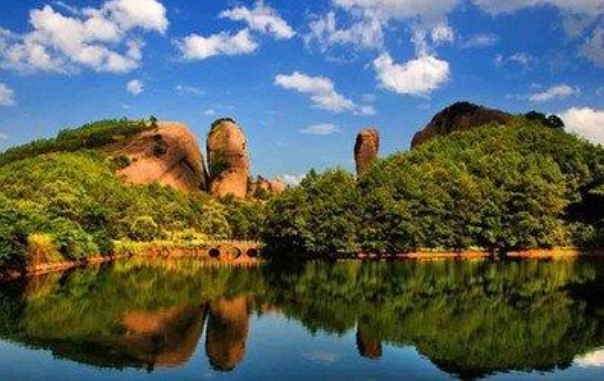
Xu Xiake’s first journey through Jiangxi began in 1616. He documented Danxia landforms, mountain waterways, and the bustling tea and paper trade along the Xin River, offering an early portrait of Jiangxi’s landscape and commerce.