A reminder that abstract submission for the @igsoc Symposium on Ice Streams & Outlet glaciers @GeogDurham closes on 24th March. We're looking forward to presentations from both contemporary & palaeo perspectives to encourage cross-pollination of ideas and research approaches! ❄️
The most detailed map yet of Antarctica’s hidden landscape has been unveiled.
Bedmap3 reveals towering mountains, deep canyons & the thickest ice ever recorded - providing a vital tool to study how the continent may respond to climate change.
https://t.co/LoZsbuEcT7
A great opportunity at a fantastic department - Assistant Professor in Physical Geography @GeogDurham. We are looking for candidates with expertise in ice sheets and glaciers that will complement and extend our current work. Closing date 12th January. https://t.co/z1CW2CCqbt
The glaciology group at @GeogDurham are hosting the @igsoc Symposium on Ice Streams and Outlet Glaciers on 20-25 July 2025. You can register your interest at the link below, which we'll update with more info soon. Looking forward to seeing you in Durham!❄️https://t.co/4J0xwM6Fnb
🚨 New paper! 🚨
Meet SUPREME💫: a method designed to downscale Antarctic surface melt from a regional climate model using a physically-informed super-resolution architecture. (1/5)
Today we have published our latest work in @NatureGeosci
Slush accounts for more than half on Antarctica’s surface meltwater area at the peak of the melt season!
The paper is freely available here: https://t.co/z1M9euVCNr
@IanWillis16 @AliBanwell@SdeRodaHusman
1/5
In the first of a series of research interviews with our colleagues Professor Chris Stokes speaks about his work on ice sheets and the responses of glaciers to climate change. Here he answers our questions about the progress of his research & its impact: https://t.co/gURK14KkRO
Published today in @igsoc, our new study that includes the first in-situ observations of Antarctic ice-shelf fracture due to surface meltwater lakes: https://t.co/eaXujeuK6L
In an historic feat, the Catalan adventurer and elite kayaker Aniol Serrasolses has conquered the world's highest glacier waterfall drop in the Svalbard archipelago, Norway. 'It's hard to find the words to explain this feeling,' he said. 'It's like kayaking on another planet'
So many great talks and posters at @igsoc British Branch Meeting in Cardiff. Happy to meet some new friends and share my initial results on supraglacial channel networks on Antarctic ice shelves.
Meltwater flows into millions of hairline cracks across the surface of #Greenland and #Antarctica, transferring heat deep into the ice sheets and destabilizing them from the inside.
📢 New @NatureGeosci paper by David Chandler @BjerknesBCCR & Alun Hubbard @UiTNorgesarktis ⬇️
Meltwater is hydro-fracking Greenland’s ice sheet through millions of hairline cracks – destabilizing its internal structure https://t.co/ZAgoaxIwLP via @ConversationUS
Out today! Our new study in #AGUpubs: “Quantifying Antarctic-Wide Ice-Shelf Surface Melt Volume Using Microwave and Firn Model Data: 1980 to 2021” https://t.co/3sL1BHdu0u
W/ co-authors N Wever, @DevonDunmire & @gsnowph
@CIRESnews@NSIDC @CUArtsSciences @AGU_Cryo@ProtectWinters
Today our cartographers released new Antarctic and Arctic maps - with lots of changes to these fast changing and fragile places:
🧊 ice sheet loss
🌊 new sea ice data
📌 using indigenous town names in the Canadian Arctic
#WorldOceansDay#climatechange
https://t.co/GNfe2F5BEF
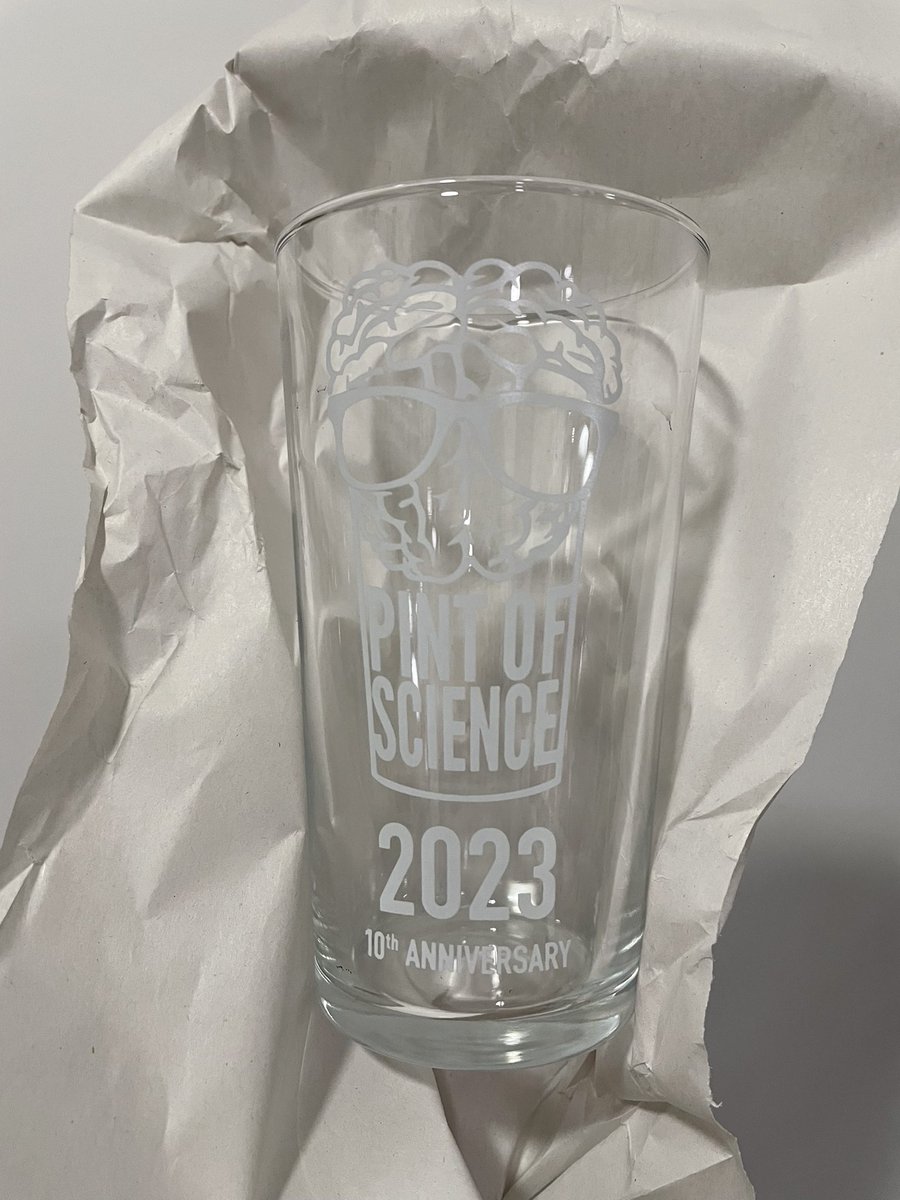
Really enjoy the night of #pint23 and great talk from @TomChudley on supraglacial lakes. And didn’t expect to be the lucky guy to win a wonderful bottle😊@pintofscience
📢 Great News! The EPB has released a report: Synthesis #Report on the Environmental Impacts of Polar Research and Logistics in the Polar Regions.
➡️ The report is available on the EPB website: https://t.co/bnh1RBw9oS