Caring for resident cheetahs at our Centre in Namibia is a big job! So, what’s a typical day like for one of our cheetah keepers? Mornings usually begin with a cheetah run. Exercise is an important part of the daily routine for our resident cheetahs – both for fitness and quality of life! Next, it’s time to begin preparing the meat for cheetah feedings. During the feeding at our Centre, keepers educate visitors about cheetah care, and provide more information about the cats currently in residence.
At the end of the day, keepers devote their time to an important job – cleaning up! Sometimes, there are additional tasks to do, like providing medical treatments. Then, the keepers do one last check on the resident cheetahs before finally wrapping up for the day.
In Namibia, part of CCF’s efforts to keep cheetahs in the wild involves rescuing and rehabilitating cheetahs injured or orphaned as a result of encounters with humans. Some of the rescued cheetahs only require minimal medical attention. However, in some cases, the rehabilitation process can take much longer, depending on the age of the cheetah. For example, some of the rescued cheetahs are adolescents or older cubs, and in these cases, CCF utilizes rehabilitation techniques that minimize human contact, and encourage wild behaviors. CCF has successfully returned more than 50 cheetahs to the wild in Namibia - and has developed a framework for rehabilitation and rewilding, based on 15 years of research.
However, not all of the cheetahs rescued by CCF can be returned to their natural habitat - and for these cats, the Centre serves as a sanctuary, offering medical care and naturalistic enclosures that simulate a life in the wild.
Want to help support CCF’s rescue and rehabilitation efforts? Until December 31, all contributions will be DOUBLED during our Home Range for the Holidays campaign!
To learn more, visit https://t.co/Lxbx1eLqK7
Join #Chillin4Cheetah polar plunge to benefit @CCFCheetah & cheetah conservation Coney Island Dec 8 Or if you prefer to stay nice and warm you can still participate by making a donation Here: https://t.co/US3xGuuGXh
#GrouchoMarx :
"Gentlemen, he may talk like an idiot and look like an idiot. But don't let that fool you. He really is an idiot." #DuckSoup 1933
#UndecidedVoters
The Nairobi National Museum is crammed with ancient specimens, from giant crocodile skulls to the bones of human ancestors. Scientists worry the collection won’t last much longer. https://t.co/5B4bG8Nxu7 https://t.co/5B4bG8Nxu7
If all of the #GBF’s 23 targets are actually implemented by governments, by the 2030 deadline, writes WCS's @sslieberman, nature will indeed be in better shape than it is today.
That's where 🇨🇴 #COP16Colombia comes in.
https://t.co/TTwTZaDWur
Mysis shrimp, anyone? These small crustaceans are a favorite food item for our northern seahorses. Seahorses eat almost constantly since they have a rudimentary digestive system that lacks a stomach. They will consume thousands of crustaceans in a single day!
True to its name, our #BirdOfTheWeek thrives in boulder-strewn slopes, canyons, & cliffs. They nest in cracks and crevices out of sight, but it’s still easy to locate a breeding pair. 👀 What distinctive feature marks a Rock Wren nest site? 🪨
Find out: https://t.co/zLyeUE9Qpg.
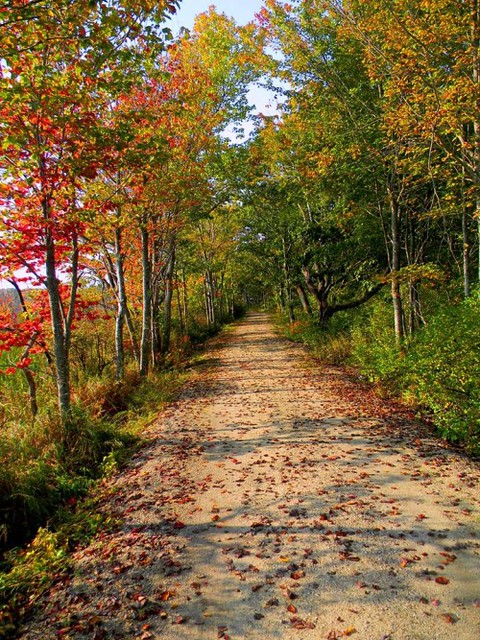
While leaf litter may be unsightly to some, the leaves strewn across your lawn are a cornucopia of food, shelter, and habitat for a variety of species. In addition, decomposing leaves supply yards with critical nutrients. Consider leaving the leaves for wildlife this fall.
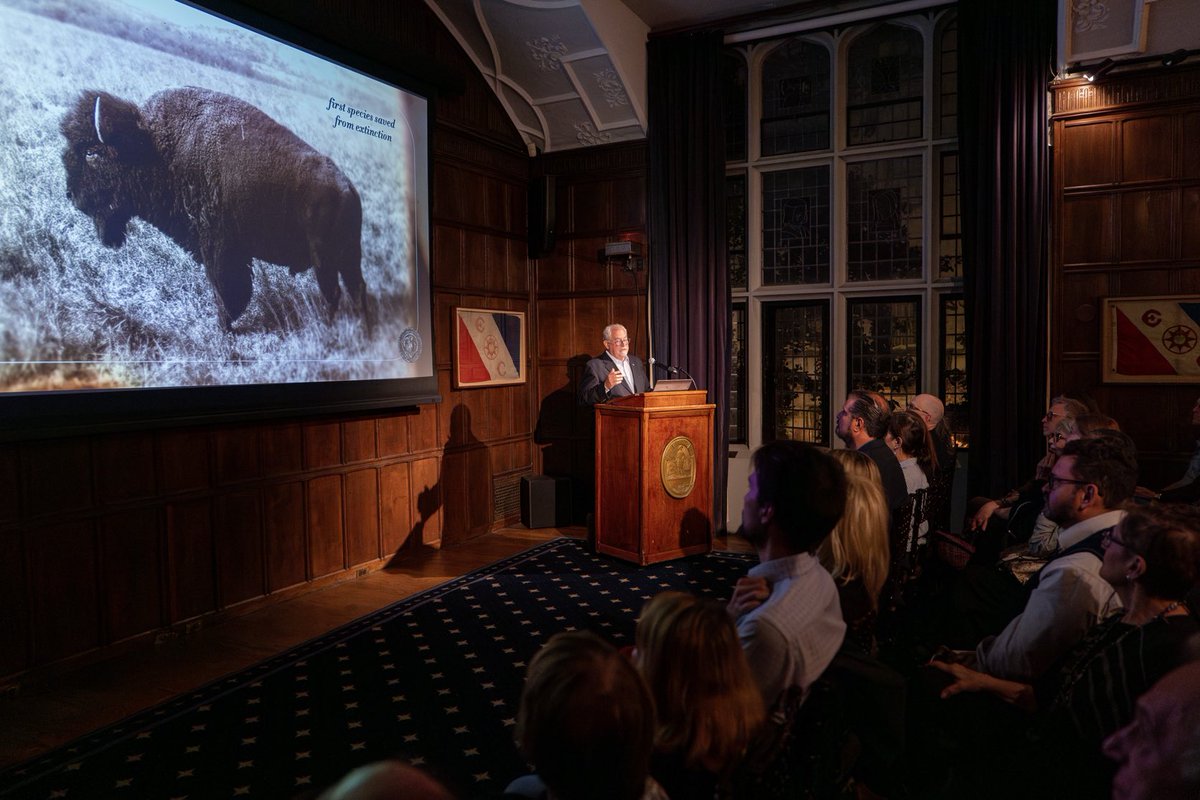
Had the great pleasure of speaking @ExplorersClub on the 125th Anniversary of @BronxZoo Really nice evening & a great audience. Thanks for inviting me!
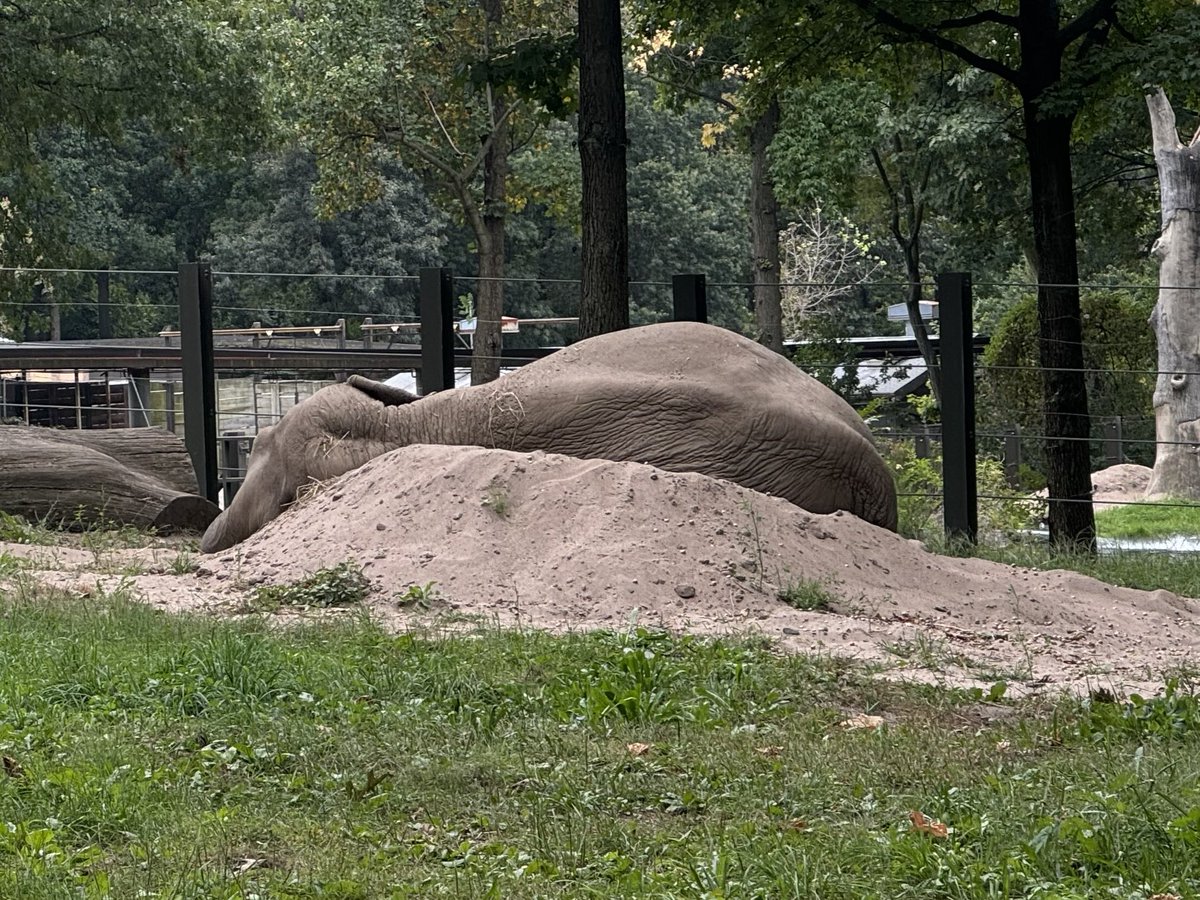
Someone posted a pic of Happy lying down & stated she was in distress. She is not. A pic from another angle shows why she is lying down. We put a big mound of fresh sand in the exhibit & she goes straight for it!
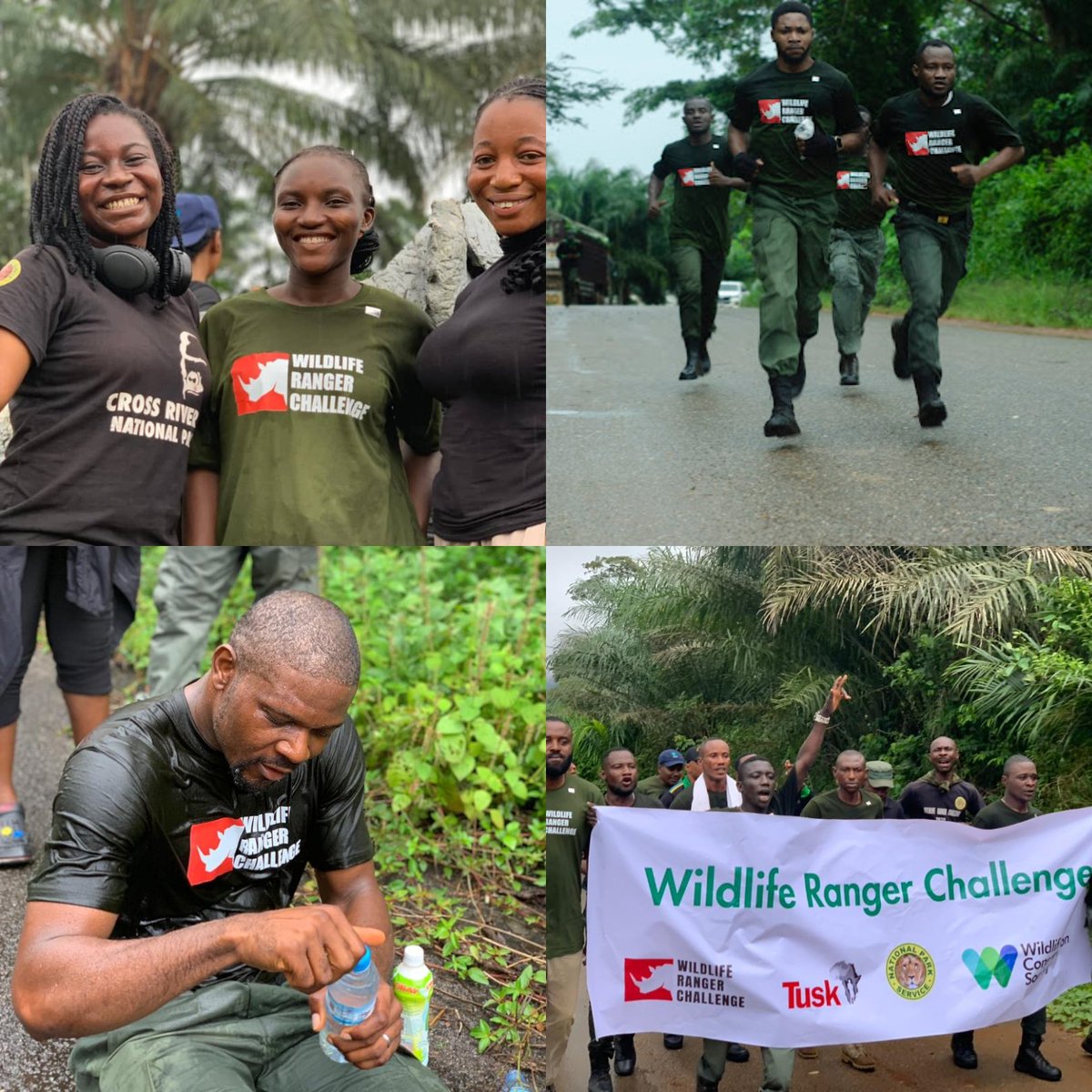
WCS staff celebrated Wildlife Ranger Challenge yesterday with rangers from Cross River National Park, Afi Mountain Wildlife Sanctuary, and the Mbe Mountains.
#WildlifeRangerChallenge#ForWildlifeRangers
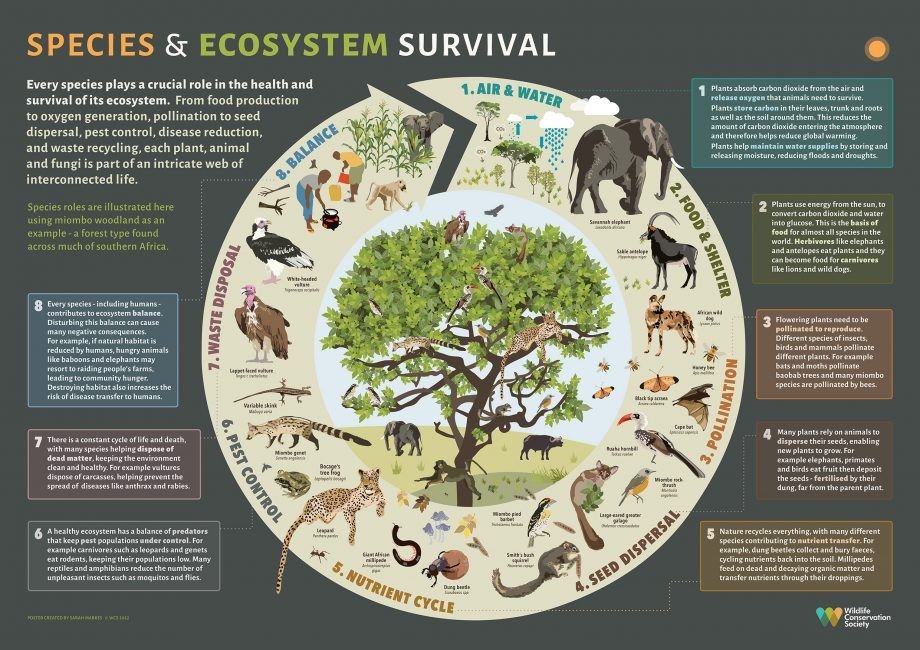
Every species plays a crucial role in our ecosystems, from food production to water recycling. Understanding these roles and connections is essential for effective conservation.
via @TheWCS
On this day in 1936, the last known thylacine—a wolf-like marsupial known as the Tasmanian tiger—died at the Hobart Zoo in Tasmania. The animal’s passing marked the extinction of its species, and underscores the current need to protect our planet’s wildlife before it’s too late.