Grand Rapids is entering the phase where infrastructure capacity matters as much as development demand.
Housing, parking, traffic flow, utilities, and public space are becoming as important as attracting investment itself.
Walker is reviewing a conceptual 465-unit housing proposal on former farmland.
Mix of single-family, duplex condos, and townhomes.
Projects at this scale often shape where suburban growth concentrates next.
What do you think?
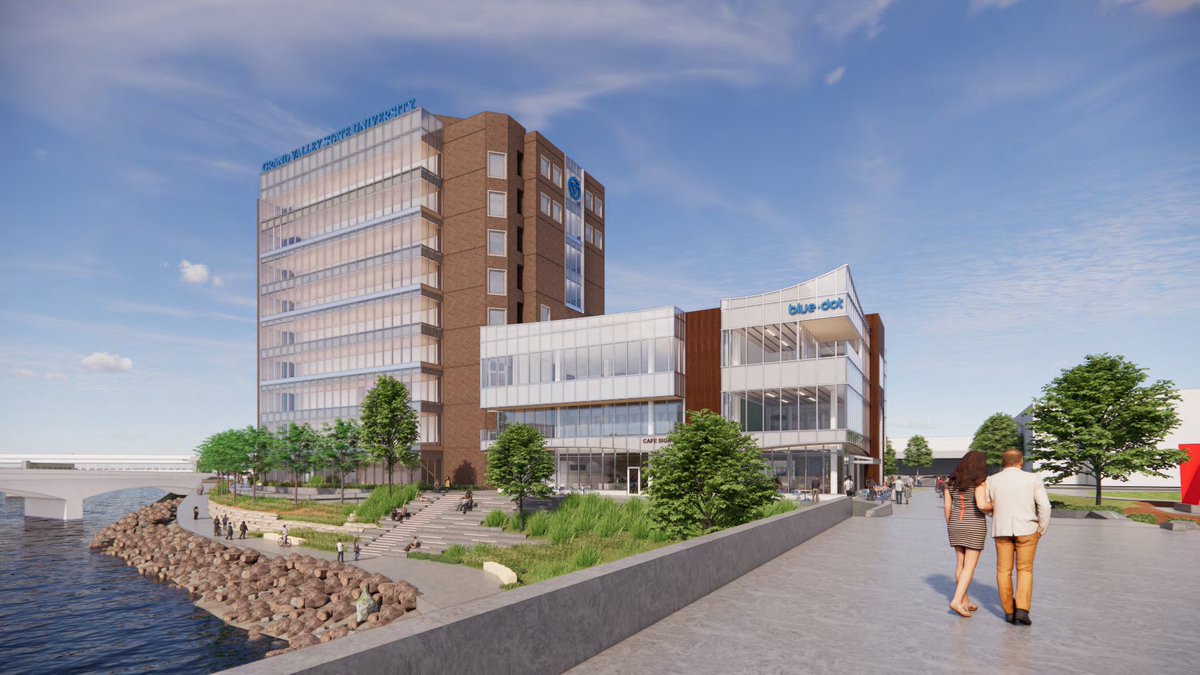
GVSU just approved a $166M riverfront expansion.
$65M Blue Dot Lab.
$101.4M Eberhard upgrades.
Up to $139M in bonds.
Riverfront capital keeps consolidating.
Necessary modernization; or concentrated risk?
Grand Rapids caps short-term rentals at 200. Airbnb/VRBO show 1,000+ listings.
Zoning rewrite coming in 2027.
Loosen restrictions?
Or protect housing supply?
What’s the bigger risk?
Boston Square is getting another small scale townhome project, and it says a lot about where housing pencils right now.
These projects fit tight sites and lender comfort levels, but also show the limits of incremental growth.
Do projects at this scale change affordability here?
When DeVos Place opened in Grand Rapids in 2004, it wasn’t about hype. It was about weekdays.
Conventions. Hotel stays. Lunch traffic. If you lived in Grand Rapids then, do you remember downtown feeling different during the day?
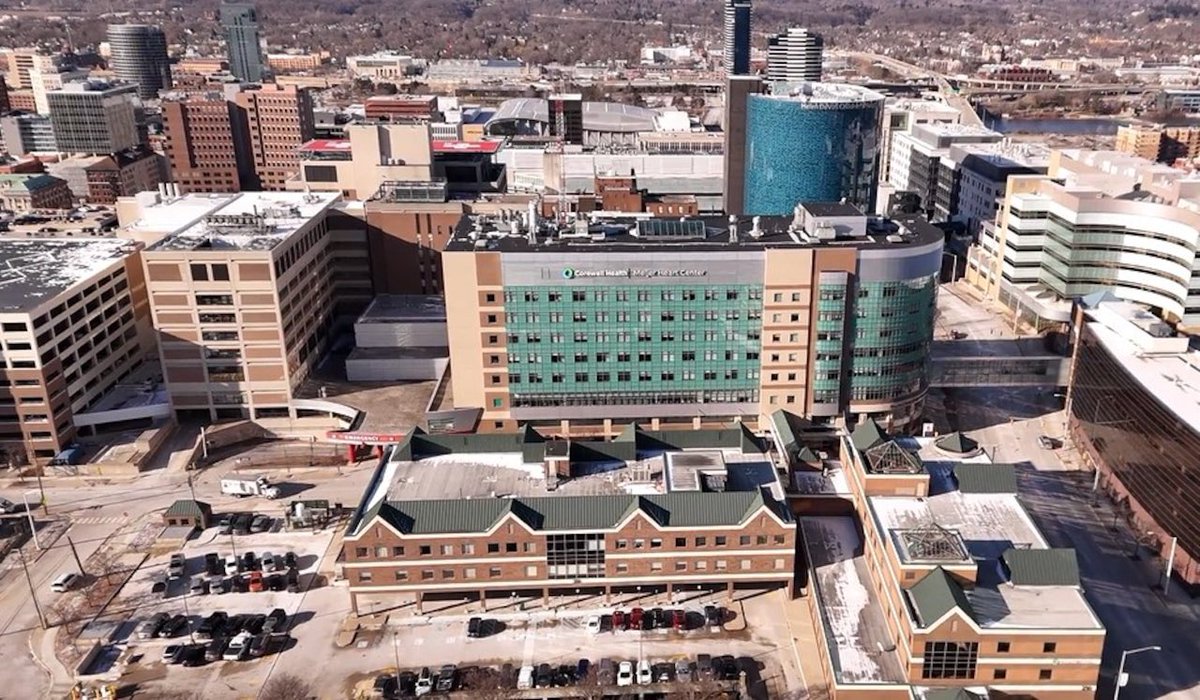
Corewell Health is planning a 621,000 SF expansion at Butterworth downtown.
New patient tower, expanded ER, and up to 180 inpatient beds.
This locks Michigan Street in as a regional medical corridor.
The real question is how this scale fits next to nearby neighborhoods.
Factory Yards is one of the largest redevelopments Grand Rapids has seen in years.
$146M investment.
467 housing units.
Adaptive reuse of historic industrial buildings near Founders and the future amphitheater.
Does infrastructure keep up, or does growth outpace it?
Jerome Powell’s term as Fed Chair ends May 2026.
Kevin Warsh is the likely successor.
The story isn’t politics. It’s whether markets believe the Fed stays independent as pressure to cut rates builds.
Housing reacts to expectations before policy.
Grand Rapids’ mayor suggested raising downtown parking from $2 per hour to $6 per hour to increase turnover.
That does not push people to move faster. It pushes them to skip downtown entirely.
Fewer quick stops means fewer customers, weaker storefronts, and a smaller tax base.