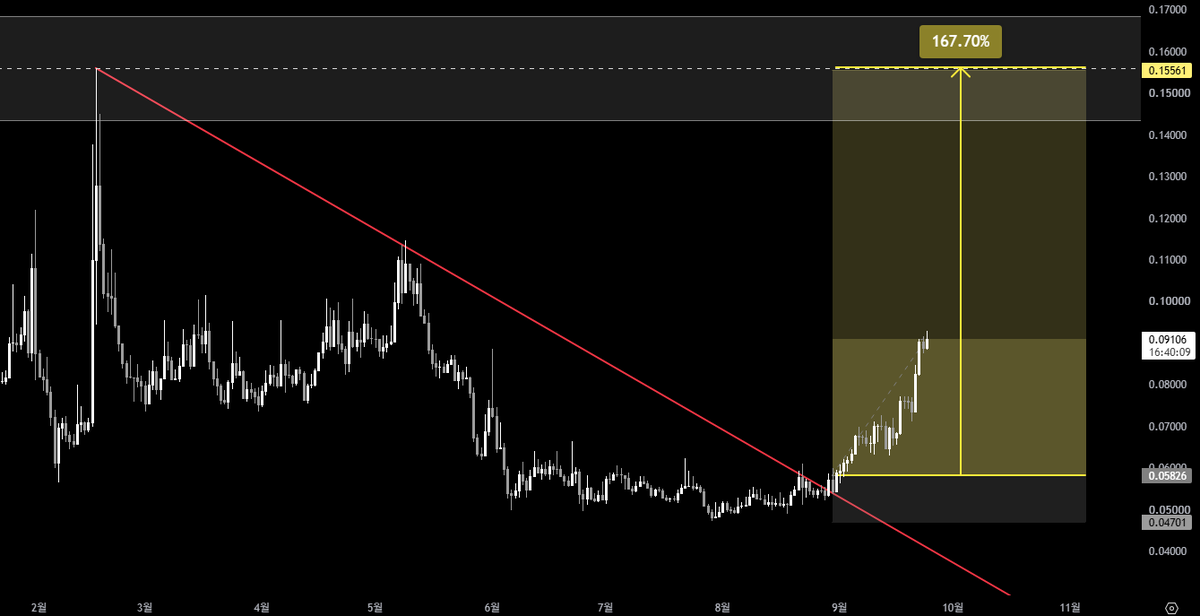
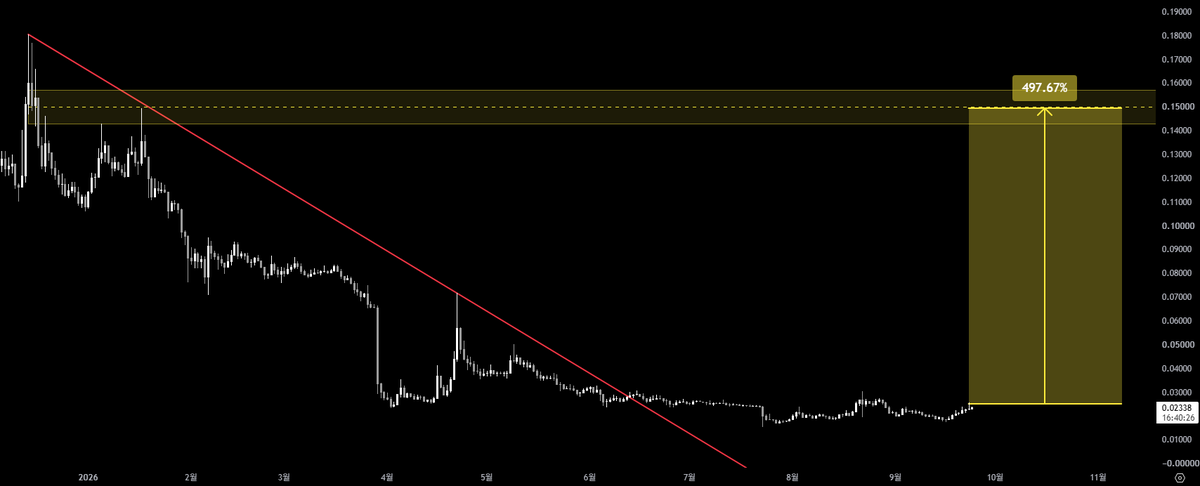
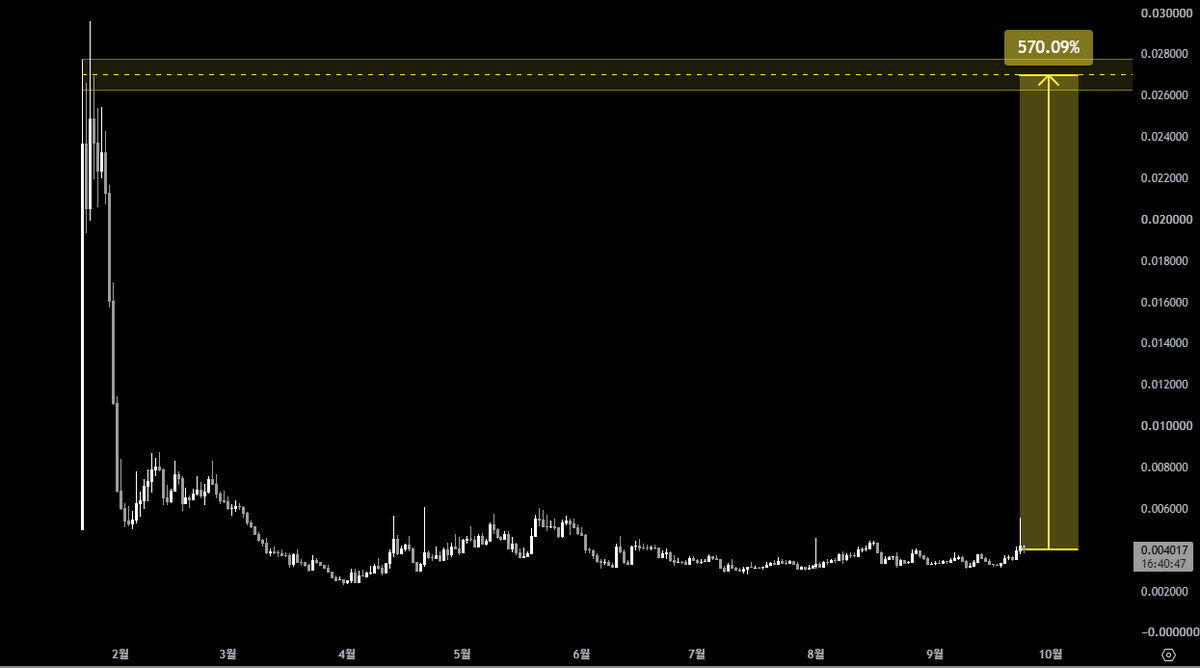
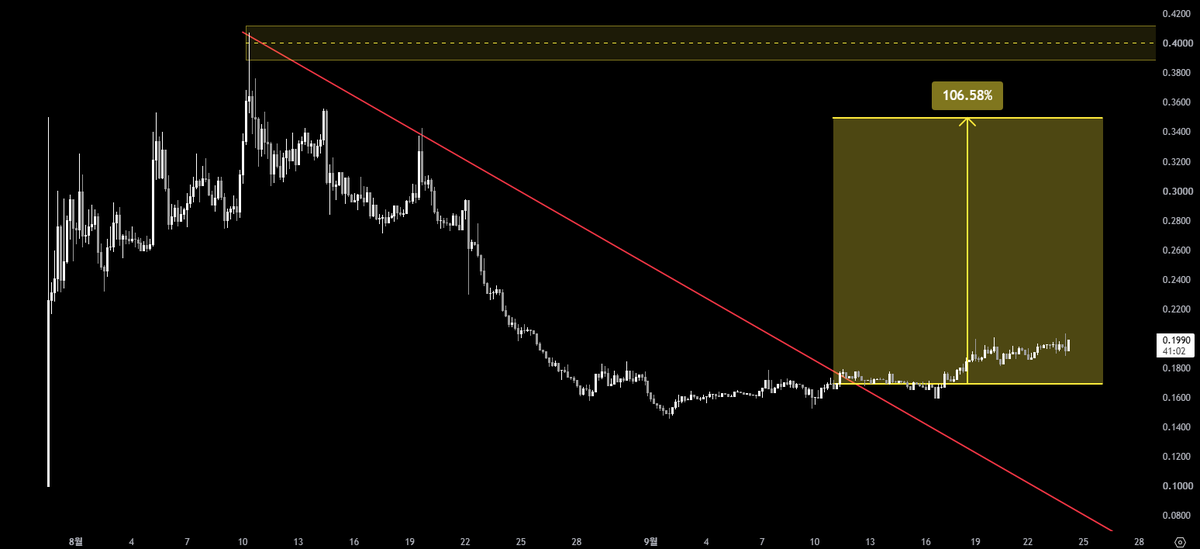
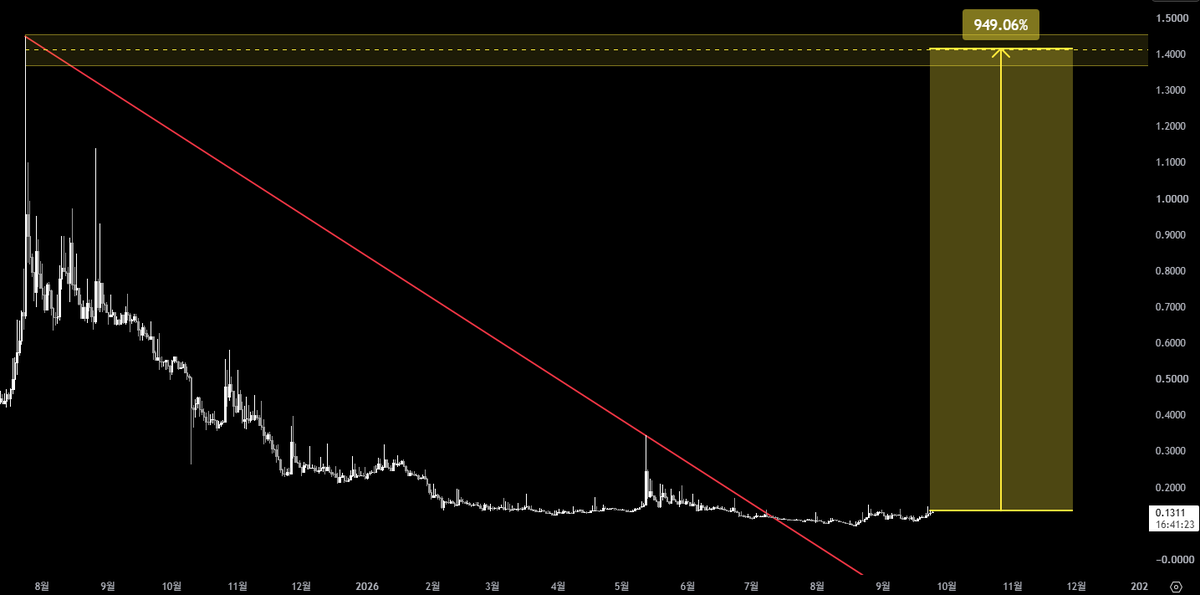
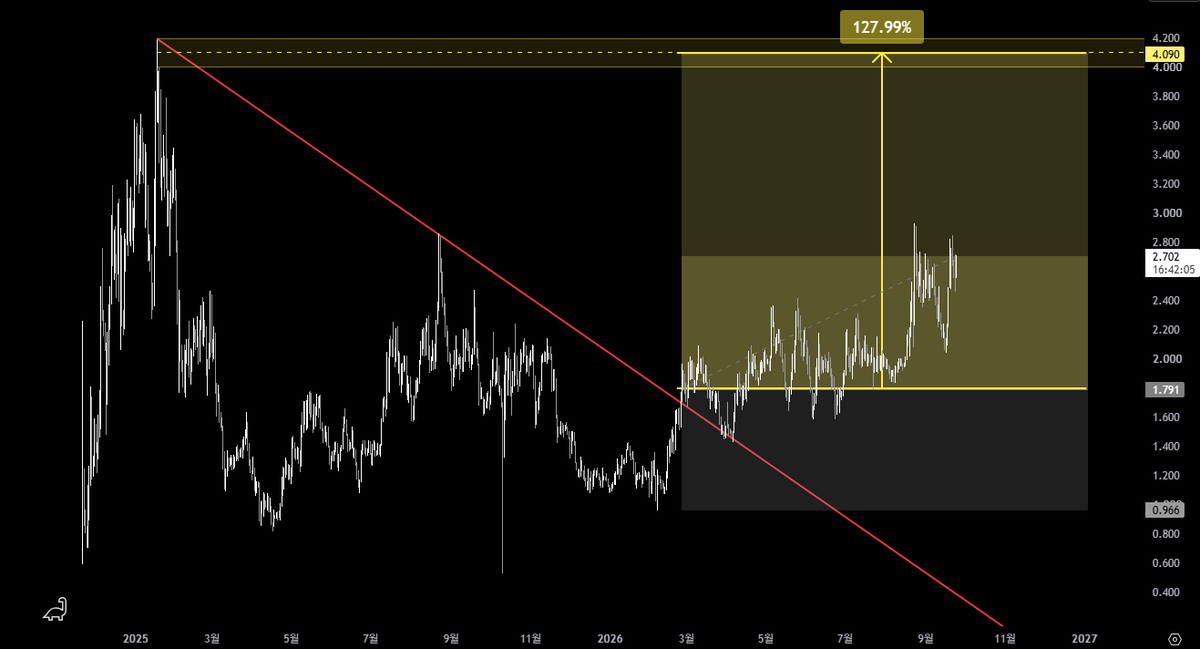
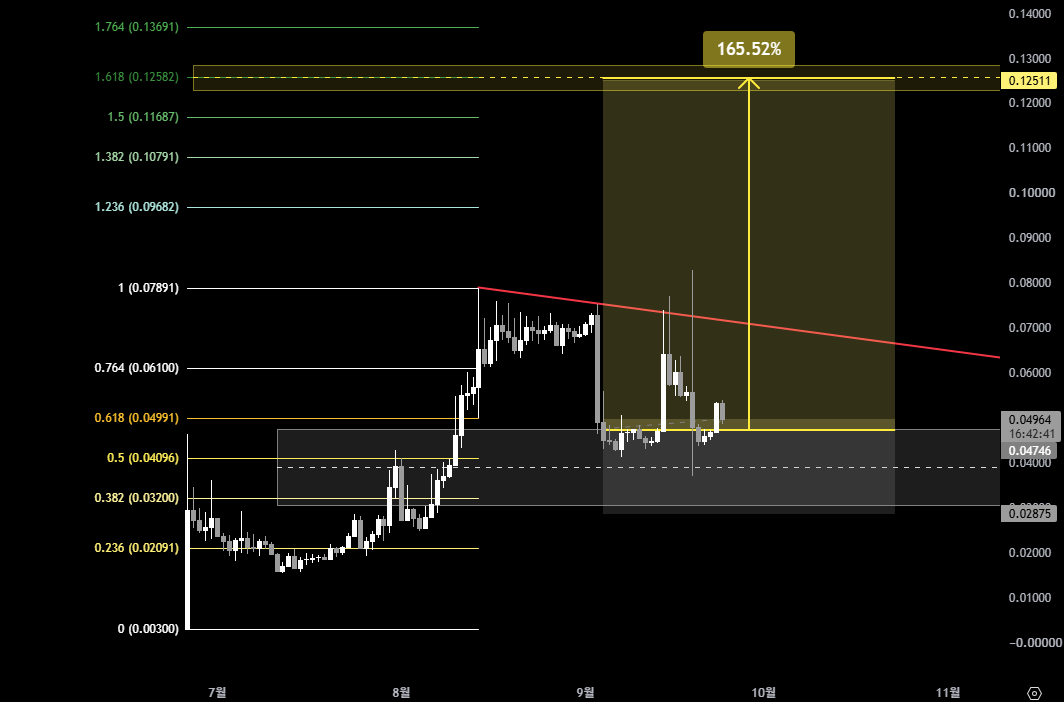
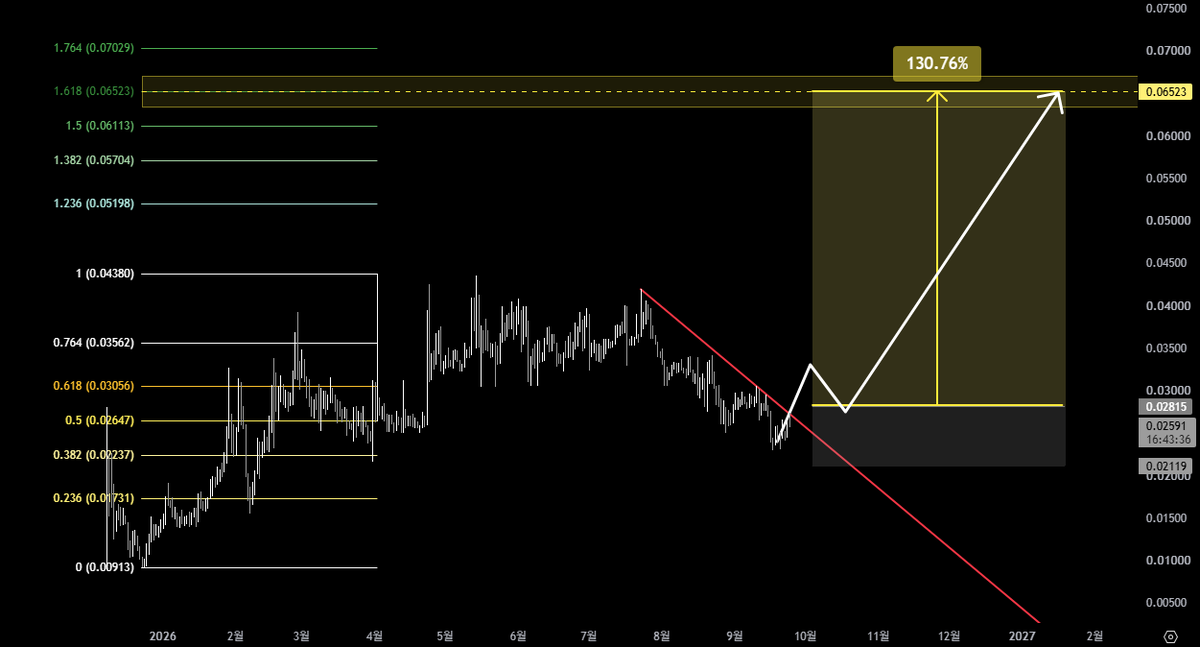
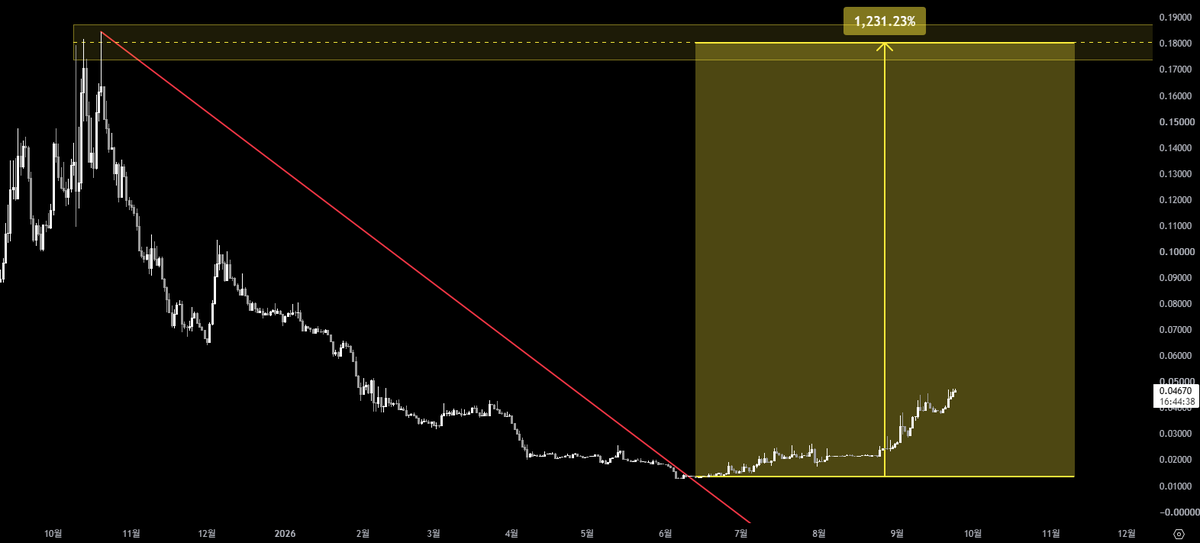
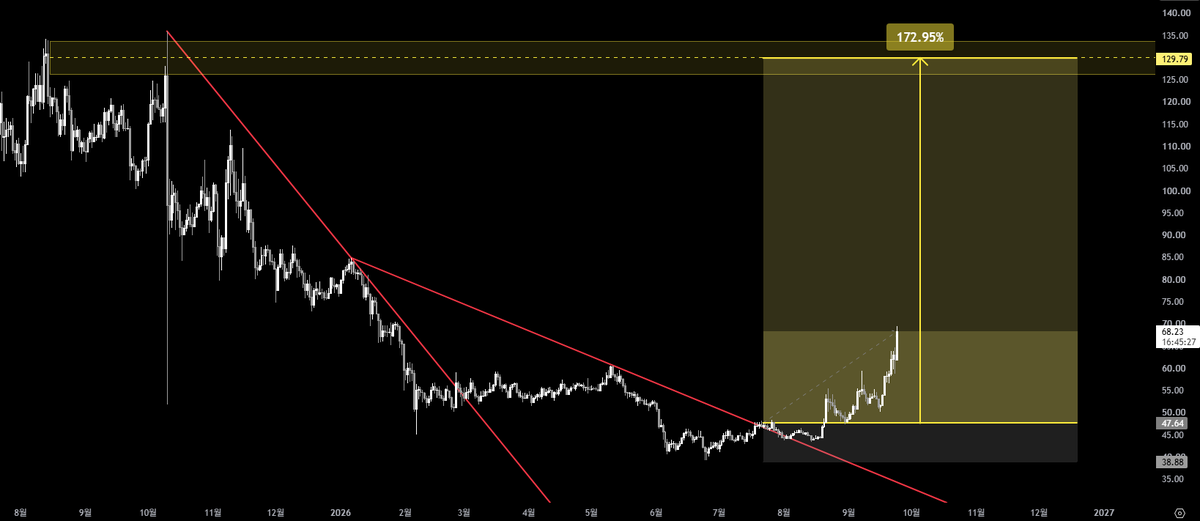
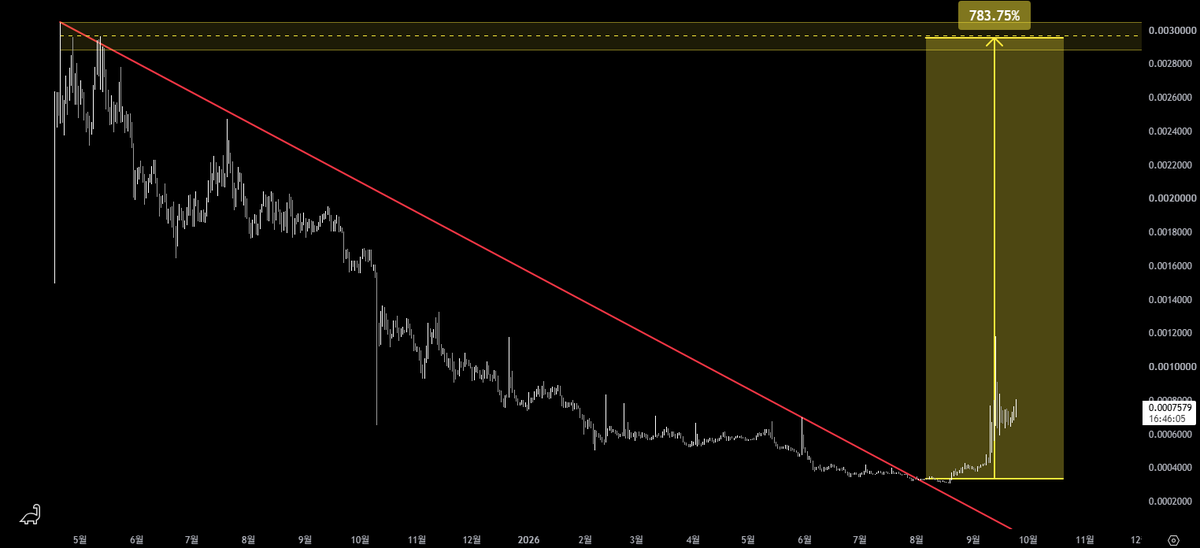
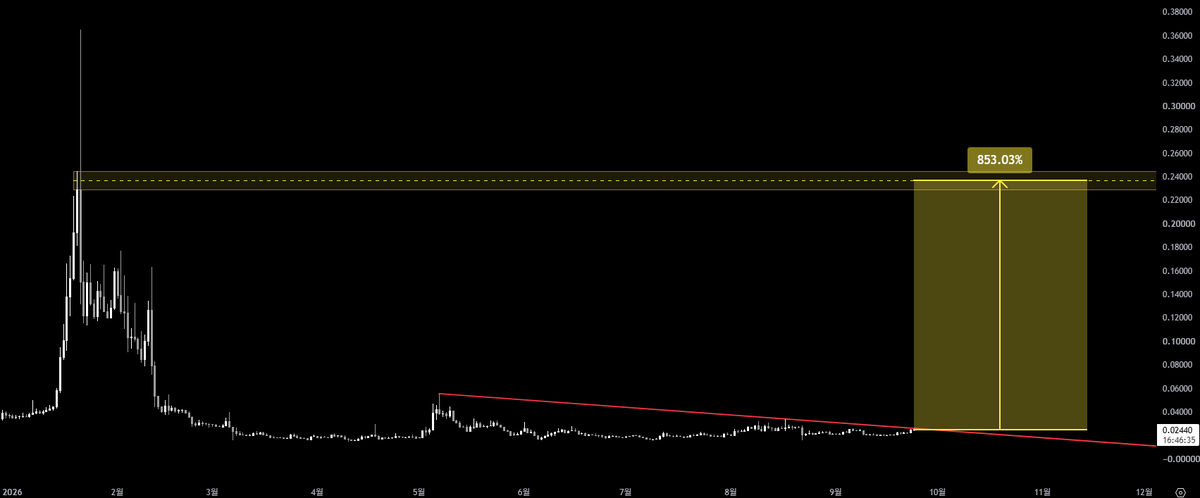
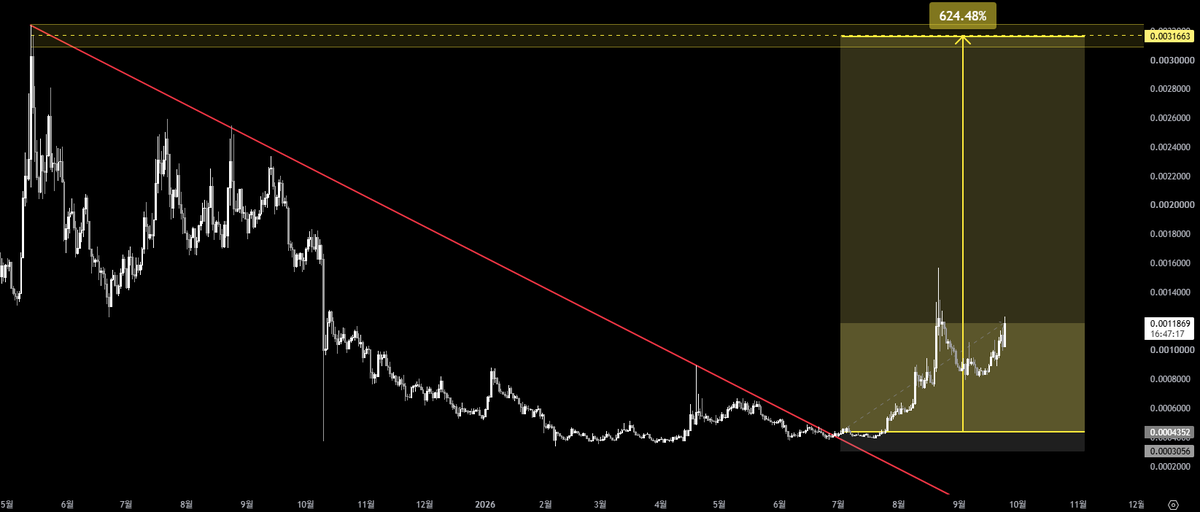
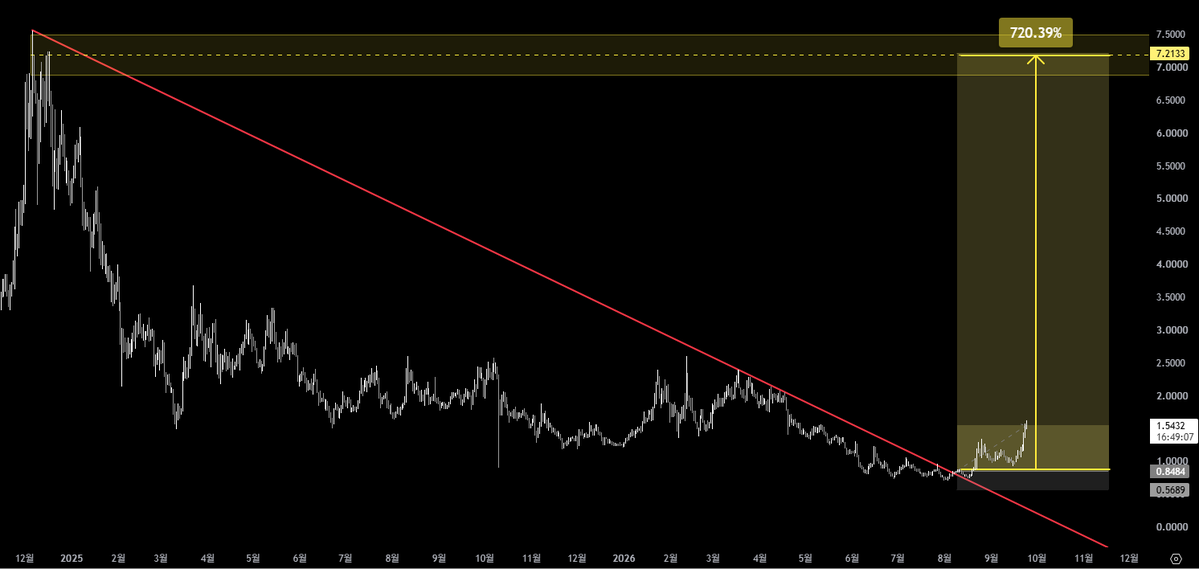
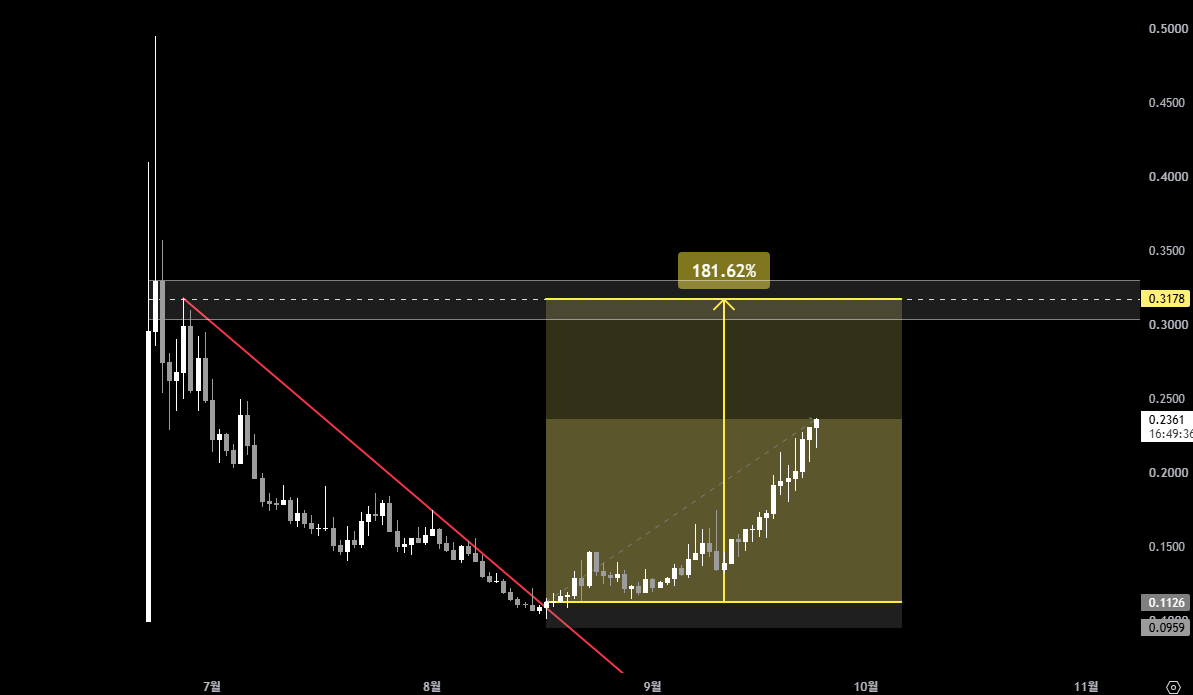
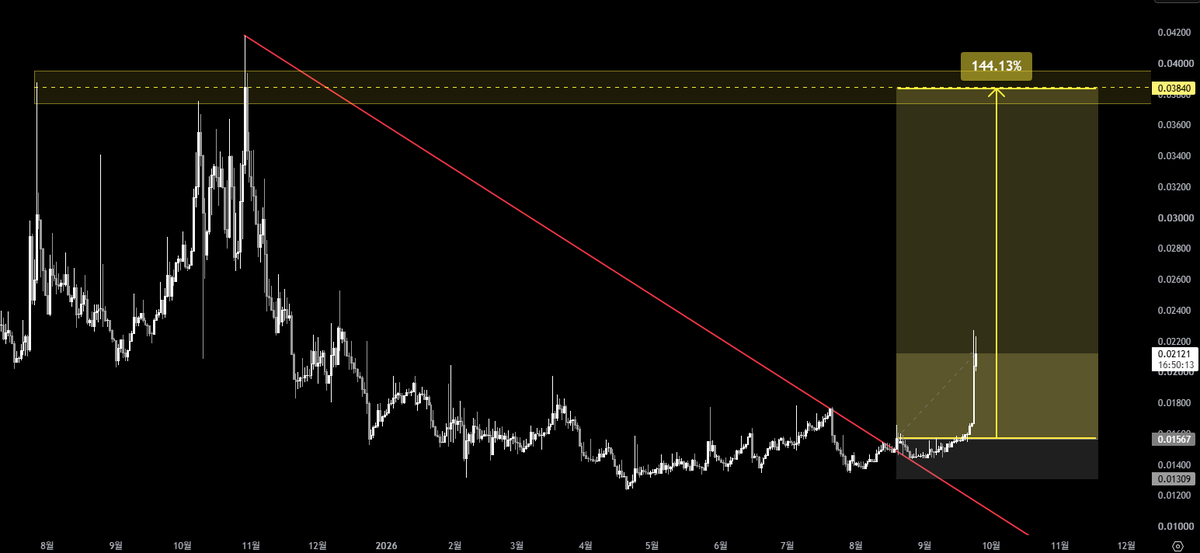
You’re not bullish enough on initia:native.
Initia is building infrastructure for app-specific chains.
Instead of making every project compete for space and liquidity on one general-purpose network, Initia is designed to let applications launch their own customized environments while still connecting back to a shared ecosystem.
The key idea is that chains should not have to choose between sovereignty and liquidity.
initia:native is the native token used for network fees, staking, governance, and incentives across the ecosystem.
The risk is that modular blockchain infrastructure is crowded, and app chains only matter if developers and users actually show up.
But as crypto applications become more specialized, the “one chain fits all” model may become less practical.
What’s your take on initia:native — real modular infrastructure bet or another ecosystem chasing developers?
Real-time chart analysis and trade updates in the channel👇
https://t.co/Y9o8jo9uCa
Everyone is sleeping on $CORE.
Core is a Bitcoin-focused blockchain built around the idea that Bitcoin can play a bigger role in DeFi.
Its approach includes non-custodial Bitcoin staking, where BTC holders can help secure the network without handing over custody of their coins.
That is important because Bitcoin has massive value, but much of it remains underused compared with Ethereum and Solana assets.
$CORE is used in the network’s security model, staking, governance, and ecosystem incentives.
The risk is that Bitcoin DeFi is still early, and users will need to trust the infrastructure before meaningful capital moves onchain.
But unlocking even a small part of Bitcoin’s dormant capital could create a huge opportunity.
Do you see Bitcoin DeFi as the next major growth sector, or is it still too early to bet on it?
Real-time chart analysis and trade updates in the channel👇
https://t.co/Y9o8jo9uCa
$FIGHT is fucking interesting.
https://t.co/LhIsBRLp6A is building a Web3 ecosystem around combat sports.
The project connects fans, fighters, brands, onchain identity, reputation points, and token-based access into one community layer.
Instead of treating fans as passive viewers, the idea is to make participation measurable and rewardable.
$FIGHT is the ecosystem’s access and governance token, used for premium experiences, platform features, and community participation.
The biggest upside is obvious: combat sports already have a deeply engaged global audience.
The risk is equally obvious: Web3 fan platforms need to prove they can create real value beyond speculative token trading.
But if sports communities move further toward digital ownership and fan participation, $FIGHT has a narrative that reaches beyond crypto-native users.
Do you think tokenized fan ecosystems can actually work, or do fans just want the sport without the blockchain layer?
Real-time chart analysis and trade updates in the channel👇
https://t.co/Y9o8jo9uCa
Why the fuck is no one talking about $GRVT?
GRVT is building a trading platform that tries to combine the speed of centralized exchanges with the transparency and self-custody of onchain trading.
Users can trade crypto perps alongside other markets while keeping a more non-custodial structure than a typical CEX.
That is a strong pitch because traders want fast execution, but they also want to reduce counterparty risk.
$GRVT acts as a membership key across the ecosystem, unlocking benefits such as better trading fees, improved margin efficiency, and access to investment products.
The risk is that trading platforms need deep liquidity and consistent volume to survive.
But the race to build a better exchange experience is one of the biggest battles in crypto right now.
What matters more to you with $GRVT: the exchange product, the token benefits, or the broader onchain trading narrative?
Real-time chart analysis and trade updates in the channel👇
https://t.co/Y9o8jo9uCa
I didn’t expect $SD to be this interesting.
Stader is a multi-chain liquid staking platform.
It lets users stake assets while receiving liquid tokens that can still be used in DeFi, instead of locking capital away completely.
That capital efficiency is the entire appeal of liquid staking.
Users can earn staking rewards while keeping liquidity for lending, trading, or other onchain activity.
$SD is the governance token of the Stader ecosystem and also plays a role in incentives and validator-related mechanics.
The risk is that liquid staking is a competitive market dominated by large incumbents on major chains.
But staking is not going away, and the infrastructure that makes staked assets more useful should keep attracting demand.
Do you think $SD has enough differentiation to compete long term in liquid staking?
Real-time chart analysis and trade updates in the channel👇
https://t.co/Y9o8jo9uCa
There’s a reason I’m keeping a close eye on $MORPHO.
Morpho is lending infrastructure that allows anyone to create lending markets with different collateral and borrowing assets.
Rather than forcing every user into one standardized pool, it gives lenders, borrowers, and vault curators more flexibility to choose their own risk parameters.
That is a powerful idea because DeFi lending is becoming more sophisticated.
Users do not all want the same collateral, rates, or risk profile.
$MORPHO is the governance token used to steer the protocol’s future.
The risk is that permissionless lending markets require careful risk management, and competition in DeFi lending is intense.
But Morpho has become one of the more important names in the shift toward modular, customizable lending.
Do you think $MORPHO can become a core DeFi holding, or is lending too competitive to sustain that premium?
Real-time chart analysis and trade updates in the channel👇
https://t.co/Y9o8jo9uCa
$CAP might be one of the most overlooked plays in this sector.
Cap is building a credit and stablecoin protocol around cUSD.
Instead of relying only on crypto-native yield or endless token incentives, the project is focused on connecting stablecoin liquidity with institutional-grade operators and credit strategies.
The thesis is that stablecoins can become more than just dollars parked onchain.
They can become productive capital while still remaining redeemable and usable across DeFi.
That is a huge market if the model proves it can scale safely.
The risk is obvious: credit and stablecoin systems depend on risk management, transparency, and trust.
But as the market matures, protocols that can connect onchain capital with real yield sources may matter a lot more.
What do you think is the bigger opportunity for $CAP: stablecoins, credit markets, or institutional adoption?
Real-time chart analysis and trade updates in the channel👇
https://t.co/Y9o8jo9uCa
The most interesting thing about $STABLE isn’t the price.
Stable is building a Layer 1 focused specifically on stablecoin payments and settlement.
The goal is to remove a lot of the friction that comes with using stablecoins across normal blockchain networks: volatile gas tokens, slow confirmations, and too many moving parts.
Its design centers around using USDT for settlement and transaction costs.
That sounds basic, but it is exactly the kind of product decision that can make stablecoins feel more useful outside of trading.
$STABLE is the network’s coordination token, designed to support the ecosystem and reward productive activity.
The risk is that payment-focused chains need real users and real businesses, not just a good thesis.
But stablecoin rails are becoming one of crypto’s clearest real-world use cases.
Do you think dedicated stablecoin chains are necessary, or will Ethereum and Solana handle this market anyway?
Real-time chart analysis and trade updates in the channel👇
https://t.co/Y9o8jo9uCa
Most people still don’t understand what $CLOUD actually does.
$CLOUD is the governance token behind Sanctum, a Solana liquid-staking ecosystem.
Liquid staking lets users stake SOL while receiving a liquid token that can still be used across DeFi.
Sanctum’s angle is making different liquid staking tokens easier to access, swap, and use without fragmenting liquidity across too many pools.
That matters because Solana staking is becoming a bigger part of its DeFi economy.
$CLOUD gives the community a role in governing the ecosystem and aligning its users, builders, and stakers.
The risk is that liquid staking is crowded, and the value of a governance token depends heavily on real protocol usage.
But if Solana DeFi keeps expanding, the infrastructure around staked SOL could become a much larger category.
What’s your view on $CLOUD — strong Solana infrastructure or too dependent on the liquid staking narrative?
Real-time chart analysis and trade updates in the channel👇
https://t.co/Y9o8jo9uCa
Here’s why litecoin:native deserves more attention.
Litecoin is one of the oldest networks in crypto, but that is exactly why people tend to overlook it.
It was built to be a faster, lower-cost alternative for peer-to-peer payments, and it has survived multiple market cycles while many newer chains disappeared.
litecoin:native is used to pay transaction fees and secure the network through mining.
There is no complex DeFi stack or flashy AI narrative here.
The thesis is much simpler: a liquid, battle-tested digital asset with strong exchange support and a long history of working as intended.
The downside is that Litecoin has struggled to capture the same developer and user momentum as newer ecosystems.
But when the market rotates back toward established payment coins, litecoin:native is usually one of the first names people remember.
Do you see litecoin:native as undervalued legacy infrastructure or a relic of an older cycle?
Real-time chart analysis and trade updates in the channel👇
https://t.co/Y9o8jo9uCa
You’re not bullish enough on vethor-token:native.
Most people look at VeChain and only think about $VET.
But vethor-token:native is the token that actually powers transactions on the VeChainThor blockchain.
Every time someone uses the network or interacts with a smart contract, VTHO is the gas token consumed to pay for that activity.
That gives it a much more direct connection to network usage than many secondary tokens in crypto.
VET holders generate VTHO, creating a two-token model that separates the network’s value layer from its transaction-cost layer.
The risk is simple: VTHO demand depends heavily on real usage of the VeChain ecosystem.
But if activity grows, gas demand has a clearer path to mattering than a lot of vague token utility narratives.
Do you view vethor-token:native as undervalued network utility, or just a byproduct of holding $VET?
Real-time chart analysis and trade updates in the channel👇
https://t.co/Y9o8jo9uCa
Everyone is sleeping on $FHE.
Mind Network is focused on fully homomorphic encryption, or FHE.
That technology allows data to be processed while it remains encrypted, which could be important for private AI, encrypted computation, and secure blockchain coordination.
The big idea is not simply “privacy coin” marketing.
It is building infrastructure where sensitive information can be useful without being openly exposed.
$FHE is designed to power the Mind Network ecosystem, including network security, incentives, and encrypted services.
The challenge is that FHE is a difficult technology to commercialize, and real adoption will take more than a strong AI narrative.
But privacy-preserving computation could become one of the more meaningful infrastructure trends if onchain AI keeps expanding.
What do you think: is $FHE a real long-term AI infrastructure bet, or mostly narrative for now?
Real-time chart analysis and trade updates in the channel👇
https://t.co/Y9o8jo9uCa
solana:ukHH6c7mMyiWCf1b9pnWe25TSpkDDt3H5pQZgZ74J82 is fucking interesting.
BOOK OF MEME is a Solana meme coin built around the idea of preserving meme culture onchain.
The concept uses decentralized storage networks such as Arweave and IPFS to archive memes rather than treating them as disposable internet content.
Of course, this is still a meme coin first.
Its price will be driven far more by attention, community, and market momentum than by a traditional business model.
But solana:ukHH6c7mMyiWCf1b9pnWe25TSpkDDt3H5pQZgZ74J82 has a clearer cultural identity than most copy-paste meme launches.
That matters in a sector where narrative is often the entire product.
The risk is brutal volatility and the fact that meme liquidity can disappear as quickly as it arrives.
Still, when Solana meme activity heats up, recognizable brands tend to outperform anonymous ones.
Do you think solana:ukHH6c7mMyiWCf1b9pnWe25TSpkDDt3H5pQZgZ74J82 still has cultural relevance, or has the meme market already moved on?
Real-time chart analysis and trade updates in the channel👇
https://t.co/Y9o8jo9uCa
Why the fuck is no one talking about $FF?
Falcon Finance is building a universal collateral layer designed to help users put crypto assets to work.
Its flagship product is USDf, a synthetic dollar backed by deposited collateral and supported by market-neutral yield strategies.
The appeal is straightforward: holders of BTC, ETH, SOL, and other assets often want stablecoin liquidity without immediately selling the underlying asset.
$FF sits at the center of the ecosystem through governance, incentives, and access to protocol benefits.
The risk is that synthetic-dollar protocols live and die by risk management, collateral quality, and market conditions.
But stablecoin demand keeps growing, and projects that can connect collateral, yield, and liquidity have a large market to compete for.
Do you see $FF as a serious stablecoin infrastructure play, or is the risk-reward not worth it?
Real-time chart analysis and trade updates in the channel👇
https://t.co/Y9o8jo9uCa
I didn’t expect $ZRO to be this interesting.
LayerZero is not another bridge.
It is a messaging layer that lets applications on different blockchains communicate with each other.
That distinction matters because the long-term goal is not just moving tokens. It is enabling apps, liquidity, and data to work across chains as if they were part of one environment.
$ZRO is the governance token for the LayerZero protocol.
Interoperability is one of the most competitive sectors in crypto, and every project has to prove its security and usefulness over time.
But LayerZero has become deeply embedded in the omnichain conversation, and infrastructure with broad integration tends to matter more as ecosystems fragment.
What’s your honest view on $ZRO — strong long-term infrastructure or overhyped interoperability bet?
Real-time chart analysis and trade updates in the channel👇
https://t.co/Y9o8jo8WMC
There’s a reason I’m keeping a close eye on $ARX.
Arcium is building confidential computing infrastructure for crypto.
The goal is to let applications process sensitive data without exposing that data publicly onchain.
That can matter for DeFi, AI, gaming, identity, and any application where users need privacy without giving up verifiability.
$ARX is used to secure the network, coordinate participants, pay for confidential computation, and govern the protocol.
Privacy in crypto has always had a huge narrative, but the real opportunity is making privacy useful for everyday applications.
The risk is that confidential computing is technically complex, and adoption depends on developers actually building with it.
But if encrypted data and AI become major onchain themes, $ARX is positioned in a sector worth watching closely.
Do you see confidential computing as a major crypto narrative, or still too early for the market?
Real-time chart analysis and trade updates in the channel👇
https://t.co/Y9o8jo9uCa
$SOSO might be one of the most overlooked plays in this sector.
SoSoValue started as a crypto research and investment-data platform, but the bigger thesis is its move toward onchain index products.
Instead of manually building a basket of tokens around a theme, users can get diversified exposure through a single tokenized index asset.
That is a much cleaner product for people who have a thesis but do not want to manage ten separate positions.
$SOSO is the native token of the ecosystem and is used for gas, staking, and governance on ValueChain.
The risk is that crypto index products need both strong distribution and trust before they become a habit.
But as the market becomes more theme-driven, easy onchain access to baskets could make a lot of sense.
Are you more interested in holding individual coins or tokenized crypto indexes like $SOSO is building?
Real-time chart analysis and trade updates in the channel👇
https://t.co/Y9o8jo9uCa
The most interesting thing about solana:DBRiDgJAMsM95moTzJs7M9LnkGErpbv9v6CUR1DXnUu5 isn’t the price.
deBridge is infrastructure for moving assets and messages across chains.
It supports cross-chain transfers, swaps, limit orders, and data messaging so apps can work across multiple networks without building every connection themselves.
That sounds boring until you remember how much liquidity and activity are still split between chains.
solana:DBRiDgJAMsM95moTzJs7M9LnkGErpbv9v6CUR1DXnUu5 is the governance token of the deBridge ecosystem and is meant to align users, builders, and the protocol as it grows.
The risk is that interoperability has a long list of competitors, and security is everything in this sector.
But deBridge has focused on capital-efficient transfers rather than relying on giant pools of locked liquidity.
What do you think matters most for solana:DBRiDgJAMsM95moTzJs7M9LnkGErpbv9v6CUR1DXnUu5 from here: volume, integrations, or token utility?
Real-time chart analysis and trade updates in the channel👇
https://t.co/Y9o8jo9uCa