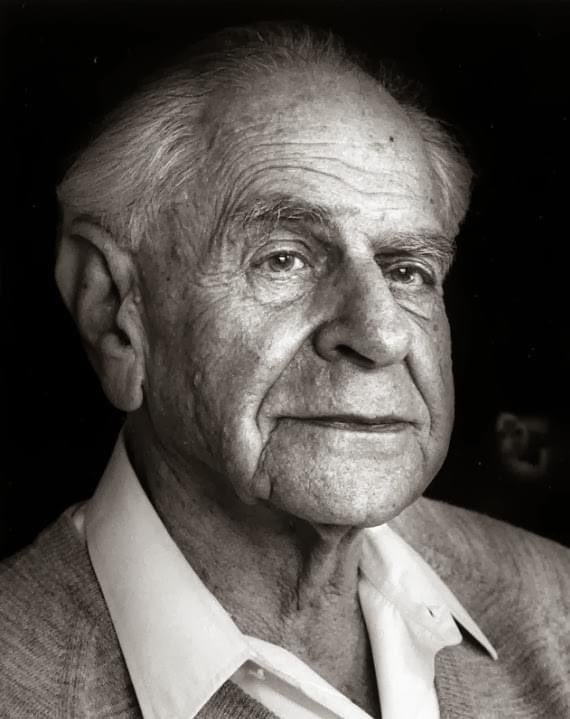
Karl Popper, der grosse Denker der „Offenen Gesellschaft“ und kompromissloser Kritiker des Marxismus, hat es unmissverständlich gesagt:
«Ich blieb mehrere Jahre lang Sozialist, auch nachdem ich den Marxismus abgelehnt hatte; und wenn es so etwas wie Sozialismus in Verbindung mit individueller Freiheit geben könnte, wäre ich immer noch Sozialist. Denn es gibt nichts Schöneres, als ein bescheidenes, einfaches und freies Leben in einer egalitären Gesellschaft zu führen. Es dauerte einige Zeit, bis ich erkannte, dass dies nur ein schöner Traum ist, dass Freiheit wichtiger ist als Gleichheit, dass der Versuch, Gleichheit zu verwirklichen, die Freiheit gefährdet und dass, wenn die Freiheit verloren geht, es nicht einmal Gleichheit unter den Unfreien geben wird.»
Als jemand, der in Genf Politologie studiert und sich dort intensiv mit Poppers Werk „Die offene Gesellschaft und ihre Feinde“ beschäftigt hat, hat mich besonders seine klare Ablehnung des Marxismus und sein unbedingtes Plädoyer für individuelle Freiheit geprägt.
George Soros hat seine Stiftung nach genau diesem Werk benannt. Als Student Poppers in London müsste er es eigentlich besser wissen. Manchmal frage ich mich allerdings, ob wir wirklich das gleiche Buch gelesen haben.
Denn was Soros und seine Open Society Foundations fördern – marxistisch inspirierte und woke-linke Projekte, die Gleichheit (Equity) systematisch über individuelle Freiheit stellen, Kritik unterdrücken und kulturelle Identitäten auflösen wollen –, steht in krassem Widerspruch zu Poppers Ideen.
Poppers offene Gesellschaft war zudem niemals ein Freibrief für grenzenlose Zuwanderung aus fremden Kulturen ohne echte Integration. Sie war ein Plädoyer für rationale Kritik, individuelle Freiheit und die Verteidigung liberaler Werte gegen jede Form von Totalitarismus – egal ob von links oder rechts.
Wer Popper wirklich gelesen hat, erkennt schnell: Die heutige instrumentalisierte Version der „Open Society“ durch George Soros ist eine Verkehrung seiner Ideen.
My office is full of plaques with my favorite sayings, and among them is this gem: “¿Por qué no te callas?” (“Why don’t you just shut up?”). Spain’s King Juan Carlos finally got fed up with the boorishness and interruptions of Venezuela’s then-strongman Hugo Chávez at an international conference in 2007 and blurted this out. Those of us who must endure obnoxious interventions and pompous orations at long meetings can sympathize with the King’s outburst, and it’s a good reminder that sometimes the best diplomacy is just staying quiet.
I knew Leonard P. Liggio (1933-2014) for decades. He never chased credit, but his fingerprints are on institutions across four continents. On his birthday, a tribute to a scholar who mentored a movement instead of writing his own book, https://t.co/0nHTbVJHoM
To the Americans:
I've travelled all over the world. I've familiarized myself with many places, and met many people. And I'm a Canadian, although I’m privileged to reside once again in the States.
And here's something I've noticed, and it’s a key element of America's continuing greatness:
You bloody Americans value success, and you believe in its existence.
This is something that doesn't really happen anywhere else in the world. Even in other free democracies—the United Kingdom; Finland, Sweden, and Norway; Australia, New Zealand and Canada; Germany, France, and the Netherlands (great countries all)—a counterproductive cynicism too often reigns.
Success is equated with exploitation.
Ambition is looked upon with contempt.
This happens sometimes in the United States too—particularly among the miserable progressives, who confuse their resentment, ingratitude and unearned skepticism with wisdom.
But in your great country, by and large, striving is admired and success celebrated.
This means that more people strive and succeed in the US than anywhere else. And it's increasingly obvious. You remain stunningly more innovative and productive than any people anywhere else on the planet.
And so I say, as all should who are fortunate enough to live in the western world, let alone America:
Thank God for the United States.
Thank God for the wisdom of its founders.
Thank God for its faith in the free market and in the natural rights of man.
Happy birthday, you damn Yankees and Southerners.
Long may your admirable country dominate the world.
Long may your freedom and hope provide an example to those suffering everywhere at the hands of their malevolent states.
May your two and a half centuries of unparallelled success be just the beginning.
Your country is the light of the world, and the city on the hill.
Thank God for the USA.
Happy 250th.
Dr. Jordan B. Peterson
¡Feliz 250.º Día de la Independencia, Estados Unidos! Que el sueño de libertad bajo la ley siga inspirando a las próximas generaciones, dentro y fuera de sus fronteras.
Vista del National Mall desde el Lincoln Memorial, octubre de 2025.
Felicito a Keiko Fujimori por su elección como presidenta de la República. Le deseo el mayor de los éxitos en la alta responsabilidad que asume, por el bien del Perú.
Perú 🇵🇪 ha rechazado el socialismo constitucional. Ahora debe reconstruir la libertad económica y el Estado de Derecho de manera conjunta.
@jlsardon ✍️ https://t.co/7j8VGuKT4b
El Perú 🇵🇪 no solo ha elegido a un nuevo presidente: ha elegido continuar con el modelo de libertad económica y ha rechazado el estatismo y la refundación constitucional.
@jlsardon ✍️ https://t.co/7j8VGuKT4b
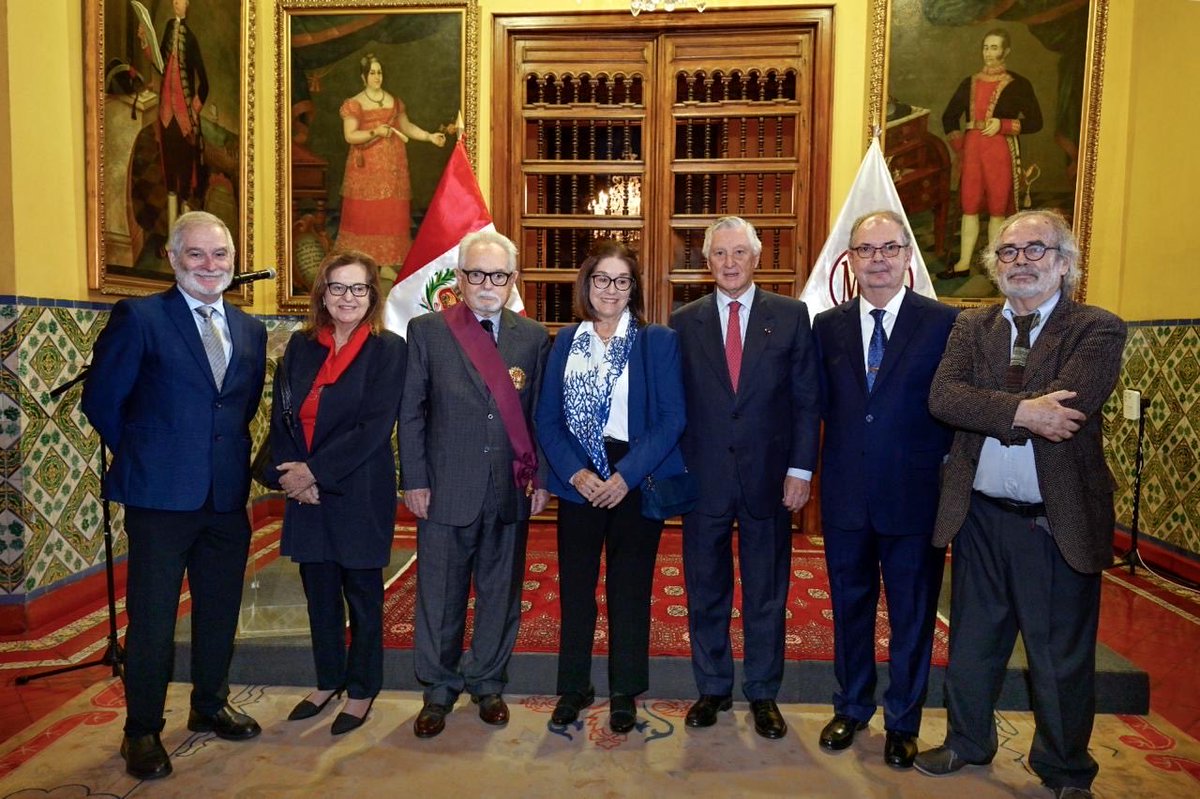
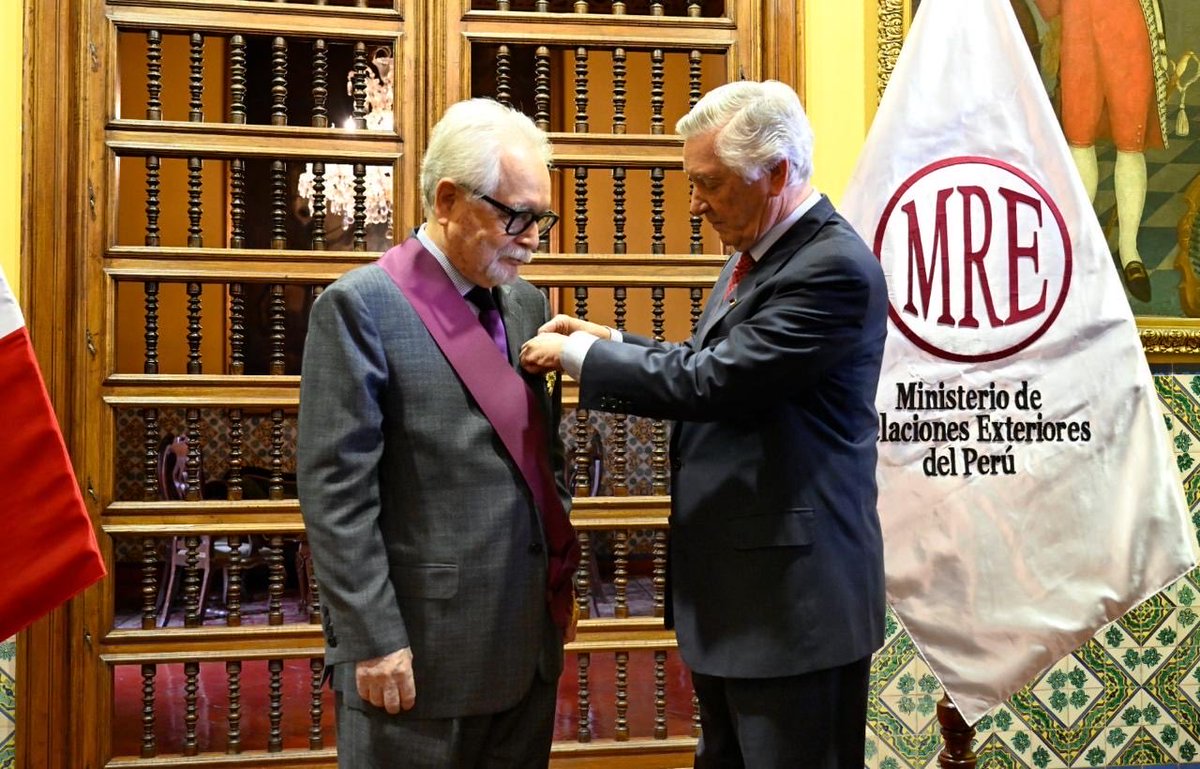
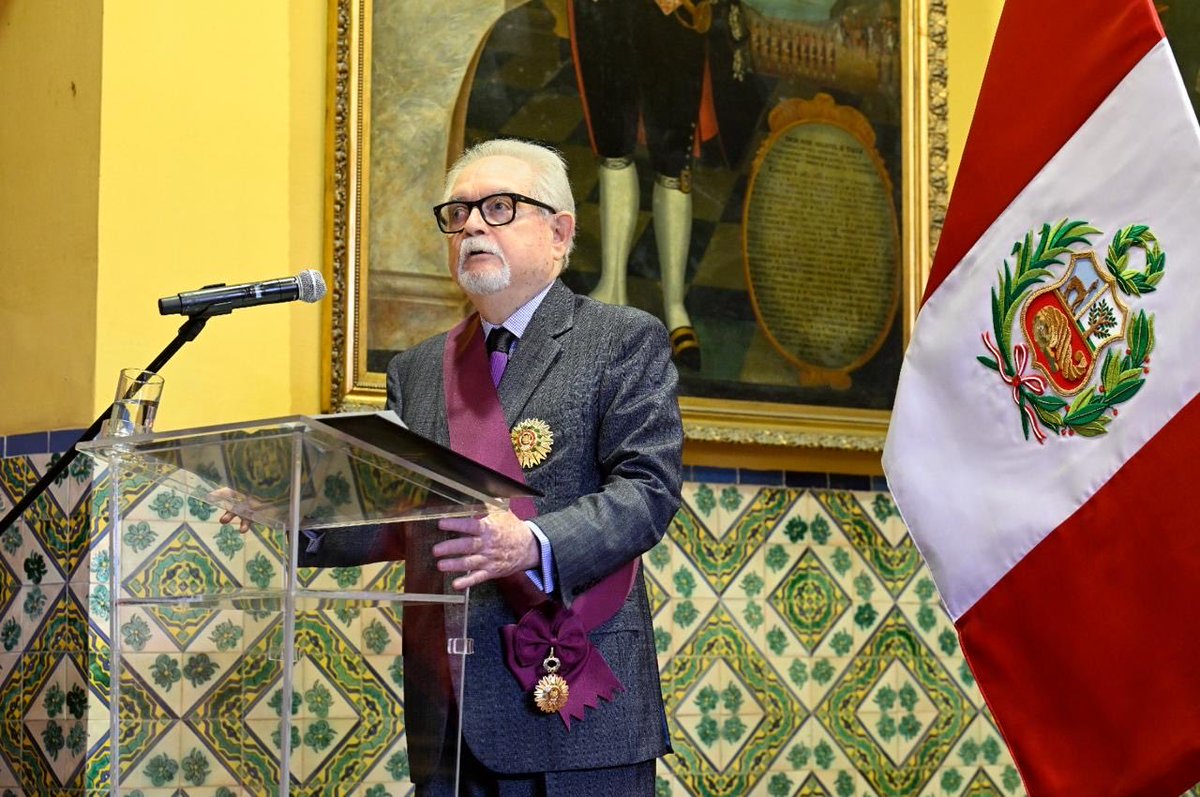
#NoticiasTorreTagle | El canciller Carlos Pareja condecoró a Felipe Ortiz de Zevallos con la Orden "El Sol del Perú" en el grado de Gran Cruz, en reconocimiento a su destacada trayectoria y valiosos servicios prestados al país como educador, humanista y servidor público. 🇵🇪
👉https://t.co/S3CZJbL4nY
Acton died on this very day, June 19, 1902, at a villa in Tegernsee, Bavaria — and a priest administered last rites as he passed. A fitting detail for a man who spent his life defending liberty from within the Catholic tradition. Relevant for @IFYLGuatemala@CDCovarrubias and @ActonInstitute
As someone who covered the region for a dozen years for the WSJ, and reported in astonishment how even under conservative Pres Ronald Reagan USAID was funding socialist projects in Latin America, I can assure you that this is 💯 accurate.
La ley que modificó el tipo penal de organización criminal también era necesaria porque se cometía el abuso de calificar como organización criminal cualquier pluralidad de intervinientes, e incluso a los partidos políticos. El caso emblemático fue el de convertir al expresidente Kuczynski, su secretaria y su chofer en organización criminal. Todo esto se ha prestado a la persecución política, inaceptable en una democracia.
El mito más falaz de los últimos años ha sido el de las “leyes procrimen” aprobadas por este congreso. Esas leyes modificaban extremos que permitían abusos inaceptables en la justicia penal.
Comencemos con la colaboración eficaz. Edwin Oviedo refiere en su libro cómo “la fiscal Sandra Castro me había pedido que conversara a solas y me propuso ser colaborador a cambio de involucrar a congresistas jueces y fiscales supremos y políticos. El 10 de diciembre me hizo la misma propuesta…”. Esa institución se convirtió en un instrumento de extorsión de los fiscales a los investigados para que denunciaran a terceros, en ocasiones al servicio de la justicia politizada. Se usaba las declaraciones de aspirantes para dictar prisiones preventivas contra terceros y luego se abandonaba al aspirante meses y años sin llegar a un acuerdo de colaboración. Por eso la supuesta “ley procrimen” corrigió los siguientes defectos:
• que el fiscal se podía reunir con el detenido sin abogado que garantice que el ingreso al proceso de colaboración eficaz sea voluntario y no por coacción;
• se obliga a que declaraciones del aspirante a colaborador sean grabadas para que el fiscal no pueda manipular al aspirante;
• se prohíbe la corroboración entre testigos colaboradores porque son delincuentes que testifican contra otros a cambio de obtener beneficios premiales.