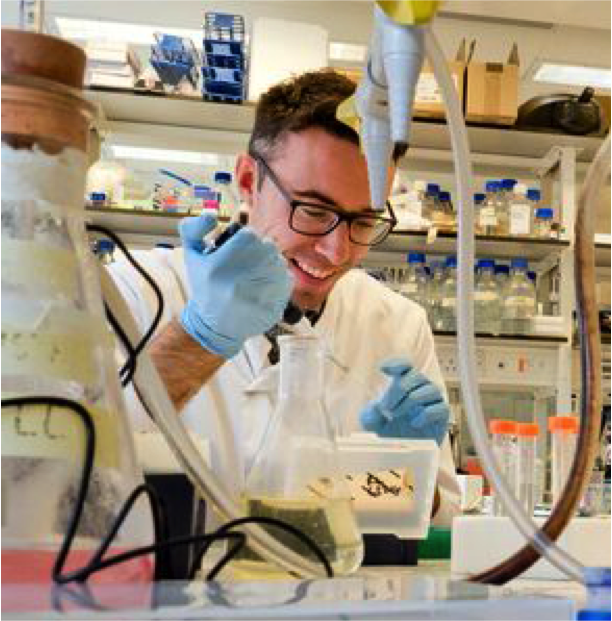
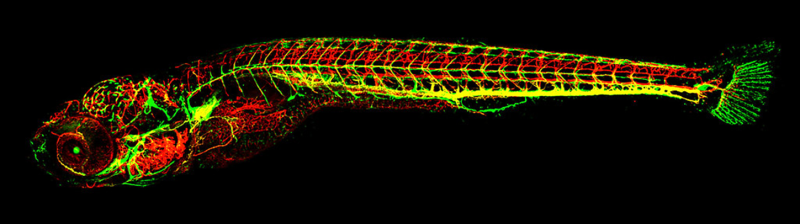
The new tool - now used across the world - was developed by research fellow Dr Richard Naylor who made it possible to use zebrafish larvae to easily and quickly screen new drugs for treating different kidney diseases.
In November, @OfficialUoM hosted an animal research debate alongside @RSPCA_LabAnimal @FRAMEcharity and @animalresearch. Openness and transparency were discussed and answers from the panel can be found at 13 minutes: https://t.co/KNHLZEuuGE #BOARD24
🫁 Human mini-lungs grown by University of Manchester scientists can mimic the response of animals when exposed to certain nanomaterials.
@FBMH_UoM@UoMNews
https://t.co/Kfg1SwhVZC
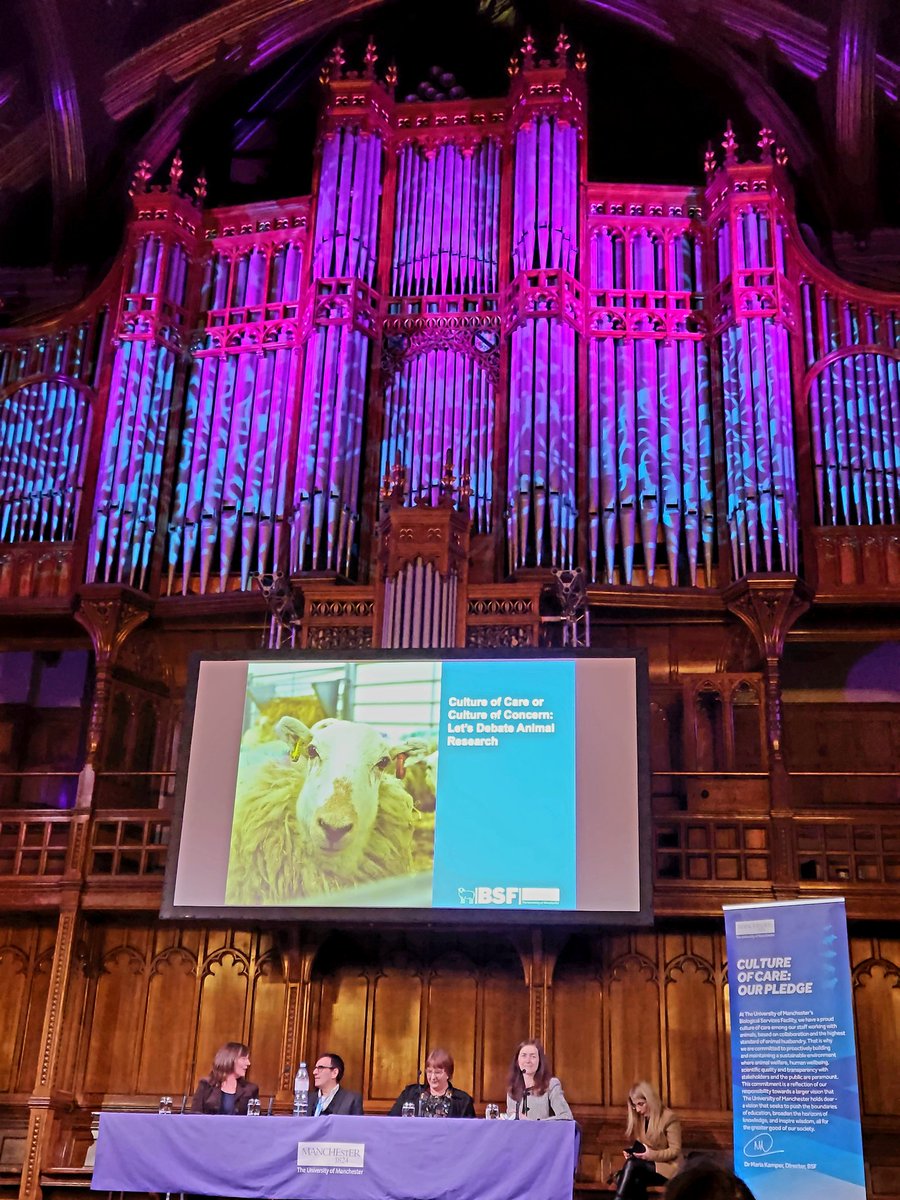
Last night we were at @officialUoM BSF 'Animal Research Debate: culture of care/ concern'. It's vital to appreciate & practice a culture of care for animals, who greatly aid research. Let's start by practicing the 3 Rs: Replacement, Reduction, Refinement of animals in research.
At @OfficialUoM , scientists have developed new models to investigate brain haemorrhage that can replace the use of mammals. This brilliant video explains how we’re doing it @NC3Rs@animalresearch@SMC_London
https://t.co/tjisqhnJG3
#Glioblastomas are difficult to treat and there's been no significant treatment breakthroughs since 2007. Founders of The Brain Tumour Charity speak to Future Leader Dr Ola Rominiyi about his research to find novel ways to treat #glioblastoma https://t.co/tpKiuAFXjm
@OlaTweetz
Today is #BOARD23
For everything you need to know about our animal enrichment, please check out the link below. After all, it’s the best way to ensure high standards of welfare for our research animals. @The_EARA@animalresearch https://t.co/ZludKOrCtd