3D-Print your own stainless steel flow reactor with any standard FDM 3D printer—plus DIY heating (200 °C) & cooling (–20 °C). Affordable, robust, and open source including a detailed manufacturing instruction. https://t.co/tbepHljZSS
#flowchemistry#3Dprinting#openhardware
Are you still spotting your TLCs yourself? Our TLC spotting robot will do the work for you. It is open source and can be built for around €500.
Link: https://t.co/VAlYUb3Lzm
@MenzelFlo@uni_tue#openhardware#3Dprinting
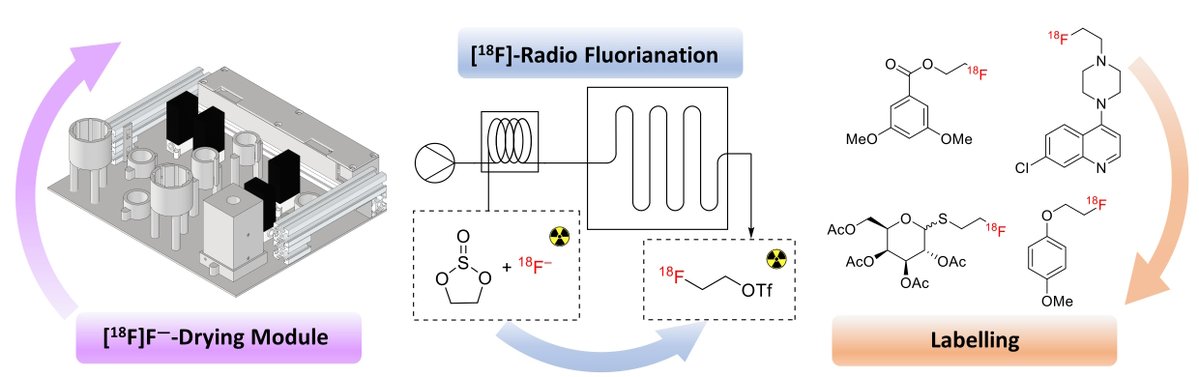
To all radiochemists: Do you still dry your 18F manually via azeotropic desitllation? Check out our drying module which can be build (3D print) for under 1000 €. @uni_tue@MenzelFlo@jonny_cotton@maur3ra@thezieglergroup
https://t.co/jm2Lwp5qEZ
@MedChemDan I have printed some more reactors (at 420, 450 and 480 °C, all leakproof). If you DM me your postal address, I can send them to you for testing....@KLchemistry@MedChemDan@Lees_tweeted
With a printing temperature of 420 °C, an inexpensive printer such as the Creatbot F160 PEEK (~2300€) could be used. Does anyone have experience with this printer?
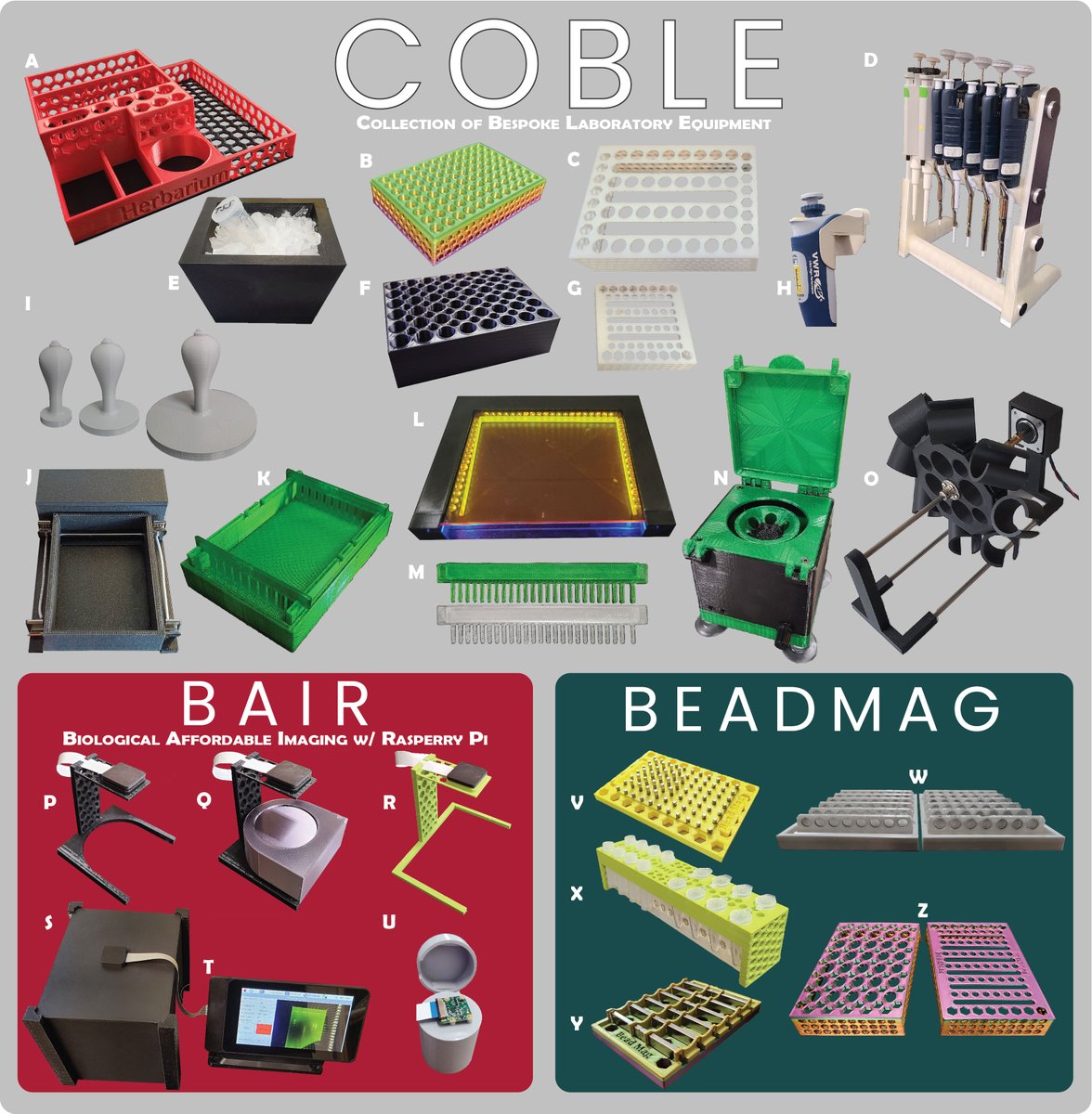
The Collection of Bespoke Laboratory Equipment (COBLE) is accepted with minor revisions in #AppsPlantSci which means I can finally post our designs! Want to #3Dprint your own lab equipment? Download the designs and step-by-step instructions here! https://t.co/A7TGFunaVA
Our publication on 3d-printed PEEK microreactors is now open source and available to all! A very good combination with FOMSy (see my last tweet).
https://t.co/WdawcjI4me
Our first paper about 3D-printed PEEK reactors is now published in Reaction Chemistry & Engineering! Congrats to Florian Menzel and Thomas Klein and @thezieglergroup. @uni_tue
see: https://t.co/vQjOxpcrA8