The Met Gala is a fundraising event that supports the Costume Institute at the Metropolitan Museum of Art. It’s just one of many annual charity galas. Others include the Angel Ball (for cancer research), Broadway Cares (for theater-related causes), Make-A-Wish (for critically ill children), Rock for the Rainforest (for environmental protection), and the Kennedy Center Honors (for the performing arts). Many organizations rely on galas to raise crucial funds for their missions.
Yet the Met Gala seems to attract a disproportionate amount of derision each year, dismissed as little more than a vulgar display of wealth. By that logic, every charity gala should be equally condemned. It’s true that these events often spotlight an absurd concentration of wealth. But IMO, the criticism aimed specifically at the Met Gala reflects a deeper bias—namely, the belief that anything related to fashion (or even clothing more broadly) is inherently frivolous and undeserving of serious support. I've long said that I think fashion is uniquely disrespected because it has been historically coded as a feminine interest, even if it's at the core of how we broadcast identity (for people of any gender).
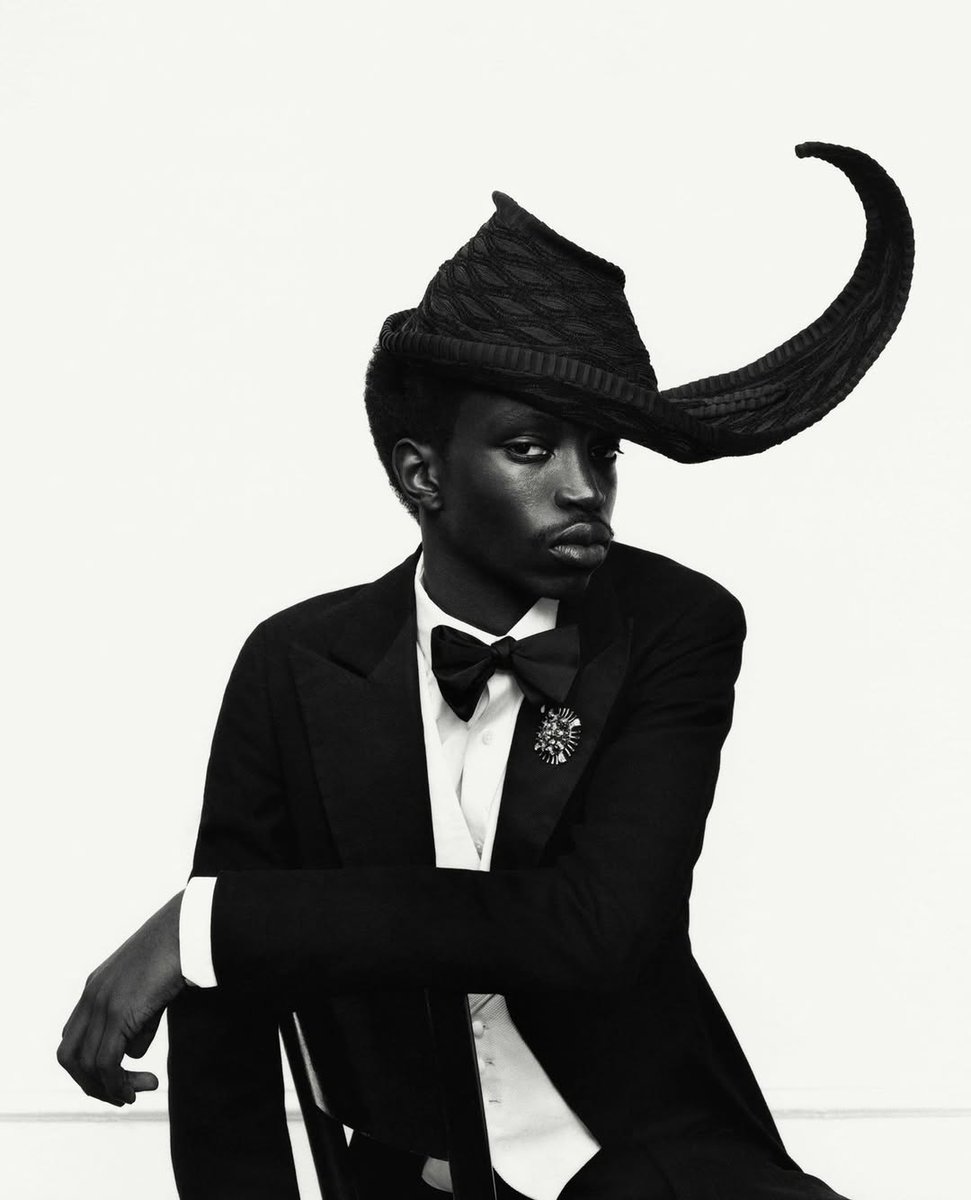
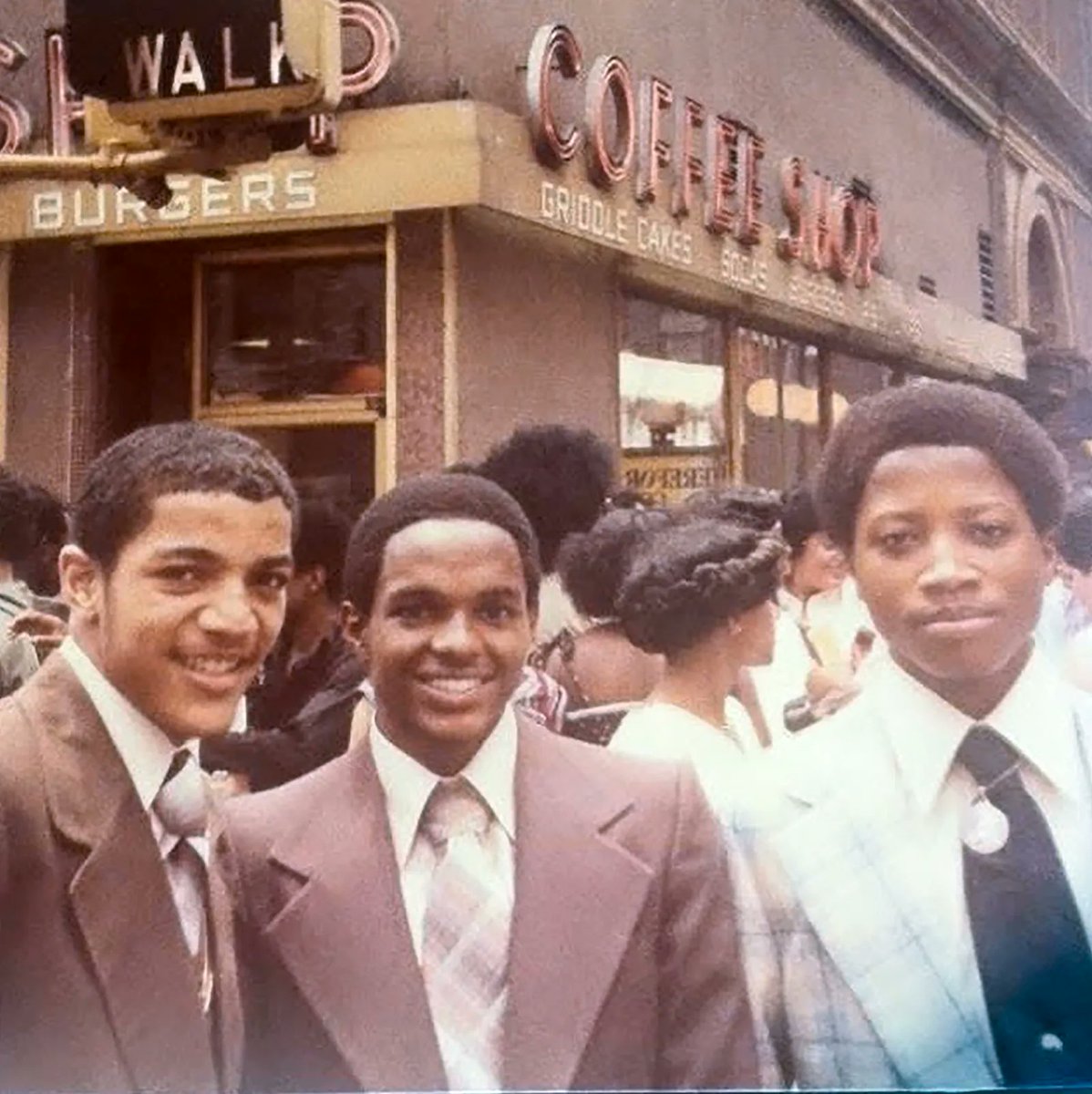
This year's Met Gala celebrates the history of Black dandyism, inviting us to reflect on how marginalized groups have used clothing to challenge stereotypes and assert dignity. I won’t launch into a tirade about how clothing is central to culture, but I'd like to think this message is why my account has grown. Fashion intersects with politics, economics, globalization, sexuality, gender, identity, and nearly every other dimension of human life. Black dandyism is just one lens into that larger story, offering a way to think more thoughtfully about how clothing is used beyond trends and celebrity.
So what exactly does boycotting the Met Gala accomplish? It risks cutting funding for the Costume Institute at a time when public support for the arts is already under threat, and it turns people away from a story about Black creativity and self-expression at a moment when efforts to erase DEI education from schools are gaining momentum. If anything, this is precisely when institutions like the Met should be supported—not abandoned.
The Met Gala raises money for an institute that does much more than simply preserve beautiful garments. The Costume Institute curates exhibitions, maintains an extensive archive of historical dress, and uses clothing as a lens to explore broader themes of culture, politics, identity, and society. Through its shows, publications, and educational programs, it helps the public understand how fashion has shaped the world around us. In doing so, it invites visitors to see clothing not as something frivolous, but as a vital, expressive part of human history.
Fundraising galas may feel extravagant, but they channel private wealth toward public enrichment. If we can motivate the wealthy to support the arts, education, medical research, environmental conservation, or any other essential cause, that should be seen as a victory, not a scandal. The real scandal would be letting these institutions wither because we were too puritanical about how money enters the system.
@dieworkwear interesting that he paints you as being part of the problem with conceptual progressivism when he’s the one not looking at the real world implications of his own idealism.
@RWWFilm@ZackMorrison18@TheAcademy exactly….just to be “considered” whatever that means😑 the nuts and bolts of that whole opt-in process has never been that clear in the first place.
@SPMJM@ZackMorrison18 I get the logistical reasons, but the spirit of this from a writer perspective is just more obstacles. Needing to be “vetted” before being allowed to submit to a comp is pretty gatekeepery. It’s like saying you can’t submit to Pipeline unless Austin refers you. Just feels off.