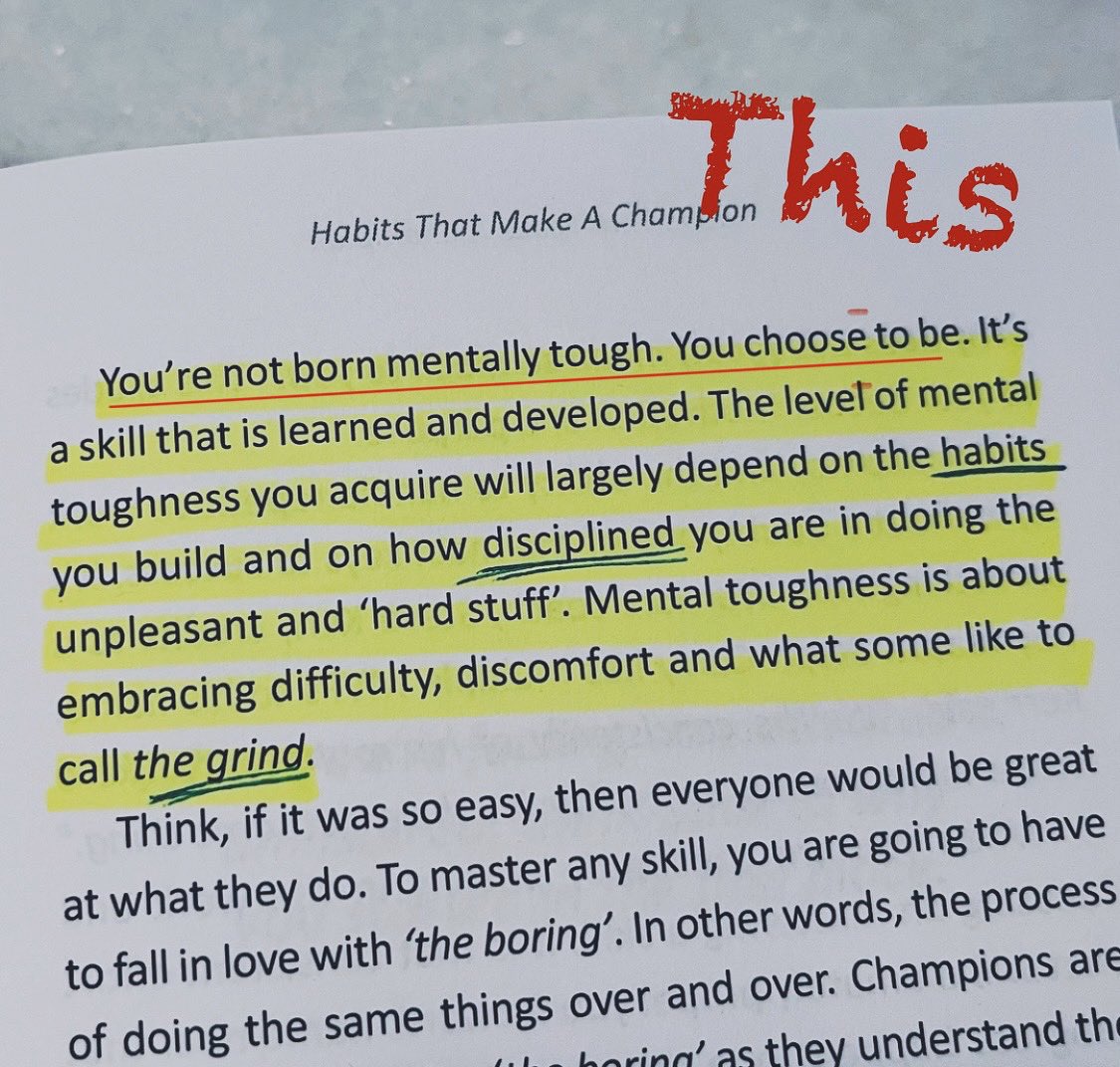
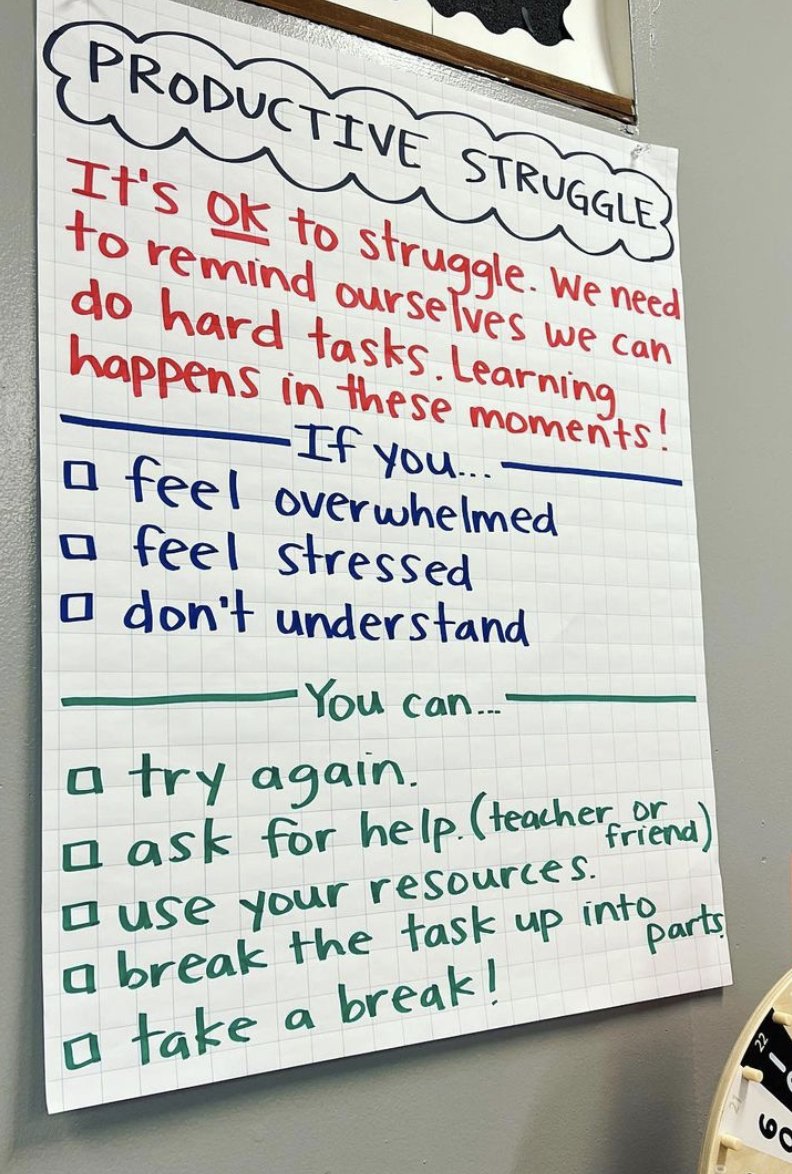
"A lot of life is what happens to you, but most of it is what we choose for ourselves. Make the best choices possible."
Life is hard already...Try not making it harder. https://t.co/NL5fe2eCRd
"You don’t always have to change the goal, but you often need to change the strategy.
When we do that, we are not giving up but finding a better way. That is what resiliency is about."
When Facing a Brick Wall, Try Going Around https://t.co/TqJ8LQi3Gz
"What is "old" is not always bad, and what is "new" is not always good.
Our focus should not be on what is "new" and "old" as much as it should be on what works for "learning."
3 Quotes to Consider on How We Use Technology https://t.co/kjjq2EhdiN
15 Google Forms templates you can use in class TOMORROW!
📊Interest Survey
🔐Digital Escape Room
🧠Brain Dump
✅Self correcting quiz
🤔Lesson reflection
and MORE!
https://t.co/ubTeMMD997 #Ditchbook
You can’t make anyone else change; all you can do is create the conditions where change is more likely to happen.
I remember speaking with an administrator and hearing him complain that his staff wasn’t moving forward. Instead of commiserating with him at that moment, I said, “Maybe it’s you?”
It caught him off guard, but there was a point.
Too often, myself included, when we try to lead people to new ideas, and they don’t immediately embrace them, we blame them instead of looking at where we may be deficient. Sometimes, the new “approach” is sharing the ideas over again, only louder. That approach rarely works.
In this week’s newsletter, I shared 3 things that have helped me rethink how to help create better conditions for others to embrace change.
1. Truly listen to their thoughts and viewpoints, and be open to the idea that your way might not be the best.
2. Recognize that you also had resistance to new ideas, including things that you might consistently do and believe today. Be open with your own story of resistance and what made you change.
3. Start by focusing on the areas in which others are excelling, as opposed to your perception of their deficits. People who feel valued are more likely to move forward. People who feel you are trying to “fix” them will fight you non-stop.
You can only control your own actions. What do others see in you that will make them want to move forward, by your side?
People are more likely to take steps forward on a path if they see footprints from others already on the ground.
Read the entire newsletter here: https://t.co/RLL3MFCU8o
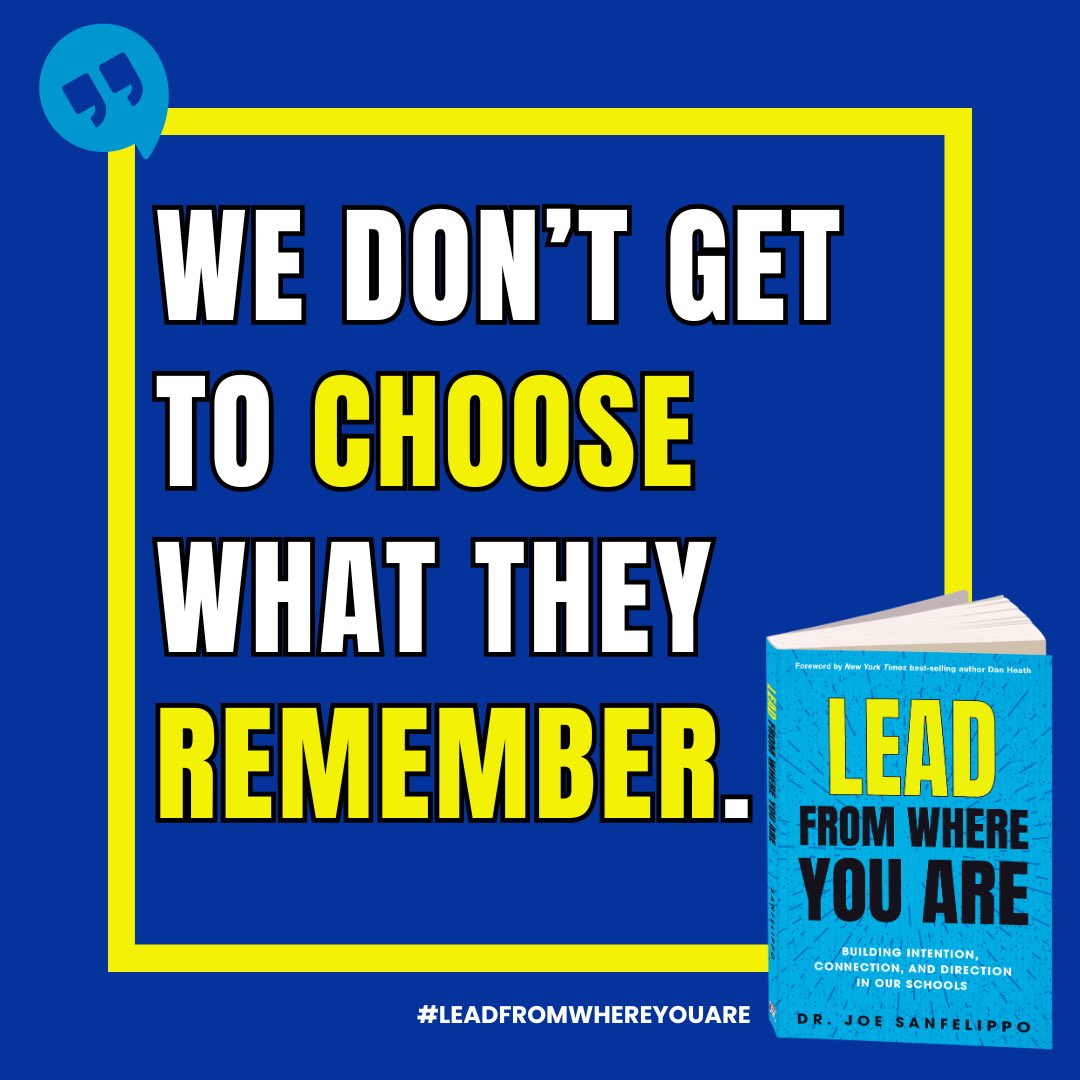
We don’t get to choose what they remember…but the more opportunities we give our chance to be remembered the way we want to be remembered the better chance we have to be remembered the way we rant to be remembered. #GiveYourselfAChance#LeadFromWhereYouAre
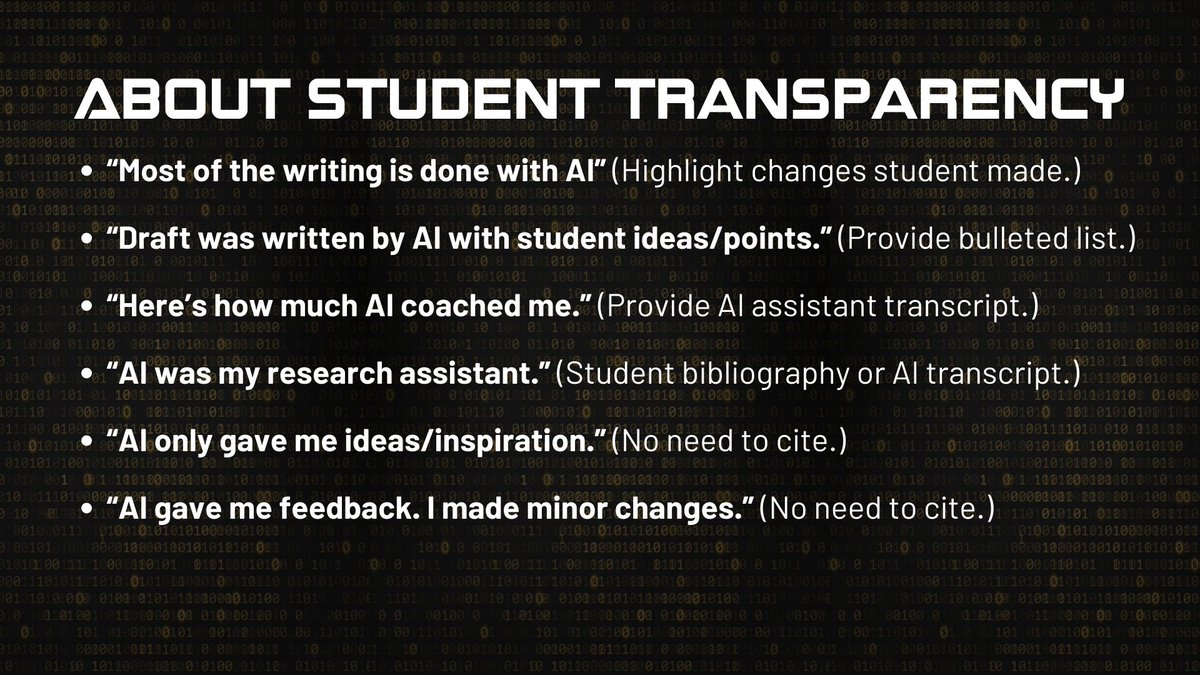
How should students give credit to AI?
A slide from a recent presentation on AI, cheating, and academic integrity.
This doesn't speak to formatting of citations, but rather TRANSPARENCY.
Talking about and modeling transparency is a big part of getting AI right. #aiforedu
On Monday, the education department released its blueprint for the nation's ed-tech priorities and UDL is mentioned on 74 pages of the 113 page report!