Consideration.
A skill that requires the least amount of effort with quite possibly the highest return.
I read a quote recently that talked about consideration, how it was one of the highest forms of love and I have not stopped thinking of it since.
To be considered is to simply be thought of. No not constantly putting others ahead of you where you’re people pleasing to your own detriment, but it’s taking yourself out of the center of the universe and for a second putting someone else there.
It’s being at the store and saying - do you need anything while I’m out?
It’s looking at the calendar and taking note of things that are coming up.
It’s sending a text or answering one.
It’s giving yourself a few extra minutes to be present with those around you before rushing out the door.
It’s pausing before you reply or comment.
It’s communication.
It’s simple daily acts of love that don’t break the bank or exhaust your energy reserves.
It’s seeing people as people and recognizing everyone is carrying a lot and doing the best they can do.
It’s not carrying the load for them, but it’s simply giving them a boost when they need it.
For a coaches wife that’s needs ( at times) fall behind those of the team it’s a genuine gesture of “I know you get the least of me, but I couldn’t do this without you.”
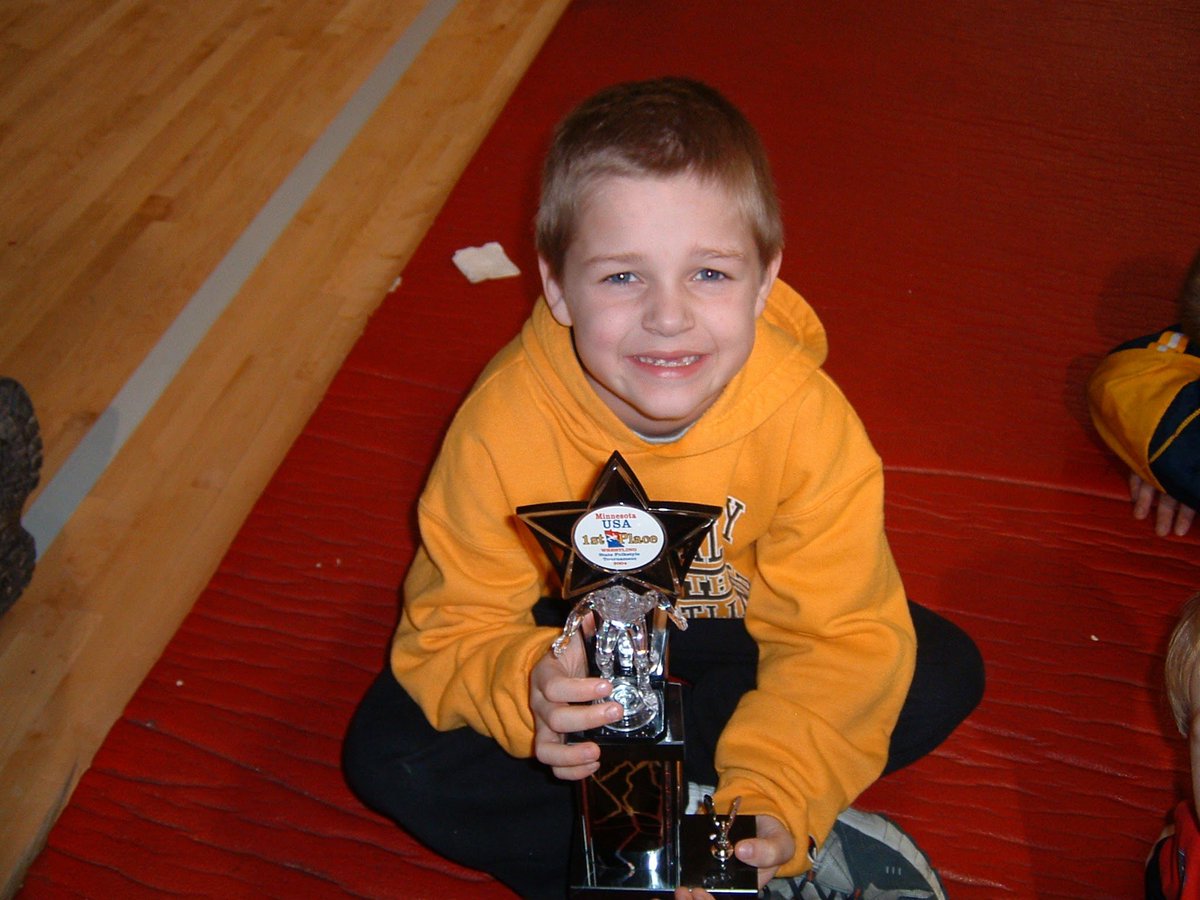
📸 Hendrix
Thank you to all the moms that keep the rest of us guided! Wrestling moms from morning breakfast to sitting in the bleachers for a 10 hour day to dealing with making weight mood swings to big hugs after a win or loss! And so much more!
The @sfsaintssb team punches their ticket to next week's @FCSAA championship. The Saints have earned a program-high 41 wins so far this season. Plus a shoutout to a majority of local talent, including Ellie Frierson of @BucsSoftball_
There’s no single path in wrestling.
Some kids need to be pushed early. They’re winning everything, dominating locally, and if you don’t get them into better rooms and tougher tournaments they get comfortable. They start thinking they’re better than they actually are. Those kids need to get tested early so they stay hungry and stay humble.
But on the flip side, some kids are already getting tested every day. They’re losing in the room, losing at tournaments, struggling to place. And that’s where parents panic. They think something’s wrong so they try to add more—more training, bigger events, tougher competition.
That’s where it gets messed up.
If your kid is already getting beat, already dealing with adversity, already having to figure things out… they’re on the right path. That’s how you build resilience. Not from winning. From losing, adjusting, and showing back up anyway. Throwing them into something even harder doesn’t speed it up. Most of the time it just buries them. Harder isn’t better. Better is what they actually need.
The biggest problem is comparison. Parents see another kid dominating at the same age and think their kid is behind. So now it becomes blaming coaches, blaming the room, blaming everything instead of just understanding they’re on a different timeline.
You’re watching a snapshot and acting like it’s the whole story.
Some of those early studs never learn how to lose. Then they hit college, get beat every day, and they don’t know how to respond. No resilience. No identity. They fade out. Meanwhile the kid who couldn’t win a bracket at 10 learned how to handle losing, learned how to adjust, learned how to keep showing up when it sucked. That kid becomes dangerous later.
And then people get burnout completely wrong.
Burnout almost never comes from training too much. It comes from pressure. It comes from a kid feeling like every match defines them, like they’re letting people down, like they’re never doing enough. That’s what drains them.
You rarely see a kid who truly loves it and owns it burn out from mat time. What you do see is kids start to check out. They stop focusing in practice, go through the motions, avoid hard situations, and become inconsistent. Then people say they’re burned out.
No—they’re detached.
Wrestling stopped being something they enjoy and became something they feel judged on. And a lot of the time those kids were never fully bought in, they were just carrying expectations.
That ties right back into the path.
When you force a kid into a path that isn’t theirs—chasing rankings, chasing other kids, chasing results—you don’t build confidence, you build anxiety. So when things get hard they don’t lean in, they pull away.
The kids who last are the ones who were allowed to develop. Win, lose, struggle, figure it out. Because it’s theirs, not yours.
If your kid is winning, good—challenge them.
If your kid is losing, good—let them grow.
Either way stop panicking. Most kids don’t fail because they were on the wrong path. They fail because someone rushed it or made it about themselves, and eventually the kid walks away.