Doing my bit for Geordie-Brazilian relations. More Fumaça than Mirandinha. PhD on British entanglement with Brazilian slavery. Hon. Fellow @durham_history
@_alice_evans@jcaetanoleite He*. Plus as others have pointed out, there is still a wealth of Brazilian sources available. I was only able to write my book because of notorial and judicial records which exposed British involvement in Brazilian slavery when sources in the UK were punctuated with silences.
Read about how British companies profited from slavery in Brazil long after abolition, from our History Honorary Fellow @JoeMulherm, in @guardian.
@TiagoRogero@AnthemPress
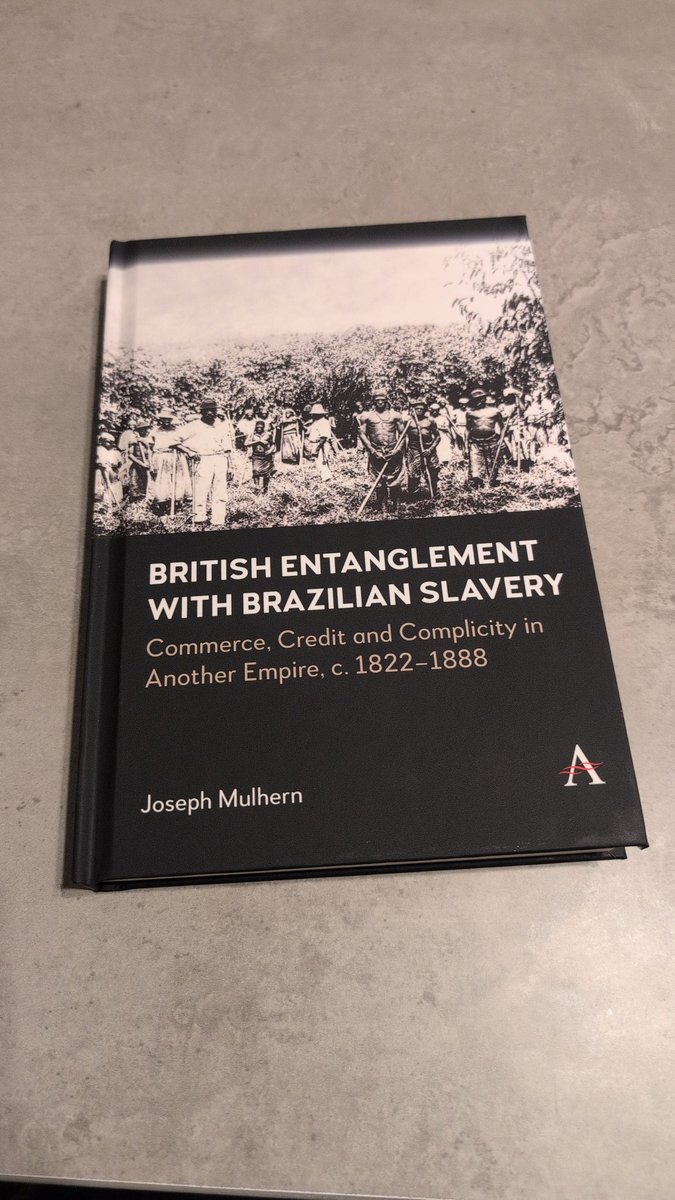
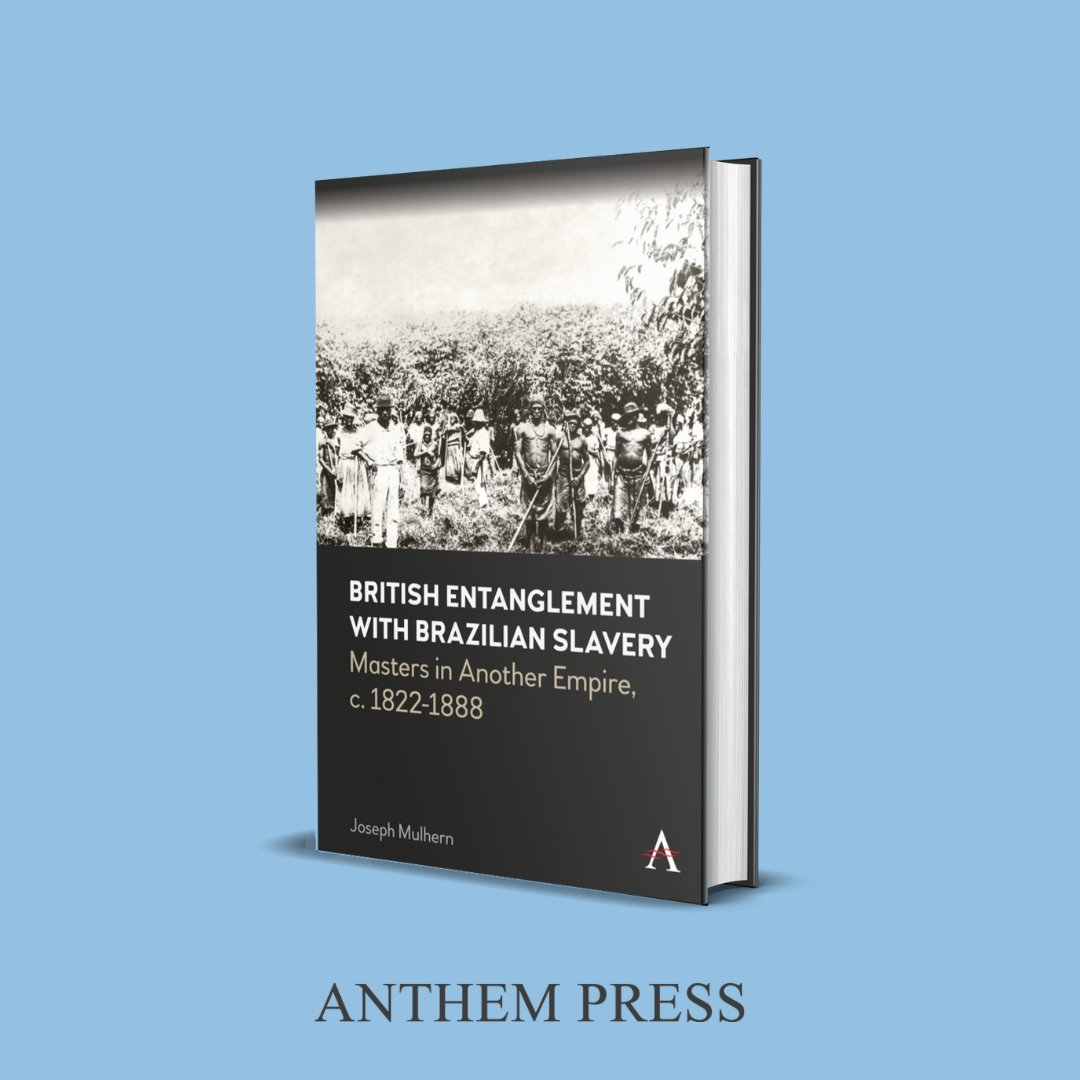
A couple of years after we featured on the same episode of the Guardian's Cotton Capital podcast, I had the pleasure to speak to @TiagoRogero about my book on British Entanglement with Brazilian Slavery (@AnthemPress, Feb 26).
Gratidão. Boa leitura!
https://t.co/jvnVWHzVlu
‘These connections are overlooked’: how British companies profited from slavery in Brazil long after abolition
Britons learn about the country’s involvement ‘almost as a self-congratulatory narrative’, says historian Joseph Mulhern
https://t.co/sLjPAb5scd
Many thanks! Being able to maintain a link to the excellent research community at @durham_uni was so important as my career took a different path.
Hoping to get back sooner rather than later to discuss the book and catch up with old friends!
Congratulations to our @durham_history Honorary Fellow @joemmulhern on his new book British Entanglement with Brazilian Slavery👏
https://t.co/7nS1V9C8iw
@AnthemPress
As someone no longer in full-time research, I wasn't sure I'd get this over the line, but here it is!
This is my modest effort to (re)write Brazil into the history of Britain's involvement with transatlantic slavery.
Too many people to thank here but you know who you are!
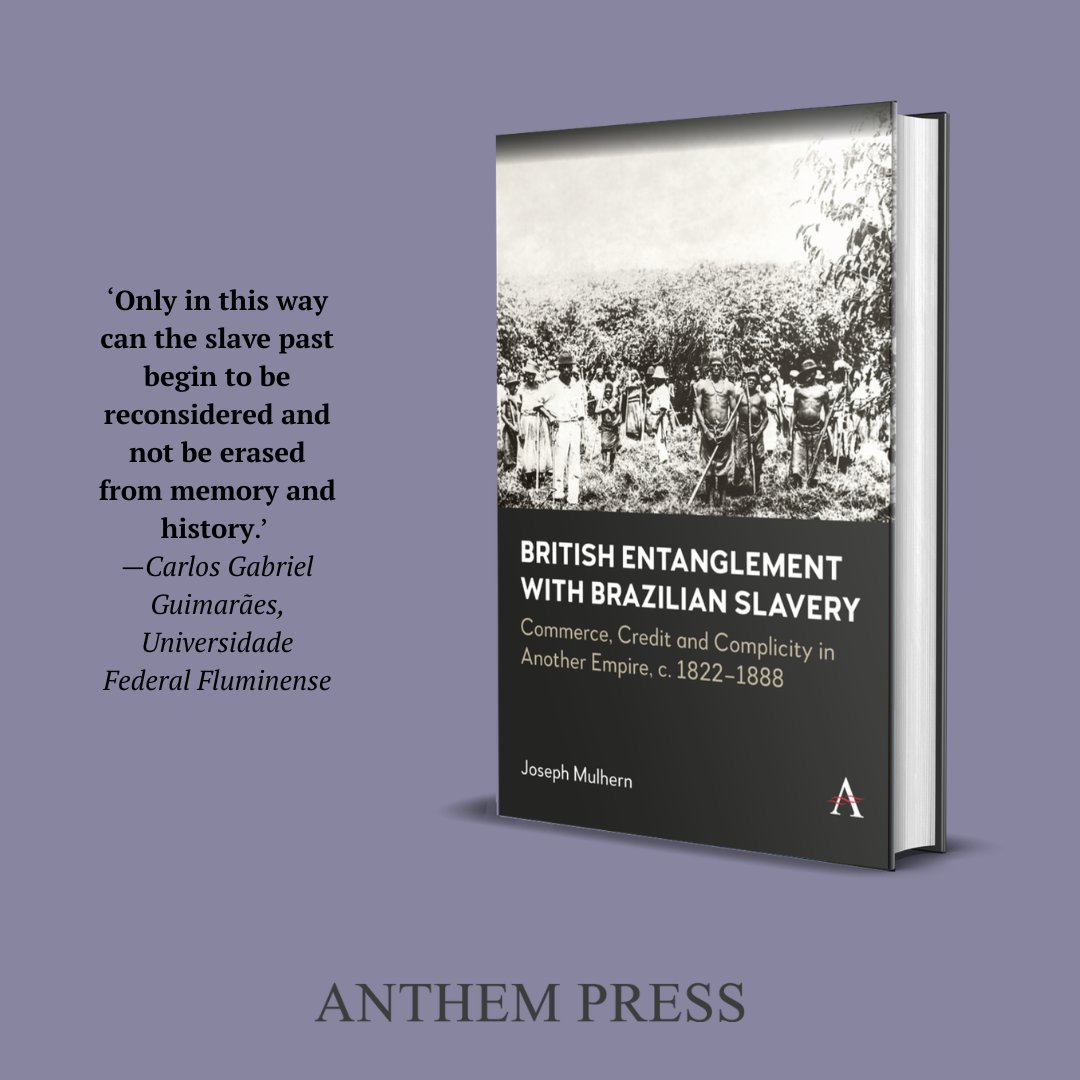
Just released! Looks beyond the British Empire and the Slavery Abolition Act to focus on Brazil as the final frontier of Britain’s centuries-long involvement with transatlantic slavery. See here ➡️ https://t.co/EPK3xg1HcN @joemmulhern@durham_uni#HistoryOfSlavery#AnthemPress
@Gabeyoncee Unfortunately it is not the easiest book to get a hold of. I managed to consult a copy through an interlibrary loan from a university library here in the UK
@Gabeyoncee I have not seen the original, but a version of Joseph Moore's diary was published as J.W. Moore, The Revolution of 1831 with notes by J.M Harvey (São Paulo: Sociedade Brasileira de Cultura Inglesa, 1962).
@mbarcia24 @M_H_Taylor Thanks Manuel! It's getting there. The book has a new chapter on the ST: "Advocates and Supporters": British Merchants and the Slave Trade to Brazil.
Come along to our #BlackHistoryMonth Keynote Lecture: “Writing Black History in Another Era of Backlash” feat. historian Christienna Fryar🌟
🗓️27 Oct, 7pm
📍PCL048, Palatine Centre
🎟️Open to all, register ➡️https://t.co/QPpsUgQt3I
@bame_du@DurhamPOCA@durham_uni@seefryar
New in JSDP: Enslaved, Liberated, + Free People of Color in Brazilian Slave Society w/ articles by Cassia Roth, Mary Karasch, Kristin Mann, Urano Andrade, Ian Read, Tayná Baptista Ferreira, Kennah Watts, Joseph Mulhern, Aldair Rodrigues, Bruno Buccalon https://t.co/UTOWeVvk4i
My first and very minor foray into digital humanities is this dataset and accompanying article in the Journal of Slavery and Data Preservation. This issue has some great resources for research and teaching on Brazilian slavery! @EnslavedOrg https://t.co/dUu3pQdhHf
O episódio 4 de Cotton Capital enfoca a escravidão no Brasil.
@JoeMMulhern contribui para o debate sobre o papel dos comerciantes britânicos como fornecedores do tráfico de escravos e como proprietários de escravos no Brasil, muito além de 1807 ou 1833.
https://t.co/pAJN8ORCbX
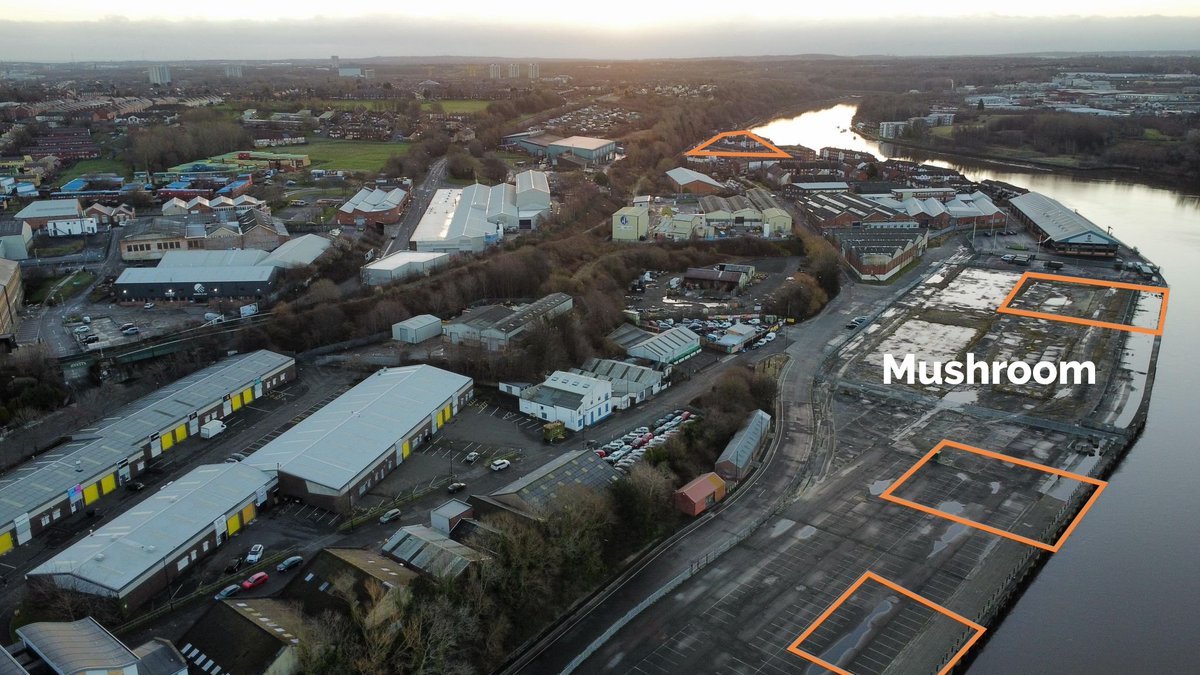
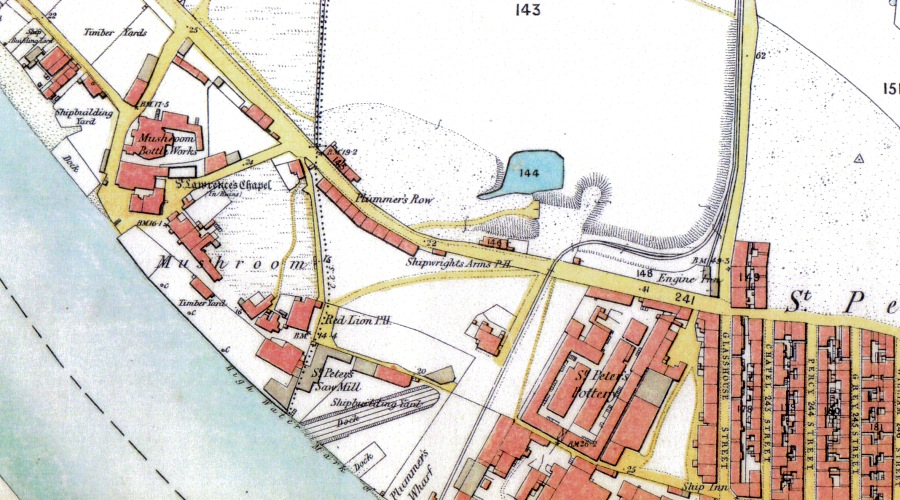
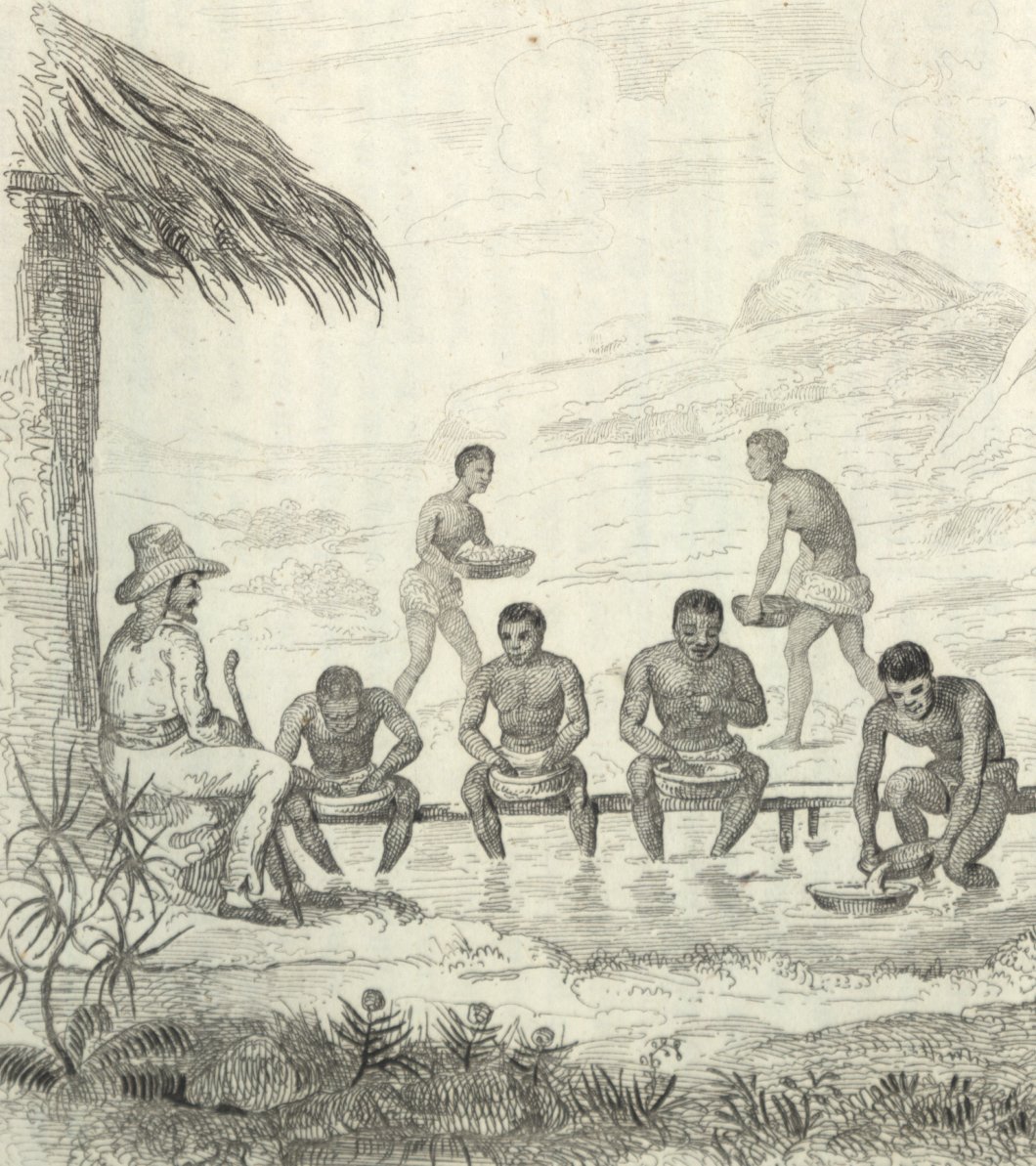
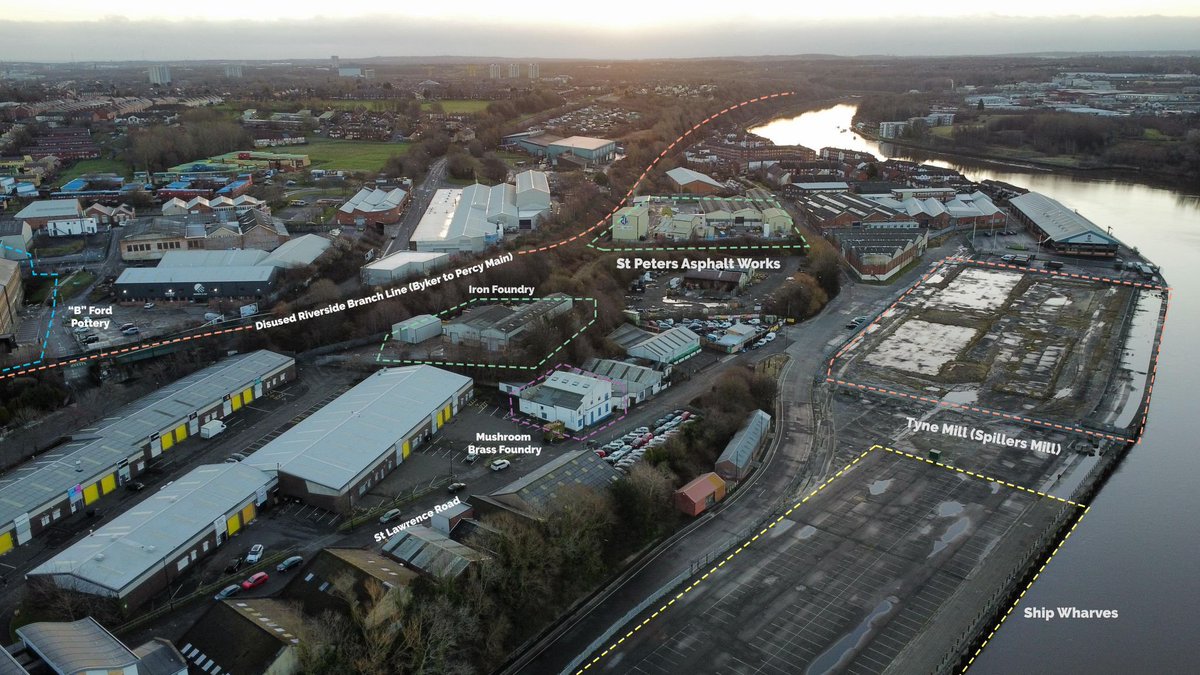
@neheritagelib Very interesting! There's an unexpected, albeit short-lived, connection between St. Peter's and a slave-worked gold mine in Brazil (see 🧵). Trying to work out where that property would have been on your map! https://t.co/Ynd1EnR60v
After today's walk down the banks of the Tyne, a thread on the connection between this stretch of Newcastle's riverside, St. Peter's, and slavery in the gold mines of Minas Gerais, Brazil. Though now calm spot, this is a story of the Coaly Tyne of the 1860s...
This is an excellent map of the area in the 1850s, illustrating the site of a few of Byker's shipyards. I've taken liberty to annotate where they would be today, as well as the area once the shipyards were lifted by the 1890s.
Listen to @joemmulhern from @durham_history on the latest @guardian Cotton Capital podcast, which explores the ‘Brazilian connection’ of the Transatlantic Slave Trade