@CrystalZebra@investigatormc The only thing that keeps that tail on is one pin about as big as the grip on a tennis racquet. When you see one in 12 year inspection you say, “is that all that is holding the tail on?”!!!!!!!!!!
@nofiltersnick@CrystalZebra The rest of them were smart enough not to fly through a dangerous/catastrophic thunderstorm while operating near their high speed/low speed limit.
@realshannonwong@SierraHotel_777 Yes but aircraft damage is the price to be paid for living. Given the choice of living or dying I choose dropping the gear. It is a recommended procedure when aerodynamic control cannot be attained such as a spin where you need to shift the cg and blanketing effect of the wing
@SierraHotel_777@realshannonwong That is actually a recommended procedure in Lrjet loss of control recovery procedure if you can't aerodynamically recover
@realshannonwong Aerodynamics, lack of radar knowledge and improper oversight by the aircraft operator (the company) and it's dispatch department, the director of operations and the chief pilot is what caused this accident.
@realshannonwong I have been a corporate pilot for 40 years and a chief pilot for 16 years. My first type rating in a jet was the Learjet (LRjet). The original wing was a fighter jet wing design and not particularly forgiving under any circumstances and definitely not at higher altitudes. The
@realshannonwong Which instantly adds weight, loss of aerodynamic efficiency and decreasing engine power due to icing of the engine fan blades. All of this would make the aircraft a lawn dart which is what happened. Pilot inexperience, lack of knowledge of high speed and high altitude aero-
@realshannonwong Of radar training and the ability to recognize and avoid such situations was necessary.
I have also flown at high altitudes where supercooled water droplets from storms instantly covered the aircraft like a slapping on of ice all over the whole airframe in an instant, which
@realshannonwong That flying through a red-level storm above 20,000 feet is extremely dangerous and red level above 30,000 ft has the energy to be catastrophic. My first act as chief pilot was to mandate a radar training course for our whole fleet of 400 pilots because I saw a lack of knowledge
@realshannonwong They flew through a growing thunderstorm in an area already identified as a dangerous storm area by the NWS for pilots to avoid which shows their preflight planning and their use and/or knowledge of airborne aircraft radar was lacking. Any radar course will tell you that a red
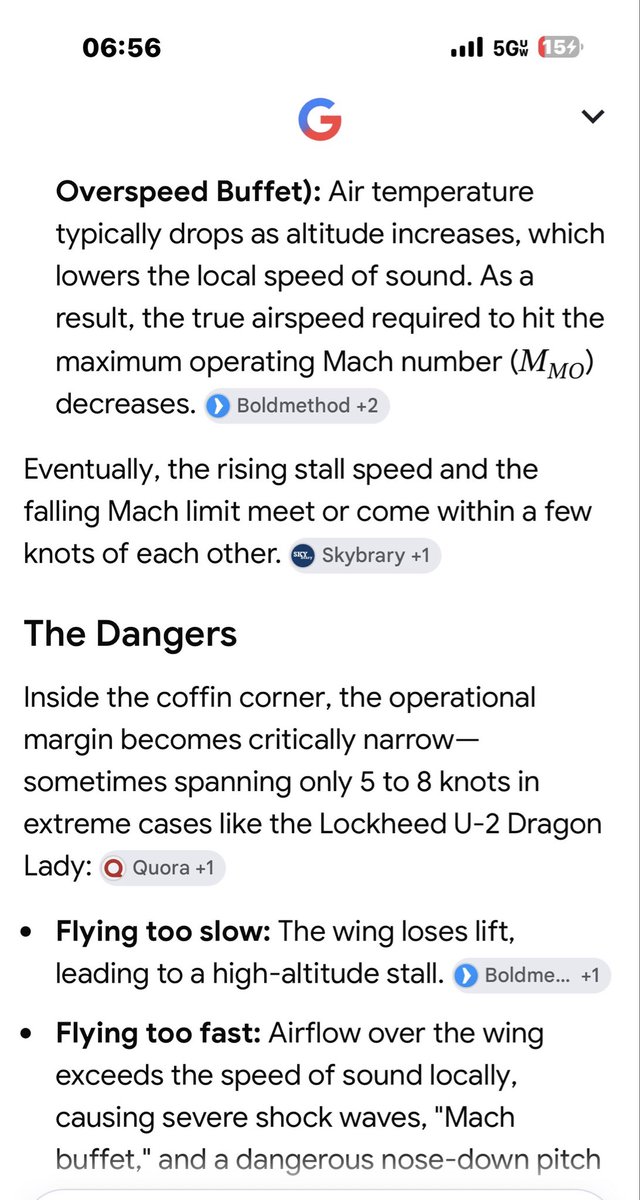
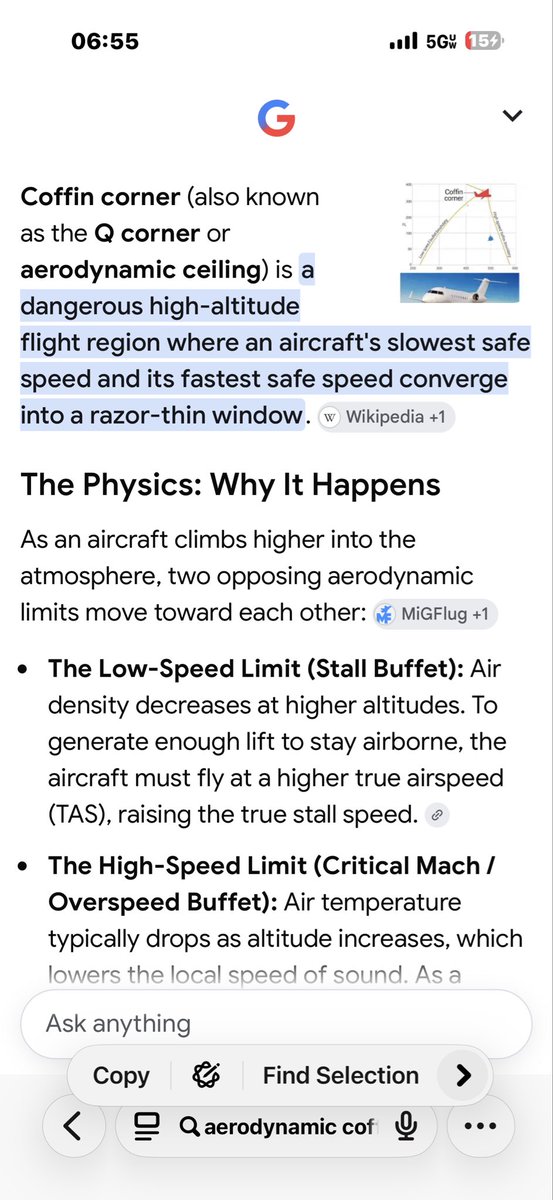
@realshannonwong The “coffin corner” cannot be avoided by trying to maintain altitude in turbulence at higher altitudes and climbing the aircraft or trying to maintain level flight will only lead to an aircraft upset and loss of control. Which I am sure is what happened. Additionally, they flew
@realshannonwong “Coffin corner” which is the speed between low speed stall and high speed center of pressure shift on the wing causing loss of aerodynamic control can narrow to a very small margin and at higher altitudes can only be maintained in smooth air and cannot be maintained in turbulence