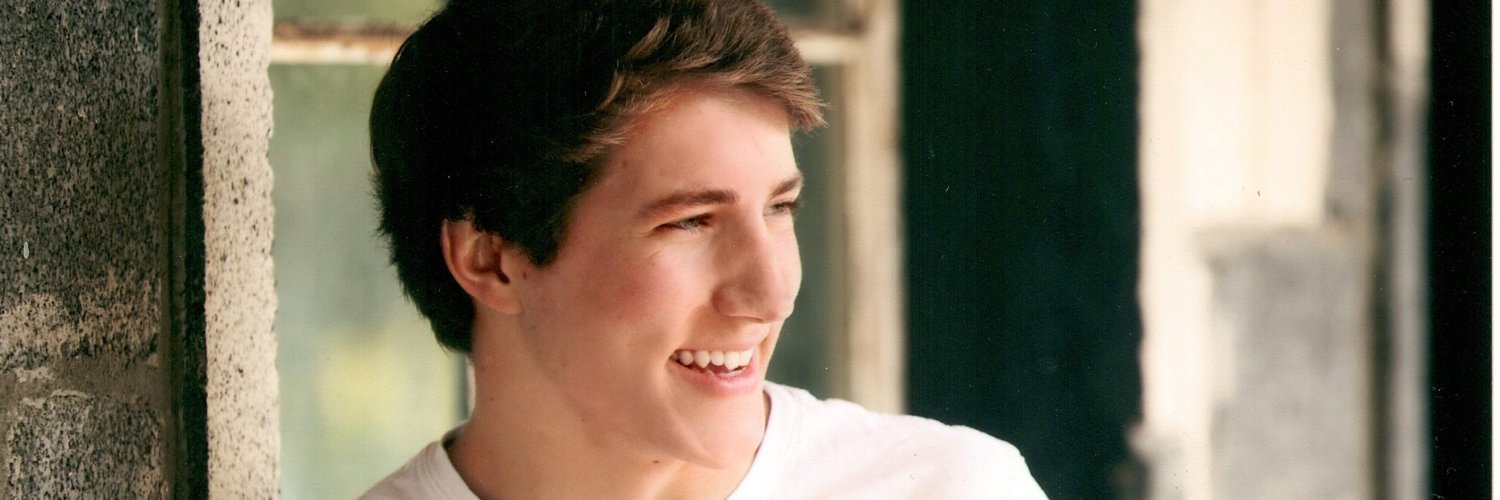
Johnny Stack died by suicide after becoming psychotic from high potency wax. Now saving our youth from the harms of THC products. Posts by mom Laura Stack.
Hello, I’m Laura Stack, the Founder and CEO of the nonprofit, Johnny’s Ambassadors Youth THC Prevention. I formed our nonprofit after our 19-year-old son, Johnny, died by suicide after becoming psychotic from using marijuana. He started using at 14 years old when marijuana was first legalized in Colorado and then got a “medical card” at 18, even though he had no medical issues. The budtender at the dispensary told him high potency THC vapes and wax would be best for him. He lost his mind, thought the mob was after him, and jumped off a building to his death.
Johnny’s Ambassadors now educates parents, teens, and communities about the impacts of today’s high potency THC products such as marijuana, concentrates, vapes, and edibles on adolescent brain development, mental illness, and suicide. This article is written on behalf of and in defense of our 2,400 Parents of Children with Cannabis-Induced Psychosis (POCCIP) support group and our 20,000+ members who have been impacted by youth marijuana use.
As you’ve heard by now, President Trump issued an Executive Order to change the classification of marijuana from a Schedule I to a Schedule III. This has already caused a lot of confusion and will be particularly confusing to young people. We educate hundreds of thousands of teens every year in middle and high school assemblies and classrooms. So, even though rescheduling doesn’t make marijuana legal, I know many teens are going to THINK it’s legal or at least less harmful, and it does neither of those things.
Schedule III classifies marijuana in the same category as testosterone and Tylenol with Codeine, which is absolutely ridiculous, as it’s much more harmful. Schedule III means it still has potential for abuse and physical and psychological dependence. Notice it wasn’t completely de-scheduled under the Controlled Substances Act like alcohol, which is what the marijuana lobby would have loved. We don’t pretend alcohol is medicine.
This order only relates to “medical” uses of marijuana and has nothing to do with recreational marijuana. It doesn’t make state-grown marijuana legal. The 40 states where cannabis is currently legal for medical or recreational use will still be ignoring federal law. Schedule III says it is illegal to possess without a doctor’s prescription and distributed by a legitimate pharmacy, not a “recommendation” from a fake pot shop doc like my son’s and sold by a dispensary with unknown contaminants.
Rescheduling a substance is a separate process from the FDA’s drug approval process through its New Drug Application and clinical trials. Any medicine derived from marijuana must still be approved by the FDA. There is currently no FDA approved raw marijuana flower. There are 100 known cannabinoids and over 140 identified in marijuana, but only two of those cannabinoids, THC and CBD, have been isolated and approved by the FDA for any legitimate medical use. Note the word is FDA “approved,” not “accepted” by many people who use it for off-label purposes.
The original intent of legalizing medical marijuana was to help those suffering with serious illnesses, even though there was no scientific evidence that it would be beneficial. If a young person is experiencing severe nausea from chemotherapy treatment for cancer or has no appetite due to HIV, they should speak to their doctor about the potential use of the FDA approved synthetic THC prescription called Dronabinol as a last resort. According to the FDA insert in the product, Dronabinol can cause hallucinations and feelings of depression. Another FDA approved medication derived from pure, pharmaceutical grade CBD called Epidiolex can cause suicidal thinking because it is an antiepileptic medication. Due to the many harms to the developing brain from THC, there is no current scientific evidence that any THC use is safe or effective for normal, healthy young people under 30 years old. And it is never guaranteed to be harmless for use at any age.
President Trump is attempting to say by moving marijuana to Schedule III, more research could take place to find additional future prescription medications derived from marijuana. Europe and the rest of the world haven’t had the same limitations we’ve had with research, and there haven’t been any startling medical discoveries. Moving marijuana to Schedule III flies in face of the science as it would be the only drug in Schedule III with no FDA trials. The FDA-approved THC and CBD based medications are already on lower schedules. It will take many years before any FDA approved marijuana is available, if ever. Medicine is never smoked, and every medicine has side effects. There are very strict standards for Schedule III around product labelling, content, and claiming off-label uses, so we expect the FDA will enforce these requirements nationwide.
The truth is, sadly, as you suspected, President Trump’s order is all about money. This looser classification is about a tax status. It lifts the restrictions of Internal Revenue Code 280E that prohibits businesses trafficking in controlled substances to deduct ordinary business expenses. Some of Trump’s own staff, friends, and donors in the marijuana industry like Trulieve, who gave a million dollars to Trump’s inauguration and PAC and led the $75M bid to legalize recreational marijuana in FL, stand to make a lot of money from this. When a substance is Schedule III, marijuana businesses, growers, and dispensaries would be able to write off business expenses on their federal income tax returns, which they are currently unable to do. This includes payroll, supplies, and most importantly, advertising to young people. Do not fall for this! According to the marijuana industry itself, rescheduling will give marijuana companies a $2.3 billion-dollar tax break. It will attract domestic and foreign investors, increase China’s presence in the U.S. drug market, and increase quiet investments by pharmaceutical companies. It also allows banking to marijuana businesses.
President Trump is pushing weed because it benefits him. This is hypocritical and shameful. Trump doesn’t drink alcohol, he tells teens to not use drugs, and he’s blowing up narco boats. But this executive order sends the wrong signal—hey don’t worry—THC isn’t that bad for you! There is a big difference between policy and principle, and Trump has broken his promise to make America Great Again, and he has broken our trust. Weed has destroyed the cultural fabric of our beautiful country. It literally stinks in Colorado and other states where it’s legal, and crashes and crimes are up.
It’s mind boggling to me why President Trump would want to make it easier and more profitable for marijuana businesses to sell a dangerous drug without proving any benefits. Has President Trump talked to employers who say they can’t find workers to pass a drug test due to so much marijuana use? Has he spoken to the parents of countless kids like me who have killed themselves because of Cannabis-Induced Psychosis or remain forever changed with schizophrenia, bipolar, and mental illness? We are insulted, disappointed, hurt, and angry. President Trump stated the White House heard no objections on rescheduling to Schedule III. That is simply untrue, as thousands of us wrote in. We are insulted by Robert Kennedy, who stood in the Oval office, and said the harms linked to youth use of marijuana needs more research since it was “hypothetical.” That is a lie, and it’s anything but hypothetical.
There are ZERO research studies showing ANY benefit of today’s high potency dispensary products on teen brains, but there are thousands showing how harmful it is. To be sure, today’s marijuana and THC products are more dangerous and addictive than before. Old fashioned weed back in the day when I was a kid in the 80s was 1% or 2% THC. The average dispensary weed today is 20%, with some strains topping 40%. THC concentrates like wax and vapes can be as high as 99% THC. Rescheduling will further lower the perception of harm in teens, which is what the marijuana wants them to believe—and many do. More idiot celebrities like Snoop will be developing and marketing products to them.
As marijuana has become more widely available and accepted, more young people are using it—and they are becoming sicker and dumber as a result. Since 2010, the share of Americans who have used marijuana in the past 30 days has doubled, to 29%, among those ages 19 to 30, according to the most recent Monitoring the Future survey of drug use.
Marijuana use among youth under 25 is highly damaging to brain development:
· THC use in young people is correlated with greater rates of psychosis, mental illness, schizophrenia, and suicidality. According to Canada where it’s legal, teenagers with a marijuana addiction are up to 350% more likely to experience mental health and behavioral issues and 11x more likely to experience psychosis.
· Longitudinal brain imaging studies have revealed disturbing evidence about what marijuana does to developing brains. Research published in JAMA Psychiatry examined brain scans of 799 adolescents over five years and found that cannabis use was associated with accelerated thinning of the prefrontal cortex—the part of the brain responsible for decision-making, planning, and impulse control.
· A startling study from Canada this year found that patients who had been hospitalized with cannabis-use disorder were nearly three times as likely to die within the following five years and nearly 10 times as likely to kill themselves.
· In Canada, over 40% of young men ages 18-20 years old who go to the Emergency room for Cannabis-Induced Psychosis convert to schizophrenia within 3 years.
· Today, the #1 cause of death in youth ages 15-18 in Colorado is suicide, and the #1 substance found in their toxicology reports is THC, three times greater than alcohol rates.
Those were the facts before marijuana was rescheduled, and they are the same facts now. It is still illegal, and it’s still not safe for a young person’s brain, body, or life.
What can you do?
· Share this article with your network.
· Read the research at https://t.co/FEIq9gTGSe and continue to educate yourself, so you can push back against others citing false claims and incorrect information about this poor decision.
· Middle and high school teachers, please require this article as classroom reading. Go to https://t.co/aSkXcsypv4 for additional educational resources.
· Parents, talk to your teens. Make sure they understand there is NO safe level of THC in the developing brain, and they should not use marijuana or any substances. If you are concerned about your child's THC use, please see https://t.co/JMtyzOIubD
· Help us sound the alarm about the dangers of youth THC use. Express your disappointment and anger. To the extent you are comfortable, share your story about how THC use has harmed your loved ones and your family. See the stories at https://t.co/yBwEXsWHxY and share yours at https://t.co/rzY0r8RMHe.
· Buy and distribute our book, The Impact of THC on Our Children: A Parent’s Worst Nightmare at https://t.co/u6ByF1Yjm4
· Respond to any public response opportunities coming up.
President Trump, you didn’t listen to the right people. You have alienated a large, significant portion of citizens with this selfish, unprincipled decision. It’s shameful you buckled so you could fill your political pockets and benefit your friends. I pray your decision comes back to bite the addiction-for-profit industry. May God save our children and America.
#DOITFORJOHNNY
#THCFREE
#STAYINTHERACE
#KEEPOUTOFTHEHAZE
#STAYTHCSMART
#DONTSTART
#JOHNNYSAMBASSADORS
Watch our 4/20 discussion featuring SAM President @KevinSabet and former Congressman @PJK4brainhealth as they discuss the marijuana crisis and SAM's efforts to push back against Big Marijuana.
Marijuana Push Reaches Deep Red State As GOP Senator Sounds Alarm
Huge thank you to Senator @Jim_Banks for his letter urging @GovBraun not to open the floodgates to marijuana commercialization.
https://t.co/kh25aG5Kwz
Johnny’s Ambassadors sponsored an ANTI-420 DAY Video PSA Contest demonstrating the importance of preventing cannabis/THC use (vaping, dabbing, marijuana, edibles) among high school students. The contest was an opportunity for high schools to demonstrate how their students are working to prevent cannabis misuse at their school and to encourage their peers to abstain. We are pleased to announce the winners of our contest!
FIRST PLACE WINNER $500 – Leander High School, Leander, TX
SECOND PLACE WINNER $250 – Spencer County High School, Taylorsville, KY
THIRD PLACE WINNER $100 – Lucy Garrett Beckham High School, Mount Pleasant, SC
RUNNER UP $50 – Keene High School NH
RUNNER UP $50 – Lockwood NJ
Check out their videos:
https://t.co/cBwTiwXTmg
Thank you for helping us get the word out on why THC is harmful for the developing brain, mental health, and your life! Please share this post!
Today is ANTI-420 Day at Johnny’s Ambassadors.
In 2021, Johnny’s Ambassadors first coined the phrase NATIONAL ANTI-420 Day™, referring to our efforts to counter 420 weed day, a day celebrated by users of marijuana. Instead, we offer NATIONAL ANTI-420 DAY contests, training, and educational resources to share with your friends and communities. Help us raise awareness about the dangers of today’s potent THC products (marijuana, dabs, vapes, edibles) on addiction, adolescent brain development, and mental illnesses.
Do you know why today is meaningful in the marijuana culture? And more importantly, where will your teen be at 4:20 PM today? Today, 4/20, is International Weed Day (420), the day users of marijuana around the world celebrate a drug that remains illegal in the U.S. 420 Day started in 1971, when a group of five teenagers would smoke weed every day at 4:20 PM, after school and before their parents got home.
If you’re thinking, “What? I’ve never heard of 420 Day, and why does that matter to me? I’m 40 (50, 60, 70) years old and don’t smoke marijuana.” The point is that teens and young people all know what 420 Day is. If you’re a parent, grandparent, aunt, or uncle or have adolescents, teens, or young adults in your life, you need to understand what this holiday is, so you can discuss it with them intelligently when you hear the term. Most parents are in the dark. I was in the dark. I wish someone would have told me what 420 Day was. If your teen wants to mysteriously leave the house at 4:20 today, MAKE SURE THAT SHIP DOESN’T SAIL!
For educational resources to use for Anti-420 activities and posts, go to:
Teachers: https://t.co/UWDjScMXuq
Teens: https://t.co/hOZajzGK8u
Parents/community: https://t.co/jupibrykJy
This week, I was honored to be joined by Laura Stack, who is the founder & CEO of Johnny's Ambassadors (@JohnnyKStack). Her son Johnny committed suicide at just 19 due to going psychotic over high dose THC, and her advocacy is warning parents and others that today's Mary Jane ain't our grandparents' seeds & stems.
Grateful for the opportunity to meet with Sara Carter, Director of the Office of National Drug Control Policy, together with partners from @JohnnyKStack & @NOBrainer_drugs#CND#GTF
Honored to be invited to speak at the UN and share Johnny's story. Grateful to have the opportunity to educate other countries on the harms of youth marijuana/THC use we see in the U.S. Thank you to @KevinSabet and @LukeNiforatos and @learnaboutsam for bringing us along.
Stream of our (incredible if I may say so) UN side event on marijuana legalization in the US ⬇️⬇️⬇️⬇️ thank you to special guest Laura from @JohnnyKStack
High Schools Are Losing the Struggle to Block Pot—Even During Class
Legalization makes marijuana culturally acceptable and easy to get; ‘it was a party in the bathroom’
We must continue to try to educate teens about the harms of THC use on brain development, educational attainment, and their futures!
https://t.co/QZy55eLQ25
One of our faculty members, Dr. Lynn Silver, is one of the authors of this tremendously important new study. She reached out to me today she was "thinking of all of the Johnny's Ambassadors children" with it's release. PLEASE SHARE this important work.
Adolescent Cannabis Use and Risk of Psychotic, Bipolar, Depressive, and Anxiety Disorders
In one of the largest studies to date of the issue, carried out in almost half a million teens enrolled in Kaiser Permanente and followed through age 25 or the end of the study, we found more than doubling of the rate of psychotic disorders, doubling of bipolar disorder, increases of one third in depressive disorders and one quarter in anxiety disorders.
This is one of the most rigorous studies to date and strengthens previous research by demonstrating the association of any use (not just cannabis use disorder) with these harms, and by analyses which excluded pre-existing mental health problems prior to cannabis use.
The industry has long sought to denigrate data on psychiatric risks, saying that people are just using cannabis to treat their symptoms, in a chicken and egg debate about causality. By clearing demonstrating "temporality" - that cannabis exposure preceded the psychiatric disease, this study strengthens the evidence that cannabis likely makes a causal contribution. Recalling that, like the association of lung cancer and smoking, we can't do randomized controlled trials, so we must rely on the best epidemiologic evidence to understand adverse effects.
These patterns likely also reflect the increasing hazards of today's cannabis supply characterized by ultra high potency cannabis and many products attractive to youth.
Press release: https://t.co/GX1v8iQpIP
The Factsheet/FAQ: https://t.co/tgyDAZyhsl
Article: https://t.co/MIT1VRPP7Q
https://t.co/tgyDAZyhsl
Fact sheet
This is one of the largest and strongest studies to date linking adolescent cannabis use to the risk of developing serious psychiatric disorders
This longitudinal study followed nearly half a million adolescents (463,396) who were screened during standard pediatric care for cannabis use and tracked through young adulthood. It found that any past-year cannabis use during adolescence was associated with a significantly increased risk of developing clinically diagnosed psychotic, bipolar, depressive, and anxiety disorders by age 26. The size, diversity, and real-world design of this study set it apart from much of the prior research on this issue.
Why it matters: This moves the evidence beyond small samples, self-reported symptoms, or cannabis use disorder alone into a population-level sample, which includes physician-diagnosed mental illness.
The strongest risks were for the most severe outcomes: psychosis and bipolar disorder
The study found the largest and most concerning associations for psychotic and bipolar disorders, with adolescent cannabis use linked to:
More than double the risk of psychotic disorders
Roughly double the risk of bipolar disorder by early adulthood
These findings are consistent with and add to previous research showing that cannabis use in adolescence is a risk factor for developing psychiatric conditions.
Why it matters: These are not mild or transient effects; psychotic and bipolar disorders are life-altering conditions with long-term consequences for health, education, employment, and family stability.
Adolescence is a uniquely vulnerable window for cannabis-related mental health harm
The study shows that associations with depressive and anxiety disorders were strongest when cannabis use occurred during earlier adolescence, a critical period of brain development. Risks for depression and anxiety diminished as individuals aged, reinforcing the conclusion that early exposure matters most.
This is biologically plausible: THC acts on CB1 receptors, which are highly expressed in the adolescent brain and play a key role in emotional regulation, motivation, and cognitive development.
Why it matters: Policies that delay initiation—even if they don’t eliminate adult use—can meaningfully reduce psychiatric harm.
These risks were observed even with “any past-year use”—not just heavy or daily use
Importantly, the study did not require daily use, high frequency, or a cannabis use disorder diagnosis. Any self-reported past-year cannabis use was associated with elevated psychiatric risk. This is particularly striking given today’s cannabis landscape, where typical THC levels exceed 20%, far higher than in past decades.
Why it matters: This undercuts the common narrative that cannabis is only risky for “heavy users” and highlights the dangers of widespread normalization, especially for youth.
The findings strongly suggest that cannabis use in adolescence is a risk factor for developing psychiatric conditions
Cannabis use preceded psychiatric diagnoses by 1.7–2.3 years on average
Results held after adjusting for prior mental health conditions and other substance use
Sensitivity analyses excluding youth with any psychiatric history still showed elevated risk
Why it matters: This challenges industry-friendly narratives that cannabis use among youth is merely a response to pre-existing psychiatric conditions.
The study highlights growing health equity concerns in legal cannabis markets
Cannabis use was more common among:
Older adolescents
Black, Hispanic, and White youth
Youth on Medicaid or living in more deprived neighborhoods
These patterns mirror broader inequities in marketing exposure, retail density, and enforcement and raise serious concerns about disparate mental health impacts as cannabis becomes more commercialized.
Why it matters: Weak youth protections risk amplifying—not reducing—mental health disparities
The findings make a clear case for prevention-focused cannabis policy, not laissez-faire legalization
This study reinforces the need for:
Early screening and prevention in pediatric care
Stronger limits on youth access, marketing, and exposure
Clear, prominent mental health warnings
Restrictions on product potency, packaging, flavors, and advertising
Targeted prevention and mental health support for youth
As cannabis becomes more accessible and socially accepted, policy choices—not inevitability—will determine youth mental health outcomes.
Why it matters: These research findings call out for a public health approach that prioritizes prevention and guardrails to protect youth over profit and normalization.
Frequently Asked Questions
Q: Does this study prove cannabis causes mental illness?
A: While causation can’t be definitively established, cannabis use was associated with an increased risk of developing psychiatric conditions, and the associations remained strong after adjusting for confounders.
Of note, the study had the power to assess associations with the incidence of severe but less common outcomes of bipolar and psychiatric conditions.
Q: Is this only about heavy or daily cannabis use?
A: No. The study examined any past-year cannabis use, not just heavy use or cannabis use disorder. Elevated risks were observed even at this broader level of exposure.
Q: Why are psychosis and bipolar disorder especially concerning?
A: Schizophrenia and other psychotic disorders and bipolar disorder are severe, often lifelong conditions which can profoundly disrupt the lives of those affected and their families. The study found the strongest associations for these two disorders, reinforcing concerns that adolescent cannabis use may increase risk for the most serious psychiatric conditions.
Q: Could teens be using cannabis to self-medicate early mental health symptoms?
A: That is possible in some cases, but this study adjusted for prior mental health history and still found increased risk. Cannabis use preceded diagnoses by 1.7 to 2.3 years on average, suggesting it is not simply a consequence of pre-existing illness. However, it is possible that teens were self-medicating early mental health symptoms that did not come to the attention of the healthcare system.
Q: How does THC potency factor in?
A: Today’s cannabis products are far more potent than in the past. Increased cannabis potency has been associated with higher risk of psychosis and of problem use. THC interacts with brain systems that are still developing during adolescence.
Q: Should parents and pediatricians be concerned?
A: Yes. The study highlights the importance of routine screening, early conversations, and prevention during adolescence, when the brain is most vulnerable.