In economics, this is a high discount rate — future benefits count for far less than present ones.
As the Stern Review (2006) warned, when nations over-discount the future, they systematically under-invest in sustainability — exactly what happened here.
https://t.co/xNgj9HKKVp
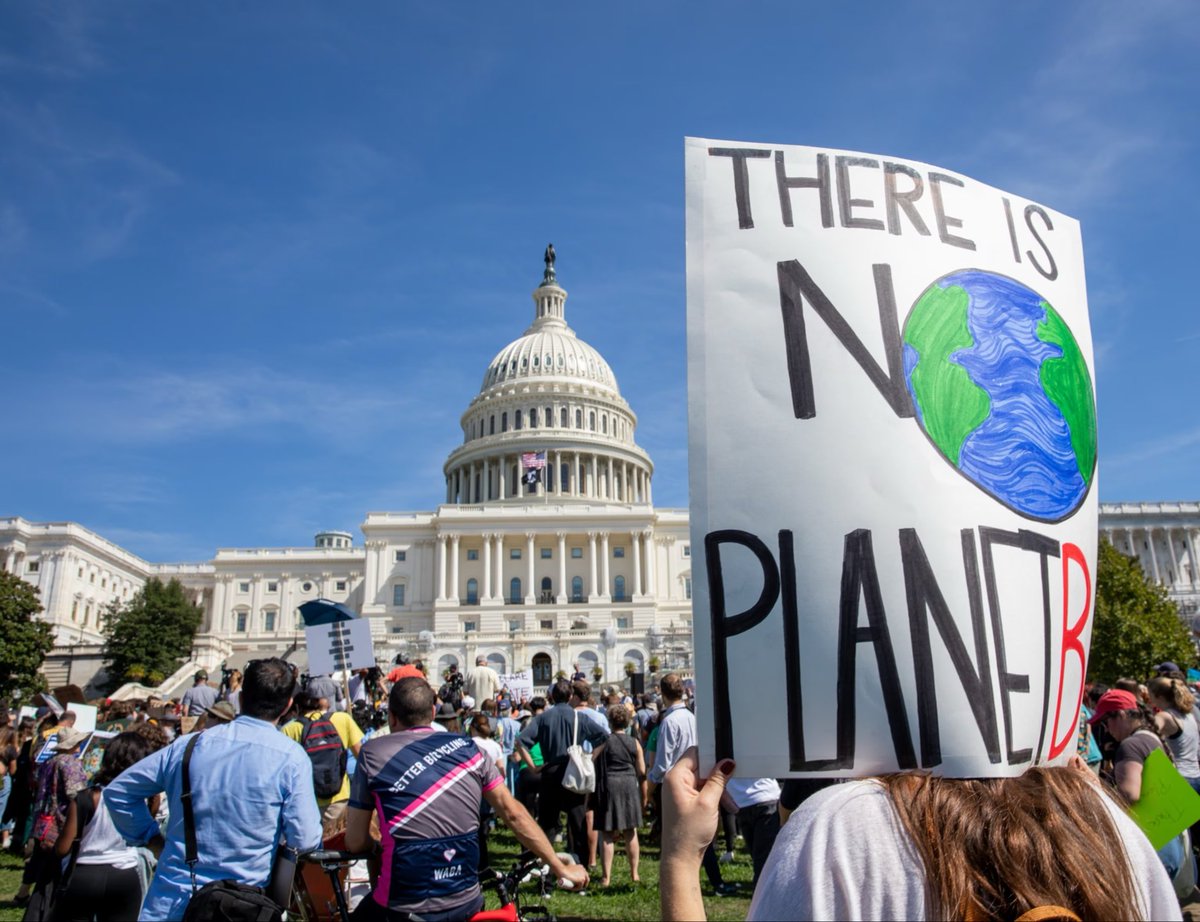
1. In 2017, the U.S. shocked the world by quitting the Paris Climate Agreement. https://t.co/dnGXPRUYL7
This action strongly damaged the US's international image. Let’s unpack some economic and political details behind this decision.
7. The U.S. withdrawal reflected a high time preference — valuing the present more than the future.
Trump’s “America First” policy focused heavily on short-term economic wins over long-term global cooperation.
6. In 2017, the U.S. emitted ~16 tons of CO₂ per person —
more than double the EU average and nearly 8× India’s (World Bank).
Because high emitters must cut the most, U.S. leaders fear a classic free-rider problem:
“Why should we reduce if others wont?”
5. Energy lobbyists had major influence.
Between 2016–2018, U.S. oil & gas firms spent ≈ $350 million on federal lobbying.
The withdrawal was a signal of loyalty to fossil-fuel states.
Economists call this rent-seeking — when industries shape policy for private gain.
4. The Paris Agreement is flexible:
Each country sets its own emission targets
So the claim of “unfairness” was strategic framing, not literal https://t.co/QdpuAXjl8C appealed to domestic voters who feared globalization.
Officially, the Trump administration argued the Paris deal was “unfair” because it was too costly for US industry, bad for coal & manufacturing jobs, and making US too lenient on China.
Yet renewables were already outpacing fossil fuels.
2. The Paris Agreement is a global deal where almost every country pledged to cut greenhouse-gas emissions.
Each nation sets its own targets called Nationally Determined Contributions to keep global warming below 2°C. The agreement itself is legally binding.