We are delighted to announce that ManyBirds Study 1 "Evolutionary drivers of neophobia across the avian clade" is now available in pre-print: https://t.co/MrGhV9JjOb and been submitted for peer-review publication. 1/
New paper on #bonobo#welfare! 🐵 We applied QBA to see how humans score bonobo emotional expressivity. Check out the study published in @AW_TheJournal and in the thread (1/5):
https://t.co/GnLEvfpnUB
New paper out! We constructed social grooming networks of 22 groups of zoo-housed bonobos, and investigated the effects of individual (age, sex, rearing) and group-level characteristics (sex ratio, group size) on individual social network position🧵 (1/7)
https://t.co/0JZdVjAu4y
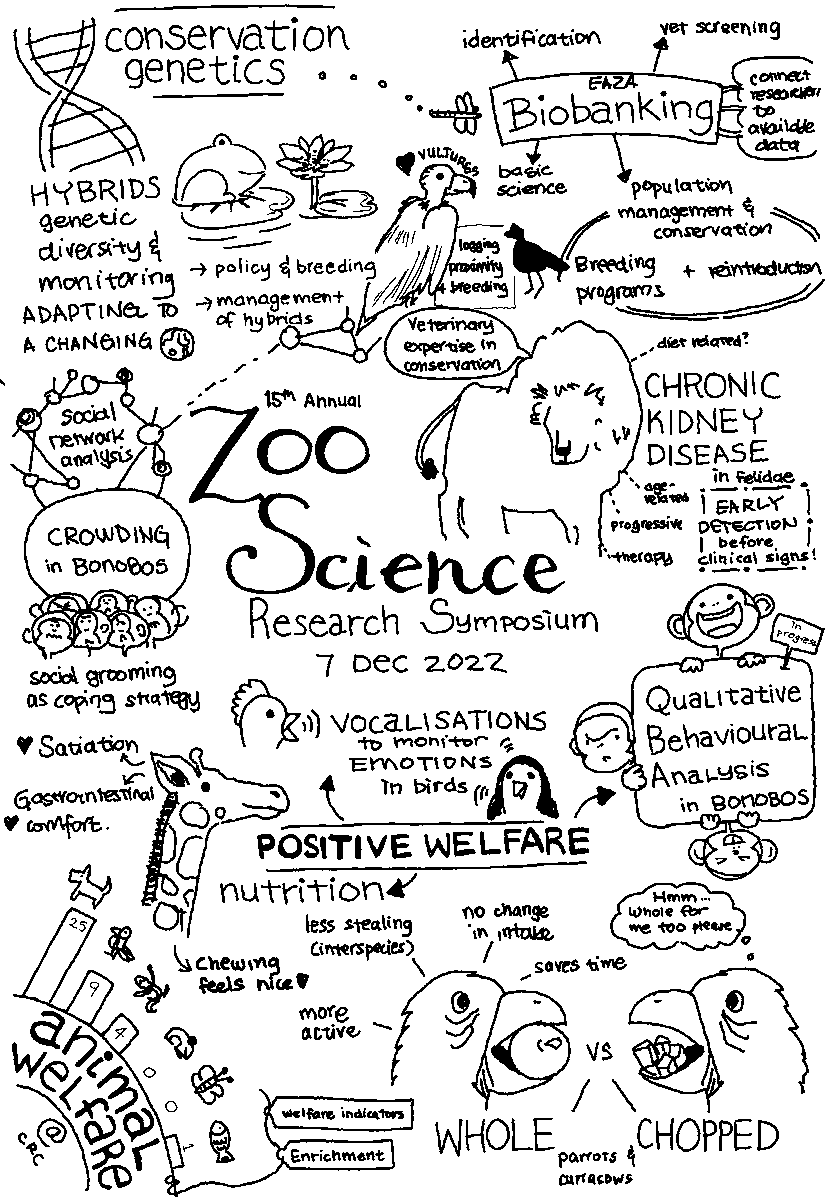
A wonderful day of learning about the variety of #research happening at @zooplanckendael & @zooantwerpen !!!
Had a great time presenting our project @M3BIORES and I loved making this visual summary
#sciart
@SharonRedrobe One defintion: Behaviours that are intended to benefit others, without the actor necessarily incurring extra costs to provide these benefits
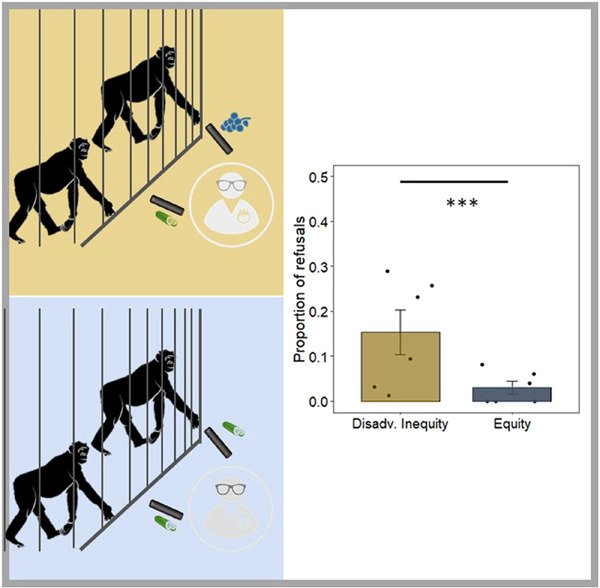
@ElseVerbeek Thank you! The very first step will be to get my results on inequity aversion in bonobos published and to defend my Phd. A future step will be to study ecologically relevant cooperative behaviors and paradigms in bonobos
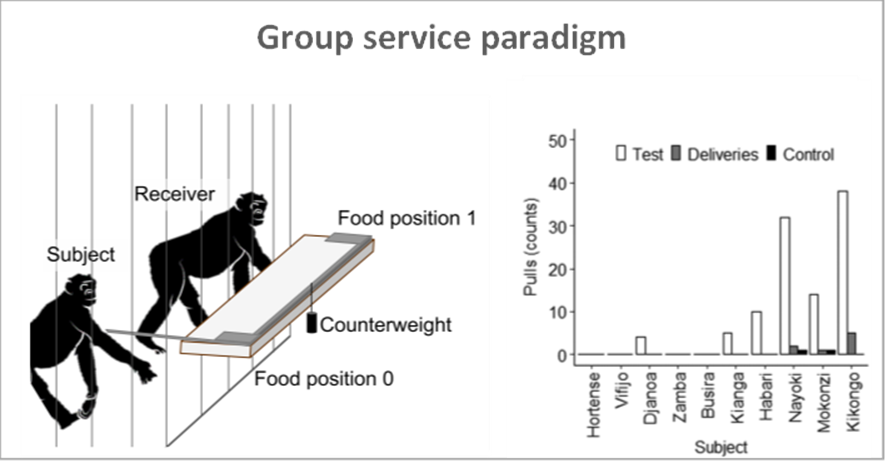
4/4 Popular view of prosocial bonobo mainly based on food-provisioning of subadult subjects. Lack of prosociality corresponds to cooperative breeding hypothesis and suggests that proactive prosociality is not part of the self-domestication syndrome in bonobos
3/4 Using the group service paradigm for the first time in bonobos, adults did not show prosociality. Subadults provisioned group members at a rate much lower than reported for chimpanzees
Thrilled (and a little nervous 🥲) to share our new paper on attention in bonobos 👀 We examined how social and nonsocial stimuli influence the bonobos’ performance on an emotional Stroop task. Check the paper here: https://t.co/dqU6wvI12w
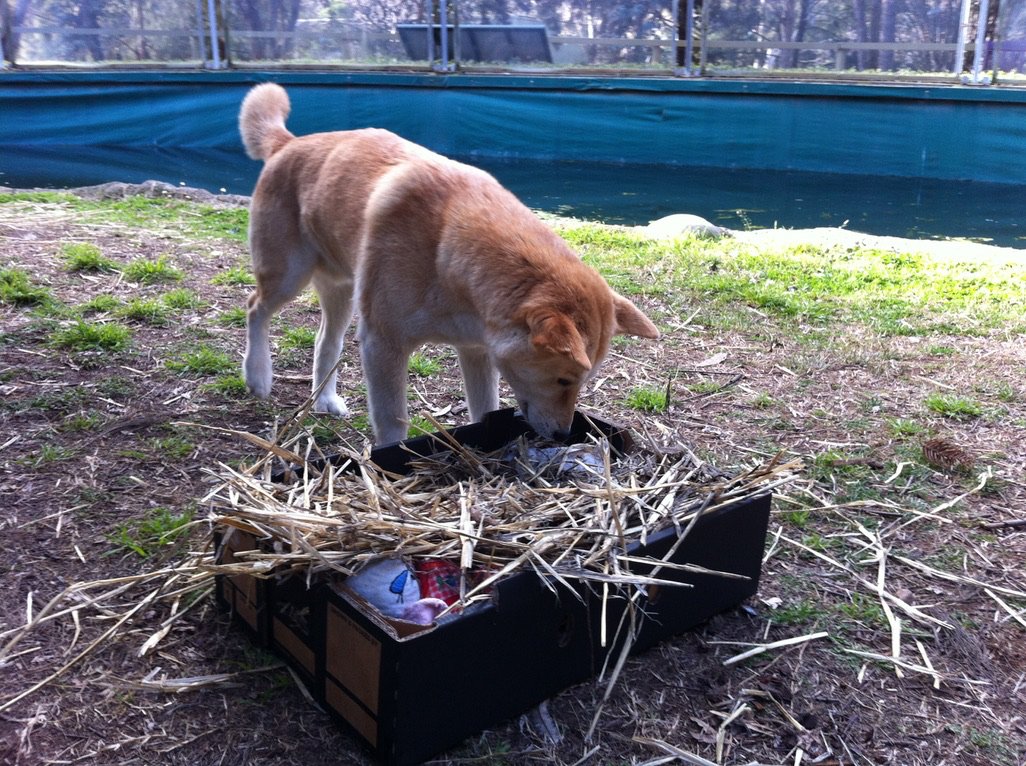
Zookeepers are often told to use 'naturalistic' enrichment to improve visitor experience, but this study found visitors respond more to the behaviour elicited by the enrichment than its appearance - we should focus on what enrichment does, not how it looks
https://t.co/OX0sbQxIOW
Excited to share our new paper on time-lag of urinary and salivary cortisol response after a psychological stressor in #bonobos! Click to learn more about the importance of selecting appropriate time windows for cortisol sampling. https://t.co/NlDpmFC5S1 @ZOOscience_eng@APELAB2
Proud to present this new APELAB paper on "the influence of sex, rearing history, and personality on abnormal behavior in zoo housed bonobos". Well done @DLameris and the rest of the team! @ZOOscience_eng https://t.co/Tu02fK8JZ1