After years of keeping it separate from my academic life, I'm finally sharing another creative side. Under the name Junovion, I've been writing synth-inspired electronic music. Hear the first songs at https://t.co/iGlfe8KETm. Spotify arrives in September.
Our 10th annual Johns Hopkins Sleep and Circadian Research Day just kicked off. Great to see a full room of students, faculty, and providers.
https://t.co/HMxBGcndDY
Congratulations to Dr. Meredith McCormack on her well-deserved promotion to Professor of Medicine. Her clinical and research efforts have helped further define environmental drivers of obstructive lung disease morbidity and she has helped develop guidelines for PFT interpretation
Grateful to see our new pub in @FrontiersIn#Sleep Effects of sex, age and BMI on bicarbonate - an analysis of #EHR data from >90,000 pts, with implications on using serum bicarb as a screening tool for #Obesity Hypoventilation syndrome! @JonathanJun1 👉
https://t.co/0BeaQfWCkm
@Andrew_Akbashev Agree with your assessment of these attitudes in academia. I had a reviewer recently tell me that the major finding of our study “didn’t deserve a figure” because the outcome was negative (p>0.05). Seriously? Since when was science about only showing positive results?
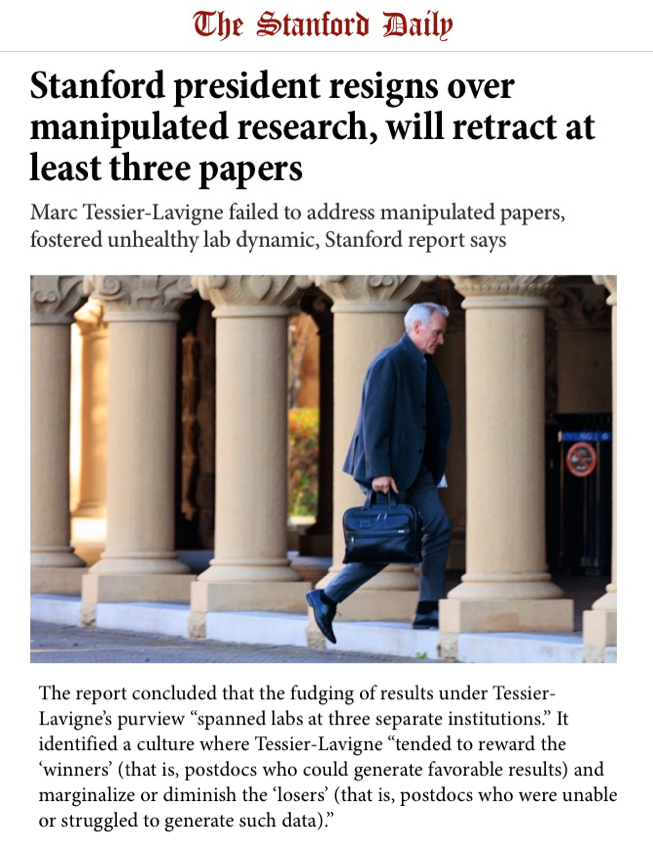
Not able to produce “favorable results” in the lab? You are a “loser”.
Stay in the shadows of those who can bring cool data to the Big Prof.
Sounds familiar? It's not only about this case at Stanford.
It's about academic culture in general:
- Keep pushing for metrics. Quantity over quality. Look for flashy conclusions.
- Skyrocket your profile. Build your research enterprise. Outcompete everyone in your field.
Isn’t it how academia works today? 🤨
▫️
Albert Einstein remarked: “An academic career, in which a person is forced to produce scientific writings in great amounts, creates a danger of intellectual superficiality”.
Peter Higgs said he could NOT replicate his discovery in today’s academic climate: “Not enough peace and quiet in the present sort of climate to do what I did in 1964”.
▫️
Wonder about the results of this “culture”?
1. Thousands of FAKE research articles are published. 30% of all scientific articles may be fake products of paper mills. There is even a special lengthy page on Wiki called “Replication crisis”.
2. Life-draining tenure requirements that fuel the rat race. Why? To ensure the university ranking and recognition is going up.
3. Most PhDs don’t see themselves in science anymore. In many places, you are not required to be creative and knowledgable. Instead, you should demonstrate you can win a race.
Everyone knows it but few things change.
▫️
I am happy that Stanford showed courage and carried out investigation. It is an excellent example of HOW to react to manipulated papers and unhealthy lab dynamic.
It's just another reminder that:
We should STOP focusing on taking “professional selfies”.
We should STOP trading our passion for glory.
Focus on science instead
#AcademicChatter #AcademicTwitter #phdchat
📢 We're looking for healthy volunteers age 18-50 to participate in a study related to timing of eating and metabolism at Johns Hopkins Bayview (Baltimore) and the NIH (Bethesda)! Read more about it here 👉https://t.co/N74kgjVcie @JonathanJun1@DrChung_PEndo
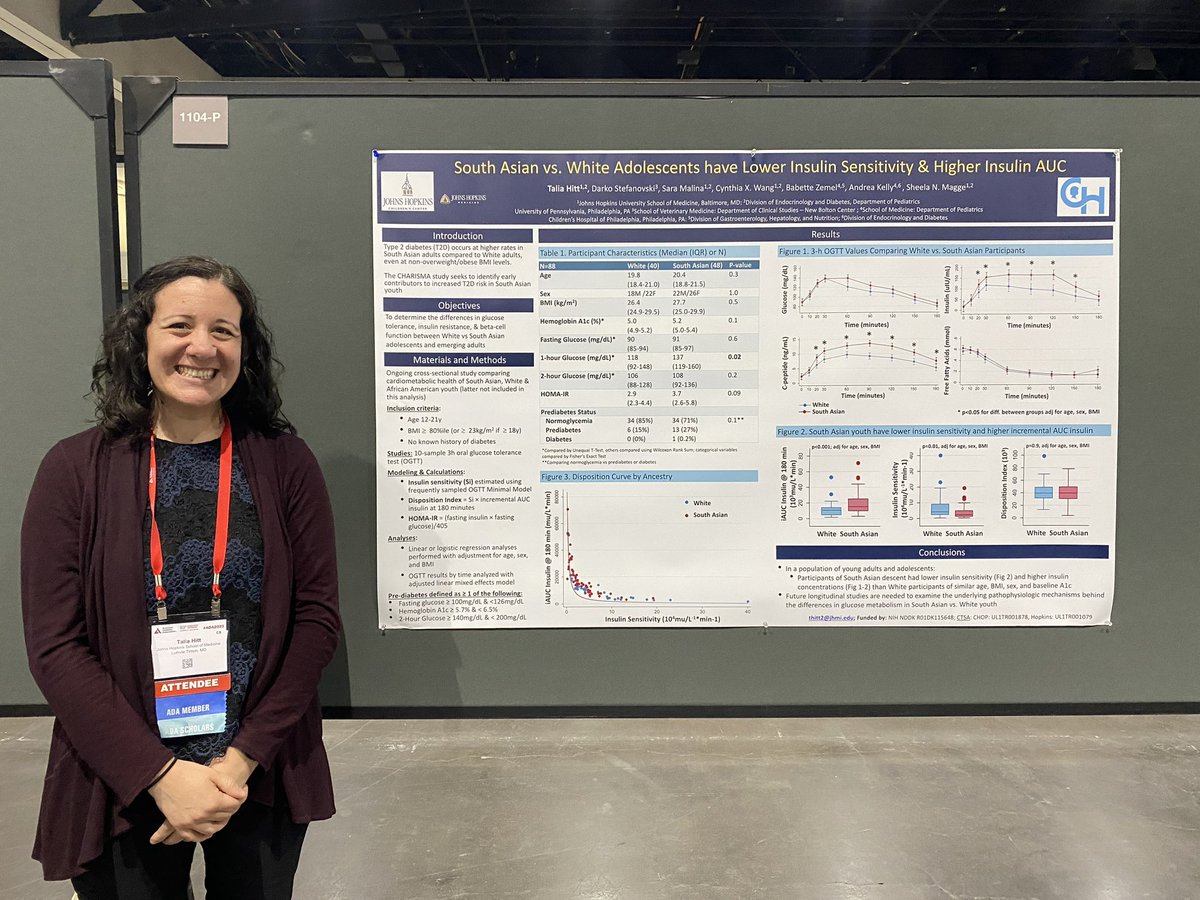
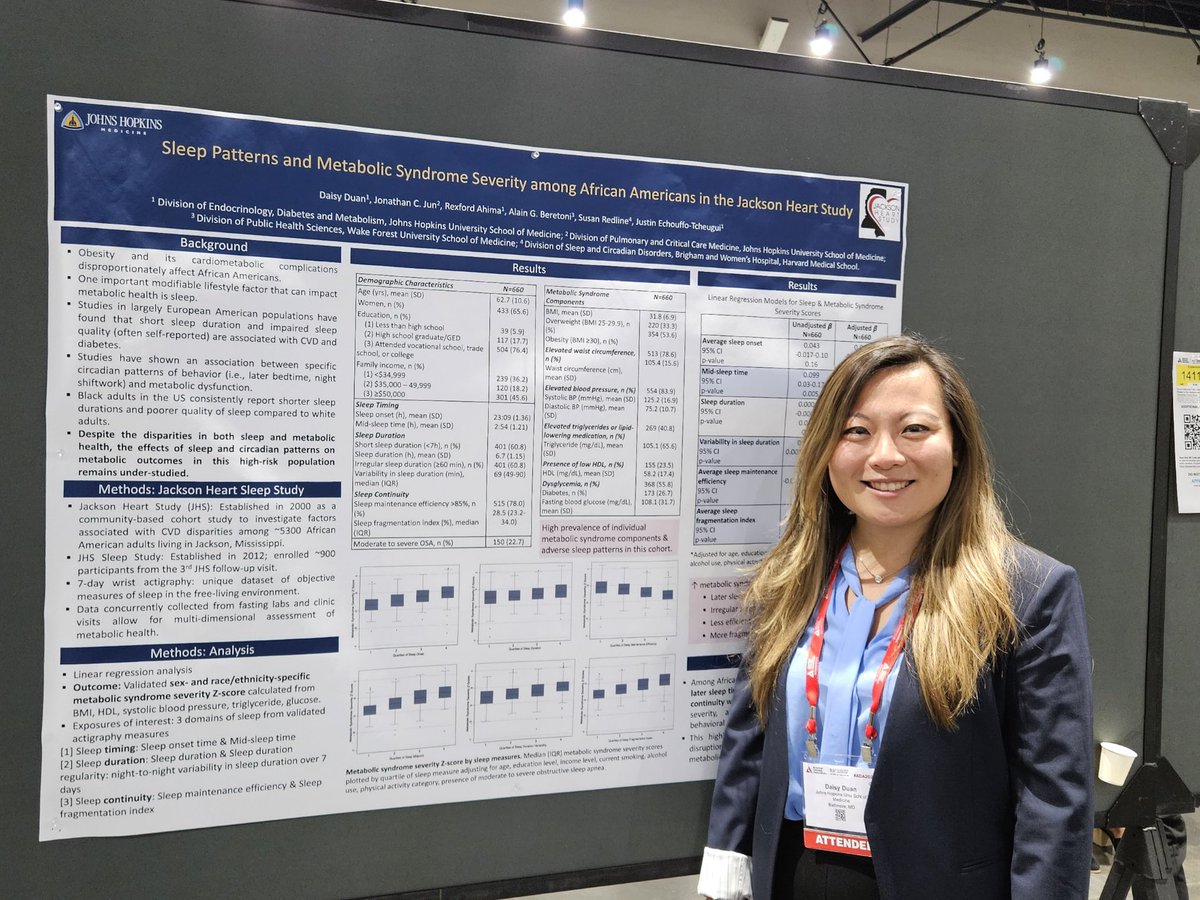
Fantastic work on 1) delayed sleep phase and reduced insulin sensitivity in adolescents & 2) lower insulin sensitivity in South Asian compared to white adolescents by pediatric endo @TaliaHitt at #ADA2023! @JonathanJun1@HopkinsKids
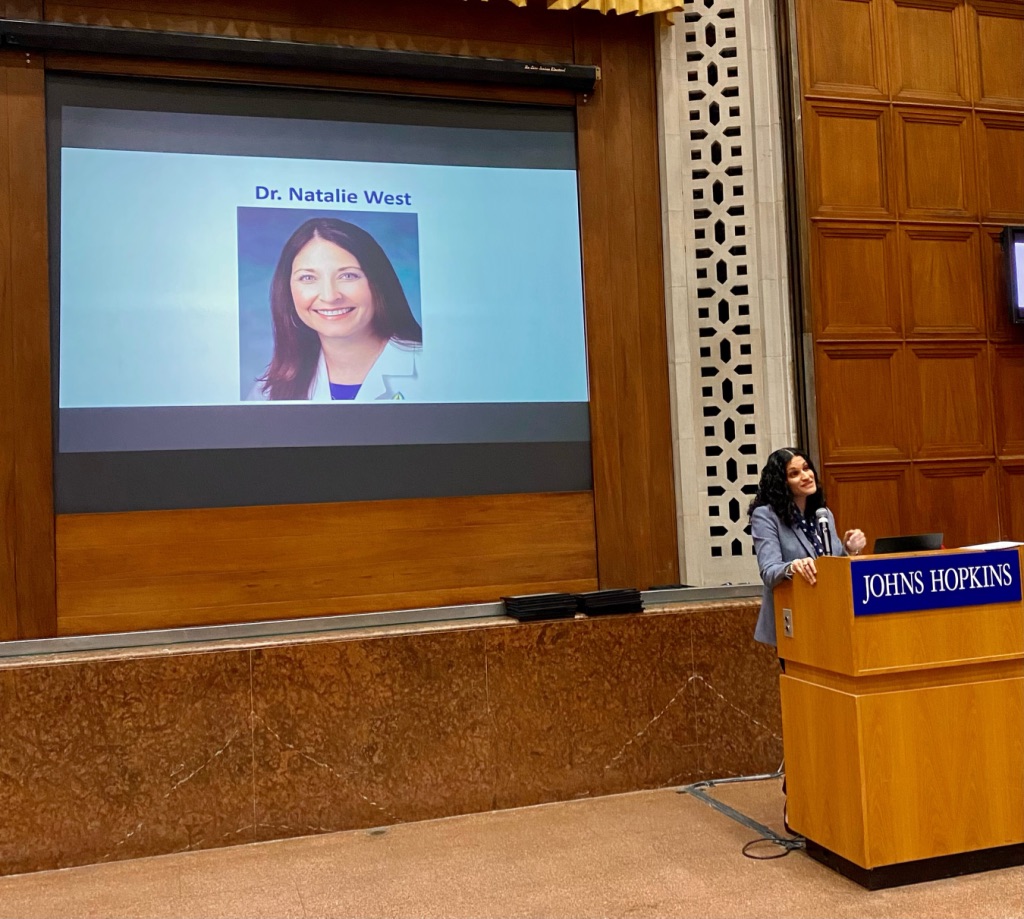
Congratulations to Dr. Natalie West on receiving an @OslerResidency Aequanimitas scarf this morning in recognition of her many years of impactful support and dedication of the Osler residents and especially the Janeway firm 👏👏👏
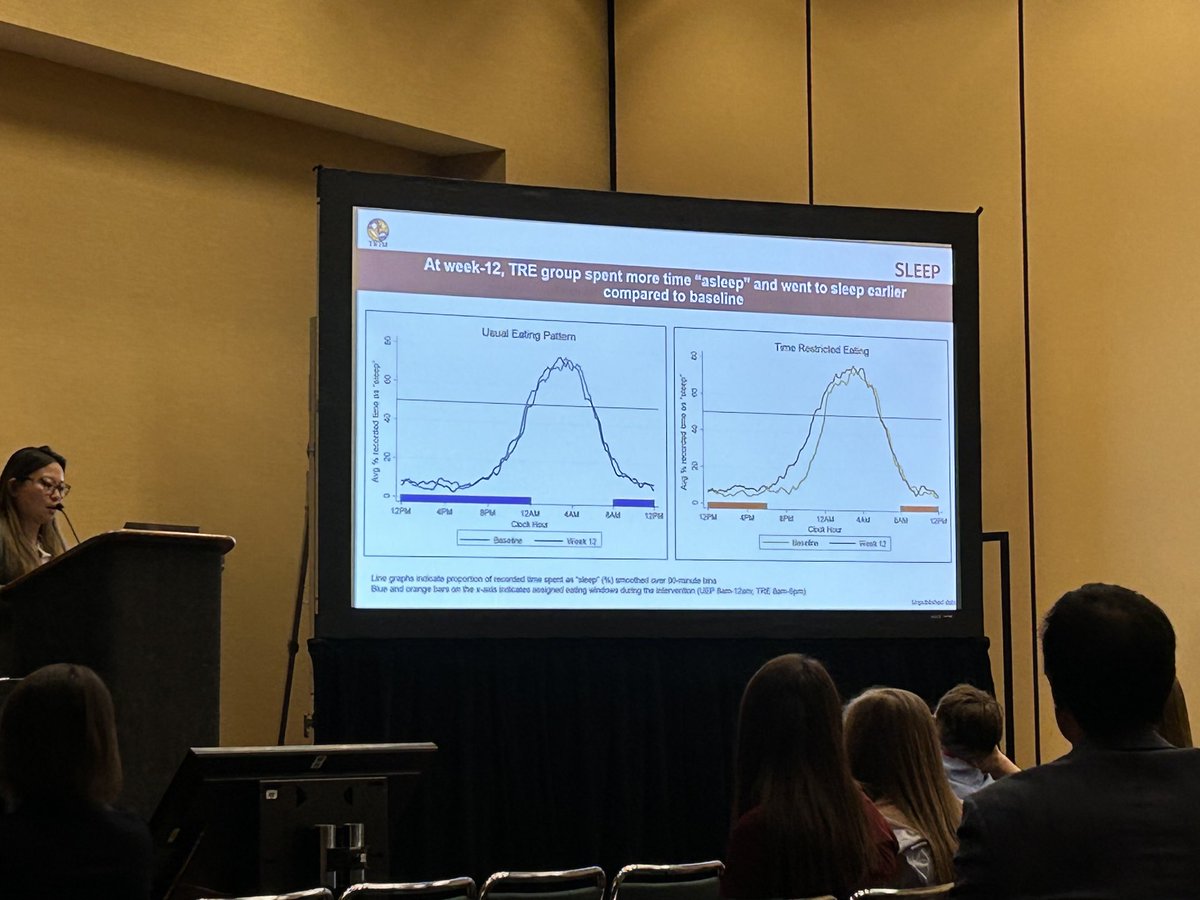
@DOMSinaiNYC residency alum @daisyduanmd presenting the impressive effect of time-restricted eating on increasing total sleep time #AASM2023. Also, see the bottom right of the image where @JonathanJun1 is taking a picture 🤣