US stock market reaction when America enters a major war:
1/ Historical data shows a consistent pattern.
Right when the US enters: Markets usually see a short-term drop from uncertainty. The decline has typically been in the single digits to low teens, sometimes with high volatility.
2/ After that: A rebound often follows, with positive performance during the conflict period.
S&P 500 annualized returns after entry (examples):
• WWII: +16.9%
• Korean War: +18.7%
• Gulf War: +11.7%
• Iraq War: +9.8%
3/ In past cases, the initial reaction has been temporary. Markets have tended to adapt once the situation clarifies and broader factors play out.
Just historical context — every situation is different.
Listened to Bernie talk about wealth inequality in USA on Joe Rogans podcast. He’s missing one of the main causes quantitative easing and years of low rates throughout the last three administrations with most of the feds balance sheet growth occurring during Obama and Biden’s terms.
WATCH: “Elon Musk owns more wealth than 52% of the country.”
@BernieSanders talks to Joe Rogan about our current historic levels of inequality thanks to a “rigged” economic/political system controlled by the rich. 🇺🇸 💰
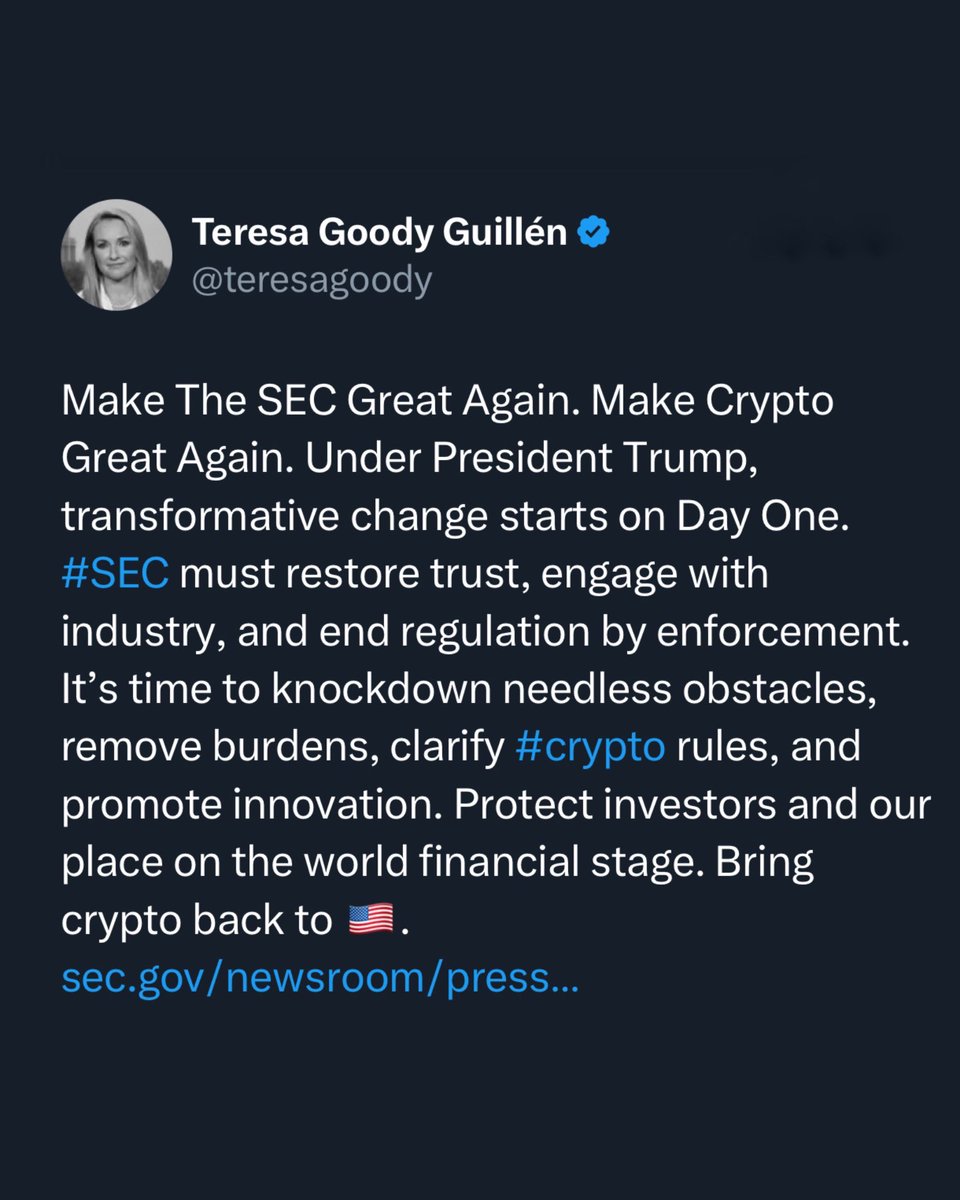
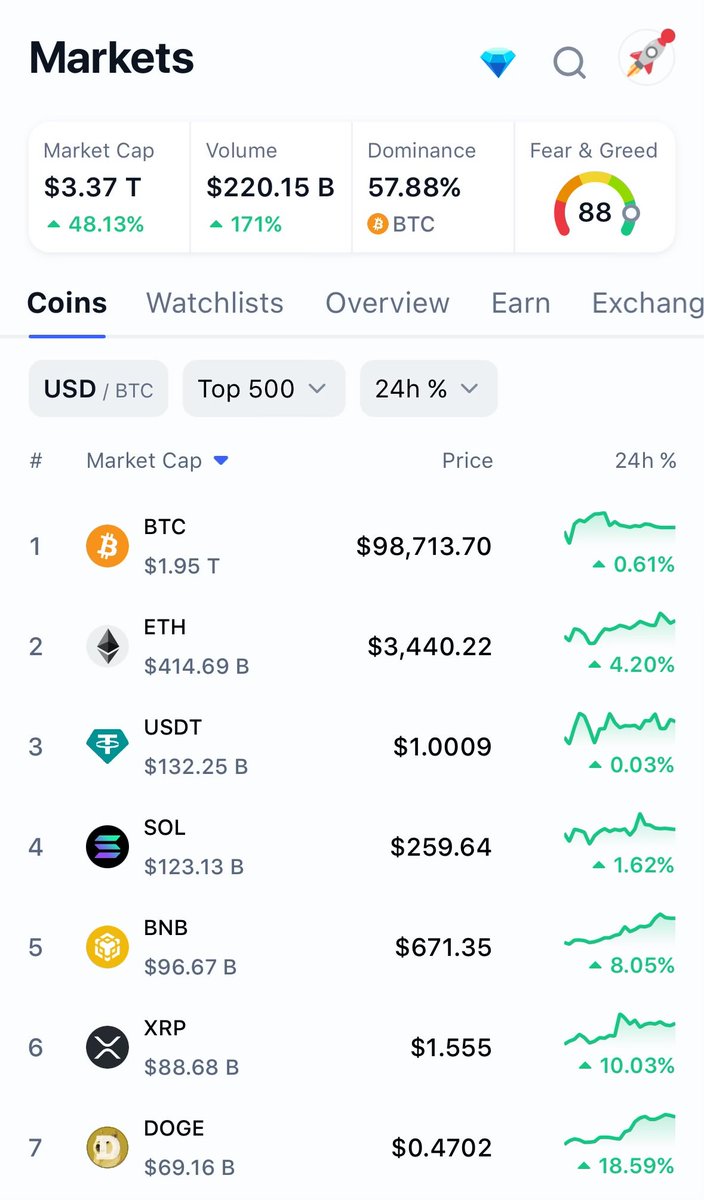
it almost feels too good to be true, but post-DJT election
there are real signs that we are abruptly entering a “1990’s-like laissez-faire Internet” development period for crypto
where the US actually gives it a chance to see what it can do and how it could reshape parts of the economy
and normies and even many institutional investors don’t even know yet
absolutely not priced in