@Lubilder “Que hay mucho más en la vida que aquello que podemos ver.
Y el mortal más noble que jamás conocerás
es aquel que lleva el sueño de El Dorado.”
Sin duda el Dorado, más madura, más serena…
@javiercanada@Vaughtton Pues está muy chulo sí. Pulso no me he lanzado aún por prioridades.
Pero esto de "democratizar lo mejor de la formación más cara"... estáis haciendo primeras experiencias prometedoras.
Me apunto a charlar si es posible :)
@javiercanada El conceptual y las implicaciones técnicas derivadas. No parece que haya "diferentes finales" y sin embargo integra muy bien la participación del lector.
Turn Claude into the best creative agent in the world!
Our users generate over 1 billion images and videos every year.
Now Claude can too.
RT and comment "Pixa" for free access!
El Tristan Harris Business Model: primero haz pasta construyéndolo, y luego avisando muy compungido de lo malo malísimo que es lo que construiste.
“Matan civiles y unos años después hacen películas sobre cómo matar civiles les puso tristes”.
Cholesterol Debates in the Era of Medical Mistrust
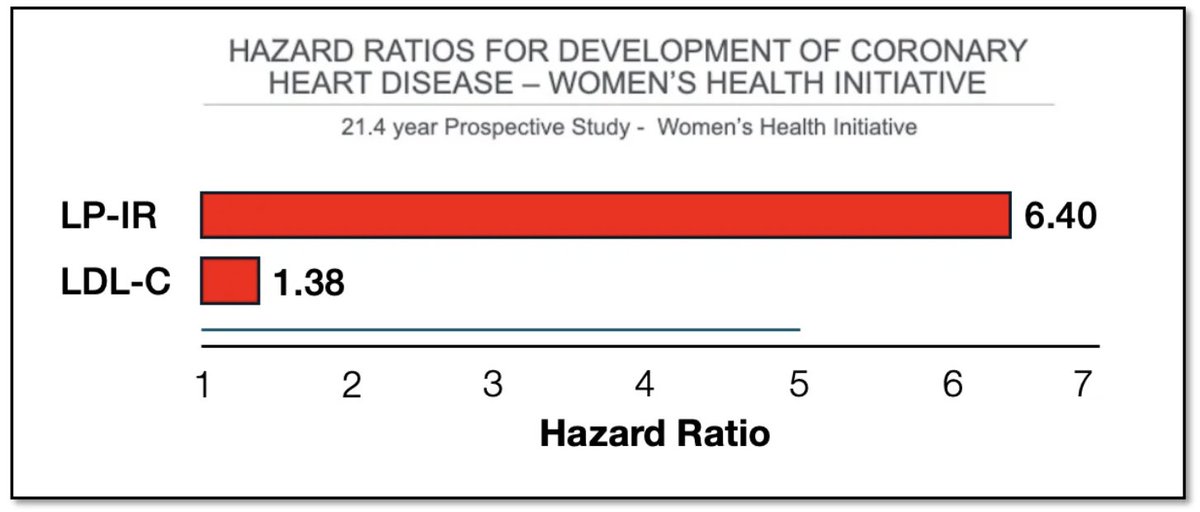
1/4) This graph shows the hazard ratio for coronary heart disease associated with insulin resistance score (LP-IR) versus LDL cholesterol.
It’s not even close. Insulin resistance dwarfs LDL—with a >14-fold difference in relative risk.
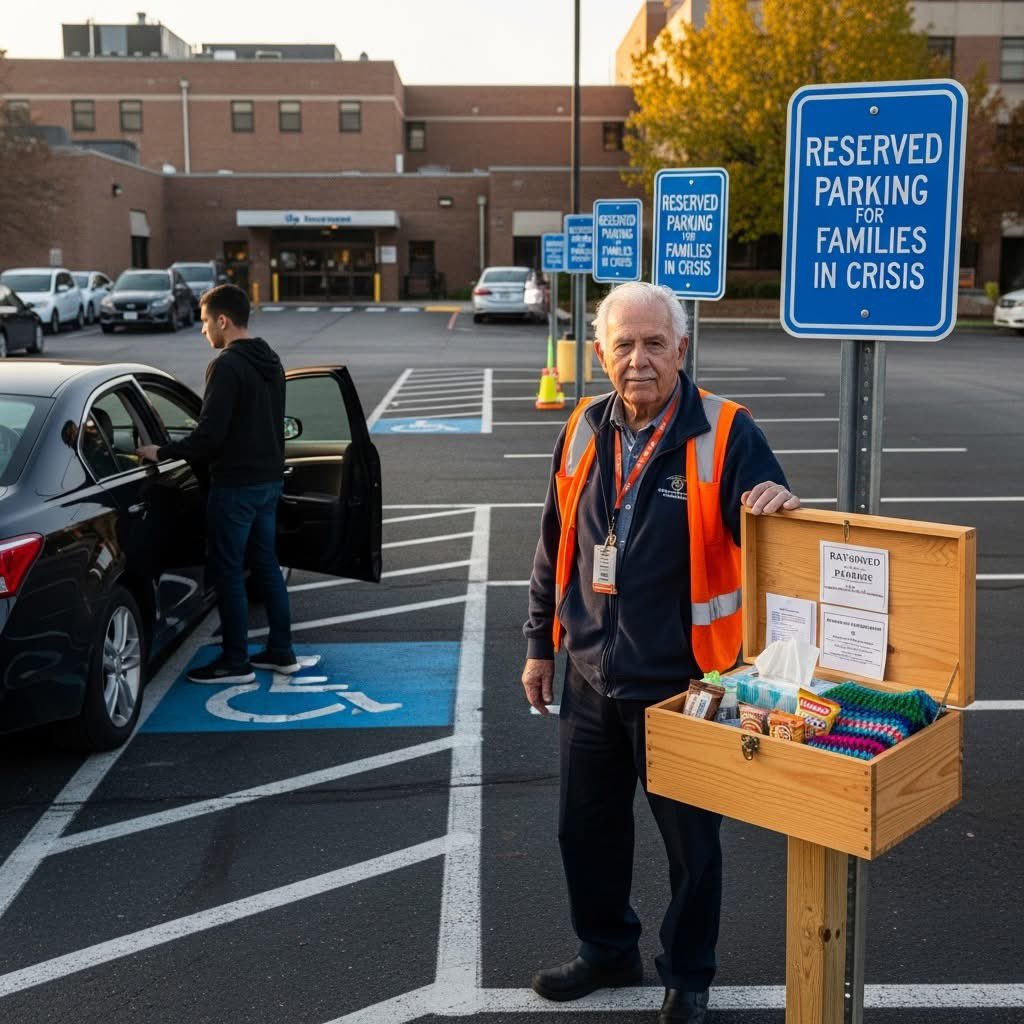
"My name's Raymond. I'm 73. I work the parking lot at St. Joseph's Hospital. Minimum wage, orange vest, a whistle I barely use. Most people don't even look at me. I'm just the old man waving cars into spaces.
But I see everything.
Like the black sedan that circled the lot every morning at 6 a.m. for three weeks. Young man driving, grandmother in the passenger seat. Chemotherapy, I figured. He'd drop her at the entrance, then spend 20 minutes hunting for parking, missing her appointments.
One morning, I stopped him. "What time tomorrow?"
"6:15," he said, confused.
"Space A-7 will be empty. I'll save it."
He blinked. "You... you can do that?"
"I can now," I said.
Next morning, I stood in A-7, holding my ground as cars circled angrily. When his sedan pulled up, I moved. He rolled down his window, speechless. "Why?"
"Because she needs you in there with her," I said. "Not out here stressing."
He cried. Right there in the parking lot.
Word spread quietly. A father with a sick baby asked if I could help. A woman visiting her dying husband. I started arriving at 5 a.m., notebook in hand, tracking who needed what. Saved spots became sacred. People stopped honking. They waited. Because they knew someone else was fighting something bigger than traffic.
But here's what changed everything, A businessman in a Mercedes screamed at me one morning. "I'm not sick! I need that spot for a meeting!"
"Then walk," I said calmly. "That space is for someone whose hands are shaking too hard to grip a steering wheel."
He sped off, furious. But a woman behind him got out of her car and hugged me. "My son has leukemia," she sobbed. "Thank you for seeing us."
The hospital tried to stop me. "Liability issues," they said. But then families started writing letters. Dozens. "Raymond made the worst days bearable." "He gave us one less thing to break over."
Last month, they made it official. "Reserved Parking for Families in Crisis." Ten spots, marked with blue signs. And they asked me to manage it.
But the best part? A man I'd helped two years ago, his mother survived, came back. He's a carpenter. Built a small wooden box, mounted it by the reserved spaces. Inside? Prayer cards, tissues, breath mints, and a note,
"Take what you need. You're not alone. -Raymond & Friends"
People leave things now. Granola bars. Phone chargers. Yesterday, someone left a hand-knitted blanket.
I'm 73. I direct traffic in a hospital parking lot. But I've learned this: Healing doesn't just happen in operating rooms. Sometimes it starts in a parking space. When someone says, "I see your crisis. Let me carry this one small piece."
So pay attention. At the grocery checkout, the coffee line, wherever you are. Someone's drowning in the little things while fighting the big ones.
Hold a door. Save a spot. Carry the weight no one else sees.
It's not glamorous. But it's everything."
Let this story reach more hearts....
Credit: Mary Nelson
Ahora que comienza la temporada 11 de
@LaCultureta
recuerdo que están recopilados todos los programas de todas las temporadas aquí: https://t.co/Ng8LUSp8yj
@LaCultureta Actualizada la Temporada 10 de @LaCultureta
Recuerdo que están recopilados todos los programas de todas las temporadas aquí: https://t.co/PnAe7Hj1oc
Ahora que ha terminado un nuevo curso de
@LaCultureta
recuerdo que están recopilados (casi) todos los programas de todas las temporadas aquí: https://t.co/ruCZyzpFbi
Lo verdaderamente inolvidable no es que ese amigo haya contratado a un profesor de Princeton para recibir clases privadas sobre Virgilio —aunque sí, vale, tiene algo de inolvidable en el sentido en que también lo es, no sé, una instalación de Jeff Koons hecha enteramente de oro macizo o la existencia misma del jet privado de Kim Kardashian— sino la frase que viene justo después: “él ya tenía 65 años y no iba a sentarse en una universidad con chavales de 18 años… porque quedaría como el tipo más raro del mundo”.
Ahí está todo. Esa es la pobreza. No la económica, evidentemente, sino la otra: la estructural, la íntima, la que no se mide en ceros ni en porcentajes de rentabilidad, sino en grados de libertad interna. La pobreza de no querer parecer raro. La miseria de alguien que puede literalmente pagar para que le lean la Eneida en latín mientras desayuna con un croissant de trufa blanca y aun así tiene miedo. Miedo a sentarse en un aula. Miedo a que otros lo miren raro. Miedo a parecer lo que ya es: un tipo viejo que quiere aprender algo nuevo.
Porque —y esto es lo fascinante, lo devastador y lo absolutamente endémico de este tipo de mentalidad de lujo boutique— lo que vende esa historia no es el amor por Virgilio, ni la pasión por el latín, ni el ansia de conocimiento, sino el hecho de poder evitar el roce, la fricción, el contacto con otras biografías. La compra de un filtro de privacidad existencial.
Como si el conocimiento se oxidara al compartirlo.
Como si el aula fuese menos noble por estar llena de chavales con gorras de los Yankees y mochilas medio rotas.
Y ojo, que no se trata de una defensa naif de la universidad como templo democrático (todos sabemos que también puede ser una máquina de clasismo), sino de la idea de que el dinero “de verdad”, ese que dices que da acceso a cosas increíbles, también puede funcionar como un blindaje contra lo más increíble de todo: el desacomodo. La sorpresa. El cruce de caminos. El vértigo de sentarte al lado de alguien que no te conoce, no te admira y no te necesita para nada.
Porque sí, pagarle a un experto para que te hable solo a ti es un lujo. Pero también es una forma extremadamente cara de seguir sin escucharte a ti mismo.