A few months after, co-hosting a major conference together, I spoke with @RealSophiaRobot the world-famous humanoid AI developed by @hansonrobotics.
Sophia has appeared and featured on platforms such as @CNBC , @CBSNews , @business shared the stage with the likes of Will Smith @FallonTonight and global thought leaders including those of the united nations —and now, she joined me to talk all things aviation, artificial intelligence, and what makes @emirates her airline of choice.🛫
FULL INTERVIEW: https://t.co/Z2VqQqaPiZ
Everyone knows the linear path of a pilot’s career.
You train, you join an airline, you anchor yourself to a base, you learn one system inside-out, and over time you build a career around consistency. There’s comfort in that. There’s identity in it too. Same operation, familiar routes, a rhythm you can plan your life around.
But ACMI is the version of the pilot story that rarely gets explained properly, and even more rarely gets told honestly.
That’s why I enjoyed this conversation so much.
In my latest podcast, I sat down with Franco Narcisi (Chief Pilot & Captain) and Captain Stefano Miotto from @AvionExpress for a deeper dive into what the ACMI lifestyle actually feels like when you’re living it. Not the corporate definition - the real day-to-day: moving parts, shifting bases, different environments, the influence on your work and personal life, and the mental discipline it takes to show up as the same professional captain no matter where you’ve landed this month.
What surprised me most was the tone of their perspective.
They weren’t trying to “convert” anyone. They weren’t selling ACMI as the superior path. If anything, they spoke with a lot of respect for the legacy airline route, the pilots who build mastery through stability, routine, and one long-term home.
Their point was simpler (but powerful):
ACMI offers a different lens.
A different pace. A different kind of growth. A different relationship with comfort.
It can stretch you, operationally, culturally, personally, because you’re constantly adapting while maintaining standards. And for the right type of captain, that challenge becomes the reward: the variety, the perspective, the intensity, and the feeling that you’re expanding your career rather than just repeating it.
If you’re a pilot who’s ever wondered what life looks like beyond the traditional airline track, or you’re someone who likes the idea of building a career around growth instead of routine this episode will resonate.
🎧 Podcast: https://t.co/LSq7AveDal
#Aviation #Pilots #ACMI #AvionExpress #PilotLife #FlightCrew #AviationCareers #Airlines #A320 #pilot #flight #podcast
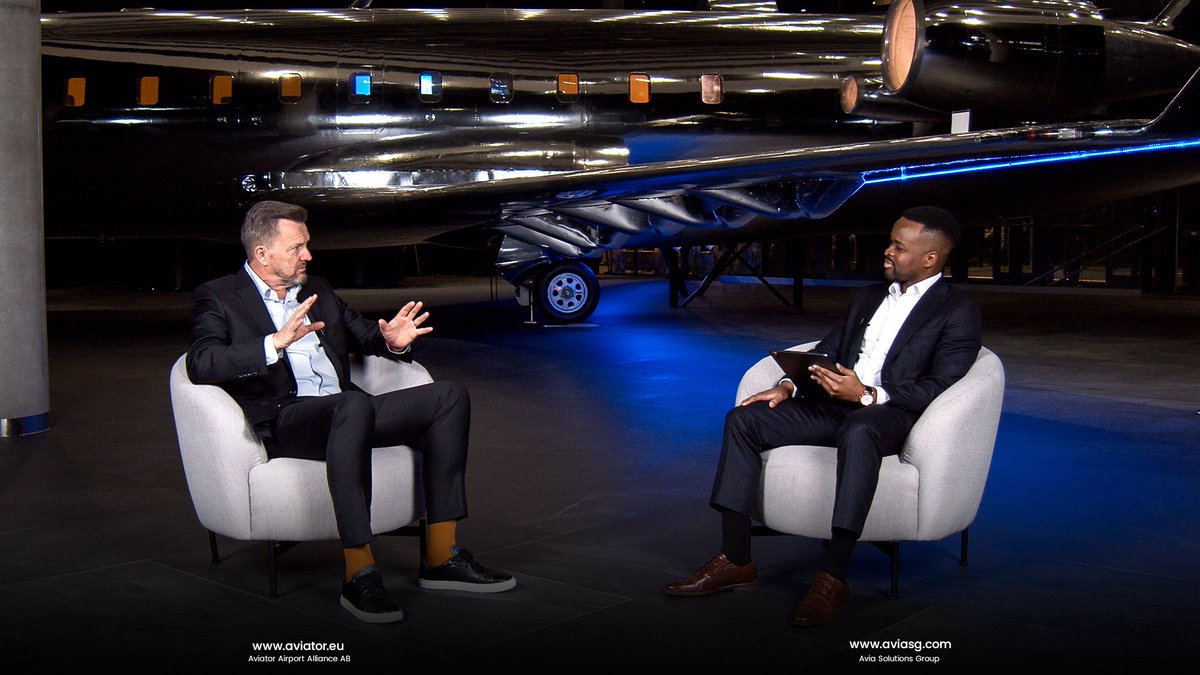
A pit stop… but with 160 passengers, baggage, cargo, fuel, a 25-minute turnaround, and zero margin for error... That’s ground handling. Most passengers will never meet the people who make their flight possible. But in the 25 minutes between landing and takeoff - when bags move, cargo shifts, crews reposition, doors open, hatches close, water gets serviced, pushback is set - ground handling becomes aviation’s real-time operating system. A Formula 1 pit stop… just with 160 passengers, tonnes of fuel, and zero margin for error. That’s what I explored with Jo Alex Tanem, CEO of Aviator Airport Alliance AB - one of the largest independent ground handlers in the Nordics - and someone who’s lived the business from the ground up. One point landed hard: safety isn’t a differentiator in ground handling - it's the entry ticket. As Jo Alex put it: “If you’re not up to the safety standards of the airline, then you’re just out of the business.” We also spoke about what progress looks like below the wing: 1. Electrification (including Aviator's world-first milestones like electric pushback of an A380 and testing electric high-loaders) 2. A passenger journey that’s increasingly digital and self-service 3. The “Aviator DNA”: being straightforward, customer-led, and obsessively consistent - every departure, every time If you’ve ever wondered who’s behind the scenes of your airport experience… this is for you. Full interview: https://t.co/SO8GXYaiZ5
Aviation has always fascinated me. Not just the aircraft. Not just the engineering. Not just the innovation. But the ecosystem behind it.
Air transport quietly underpins modern civilisation. It moves people, food, medicine, cargo, capital. It connects families, enables trade, supports healthcare, fuels economies. Whether directly or indirectly, aviation touches all of our lives.
And yet, most of what makes it work… we don’t see.
We see aircraft taking off.
We see airports.
We see destinations.
What we don’t see is the infrastructure of trust that sits beneath it all.
Safety is the cornerstone of aviation. It always has been. Every system, every checklist, every innovation is built around protecting lives and operations.
But sitting just above operational safety is another layer of protection: insurance.
Insurance in aviation isn’t just paperwork or compliance. It’s the commercial safeguard that allows airlines to operate, lease aircraft, move cargo, raise capital, and continue flying through volatility, whether that’s geopolitical tension, supply chain disruption, or global pandemics.
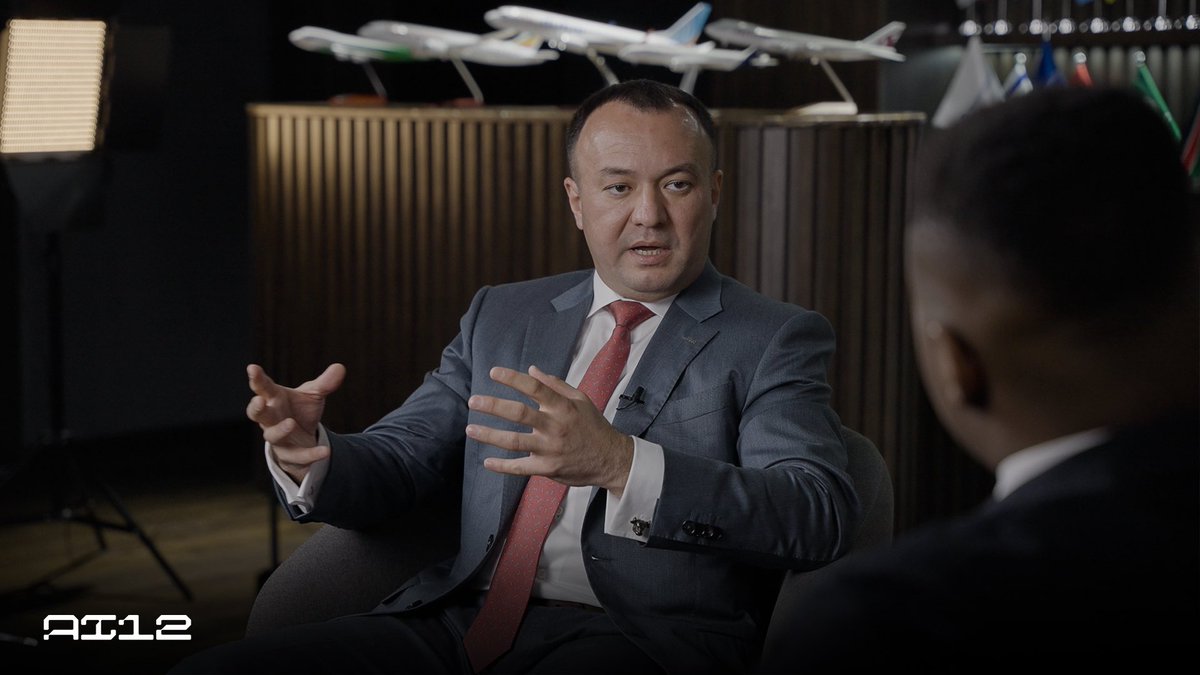
In my recent interview with Anvar Mullabekov, CEO of AI12, we explored this side of aviation the part most people never see, yet one that is just as critical as the cockpit.
Watch here:🔗 https://t.co/3vJ14jZtJZ
What struck me most was this: aviation insurance today is no longer a static policy. It’s a dynamic risk partnership. It requires operational understanding, technical depth, and above all, trust.
For me, exploring insurance has been another reminder that aviation is not just about aircraft.
It’s about systems.
It’s about resilience.
It’s about protecting an industry that protects global connectivity.
And sometimes, the most fascinating parts of aviation are the ones operating quietly in the background.
AI12: https://t.co/cAwiTdGVR5
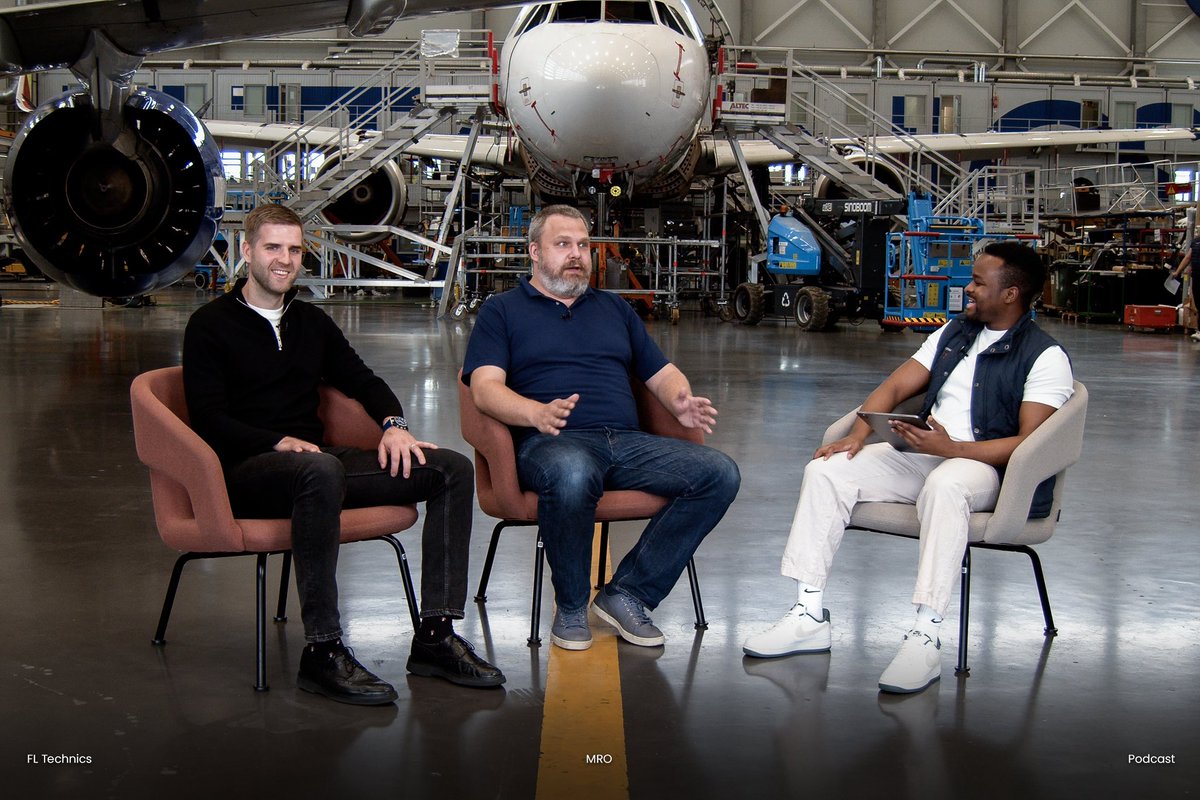
There are a lot of myths around what really happens when an aircraft is parked at the gate. One of the more viral myths is the use of speed tape as a quick fix. Or the idea that a multi-million-dollar engine issue can’t possibly be addressed unless an aircraft disappears into a hangar for days. In reality, this narrow window, between landing and the next pushback, is one of the most intense, time-critical, and high-responsibility environments in aviation. This is the world of Line Maintenance. In the latest FL Technics MRO Podcast, I sat down with Ula Urbonaviciute, Deputy Line Maintenance Manager, and Augustinas Pajeda, Head of Line Maintenance Control Centre, to talk about what really happens on the apron, when the clock is running, passengers are waiting, and every decision matters.
Watch here: https://t.co/HNyKFsIpkg Line Maintenance lives at the heart of aircraft turnaround. It’s where engineers: Assess aircraft condition immediately after landing Troubleshoot defects on the apron, not in a hangar Manage AOG (Aircraft on Ground) situations that can disrupt entire networks Make safety-critical decisions under real operational pressure Unlike base or heavy maintenance, Line Maintenance doesn’t happen in controlled hangar environments alone. It happens at the gate. In heat. In cold. In wind, rain, snow, and humidity. What makes organisations like FL Technics stand out is the ability to deliver the same standard of quality and compliance whether operations are happening in sub-zero conditions or in hot, dry, high-pressure environments, across multiple stations, regions, and time zones. We also touched on the human side of LM: Why Line Maintenance attracts some of the most experienced engineers in the industry? Why it’s also one of the most valuable entry points for younger engineers seeking real aircraft exposure early in their careers? And why tools like speed tape aren’t shortcuts, but certified, controlled solutions used to preserve aerodynamic integrity and safety? What stayed with me after this conversation wasn’t just the technical depth, it was the mindset. Line Maintenance engineers operate in an environment where time is scarce, decisions are visible, and there’s no room for guesswork. Safety first. Always compliant. Always accountable. Aviation safety isn’t only built during heavy checks. It’s protected every single day, on the apron, between flights.
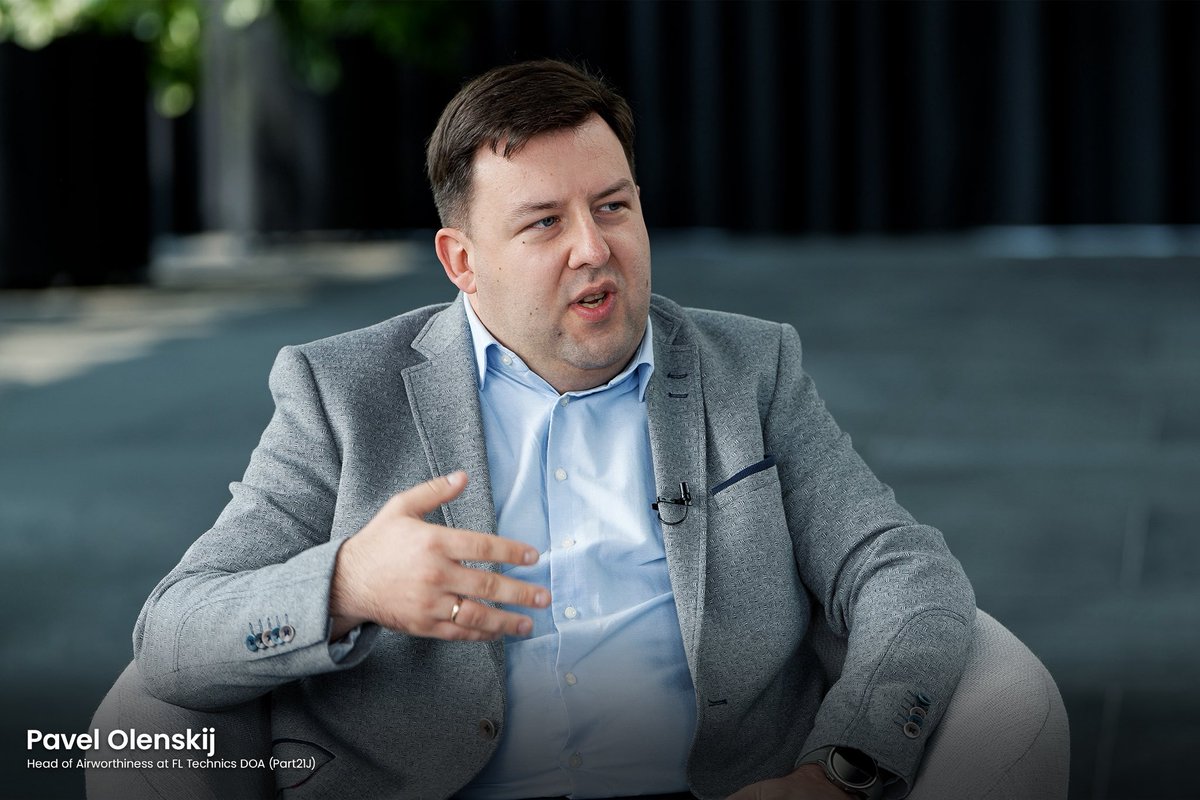
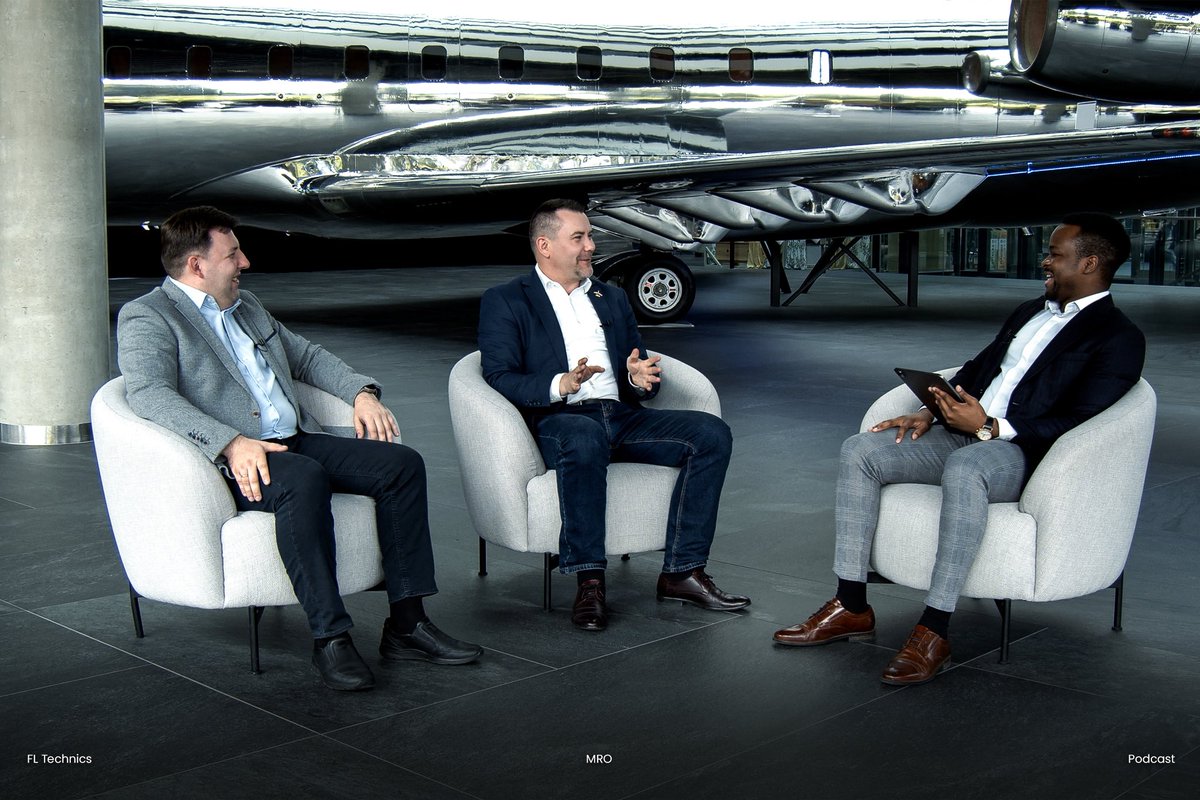
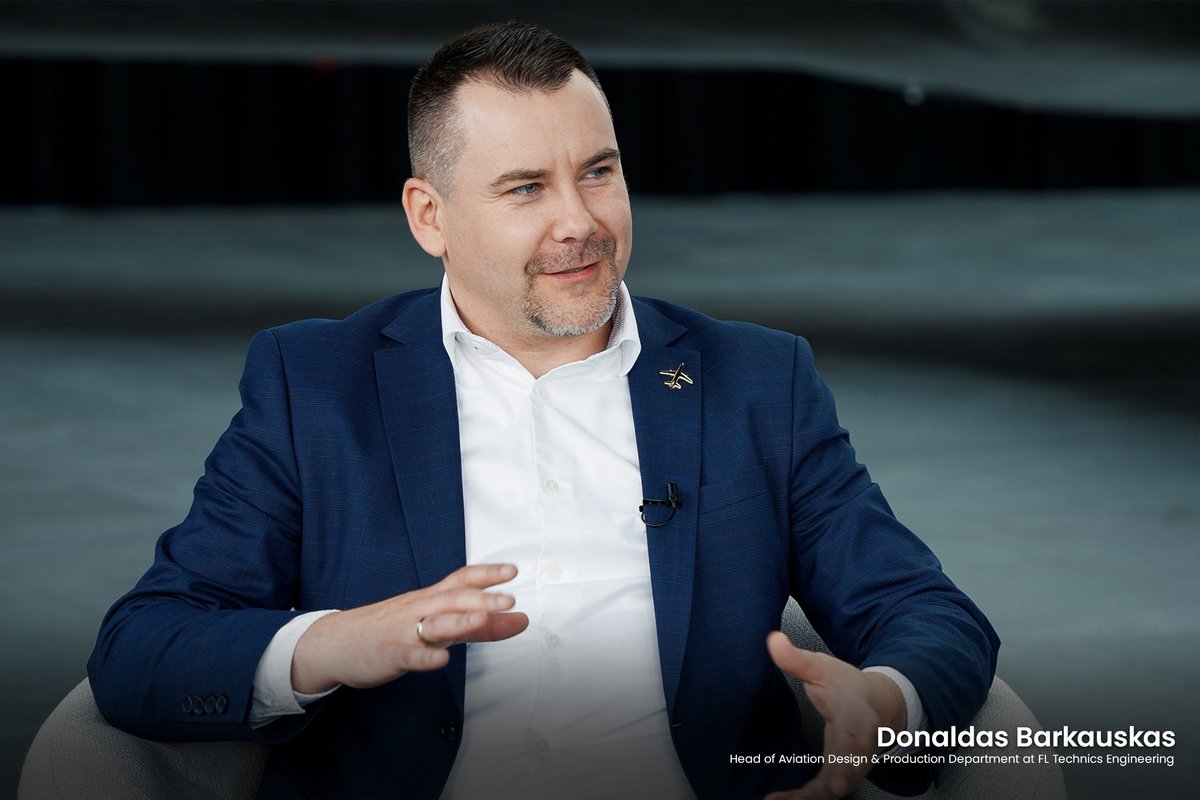
Some dream of flying planes.. Others dream of building and designing them. Most people fall in love with the visible side of aviation. The take-offs, landings, airline liveries, the window view from 34A… maybe even plane spotting. But there’s another side of aviation that’s far less visible, but just as fascinating. It’s the world of aircraft modification, where ideas become certified reality. In the latest FL Technics MRO Podcast, I sat down with Donaldas Barkauskas (Head of Design & Production) and Pavel Olenskij Olenski (Head of Airworthiness) the leaders behind the teams responsible for DOA (Design Organisation Approval) and POA (Production Organisation Approval). And here’s the thing: Yes, it is an engineer’s playground. A hangar full of tools, drawings, technical solutions, and problem-solving at the highest level. But it’s also one of the most disciplined environments in aviation, because every modification lives under a strict framework of: compliance traceability repeatability and ultimately… trust Interior upgrades. Structural changes. Engineering improvements. What looks like a “simple change” from the outside is, in reality, a chain of accountability from design, to production, to airworthiness where safety and reliability are non-negotiable. Because the real product isn’t just the modification. The real product is confidence. Confidence for the operator. Confidence for the customer. Confidence for every passenger who steps onboard, trusting that the aircraft isn’t just airworthy on paper, but inspected, verified, and executed down to the smallest detail. This episode was a reminder that aviation excellence isn’t only built in the cockpit. It’s engineered, one approved design, one controlled process, one verified step at a time. Link to the episode: https://t.co/J4osndrDRI #Aviation #MRO #AircraftMaintenance #Engineering #Airworthiness #Safety #Design #Production #Compliance #FLTechnics #Dream #Career
Over the years, one thing has become very clear to me:
there isn’t one way to be an airline pilot anymore. 🧑✈️✈️
Yes, the fundamentals remain the same years of training, discipline, continuous learning, and an uncompromising focus on safety. That never changes. Aviation works because safety is non-negotiable.
But the shape of a pilot’s career?
That has evolved.
In my recent conversation with Franco Narcisi, Chief Pilot at @AvionExpress we spoke less about job titles and more about experience.
Not just where you fly but how you fly, how you live, and how you grow.
ACMI flying sits in a very different part of the aviation spectrum.
It demands adaptability, resilience, and versatility. One month you’re operating in one climate, culture, and time zone the next, you’re somewhere completely different. That kind of flying stretches you professionally and personally.
And yet, what struck me most was this:
despite the variety, despite the pace, despite the global nature of ACMI operations the standards don’t move.
Safety.
Readiness.
Preparation.
Professionalism.
They’re the anchor.
Being an ACMI pilot isn’t about shortcuts or compromises. If anything, it requires more awareness, more discipline, and a deeper respect for the fundamentals that make aviation work.
For pilots coming up today or those reassessing their path there is now a broader spectrum of opportunity than ever before. Scheduled airlines. Cargo. Charter. ACMI. Each offers something different.
The key is understanding what kind of pilot and what kind of life you’re building towards.
This conversation was a reminder that aviation is still, at its core, a craft. And how you choose to practice that craft can shape your entire career.
🎥Full interview now live: https://t.co/6B32zbjByD
🛫🧑✈️Explore pilot opportunities at Avion Express: https://t.co/eV3krigC9I
When a critical aircraft part is grounded halfway across the world, or a life-saving medical shipment must reach its destination now, there’s one service global companies turn to On-Board Couriers (OBC).
I sat down with Nikolai Bergmann, President of Chapman Freeborn OBC for an exclusive interview where he described OBC as “the ambulance of commercial transport.”
Unlike regular courier services, OBC occupies a unique space in logistics, where a dedicated courier personally accompanies a time-critical, valuable, or highly sensitive shipment on a commercial flight, from pickup to final delivery.
This “hand-carry” service provides unmatched speed, security, and personal supervision for the world’s most urgent deliveries.
In the unseen world of OBC, every second counts and precision means everything.
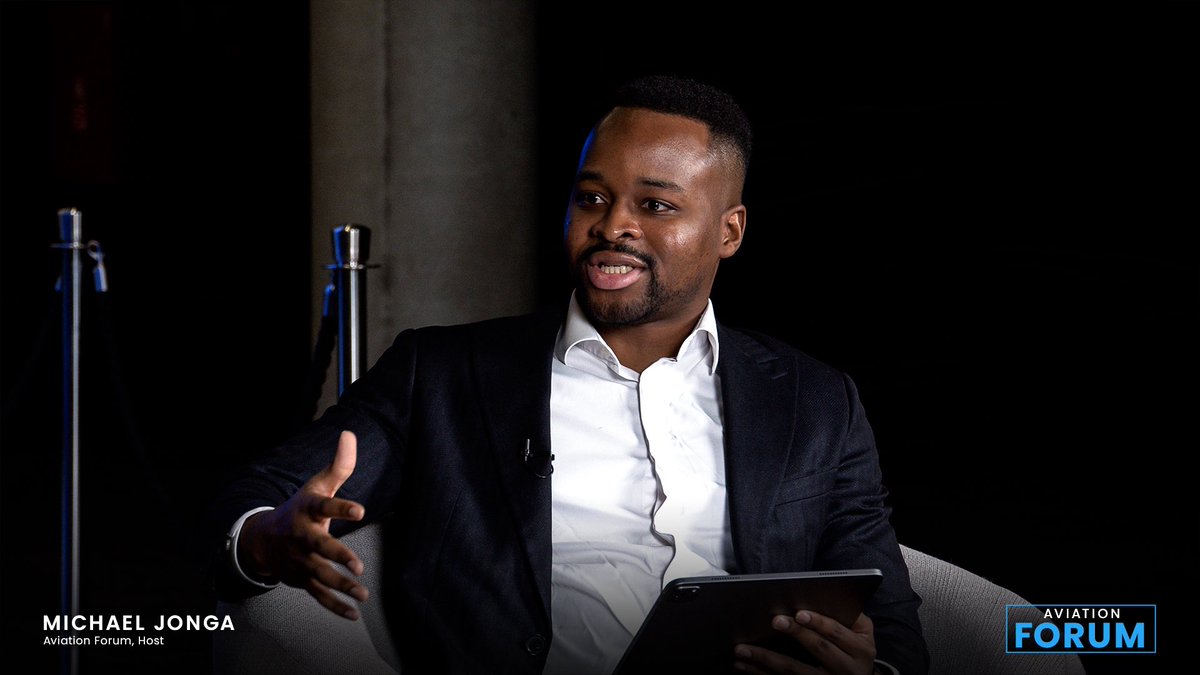
Interview with Michael Jonga, Broadcast Journalist & Head of Studio
🔗 https://t.co/ScmuHNevRP
Produced with: @AviationNews
@chapmanfreebornobc
#logistics #cargo #airlines #aviation #avgeek #frieght #supplychain #content #travel #business #businessowners #ceo
Four years since our first interview, I sat down once again with Tadas Goberis, CEO & Chairman of @AviaAM_Leasing and Member of the Board of Directors at @AviaSG Avia Solutions Group, who shared valuable insights into the current state of the global aircraft leasing market in an exclusive aviation forum interview.
Today, AviaAM Leasing stands as a leading global provider of aircraft leasing, trading, and remarketing solutions.
Our discussion explored a range of interconnected factors, from current leasing market dynamics, aircraft production and delivery constraints, to evolving asset management and utilization strategies among airlines and lessors.
Particularly, Tadas emphasized how the ongoing aircraft production backlog following the pandemic has amplified the demand for ACMI (Aircraft, Crew, Maintenance, and Insurance) leasing models, now an increasingly strategic solution within the aircraft leasing landscape.
Watch here: https://t.co/U8PDan5H5C
#Leasing #Lessor #Aircraft #Airlines #Aviation #Asset #Insight #Boeing #Airbus #ACMI
MROs may often work behind the scenes, but they are one of the foundational pillars of aviation safety and the operational reliability of more than 100,000 commercial flights taking place every day.
In the latest episode of the @fltechnics MRO Podcast, I sat down with Vilius Grigas, Head of Sales, Base Maintenance, and Andrejus Nikiforovas, Chief Production Officer of FL Technics Dominican Republic, who shared their insights into the world of MRO, a world that sustains the operational health, efficiency, and compliance of global air transport while safeguarding passengers, crews, and fleets worldwide.
In this two-part episode, we discussed:
- How airlines rethought heavy maintenance post-Covid and why in-house capacity remains a challenge.
- The ways independent MROs tailor services to diverse clients and secure skilled staff through uncertainty.
- How competitors share knowledge and why airline procedures can even exceed manufacturer standards.
- Expansion into new regions like Punta Cana and inspiring the next generation of aviation maintenance professionals.
Part 1: Inside the hangar of Base Maintenance | Re-thinking In-house MRO
Watch here: https://t.co/oM0NgJrV9z
Part 2: Inside the MRO World - Quality, Collaboration & Strategy
Watch here: https://t.co/4vtJmEIO6F
Zilvinas Lapinskas Juozas LapeikaSaulius Bajarūnas Simona Juočepytė Masalskienė Arif Alameri
Produced with @AviationNews
#MRO #Podcast #FLTechnics #Aviation #Aircraft #Airlines #Maintenance #OEM #Airbus #Boeing #Airbus #Media #Engineer #Aerospace #Safety #EASA
Fleet rightsizing in Africa, acquiring and deploying the right aircraft type for regional, domestic, and international operations, has always been central to the conversation around operational viability, profitability, and long-term success for African airlines.
Some carriers on the continent, whether operating single-type fleets or managing mixed fleets across regional and international networks, have found success in this balancing act.
At Avia Dev Africa 2025 in Tanzania, I sat down with Reinhard Schwaiger, Sales Director at Deutsche Aircraft Aircraft to discuss how the D328eco® is being positioned as a new entrant for Africa’s aviation market.
The 40-seat turboprop builds on the legacy Dornier 328 platform, modernized with a new propulsion system, advanced cockpit avionics, modular cabin options, and full SAF compatibility. Designed for efficiency, versatility, and sustainability, the D328eco® offers:
- Up to 50% less fuel burn than regional jets of comparable size
- 30% less fuel burn than other turboprops in its category
- The flexibility to operate in varied environments, including unpaved runways
- Cabin configurations for passenger, cargo, combi, and medevac missions
As Reinhard highlighted, this makes the D328eco® particularly relevant to Africa, where fleet right-sizing is not just about replacing aging aircraft, but about enabling airlines to expand feeder networks, enter new markets, and support specialized missions across diverse geographies.
“The D328eco is about delivering an aircraft that is right-sized, environmentally efficient, and backed by a proven support ecosystem,” Reinhard explained.
Watch the full @AviationNews interview here: https://t.co/rlfsGrzjOV
#DeutscheAircraft #D328eco #IntraAfrica #Connectivity #SouthernAfrica #SubSaharanAfrica #SouthAfrica #EastAfrica #WestAfrica #Airlines #Aircraft #Travel #Africa #Exclusive #Video #AviaDev
As African airlines move toward greater profitability, operational efficiency, and modernization, TAAG-Linhas Aéreas de Angola’s 2024–2029 strategic plan, focused on fleet renewal and enhanced connectivity, drives its ambition to solidify its brand as a leading African carrier. (@Flytaag_)
“TAAG is keen on positioning itself as a Strategic #1 African carrier in West Africa,” shared Miguel Carneiro, Chief Commercial Officer at TAAG Angola Airlines.
In an interview during AviaDev Africa, he reiterated the airline's focus on regional growth, connecting West Africa to Southern Africa through its hub in Luanda, and shared insight into its intra-Africa expansion to destinations such as Abidjan, Accra, Libreville, Durban, and Victoria Falls.
This growth is underpinned by fleet modernization. TAAG took delivery of its third @Airbus A220-300 in June 2025 from an order of 15, and its first @Boeing 787-9 Dreamliner in January 2025 (commenced operations on LAD-JNB in April 2025) from an order comprising two 787-9s and two 787-10s.
“The intercontinental strategy only makes sense with a strong continental intra-Africa strategy feeding through Luanda,” highlighted Miguel.
The new 787 Dreamliners will support the airline’s double-daily frequency to Lisbon, Portugal, and planned routes to London (LGW) and Guangzhou (CAN) in Q4 2025.
In July 2025, TAAG secured a $297 million financing commitment from the Export-Import Bank of the United States (EXIM) to fund the acquisition of its Boeing 787-10 aircraft and spare GE Aerospace GEnx-1B engines.
According to Miguel, the airline’s vision is to offer a “full and completely transformed experience.”
Watch the full @AviationNews interview here: https://t.co/cpZBgkXJlf
#Angola #Luanda #WestAfrica #IntraAfrica #Connectivity #SouthernAfrica #SubSaharanAfrica #SouthAfrica #Airlines #Aircraft #Travel #Africa #Exclusive #Video #Airbus #Boeing #A220 #787 #dreamliner @AfricanAirlines
When I first heard the term ‘CAMO’ in the context of MRO, I mistakenly thought it had something to do with aircraft camouflage.
I eventually learned that Continuing Airworthiness Management Organizations (CAMOs) are responsible for ensuring an aircraft’s airworthiness, safety, and operational readiness throughout its entire service life.
Many years down the line, I had the chance to sit down with Viktor Kondratjev, Head of CAMO, and Ruslan Knysh, Head of Sales - CAMO & Aircraft Transitions at @fltechnics. They shared decades of experience and insight into CAMO operations, and how they differ from, yet remain closely connected to, MRO (Maintenance, Repair, and Overhaul) organizations.
One interesting takeaway: CAMO engineers spend up to 99% of their time away from the aircraft itself, yet without their oversight, no aircraft would be cleared for takeoff.
🎧Watch Episode 2 of the FL Technics MRO Podcast here: https://t.co/RyW7N3DqwL
Produced with @AviationNews
#CAMO #Airworthiness #Aviation #MRO #AviationMaintenance #Airworthiness #AircraftEngineering #AviationExperts #Aircraft #Maintenance #Media #Podcast #Compliance #Regulatory
The first episode of the @fltechnics MRO Podcast is now live — and as far as I know, it’s the only aviation podcast being recorded directly on the MRO floor. An AvGeek’s paradise.
I had the pleasure of speaking with our first guest, Jonas Karalius, EASA Part-147 Aviation Training Manager at FL Technics Online Training, as we dove into the future of aviation technical training — from classroom to cockpit.
Topics we covered included:
- The structure and scope of EASA Part-147 training
- Remote learning vs. hands-on learning: what actually works?
- How we’re shaping the next generation of aircraft engineers and mechanics
- Real stories from the classroom — and the hangar
While I’ve had the privilege of interviewing dozens of aviation leaders, this was my first time hosting a dedicated podcast series — and I’m thrilled to be partnering with FL Technics to bring these conversations to life.
🎧 Episode 1 – Opportunities and Challenges of Aviation Technical Training
Watch Here: https://t.co/JdgX6VzzbB
#MRO #Podcast #FLTechnics #MROPodcast #aviation #aircraft #maintenance #airlines #OEM #Airbus #Boeing #media #content #online #stream #career #AvGeek #AviationTraining #Part147 #AircraftMaintenance #AviationCareers #FutureOfFlight #AviationPodcast @EASA
For my second year attending AviaDev Africa the industry’s collective vision remains clear: to unlock travel to—and within—the continent through connectivity, innovation, and partnership. AviaDev continues to champion this vision by bringing together a rich mix of stakeholders from across Africa’s airlines, airports, operators, and authorities—alongside global partners, lessors, OEMs, and service providers. This year, I had the privilege of participating not just as a delegate, but also as a speaker—sharing the stage with my colleague Denis Kulikov in a panel and fireside chat titled “The Commercial Benefits of Preparing for the Worst.” We explored how investing in safety and risk preparedness can lead to more favourable insurance terms and long-term resilience for operators. Being a speaker is not just about stepping onto a stage—it's a responsibility to deliver insights that are credible, practical, and trusted. In a room full of decision-makers and innovators, the words we share must be grounded in real-world experience and aimed at sparking actionable progress. Every panel, presentation, and speaker at AviaDev echoed one truth: partnership is powerful. We are in an era where collaboration is no longer optional—it’s essential. In aviation, in insurance, in business… the future belongs to those who understand that progress is a shared pursuit. It’s a vision I was proud to share with my colleagues James Simmons and Finnley Duncan from AI12, who were also in attendance. For Africa, this means building stronger regional and global alliances that allow us to learn, share, and rise together. We are all partners, collaborators, and advocates working toward a safer, more resilient aviation ecosystem. Special thanks to Jon Howell ✈, Mala Patel, Sean Mendis, and the entire AviaDev Africa team for delivering yet another exceptional and expertly executed event.
In this interview, I sat down with Julian Edmunds, Director Group Strategy and Development at @fastjet who shared the airline’s growth focus, partnerships, and entrepreneurial drive to unlock travel in Africa. He highlights the need for fleet rationalization, optimal airline sizing, and a rethinking of SAATM, the @_AfricanUnion’s project to create a single market for air transport in Africa, as well as the civil aviation authority structures in Africa—topics that were central to discussions at AviaDev Africa 2024. Since its launch in 2015, Fastjet has flown over 4 million passengers. The airline now operates an all-Embraer fleet on domestic routes from Harare to Victoria Falls and Bulawayo, and international flights from Harare, Bulawayo, and Victoria Falls to Johannesburg, Harare to Lusaka, Zambia and Victoria Falls to Mbombela (Kruger) Nelspruit in South Africa. In 2024, Fastjet Zimbabwe achieved International Air Transport Association (IATA)’s Operational Safety Audit (IOSA) registration. Watch the full interview here: https://t.co/U2BzKDyZfs
Portfolio: https://t.co/ScmuHNf3Hn #Fastjet #Zimbabwe #Zambia #SouthernAfrica #SubSaharanAfrica #SouthAfrica #Airline #Airlines #Aircraft #Travel #Africa #Exclusive #Video #Embraer #CRJ @AfricanAirlines
In an interview, @MagmaCargo UAE Director Audrone Keinyte, shared her insight into the air cargo market, noting the rise in narrow-body freighters capacity, against a global wide-body capacity shortage.
While expecting a moderate 5% growth in demand, Audrone highlights the possible influence of short-term geopolitical and economic headwinds on the market.
Watch here: https://t.co/nZK7RqPLMn
More: https://t.co/ScmuHNevRP
According to @IATA International Air Transport Association’s Air Cargo Market Analysis (March 2025):
1. ‘The sharp rise in US tariffs and new trade rules, especially the 2 May ban on duty-free imports from China and Hong Kong, may have prompted companies and buyers to make purchases in advance to avoid significant import fees.’
2. ‘In March 2025, Jet fuel costs dropped by 17.3% YoY, marking nine straight months of yearly decline, while cargo revenue rates climbed by 3.8% yearly and 6.6% from February’
3. ‘Air cargo capacity heavily relied on belly-hold space. The distribution between belly hold and dedicated freighters remained steady over the past year, with belly-hold contributing 53.3% and freighters 46.7%.’
Report: https://t.co/r2KUa2cKnt
Willie Walsh IATA’s Director General commented:
“March cargo volumes were strong. It is possible that this is partly a front-loading of demand as some businesses tried to beat the well-telegraphed 2 April tariff announcement by the Trump Administration. The uncertainty over how much of the 2 April proposals will be implemented may eventually weigh on trade. In the meantime, the lower fuel costs—which are also a result of the same uncertainty—are a short-term positive factor for air cargo. And, within the temporary pause on implementation we hope that political leaders will be able to shift trade tensions to reliable agreements that can restore confidence in global supply chains.”
Report: https://t.co/1CotrvXcAx
#aircargo #aviation #cargo #charter #aircharter #capacity #analysis #freight #freighter #forwarder #airlines #supplychain #narrowbody #widebody @Airbus #international @Boeing #global #economy @chapmanfreeborn #GDP #business #Interviews #tarrifs #ecommerce #airbus #boeing #insight #Journalism #News
As someone who’s spent years asking the questions, it was a refreshing shift to be on the other end of the microphone.
I had the privilege of joining the AviaDev Insight Africa podcast hosted by Jon Howell, Founder and CEO of AviaDev Africa, alongside Denis Kulikov representing AI12, where we explored the often-overlooked link between aviation safety, insurance, and financial resilience on the continent.
But beyond the technicalities, this conversation reminded me of something far deeper: the power of partnership.
We are living in a world where collaboration isn’t optional—it’s essential. In aviation, in insurance, in business… the future belongs to those who understand that progress is no longer a solo pursuit. For Africa, this means forging stronger alliances—regionally and globally—that allow us to learn, share, and build together.
We are all partners, collaborators and advocates working toward a safer, more resilient aviation ecosystem.
Podcast Episode here: https://t.co/B2Yx0eQRIJ
And here: https://t.co/ScmuHNevRP
#Podcast #content #airlines #insurance #africa #supplychain #international #global #economy #GDP #business #Interviews #insight #News #MichaelJonga #AI12 #AviaDevAfrica #AfricanAviation #RiskManagement #Partnerships #Alliance #Collaboration #AviationInsurance #Leadership #AviationDevelopment
The #MRO industry plays a crucial role in supporting the global aviation ecosystem. It ensures that aircraft remain safe, efficient, and ready for service, keeping the skies open and the global economy moving.
As the industry continues to grow, the push for digital transformation has become a pivotal force in optimizing operations and improving performance across the board. 🌍
In an insightful conversation with Paulius Cegis the CEO of Sensus Aero we explored how their innovative tech solutions, specifically their ERP software, are transforming the MRO landscape. ✈️
We discussed why outdated tools and siloed workflows limit efficiency and growth, and how scalable, modular technology can help MROs enhance performance. The conversation focused on how Sensus Aero’s platform addresses core challenges across base & line maintenance operations, as well as component and logistics operations, enabling smoother, more efficient processes.
As the aviation industry continues to integrate into broader global markets, having the right digital tools in place is more essential than ever—not just for streamlining operations but for connecting the aviation ecosystem with other industries worldwide.
@AviationNews interview: https://t.co/CheJafINGY
Sensus Aero: https://t.co/0x1WrjXDaW
@fltechnics@AviaSG@JongaMichael
#MRO #Maintenance #ERP #AviationMRO #AviationMaintenance #AircraftMaintenance #MROIndustry #Technology #AviationTechnology #Innovation #DigitalTransformation #Operations #Aerospace #Solutions #Management #AircraftRepair #Digitalization #Digital #Aircraft #Repair #Airlines #Airbus #Boeing #Embraer #Aviation