Los factores neurales juegan un papel crítico en la disminución en la fuerza máxima y la tasa de desarrollo de la fuerza (RFD) relacionada con la edad.
El entrenamiento de fuerza 🏋️ no es discutible para esta población👇
https://t.co/RR9X6sM03N
Most exercise advice focuses on how much you train. This paper shows the real question is what kind of cellular architecture you’re building.
This systematic review and meta-regression synthesizes data from 425 human studies to quantify how different exercise modalities reshape mitochondrial content and skeletal-muscle capillarization, two core determinants of metabolic health and endurance capacity.
The mechanistic takeaways:
• Training intensity is the dominant driver of mitochondrial expansion.
High-intensity and sprint-interval training produced ~2–4× greater increases in mitochondrial markers compared with traditional endurance training when normalized for time.
• Volume still matters, but differently.
Mitochondrial adaptations scale with training intensity × volume, whereas capillary growth depends more on intervention duration (≥8 weeks) than intensity alone.
• Capillarization and hypertrophy are not the same adaptation.
Capillary density and capillaries per fiber increased even when cross-sectional area did not, reinforcing that vascular remodeling is a distinct biological response.
• Trainability is context-dependent.
Untrained individuals showed larger relative gains, but well-trained individuals still adapted, especially under higher-intensity stimuli, contradicting the idea of a hard “adaptation ceiling.”
• Age, sex, and disease status did not negate adaptation.
Young vs. old, male vs. female, and healthy vs. cardiometabolic or pulmonary disease groups all demonstrated meaningful mitochondrial and vascular remodeling with appropriate training exposure.
I'm sum, exercise is not merely a behavioral intervention, it is a dose-dependent biological signal that remodels mitochondrial density, oxidative capacity, and skeletal-muscle microvasculature. Intensity determines how much adaptation you get; duration determines how completely the tissue remodels.
¿QUÉ ES LA “ZONA 2” DE ENTRENAMIENTO AERÓBICO? El entrenamiento en zona 2 consiste en trabajar justo por debajo del primer umbral de lactato o ventilatorio, mediante sesiones largas y continuas que mejoran la eficiencia metabólica, la función cardiovascular, la capacidad mitocondrial y la resistencia mental en deportistas de resistencia. (lee el artículo completo en BLOG JL Chicharro en https://t.co/ghlyA0rsYU) https://t.co/hUC37HWrQI
🚨NEW PAPER🚨
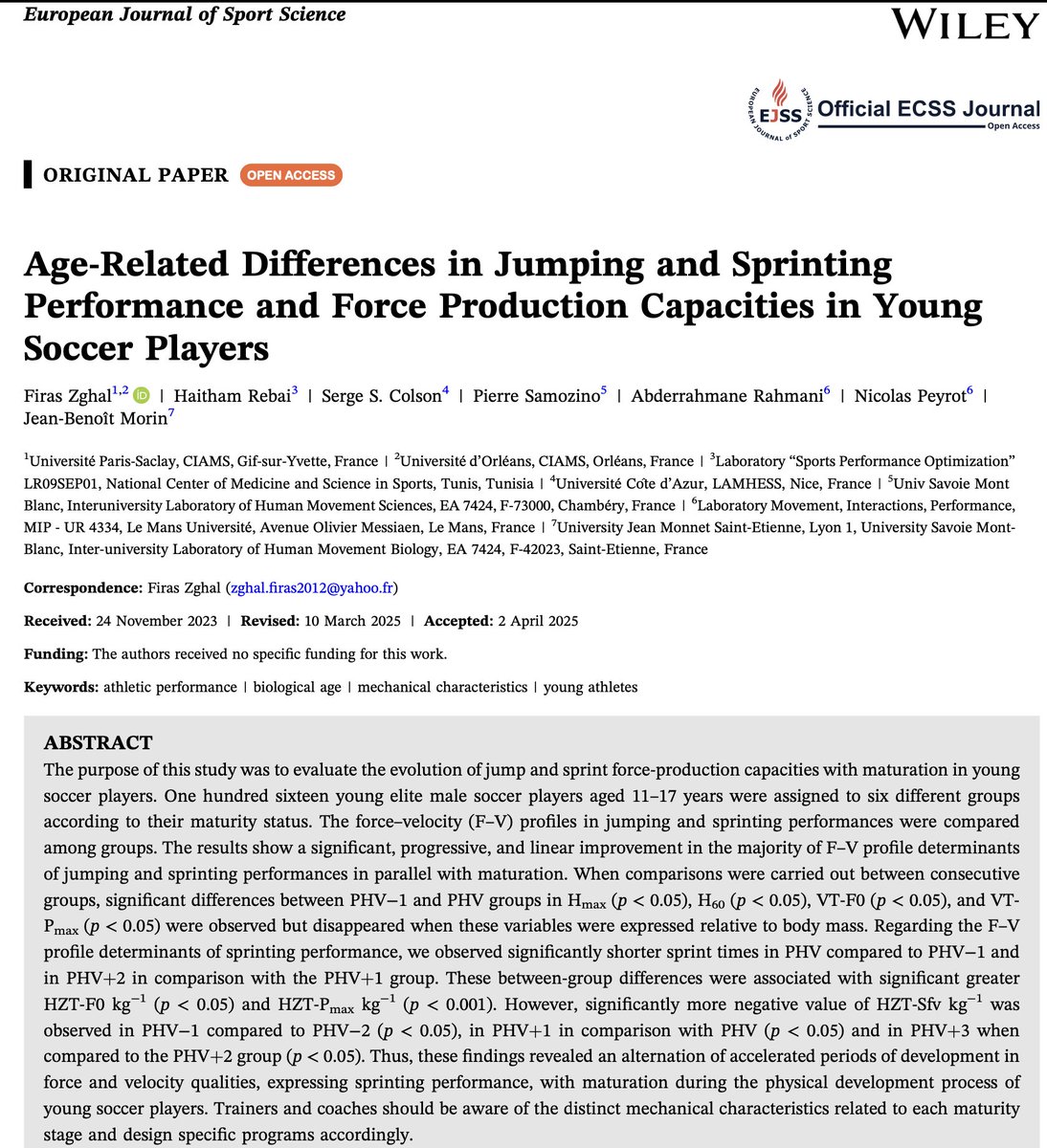
Jump and Sprint performance and mechanical outputs in young ⚽️players: normative values across age categories and maturation status 📈🦵
Open access @EurJSportSci by Zghal et al.
👇
https://t.co/4ix1QHKB4p
🚨New Paper:
Effects of Neuromuscular Training on Stable Versus Unstable Surfaces on Unilateral Force Production and Stability in Elite Male Soccer Players.
@sjimenezrubio_@SergioLJimenez5
https://t.co/1Q7NWHqiqO
The muscle-brain connection: The role of exercise-induced myokines in combatting aging-delated disease(s)
Last week, I made a post on myokines—signaling molecules secreted by muscles in response to exercise, and their impact on multiple different organ systems. This post is meant to highlight how exercise modalities influence myokine release and, by extension, their potential to mitigate aging-related cognitive decline and muscle dysfunction.
Physical exercise has long been recognized for its myriad health benefits, including its protective effects against sarcopenia and neurodegenerative diseases. The secret behind exercise's systemic benefits lies in part in myokines, which serve as messengers in the muscle-brain crosstalk.
Myokines are a diverse group of peptides and proteins with the ability to facilitate communication between skeletal muscles and various organs, including the brain. They are highly important in processes such as neuroprotection, inflammation modulation, and the regulation of energy metabolism. Specific myokines released in response to exercise include: brain-derived neurotrophic factor (BDNF) and insulin-like growth factor 1 (IGF-1), vascular endothelial growth factor (VEGF), cathepsin B (CATB), irisin, Interleukin-6 (IL-6) etc.
Different forms of exercise )e.g., aerobic exercise, resistance exercise, and combined exercise) affect myokine secretion (and all somewhat differently). Aerobic exercise emerges as a particularly potent stimulator of a broad array of myokines, reinforcing its role in enhancing both cognitive functions and muscle health during aging. The differential impacts of these exercise types on myokine levels suggests potential importance of tailored exercise prescriptions to maximize health benefits, especially among aging populations.
High-dose exercise (6x/week) combined with caloric restriction leads to superior fat loss and fully preserves muscle mass, making it an effective strategy for body composition compared to dieting with less exercise.
A recent 16-week study (PMID: 39427878) looked at how different doses of aerobic + resistance exercise combined with caloric restriction impact fat loss and muscle preservation in individuals with type 2 diabetes.
Study:
- Diet-only group – caloric restriction without exercise
- Moderate Exercise (3x/week) – 2 aerobic sessions (~50 min each) + 1 combined aerobic (30 min) & resistance (30–45 min) session
- High Exercise (6x/week) – 4 aerobic sessions + 2 combined aerobic (30 min) & resistance (30–45 min) sessions
Aerobic training – Stationary cycling, progressively increasing intensity
Resistance training – Progressive overload, 3 sets per major muscle group
Findings:
🔹 Fat Loss:
- Diet-only: 3.5% body fat loss
- Moderate (3x/week): 6.3% body fat loss
- High (6x/week): 8.0% body fat loss
🔹 Visceral Fat Reduction: Greatest in high exercise group (1,786 cm³ loss)
🔹 Muscle Preservation:
- Diet-only: -2.7% fat-free mass loss
- Moderate (3x/week): -1.9% fat-free mass loss
- High (6x/week): Fully preserved muscle mass (-0.2%)
Limitations
🔸 Short-term study (16 weeks).
🔸 Small sample size (82 participants).
🔸 Dietary adherence was self-reported.
🔸 Focused on type 2 diabetes patients and not healthy individuals (i.e., less generalizability).
Test de 5, 10, 15 metros de velocidad lineal, tomados con fotocelulas CRONOJUMP, una de las variables tomadas para análisis de rendimiento en jugadores se futbol sala y playa de Colombia #Futsal#AnalisisDeRendimiento
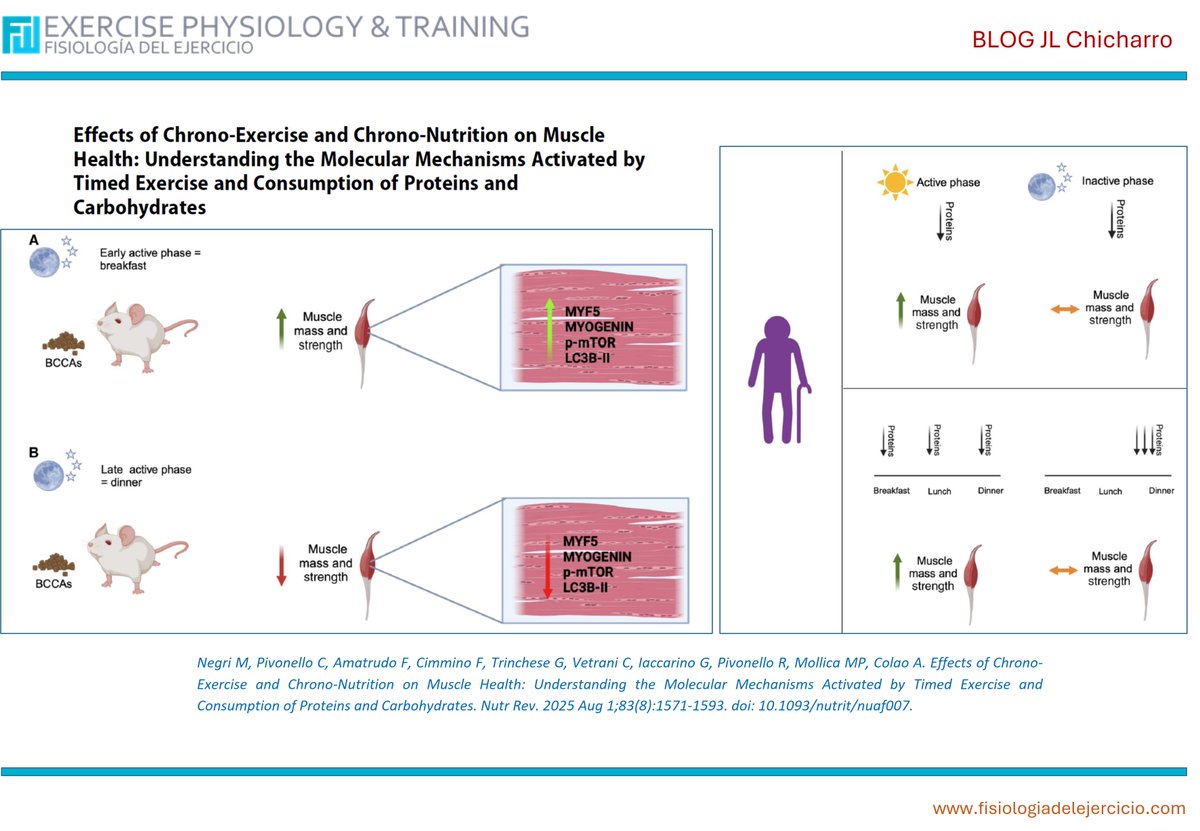
Entrenar por la tarde (16:30–19:30) se asocia con mayores ganancias de masa muscular que entrenar por la mañana. La ingesta de proteínas en momentos estratégicos, especialmente después del ejercicio, estimula la vía mTORC1, clave en la síntesis proteica y la hipertrofia, mientras que la ingesta proteica nocturna puede mantener la síntesis proteica durante el sueño. (lee el artículo completo en BLOG JL Chicharro en https://t.co/ghlyA0rsYU) https://t.co/ZQFcRAielf
The Role of Micronutrients in ATP (energy) Production
Micronutrients, although required in minute quantities, are indispensable catalysts in the metabolic pathways that convert food into energy. These pathways, include glycolysis, the Krebs cycle, and the electron transport chain. All of which are dependent vitamins and minerals to function.
For example, vitamin B1 (Thiamine) plays a pivotal role in facilitating the conversion of pyruvate from glucose into acetyl-CoA. B2 (Riboflavin) and B3 (Niacin), serve as precursors for what are called coenzymes FAD (metabolite/coenzyme of B2) and NADH (metabolite/coenzyme of B3), respectively. These are crucial for reactions in the Krebs cycle and electron transport chain.
Minerals like magnesium act as cofactors (different from a coenzyme. Note that all coenzymes are cofactors but not all cofactors are coenzymes) for ATP synthesis. Interestingly, magnesium is also needed to convert thiamine into its active form, thiamine diphosphate that, again, is used to convert pyruvate into acetyl-CoA.
Iron is central to oxygen transport and electron transfer. Trace elements such as zinc and copper are important components of enzymes and proteins that maintain energy flow in during these processes.
Deficiency in micronutrients can lead to compromised energy production, resulting in fatigue and many other health issues. Thus, a balanced diet rich in these vitamins and minerals is needed to maintain metabolic integrity.
In summary, the role of micronutrients in energy production is a testament to the the importance of a nutrient-rich diet for sustaining energy production and life.
Lonsdale, D.; Marrs, C. Thiamine Deficiency Disease, Dysautonomia, and High Calorie Malnutrition; Academic Press: Cambridge, MA, USA, 2017.
Master metabolism with 9 steps/arrows
Here’s my shortcut to remembering it in just 9️⃣ arrows:
1️⃣ Glu → Fru → Pyr
(Glucose → Fructose → Pyruvate)
This is glycolysis — the breakdown of glucose into pyruvate for quick energy.
💡 Example: Eat bread, glucose enters your cells, and is converted to pyruvate to start producing ATP.
2️⃣ Pyr → ACoA → TCA
(Pyruvate → Acetyl-CoA → TCA Cycle)
When oxygen’s available, pyruvate becomes Acetyl-CoA and runs through the TCA (Krebs) cycle for sustained energy.
💡 Example: A post-lunch walk taps into this aerobic pathway.
3️⃣ TCA → NADH → ETC → ATP
(TCA products → NADH → Electron Transport Chain → ATP)
The TCA cycle generates NADH, which powers the electron transport chain to make ATP — your cellular energy currency.
💡 Example: Your brain uses that ATP to keep you sharp while studying.
4️⃣ G6P ↔ PPP → NADPH + Ribose
(Glucose-6-Phosphate → Pentose Phosphate Pathway → NADPH + Ribose)
This detour from glucose creates NADPH (for antioxidant defense) and ribose (for DNA/RNA synthesis).
💡 Example: Immune cells use NADPH to neutralize pathogens.
5️⃣ Pyr → Lac
(Pyruvate → Lactate)
In low-oxygen conditions, pyruvate shifts to lactate.
💡 Example: That muscle burn during a sprint? Lactate at work.
6️⃣ Pyr → OAA → Gluconeogenesis
(Pyruvate → Oxaloacetate → Glucose)
During fasting, pyruvate is turned into oxaloacetate, then glucose, to maintain blood sugar.
💡 Example: After 10+ hours without food, your liver makes glucose for your brain.
7️⃣ ACoA → FAs → TAGs
(Acetyl-CoA → Fatty Acids → Triglycerides)
Excess energy is stored as fat.
💡 Example: Too many sweets? Your body parks the surplus as belly fat.
8️⃣ FAs → β-ox → ACoA → TCA
(Fatty Acids → Beta-Oxidation → Acetyl-CoA → TCA)
When carbs run low, fat becomes your fuel.
💡 Example: After 14 hours of intermittent fasting, fat breakdown kicks in.
9️⃣ AAs → Pyr / ACoA / TCA
(Amino Acids → Pyruvate or Acetyl-CoA or TCA)
Amino acids can feed into different energy pathways, depending on type.
💡 Example: In prolonged starvation, muscle protein is converted into energy intermediates.
Our new accepted article
🔍 54 ACLR
💪 5RM Strength Tests (Box Squat, RFESS, Leg Extension)
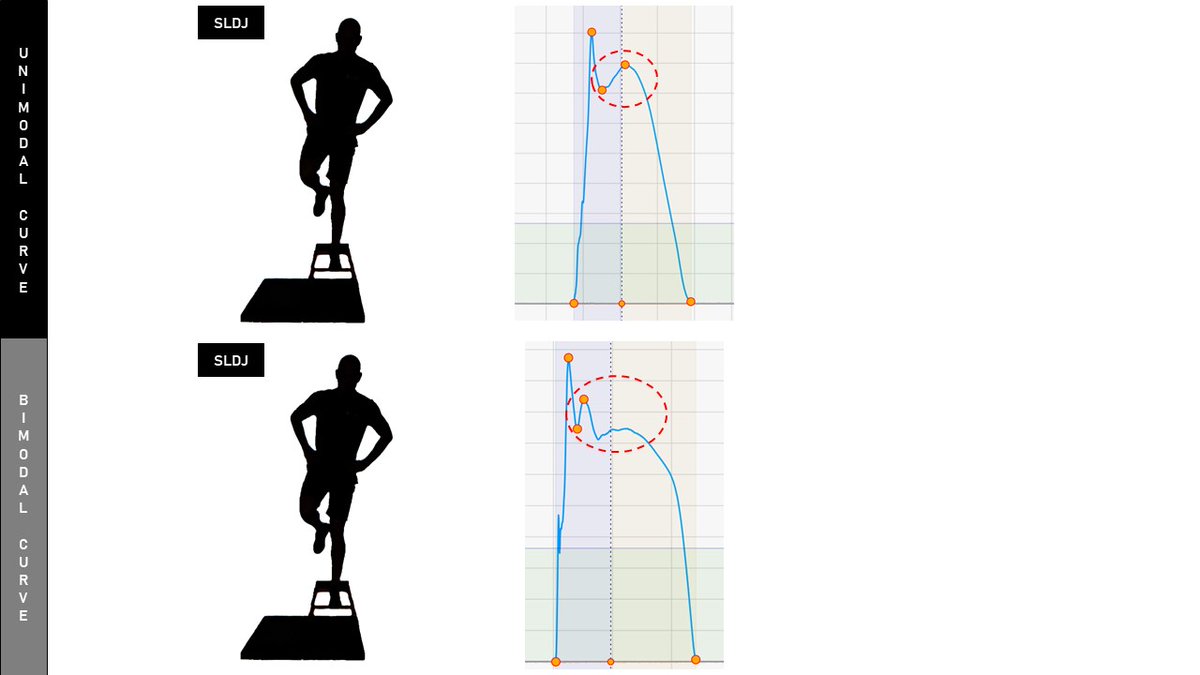
🦵 Vertical Jumps (CMJ, SLCMJ, SLDJ)
🎯 We explored the relationship between multi and single-joint strength and vertical jumps performance, SSC function and phase-specific impulses
Alargar la fase excéntrica durante el entrenamiento de fuerza no parece otorgar mayores adaptaciones de hipertrofia muscular (lee el artículo completo en BLOG JL Chicharro en https://t.co/xMuXMv8hit) https://t.co/xXr7GLWCjU