Pharmacologic Treatment for Migraine Prevention in Adults Practice Guideline Recommendations: Report of the AAN Guidelines Subcommittee and the American Headache Society https://t.co/ycnKgZBldQ
Could we be missing one of the most treatable causes of walking and thinking problems in older adults. Normal pressure hydrocephalus (NPH) is a condition where the brain’s fluid spaces enlarge and can disrupt walking, bladder control and thinking. Maroufi and colleagues describe in a new review in JAMA why idiopathic NPH deserves our attention, particularly because it can mimic Parkinson’s disease and Alzheimer’s disease and, importantly, symptoms can improve following treatment.
Key points:
- Gait problems are frequently the earliest clue, occurring in 85% to 95% of folks, while urinary symptoms and cognitive changes are also common.
- Diagnosis requires putting the clinical picture together w/ brain imaging, and removing CSF through a large-volume lumbar puncture can help predict who may respond to a shunt.
- Following shunting, gait improves in approximately 70% to 90% of folks, while cognitive and urinary symptoms improve in approximately 50% to 70%.
My take: NPH is important because it sits at the intersection of neurology, neurosurgery and aging, and it can look remarkably like Parkinson’s disease, dementia or simply getting older. We should resist prematurely labeling an older person w/ walking, thinking and bladder changes as having an untreatable neurodegenerative disease. NPH is one of those diagnoses we do not want to miss. However, be careful of jumping to a shunt as there can be many complications of shunt therapy. Make sure you have examined the risk-benefit profile for each individual.
Here are 5 points that resonated w/ me:
1- Think NPH when gait slowing, falls, cognitive changes and urinary urgency begin clustering together.
2- The classic triad does not need to be complete, and gait trouble may arrive first.
3- MRI findings are important, however imaging alone cannot reliably tell us who will improve following treatment.
4- A large-volume spinal tap and objective measurement of gait before and after CSF removal can provide an important clue about shunt responsiveness.
5- Perhaps the biggest message is simple: recognize NPH early because this is one neurological syndrome where identifying the right folks can potentially restore walking, independence and quality of life.
https://t.co/eVeU3HWOaZ
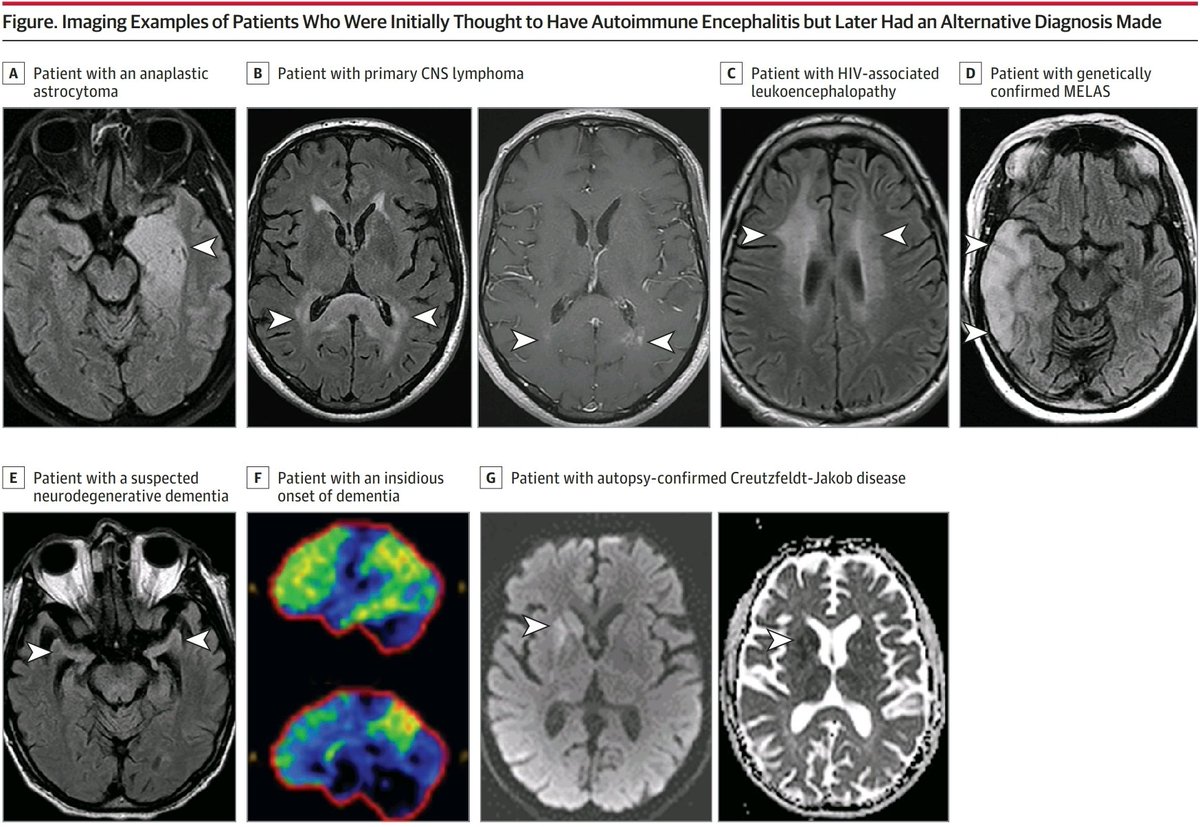
Excellent paper & must read article on
Autoimmune encephalitis misdiagnosis in adults..
Look for etiologies: infections, metabolic, neurodegenerative, neoplastic, vasculitis etc causes
@Mayo_AING@EoinFlanagan14@Div_Dubey@JAMANeuro
doi:10.1001/jamaneurol.2022.4251
Safety of Antiseizure Medication During DOAC Therapy in Epilepsy
‼️Datos muy importantes de cara al uso seguro de medicamentos anticrisis en pacientes anticoagulados con ACOD
❌ Cuidado con levetiracetam y valproato.
https://t.co/wDSGzm5YNx
🩺Clinical & neuroimaging 🧠 clues to differentiate 🧩autoimmune encephalitis & its mimics🔎
Current opinions in Neurology 📖
10.1097/WCO.0000000000001489.
Our featured article for July is an Expert Recommendation from the MAGNIMS network, on rethinking prognosis in MS - click on this link to access the PDF for free: https://t.co/Ila8bjKTip
Falta una semana para inscribirse en el Curso Online de Status Epiléptico 2026! Consulta el programa e inscríbete antes del 15 de julio: https://t.co/OdeouukQ6C
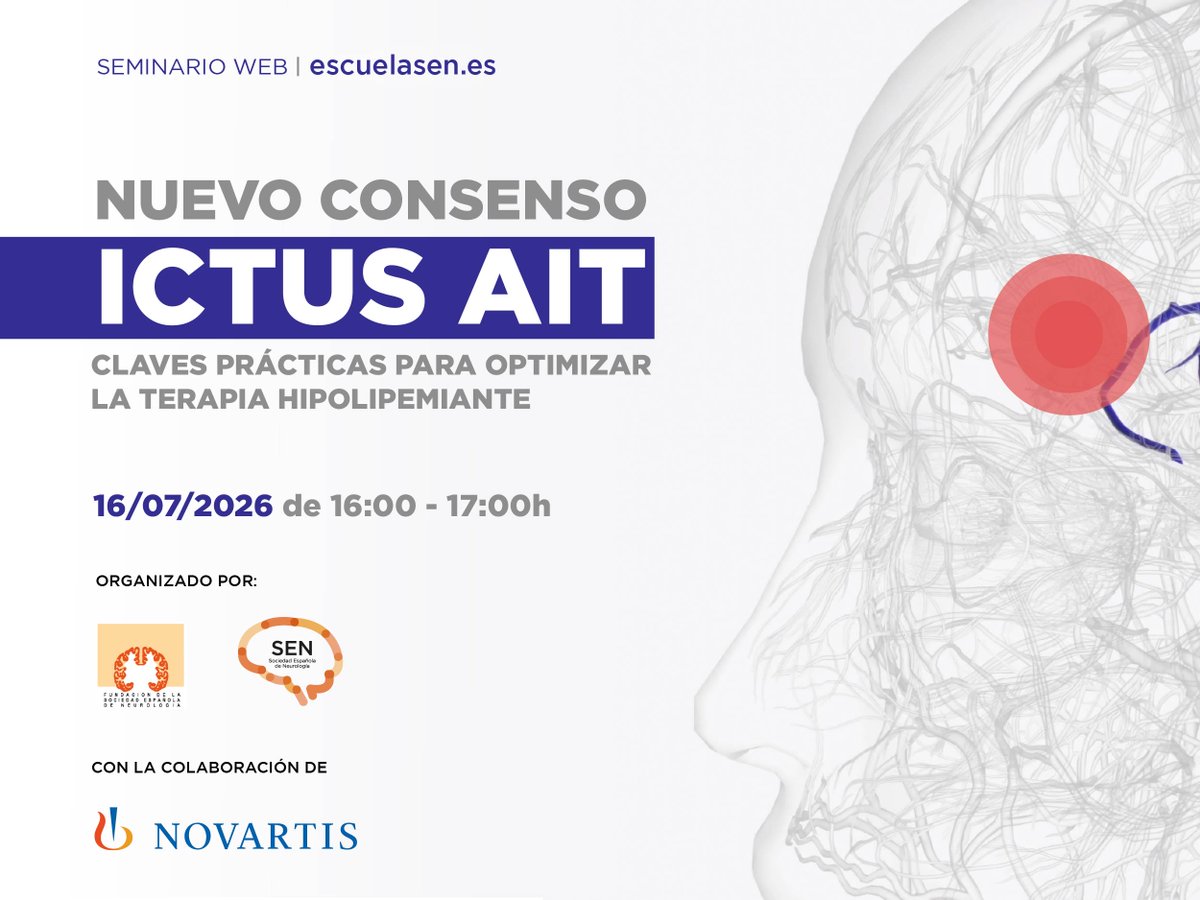
El 16 de julio, a las 16h (CEST), celebraremos en EscuelaSEN el seminario online "Nuevo consenso en ictus/AIT: claves prácticas para optimizar la terapia hipolipemiante".
Recordamos que el registro en EscuelaSEN es gratuito. Apúntate en: https://t.co/sew8QI7dCZ
#Neurología
#IESSacompaña | Conoce el testimonio de Melissa Álvarez, quien gracias a la atención integral y al acompañamiento de profesionales de salud ha recuperado el 80 % de su movilidad. Su historia refleja el compromiso con una atención oportuna, humana y de calidad 🙏🏼💙
ICYMI - Blood test can identify signs of Alzheimer’s Disease decades before symptoms, suggests new study in The Lancet.
Find out more: https://t.co/7Tnuf3gAD8
Rituximab vs. ocrevus for multiple sclerosis. This randomized trial (n=218, 30 month follow up) showed they are about equal in preventing relapses, disability, MRI outcomes, and side effects. https://t.co/JnA9PhoINw
#MondayTip
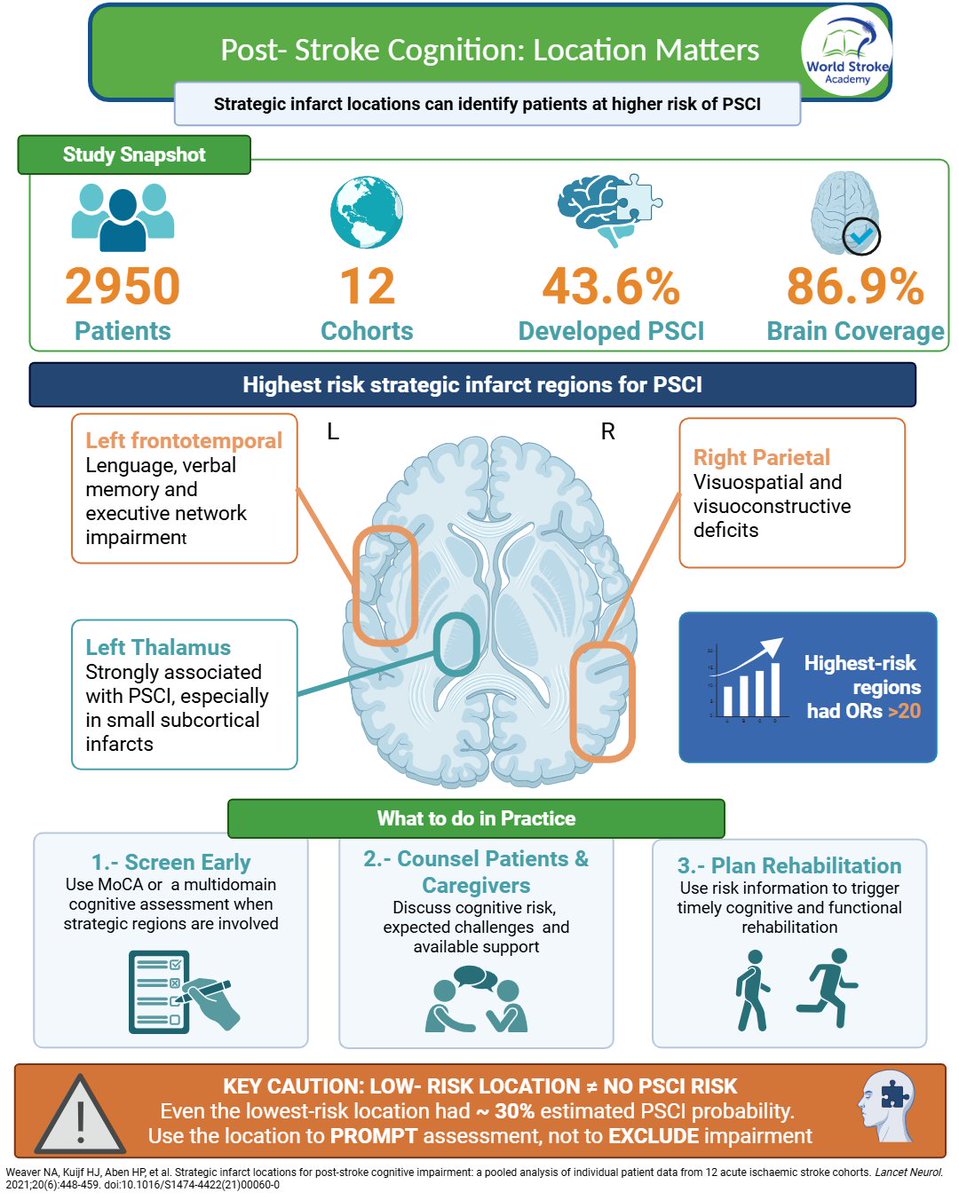
In #PSCI, infarct location matters.
🚨Highest cognitive risk in a 2950-patient pooled analysis:
🧠Left frontotemporal
🧠Left thalamic
🧠Right parietal.
☝️Use imaging to prompt early cognitive #screening—not to rule PSCI
https://t.co/019RFtSoB0
Excelente editorial, gracias @daperezm Prevenir la Enfermedad de Alzheimer: De la Evidencia a la Acción Pública. Preventing Alzheimer’s Disease: From Evidence to Public Action - revecuatneurol - Revista Ecuatoriana de Neurología https://t.co/EHPplk5bgn
Tired of always speculating about MR spectroscopy?
If you've ever looked at an MR spectroscopy & thought: "I have no idea what I’m looking at!"--then this cheat sheet is for you!
Here are the 4 basic rules you need so you can understand the spectrum of basic spectroscopy!
First you need to know the peaks.
3 main peaks: Choline, Creatine, NAA
Remember the order bc a spectrum looks like mountain peaks & it is cold in the mountains. And CHOld CREATures NAp or hibernate in the mountains
Choline
Marker of membrane turnover
Remember: membranes coat or “CHOat” the cell
Choline = ChoLEAN, choline LEANS into the creatine peak, it’s right next to it
Creatine
Marker of energy, basically an internal control
Remember, everyone takes Creatine powder for energy!
Creatine is at ~3—creatine almost rhymes with 3
NAA Marker of neuronal health
N = Neuron
NAA has double As so it is at ~2!
Four rules:
1. Hunter’s angle:
—Most people know that the peaks of the spectrum should go up at you move lateral, called Hunter’s angle
—Most bad things reverse Hunter’s angle
—Ask yourself: Is my arrow pointed up to shoot into the air at the enemy (good) or is point to the ground where it will hit the dirt (bad)
2. TE & spectrum length are inversely related
—Spectroscopy follows the rule: speak softly & carry a big stick.
—Short TE = long spectrum, lots of extra peaks for glutamate/glycine, myoinsitol
—Long TE = short spectrum, mainly the basic 3 peaks
3. Each region has its own unique signature
—Each brain region has its own unique composition of compounds that might alter Hunter’s angle a bit, but not reverse it
—Need a control in contralateral normal brain so compare apples to apples
4. Lactate peak goes like a sine wave
—Lactate peak represents anerobic metabolism—sign of cells in trouble
It’s at 1.3ppm. Remember this bc 13 is an unlucky number & lactate is an unlucky sign!
—It’s like a sine wave: up at short TE (35), down at intermediate TE (144), and up again at long TE (244)
—You can use this flipping to better visualize the lactate peak
—You can remember it’s down in the middle TE bc when you’re caught in the middle, you’re down & out
Just remember these tricks & you will be spectacular at basic spectroscopy!
Durante años nos hemos contado una mentira elegante.
Que una copa de vino al día podía ser “buena” para el cerebro.
Que existía un consumo moderado era seguro... Incluso protector.
El problema es que la neurociencia actual ya no sostiene esa idea.
Un reciente metaanálisis publicado en Internal Medicine Journal vuelve a desmontar uno de los grandes mitos normalizados de nuestra cultura popular: no existe una dosis de alcohol segura para la salud cerebral.
Y lo más interesante no es sólo el dato epidemiológico. Es lo que ocurre dentro del cerebro.
Las pruebas de neuroimagen muestran algo inquietante:
el consumo habitual de alcohol se asocia con pérdida de volumen en el hipocampo, la región clave para la memoria, y alteraciones en la conectividad cerebral.
Es decir: el cerebro paga un precio incluso antes de que aparezcan síntomas visibles.
Además, los trastornos relacionados con el alcohol siguen siendo uno de los factores modificables más importantes en las demencias de inicio precoz.
Y aquí aparece una reflexión incómoda.
Vivimos en una sociedad obsesionada con optimizar productividad, rendimiento físico o longevidad…
pero seguimos normalizando hábitos que deterioran silenciosamente nuestro principal activo: la capacidad cognitiva.
No se trata de moralizar.
Se trata de entender que prevenir el deterioro cerebral no empieza cuando aparecen los olvidos.
Empieza mucho antes.
En decisiones aparentemente pequeñas y socialmente aceptadas.
Porque cuidar el cerebro no consiste sólo en añadir hábitos saludables.
También implica reducir aquello que sabemos que lo daña.
Comparto este documento de consenso de @seneurologia sobre anticuerpos antiamiloide en Alzheimer, en cuya elaboración he participado.
Estamos en un momento especialmente relevante para este campo.
La cuestión ya no es solo si dispondremos de nuevas terapias, sino cómo incorporarlas con rigor:
a quién tratar,
con qué biomarcadores,
cómo monitorizar
y en qué marco asistencial.
Ahí está el verdadero cambio.
Y aquí puedes bajar el trabajo de forma gratuita: https://t.co/NBxuIz4fAL
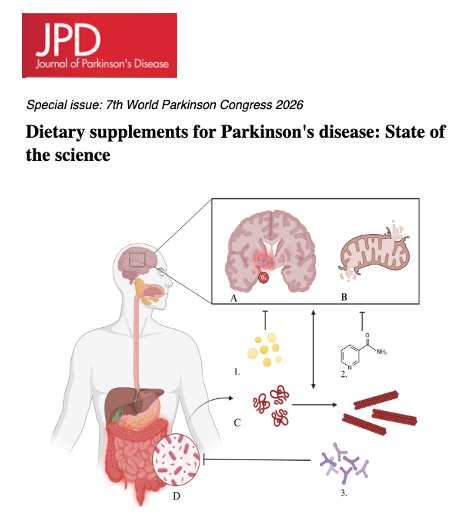
Dietary supplements and Parkinson’s disease: separating hope from hype. A dietary supplement is a product such as a vitamin, probiotic or nutrient taken to add to the diet and potentially support health. Prasad and colleagues describe in a new paper in the Journal of Parkinson’s Disease the current state of the science on dietary supplements and whether they may influence Parkinson’s disease progression.
Key points:
- Biotics including probiotics, prebiotics and synbiotics showed promising effects on inflammation, oxidative stress and the gut microbiome in several studies.
- Nicotinamide riboside, a form of vitamin B3, emerged as a promising candidate in early trials targeting mitochondrial function and cellular energy.
- Omega-3 fatty acids combined w/ vitamin E demonstrated reductions in inflammatory and oxidative stress biomarkers, however clinical results were mixed.
My take: This review is important because many folks living w/ Parkinson’s disease are already taking supplements, frequently w/o clear guidance from evidence. The future may not be about one magic supplement, however about targeting multiple pathways including inflammation, mitochondrial health and the gut microbiome at the same time. We need larger and longer studies before we can confidently recommend most supplements as disease-modifying therapies.
Here are 5 points that resonated w/ me:
1- Parkinson’s disease is more than dopamine loss and may involve inflammation, oxidative stress and gut microbiome changes.
2- The gut-brain connection continues to emerge as one of the most exciting frontiers in Parkinson’s research.
3- Supplements such as probiotics and omega-3 fatty acids appear relatively safe, however safety does not always mean effectiveness.
4- Nicotinamide riboside is gaining attention because it may support how cells generate and use energy.
5- The future of Parkinson’s care may combine exercise, nutrition, sleep and personalized therapies into a more holistic treatment plan.
https://t.co/I8Iu4pUsGr #parkinson #vitamins #supplements
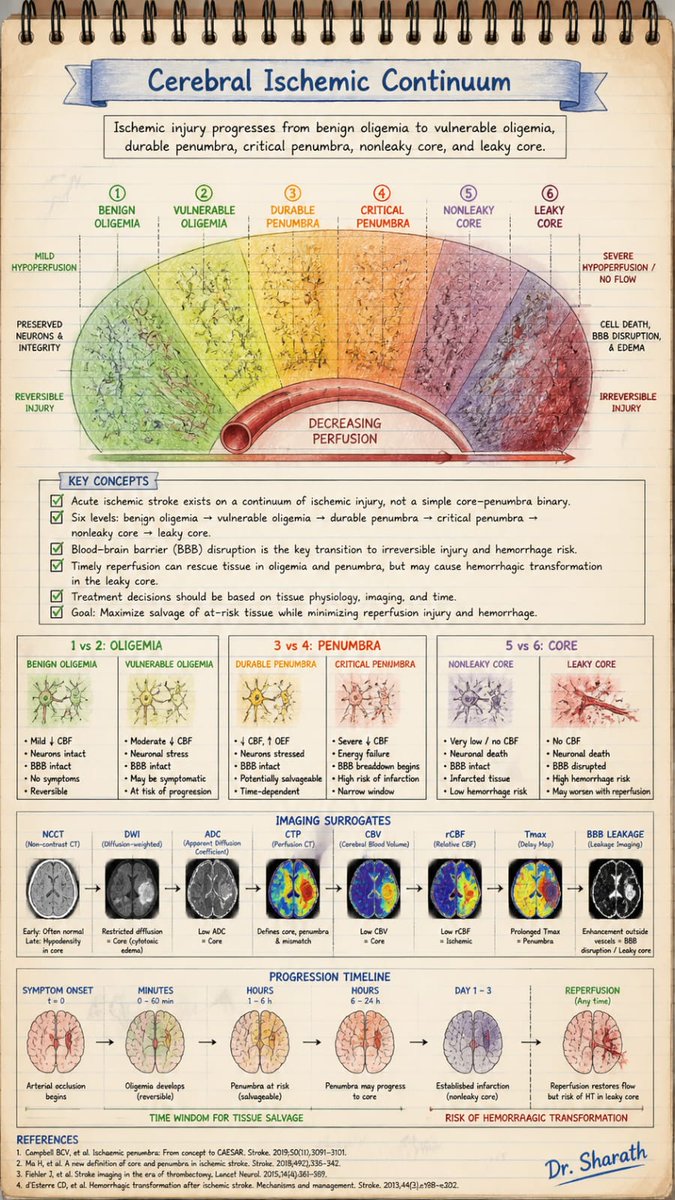
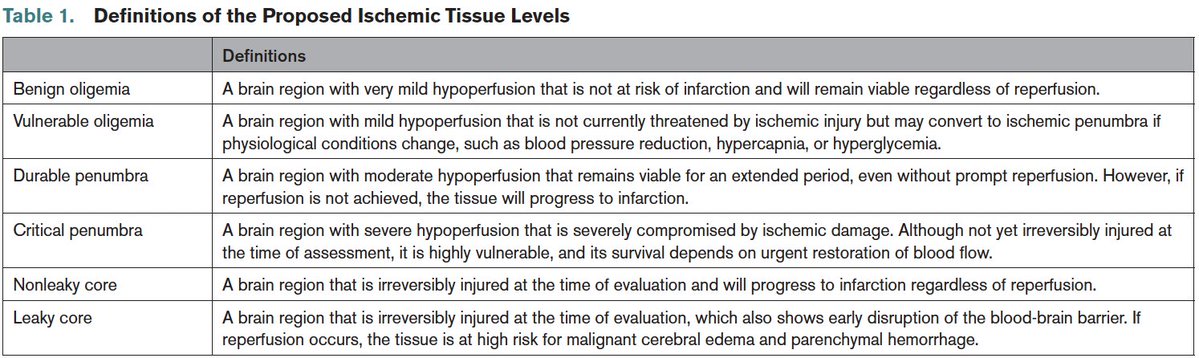
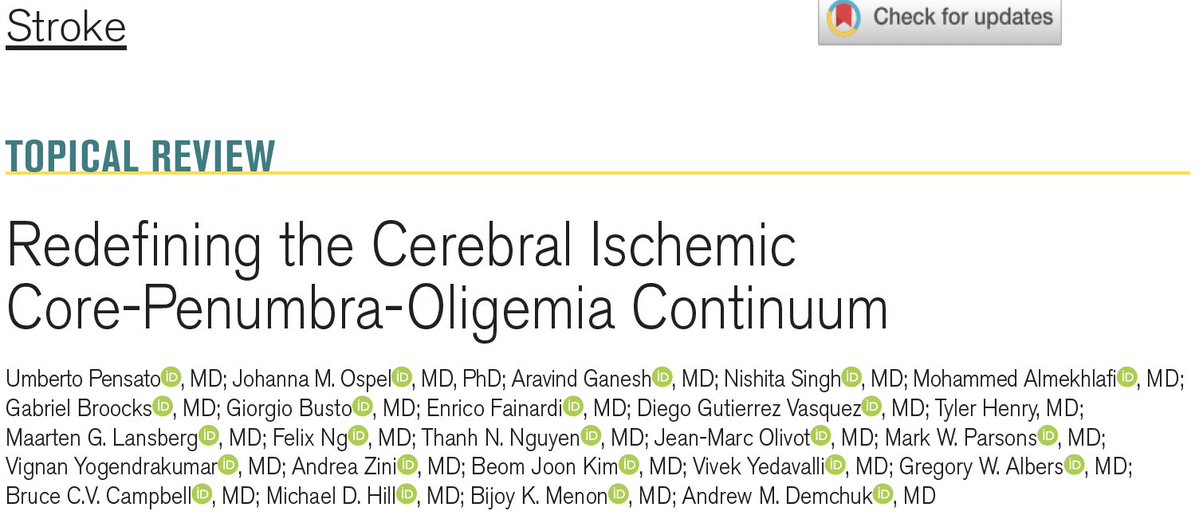
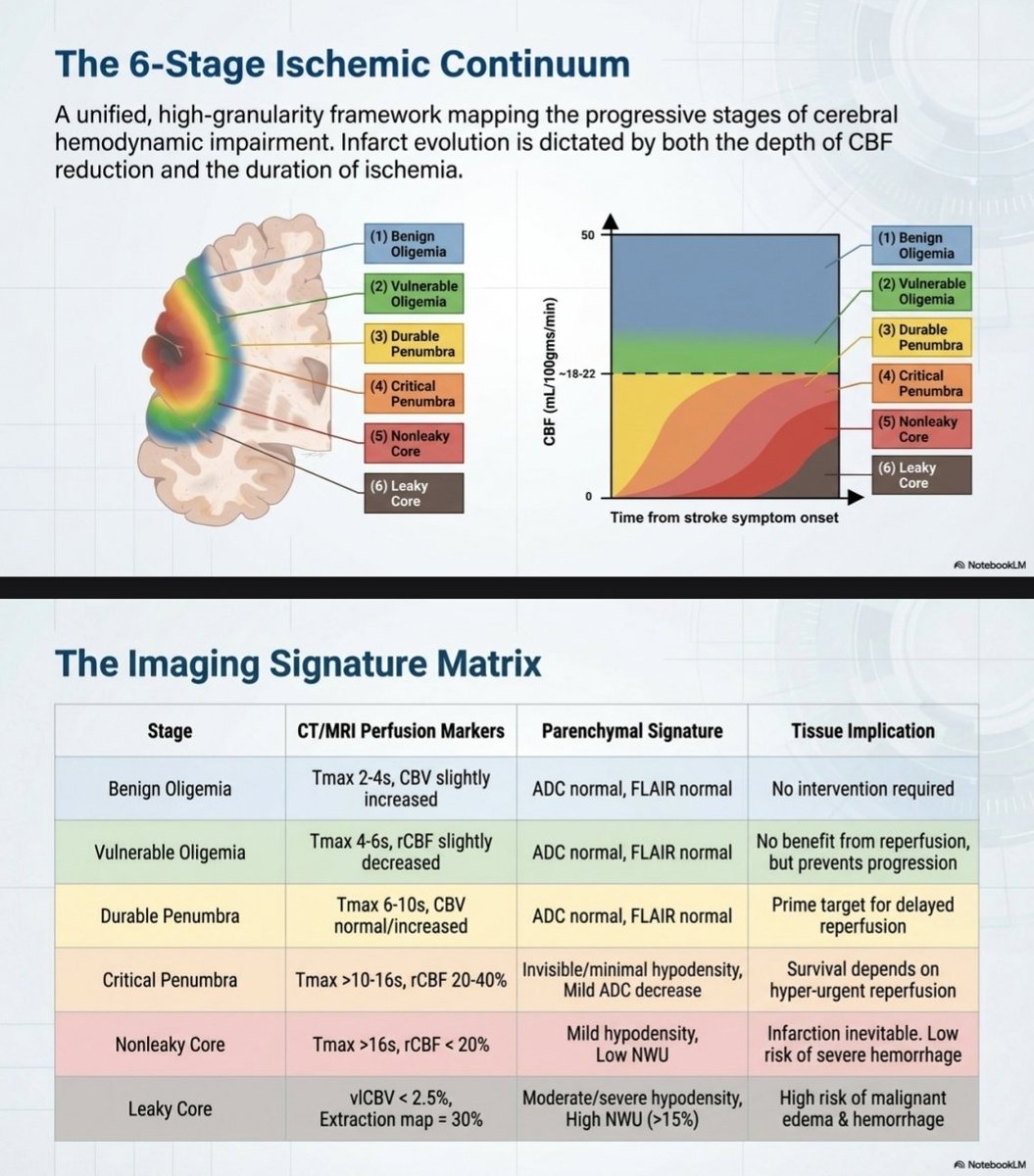
6/6 🚀 Future stroke care will rely on "personalized thresholds" rather than just lesion volume. By mapping these 6 levels, we can better target new neuroprotective therapies and refine who benefits most from late-window thrombectomy. #MedTwitter#NeuroTwitter