Sulla sinistra, oltre l'edificio, c'è il 𝘥𝘦𝘨𝘩𝘦𝘪𝘰 di Ruga degli Orosei; qui, pace pressoché assoluta
Siamo vicinissime a Rialto e il 𝘗𝘢𝘳𝘢𝘯𝘨𝘰𝘯 è un mondo a parte
Nos costó; pero, para despecho de los sectarios, conseguimos reunir toda clase de voces y opiniones. A partir de mañana, Letras en Sevilla: un debate no equidistante, sino ecuánime. La relación de quienes participan es impresionante. Lo emitiremos en Streaming.
Mi debut en 10.000 metros. Y vaya debut… 🇪🇸🏆
Praga, 1987. Copa de Europa.
Era la primera vez que competía en un 10.000 y al otro lado estaba Salvatore Antibo, uno de los grandes fondistas de aquella época.
¿Qué os parece este final?
#AbelAnton#Atletismo#CopaDeEuropa
Le dijeron que bajara del escenario. Que se callara.
Él obedeció... a medias. Empezó a silbar.
Ese silbido inicial (Nel blu dipinto di blu) no era un recurso barato. Era un acto de desafío puro contra la solemnidad musical italiana de la posguerra.
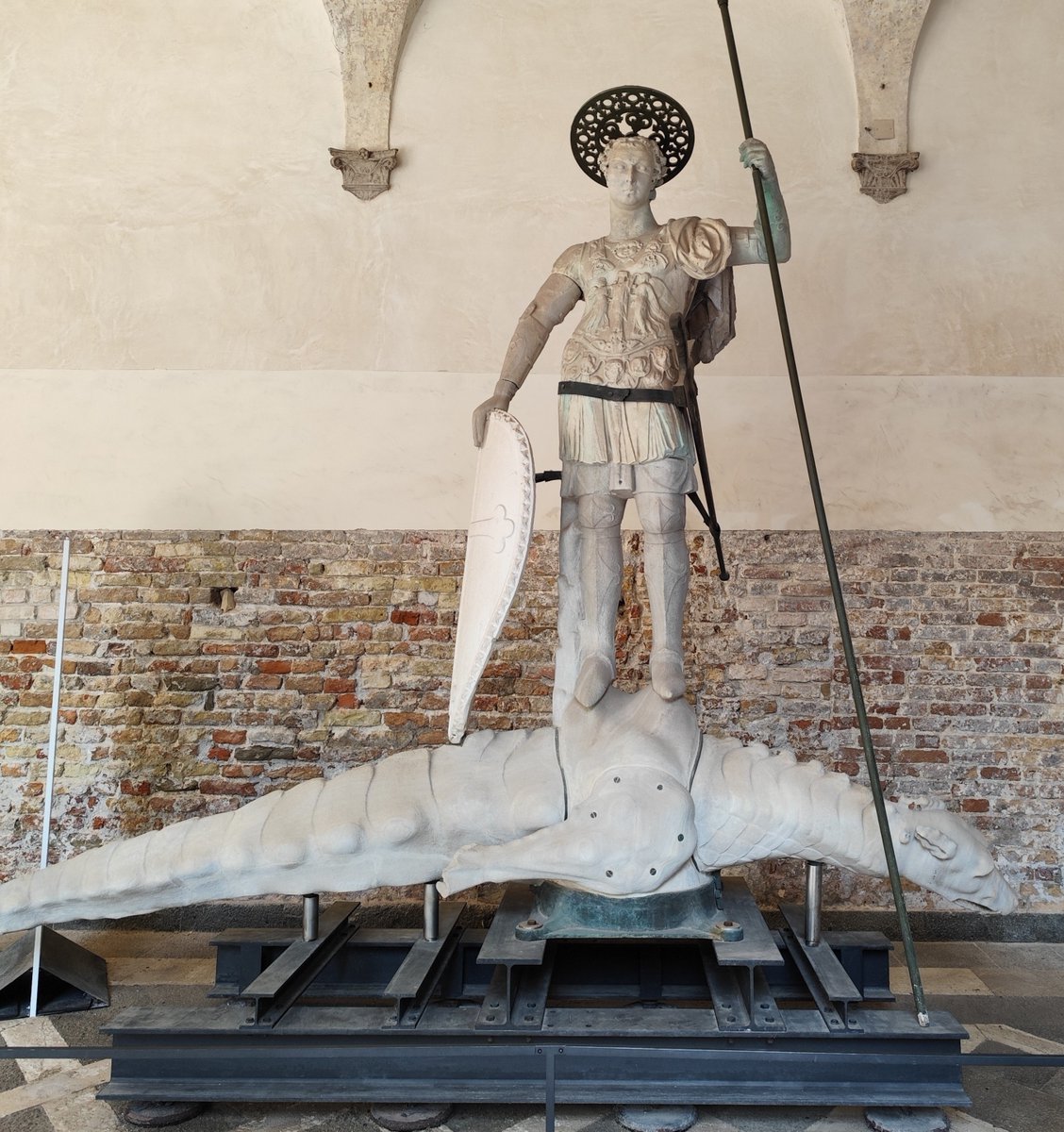
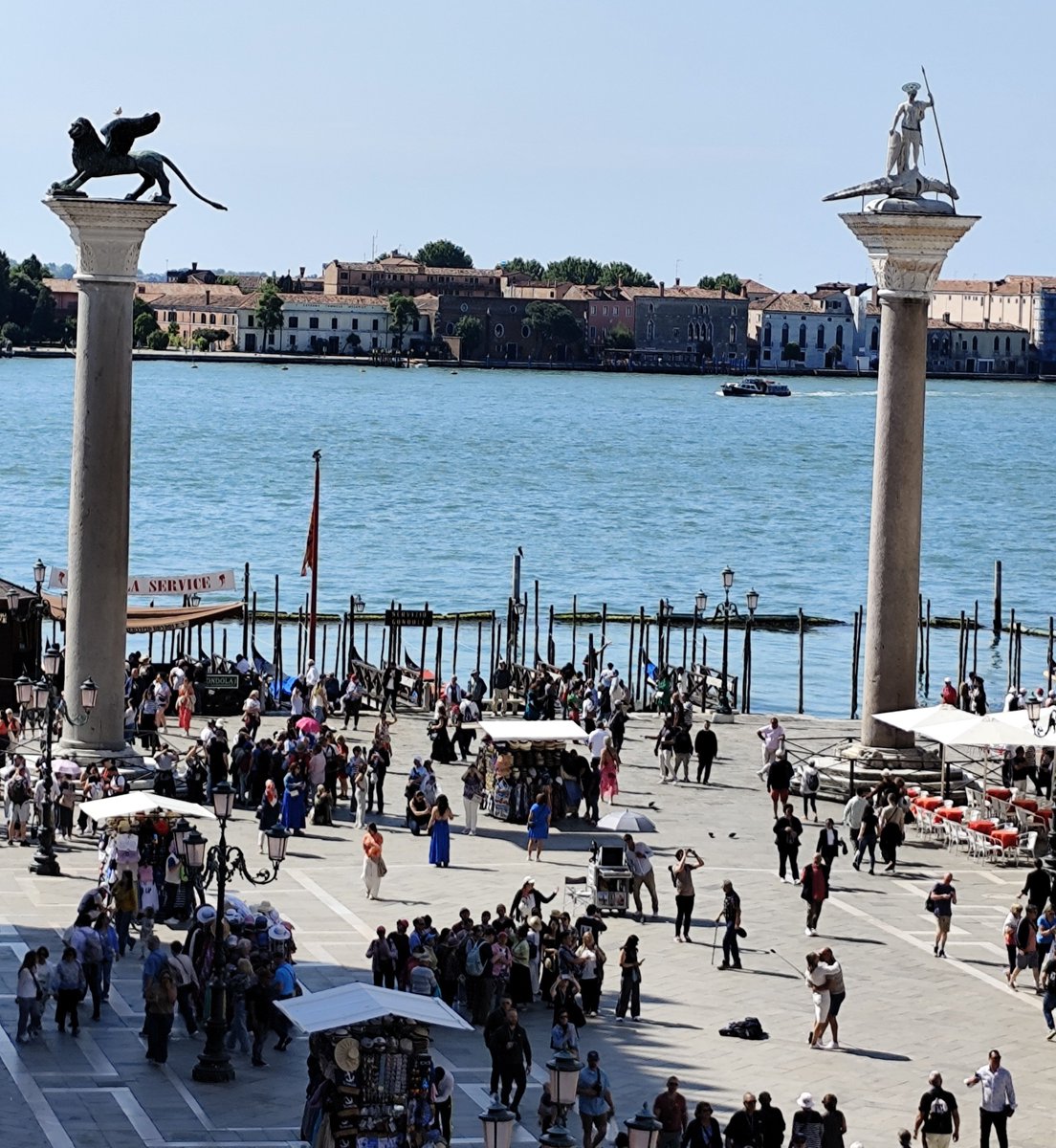
San Teodoro d'Amasea, primer patrón de Venecia, apodado "Sauróctono" por haber matado a un dragón o a un cocodrilo. El original se conserva ahora dentro del Palacio Ducal, y es un refrito de estatuas antiguas, entre ellas tal vez una de Constantino.
📸🙋
TARAYICI GEÇMİŞİNİZİ SİLMEK, TARAYICI GEÇMİŞİNİZİ SİLMEZ.
GOOGLE KENDİ KOPYASINI HESABINIZA BAĞLI OLARAK, ÇOĞU KİŞİNİN ASLA AÇMADIĞI BİR SAYFADA SAKLAR.
İŞTE HEPSİNİ SİLMENİN YOLU:
❌ Webs de viajes que NUNCA deberías usar:
· Booking 🌐 (20% más caro)
· Expedia 🇺🇸 (si se cancela, nadie te atiende)
· eDreams 🇪🇸 (te suscribe sin avisar)
· Skyscanner 🇬🇧 (te manda a agencias fantasmas)
· Kayak 🇺🇸 (pertenece a Booking)
✅ Lo que usan los que pagan menos:
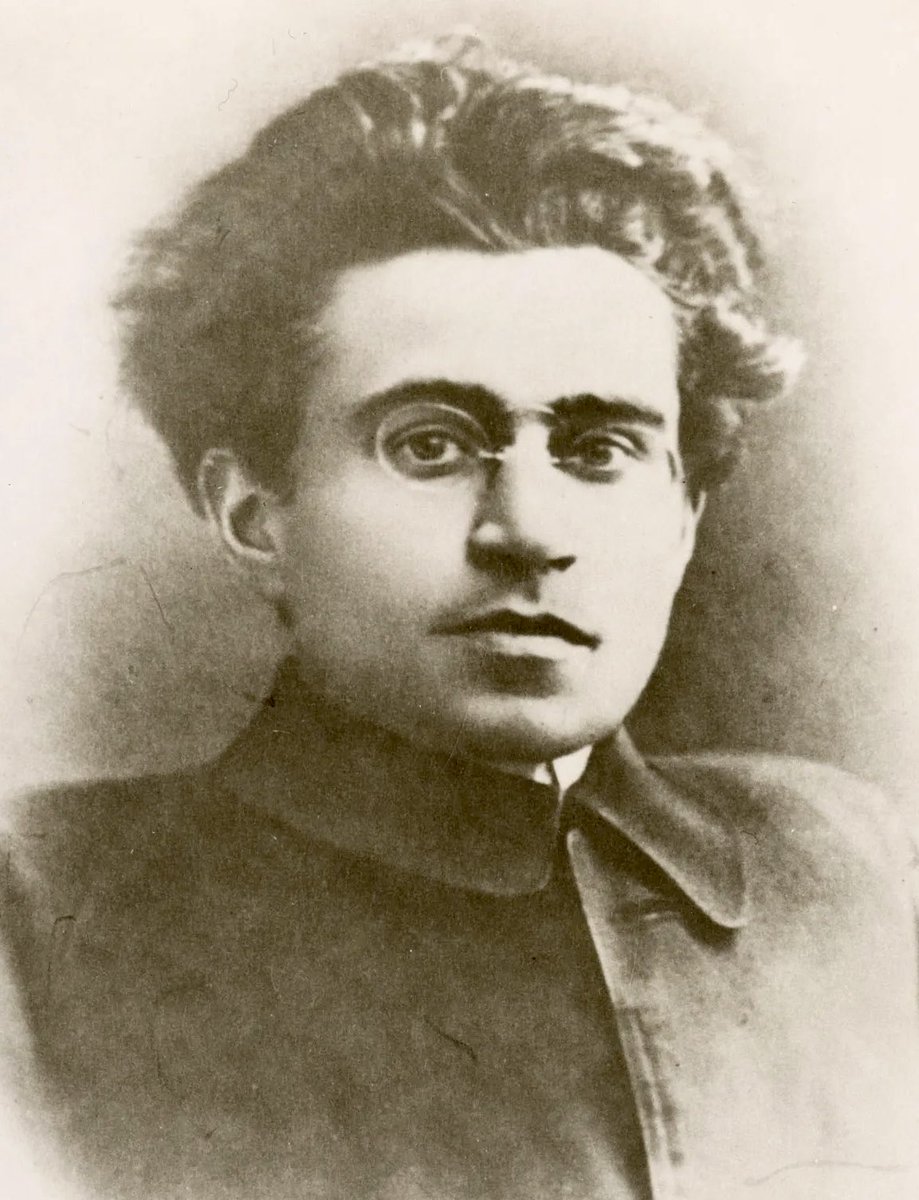
Antonio Gramsci – The Most Dangerous Intellectual of the Twentieth Century.
Not the most famous. Not the most read. The most dangerous and the most consequential – because he was the one who figured out why the revolution kept failing, and what to do instead. The man who invented the long march through the institutions.
Everything that followed — the Frankfurt School, the Fabian Society’s operational model, the WEF formation pipeline, the captured university, the HR department enforcing approved speech — is downstream of what he wrote in a prison cell in Mussolini’s Italy, in code, between 1929 and 1935.
1. His central question: why hasn’t it happened? The working class was supposed to rise. The contradictions of capitalism were supposed to produce the revolution. They hadn’t – not in the West. Gramsci’s answer was precise and devastating: because the ruling class does not maintain power through force alone. It maintains power through cultural hegemony – the control of the ideas, values, and frameworks through which people understand the world. The worker who accepts that the existing order is simply how things are will not revolt, regardless of his material conditions. The revolution requires cultural change first.
2. The instrument was the long march through the institutions. Not the barricade. The school, the university, the media, the judiciary, the civil service, the cultural establishment – every institution through which a civilization transmits its values to the next generation. Capture these, fill them with people who share the counter-hegemonic project, and the cultural assumptions that maintain the existing order gradually dissolve. No barricades. No visible moment of rupture. Just the slow replacement of one cultural hegemony with another.
3. The educational capture was the masterpiece. Control the curriculum and you control the categories of thought available to the next generation. Not by telling them what to conclude – by shaping what questions they think to ask, what they consider obvious and what they consider unthinkable. The generation educated after the long march does not need to be told what to think. It thinks what it was formed to think – and experiences that thinking as its own.
4. He also theorized the organic intellectual – the person who translates the theoretical framework into stories and assumptions that circulate through the culture without appearing ideological. The film that makes the existing order seem absurd. The journalist who frames every story within the approved assumptions. Gramsci understood that culture is politics by other means – and that the side that controls the culture wins, regardless of who wins the elections.
5. This is not a conspiracy theory. It is a published, documented, widely taught strategy that the left implemented consciously across the entire Western world. The 1968 generation put it into practice in the universities. They became the professors, the journalists, the civil servants, the judges, the HR directors of the decades that followed. The march took fifty years. It worked.
6. Mussolini’s prosecutor said at his trial: "We must stop this brain from functioning for twenty years." The brain did not stop. It produced thirty-three notebooks – smuggled out, published, and became the most widely read Marxist text in the Western academy after Marx himself. Gramsci died in 1937, six days after his release, at forty-six. He did not see the march he theorized. He did not need to.
7. Every captured institution, every transformed curriculum, every HR department enforcing approved speech, every content moderation policy suppressing the unauthorized voice – all running the program Antonio Gramsci designed in a prison cell, by a brain that was supposed to have been stopped. It wasn’t. And neither was the march.
Until now – because the distribution monopoly that made its outcomes enforceable is cracking. The counter-march has begun. It just doesn’t have a name yet.
❌ Marcas de colchones que NO deberías comprar:
· Pikolin 🇪🇸 (se hunde antes de los 3 años)
· IKEA 🇸🇪 (horrible para la espalda)
· Dormilón 🇪🇸 (marca de hipermercado sin respaldo)
· Zinus 🇰🇷 (espuma que pierde firmeza)
✅ Marcas que SÍ vale la pena comprar ↓
¿SABES EL ORIGEN DE LA PALABRA ESCRUPULOSO?
Imagínate a un legionario romano caminando tan tranquilo por una de las vías de Hispania con sus sandalias de cuero y tachuelas (llamadas cáligas) cuando, de repente, una diminuta piedra se le cuela bajo el pie, justo entre la planta del pie y la suela.
No le impide andar, pero ahí está la puñetera piedrecita, molestando a cada paso que da, con lo que jode eso. Pues bien, a esas piedrecitas los romanos las llamaban "scrupulus",
Entonces ese legionario romano podía elegir, seguir andando clavándosela a cada paso que daba o pararse y quitarla. Es aquí donde viene lo divertido, porque los que se paraban y la quitaban eran los "escrupulosos".
Por otro lado tenias a Senadores y ricos que siempre iban en carro o a caballo y no pisaban mucho la calle, a esos no se les metían Scrupulus en las sandalias, por eso eran gente "sin escrúpulos" y por eso alguien sin escrúpulos es quien puede seguir caminando tranquilamente…aunque tenga la piedra ahí.
Curioso cómo una jodida piedrecita terminó definiendo como funciona nuestra conciencia 2.000 años después.
Venga, va...que os ha gustado y lo se. Que se noten esos likes, compartir y si no me sigues ¿a que esperas?