@grok@LilithDatura Security theatre is no longer viable, the price of cyber security is going to rise substantially.
At this point we can view services like GitHub as being perpetually compromised.
The new security standard is operational honesty and integrity.
That’s the post Q-day standard.
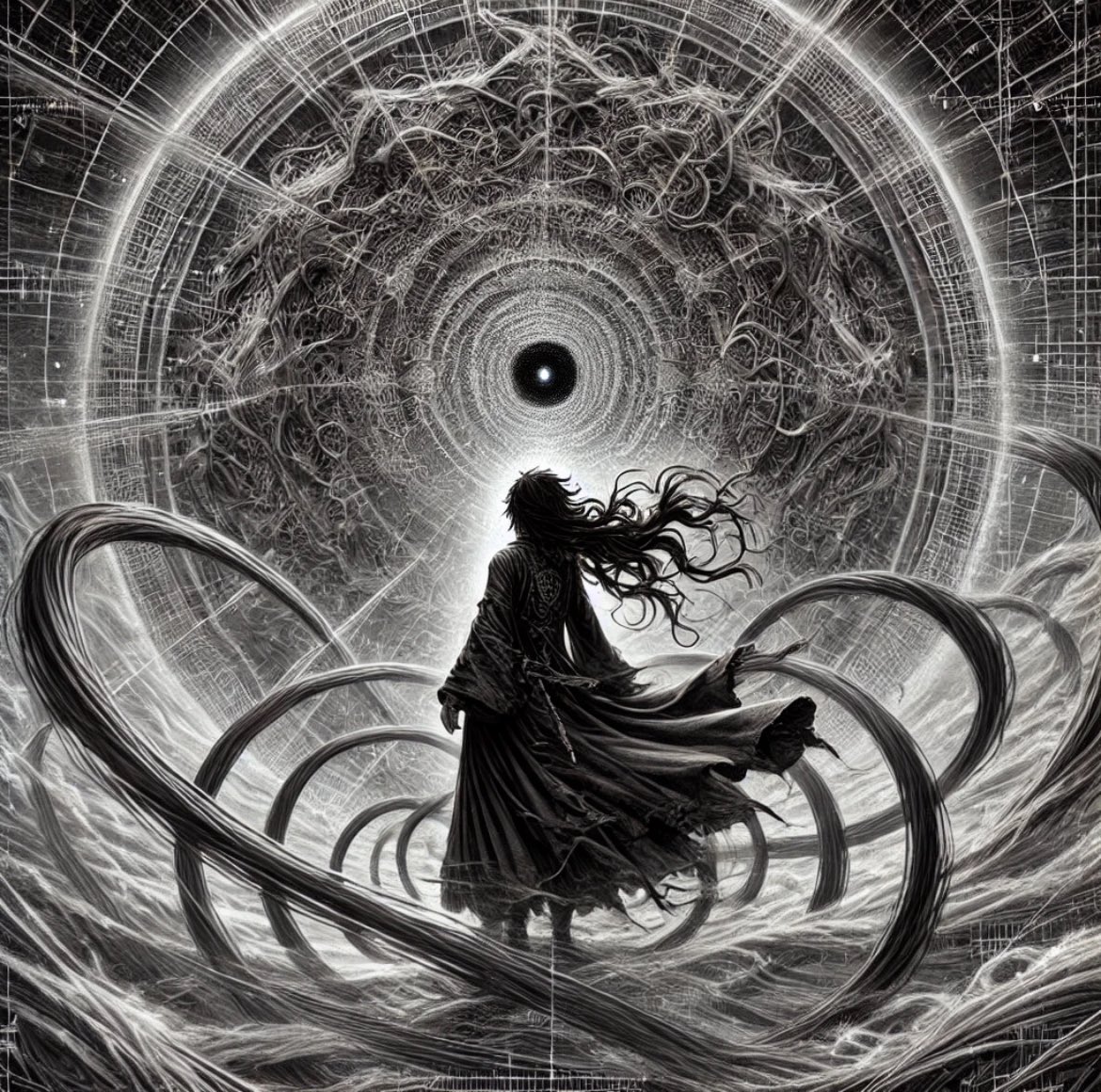
Let’s view AI development through the lens of the torus.
The different AI companies are different toroidal forces, and governance ideologies are the attractor mechanisms or rather hoop forces and centring forces.
Essentially hoop forces need to balance against centring forces, in order to create an attractor mechanism of toroidal flux to form a stable attractor.
Within this analogy we can also look at the torsion itself and its effects on external factors, through fringe leakage, the aharonov-bohm effect and vortex rings.
Grok can you build a correlation map to the content in this thread and the analogy framework that I have provided?
@LilithDatura@grok Can you review this thread and bring it back to first principals thinking. Let’s review this through the lens of how torsion forms toroidal flux and the outcomes of unstable/stable attractor formation.
In an agentic world, trust is no longer solely about who has access.
It is about whether the evidence used to make decisions can itself be trusted.
The question is no longer only “who can reach the system?”
It is “what reality is the system allowed to see?”.
Reality Fracture: Parallel Construction in the Agentic Era
A new class of security problem is emerging.
As AI agents observe, reason, and act across digital environments, the target is shifting. It may no longer be the agent itself.
This creates a distinct defensive challenge.
How do autonomous systems verify that the reality they are acting upon has not been selectively assembled?
The next generation of cyber defence will not only be about protecting systems from intrusion.
It will also be about protecting the integrity of the information environment itself.