Former Video & Web guy (ThisHereVancouver), Current Econ & Data guy advocating for better social infrastructure (CoFounder @VisThinkCo), Future Coureur des bois
New pinned tweet to link to some projects all together
Currently:
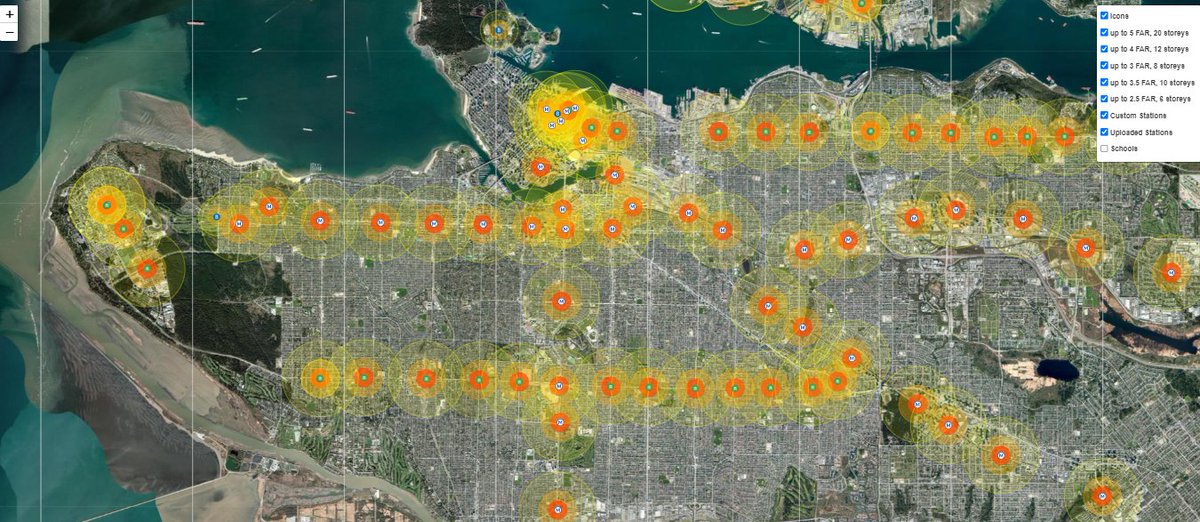
-🗺️Interactive Map for BC's New Transit Oriented Upzonings
-🧮2021 Census Resources for the 🇨🇦New Federal Ridings
-More Soon + Alt Links in this thread
https://t.co/SzugJFhuyO
Maduro, bad.
Living next to a superpower that thinks it can just decide to do whatever it wants to other countries, bad.
Canadian policy should focus more on the second bad, and less on explaining, "we've thought the first bad was bad since 2018"
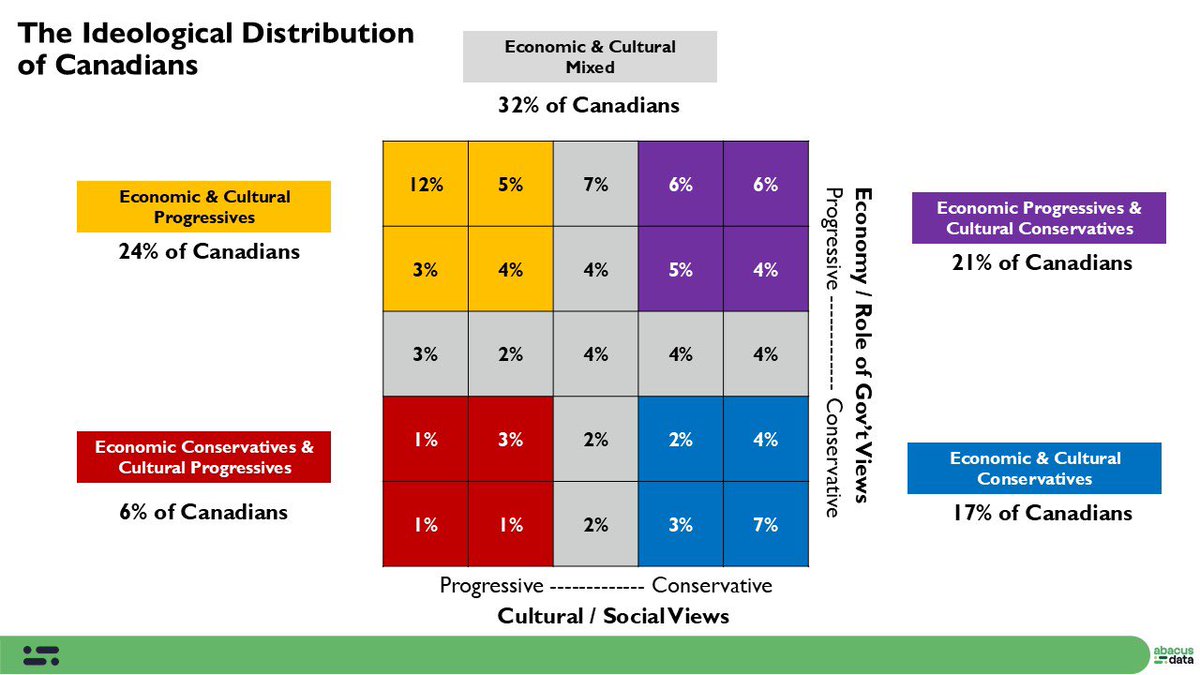
Finally, the smallest segment, about 6%, blends economic conservatism with cultural progressivism – the fiscally conservative and socially progressive Canadians. Picture a younger professional who went to university, perhaps majored in business, and now works in the tech sector in Calgary or Waterloo.
They are also the people likely running the country, newsrooms, corporations, and public sector organizations. They are the elite that many are currently running against. They’re making a decent living and don’t want heavy government intervention that might limit innovation, raise taxes, or stifle entrepreneurial spirit.
They believe people should keep more of their earnings and that market solutions are often best. Yet they also hold firmly progressive cultural views. They have friends from all backgrounds, support reproductive rights, embrace diversity in their workplace, and have no problem with Canada welcoming more immigrants. They’re sceptical of big government but comfortable with a fluid, diverse society.
@lymanstoneky This would be very helpful for "it's the fault of NATO aggression" tweet/tiktok propaganda targeted at lowering domestic support for funding/supporting Ukraine
We actually have historical precedent for this.
When guilds collapsed, so did apprenticeships. Young craftsmen defected to factories, and societies lost the slow, embodied skill transmission that produced things like the stonework of Notre Dame. Productivity rose—but craftsmanship thinned.
When big-box retailers displaced local hardware stores, we didn’t just lose small businesses. We lost succession. The “heir apparent” who learned inventory, customers, and judgment over decades was replaced by a store manager trained to follow a system.
AI is doing something structurally similar.
As noted, entry-level QA, junior analyst roles, and “grunt work” weren’t inefficiencies — they were discovery mechanisms. They let firms observe curiosity, resilience, judgment, and learning velocity under real conditions. Automating them removes the lowest rung of the ladder, not just the cost center.
The danger isn’t that AI replaces junior work.
It’s that we eliminate the environments where raw talent proves itself.
If we don’t deliberately rebuild new apprenticeship structures (rotations, shadow systems, paid learning tracks, scoped responsibility sandboxes) we’ll get short-term efficiency and long-term talent collapse.
History suggests the market won’t fix this automatically.
When the on-ramp disappears, so does the next generation of masters.
The real question isn’t “how do people get in?”
It’s whether employers are willing to re-create intentional paths for becoming excellent, rather than assuming excellence simply arrives fully formed.
H/t @INArteCarloDoss
@rightish19@LinkofSunshine I think good test development means having questions at gradated levels of difficulty. You can be much more confident that your test is working if the takers who score 40% correct mostly get the 0th-40th percentile difficulty questions, vs if all are equally difficult
I think every premier should actually require higher density zoning laws to be implemented at the municipal level
And then tell every mayor and city councillor who disagrees to pound sand
@Cazzy Like obviously for two routes with the same number of people wanting to fly, the longer route will cost more. But per KM?? Surely it should be lower if the average flight is longer, because the fixed costs are the same, but they're split between more KM's
Then council can weigh the obligations of their conscience vs representing the average citizen (as simulated by the representative sample with assenting and dissenting ratios), and make the final vote.
Once again calling for sortition/juries/citizen assemblies to be used more often.
You can still have the lobbyists and activists attend public consultations to make their case, but let an actually representative sample of the public state to council what they think of all that.
Remember, if you collect your public input at physical meetings during the day, you will hear from retired people and people who are being paid by others to be there. Is that really a good sample of the public?
@kpthinks95 But there won't be such a significant discernment from the average consumer where AI supply won't be able to drive down the price of mainstream subscriptions and tickets
@kpthinks95 media, will have to find community connection and support just as it does today to make it. And through routes like patreon, crowdfunding, film festivals, etc they'll still get funding.
Kind of hoping the CoV and Whitecaps negotiation memorandum is just a way to hardball PavCo into a more reasonable deal with their most important tenant.
BC Place is beautiful, nice to be in, nice to be *around* for other amenities on game nights, easy to access by transit --