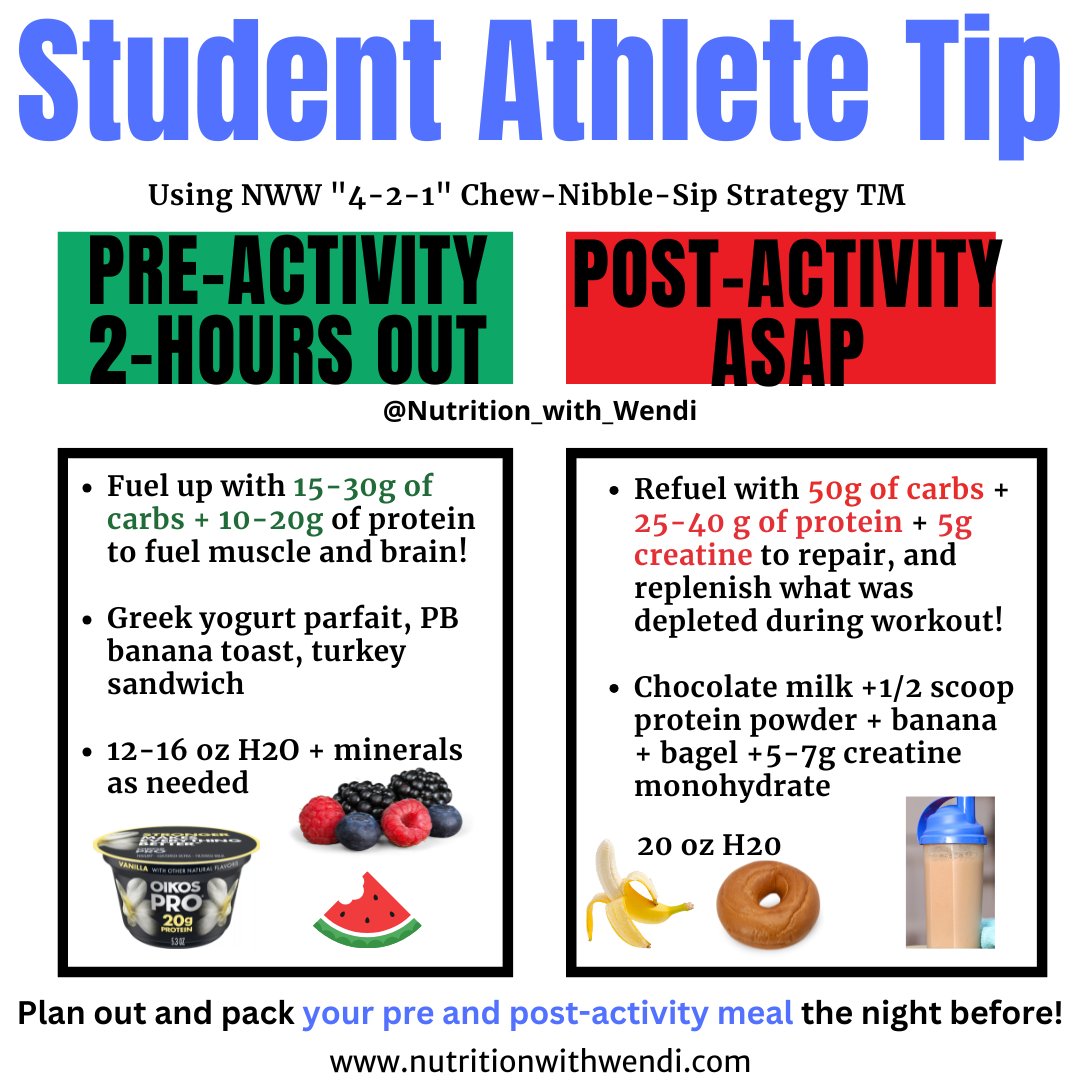
🚨 Most student-athletes are making the same fueling mistakes every day...
❌ Skipping breakfast
❌ Grabbing an energy drink instead of real fuel
❌ Going hours without eating after practice
❌ Missing the critical recovery window after workouts
The result?
👉 Low energy during training
👉 Poor focus in the classroom
👉 Slower recovery
👉 Increased injury risk
👉 Missed opportunities to build strength, speed, and performance
What you eat BEFORE and AFTER a workout directly impacts your muscles, brain, recovery, and long-term athletic development.
🏃♀️ Pre-workout nutrition helps provide the energy needed to train hard, stay focused, and perform at your best.
💪 Post-workout nutrition helps replenish glycogen, repair muscle tissue, reduce soreness, and prepare your body for the next practice or competition. The good news? Small fueling changes can make a BIG difference.
https://t.co/Yj9IxOhDu5
⚠️What you eat & drink in the days before your game/event is MORE important than the day of.
🗣There are no “magic meals” that will instantly⬆️performance before game time.
❌Nutrient & energy deficiencies coupled with dehydration that impair performance don’t happen overnight.
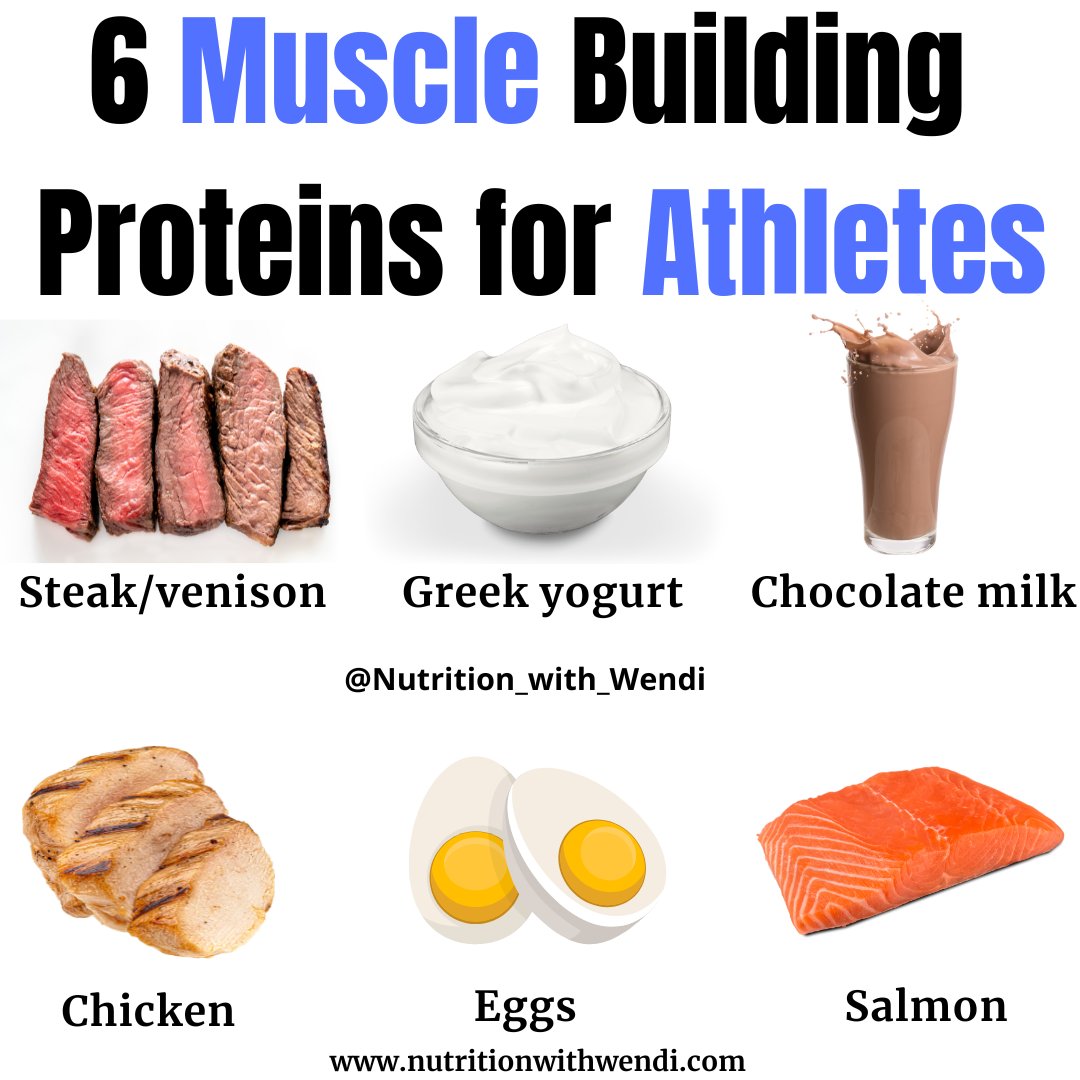
𝐇𝐞𝐲 𝐚𝐭𝐡𝐥𝐞𝐭𝐞𝐬, if you want to 𝐛𝐮𝐢𝐥𝐝, 𝐫𝐞𝐩𝐚𝐢𝐫, 𝐚𝐧𝐝 𝐦𝐚𝐢𝐧𝐭𝐚𝐢𝐧 𝐦𝐮𝐬𝐜𝐥𝐞 𝐦𝐚𝐬𝐬 you're going to need to consume enough 𝐡𝐢𝐠𝐡-𝐪𝐮𝐚𝐥𝐢𝐭𝐲 𝐩𝐫𝐨𝐭𝐞𝐢𝐧 𝐝𝐚𝐢𝐥𝐲!
6 protein recommendations for student-athletes and active adults who want to build muscle!
💪Eggs at breakfast
💪Chicken at lunch
💪Venison as a snack
💪Greek yogurt 1-2 hours before workouts followed by chocolate milk post-training within 30-min
💪Salmon or steak at dinner
The stimulating reps model states that only those muscular contractions that have [1] a high level of motor unit recruitment and [2] a high level of mechanical tension will produce hypertrophy.
A 2023 study sheds light on the impact of running on knee health.
📊 The study, involving 7,194 runners and 6,947 non-runners, has revealed intriguing findings on knee osteoarthritis development.
🔴 Runners:
Average age: 56 years, Follow-up: 56 months
🆚
🔵 Non-Runners:
Average age: 62 years, Follow-up: 100 months
📈 Results:
A. Non-runners experienced more knee pain compared to runners.
B. Despite one study indicating a higher prevalence of osteophytes in runners, overall, no significant difference was found in knee osteoarthritis or cartilage thickness on MRI.
C. The progression to knee replacement due to osteoarthritis was lower in runners (2.6%) compared to non-runners (4.6%).
🏁 Conclusion:
Running does not worsen knee osteoarthritis signs in the short term and might even act as a protective factor against knee pain.
Let's keep moving for our joint health! 🦵🏃♀️
📚 Reference: Dhillon et al. Orth J Sport Med 2023
The rate of repeat ACL injury within 24 months postoperatively was significantly higher in patients with ACL-RSI scores > 65 (17.6% vs. 3.4%). See the important relationship between psychological readiness and second #ACL injury: https://t.co/AERw6vor5p
#OpenAccess
Athletics trainers and physicians had a 92% rate of agreement involving injury assessments/diagnoses, according to a 2016 study from Orthopedics #NATM2024@elikassab
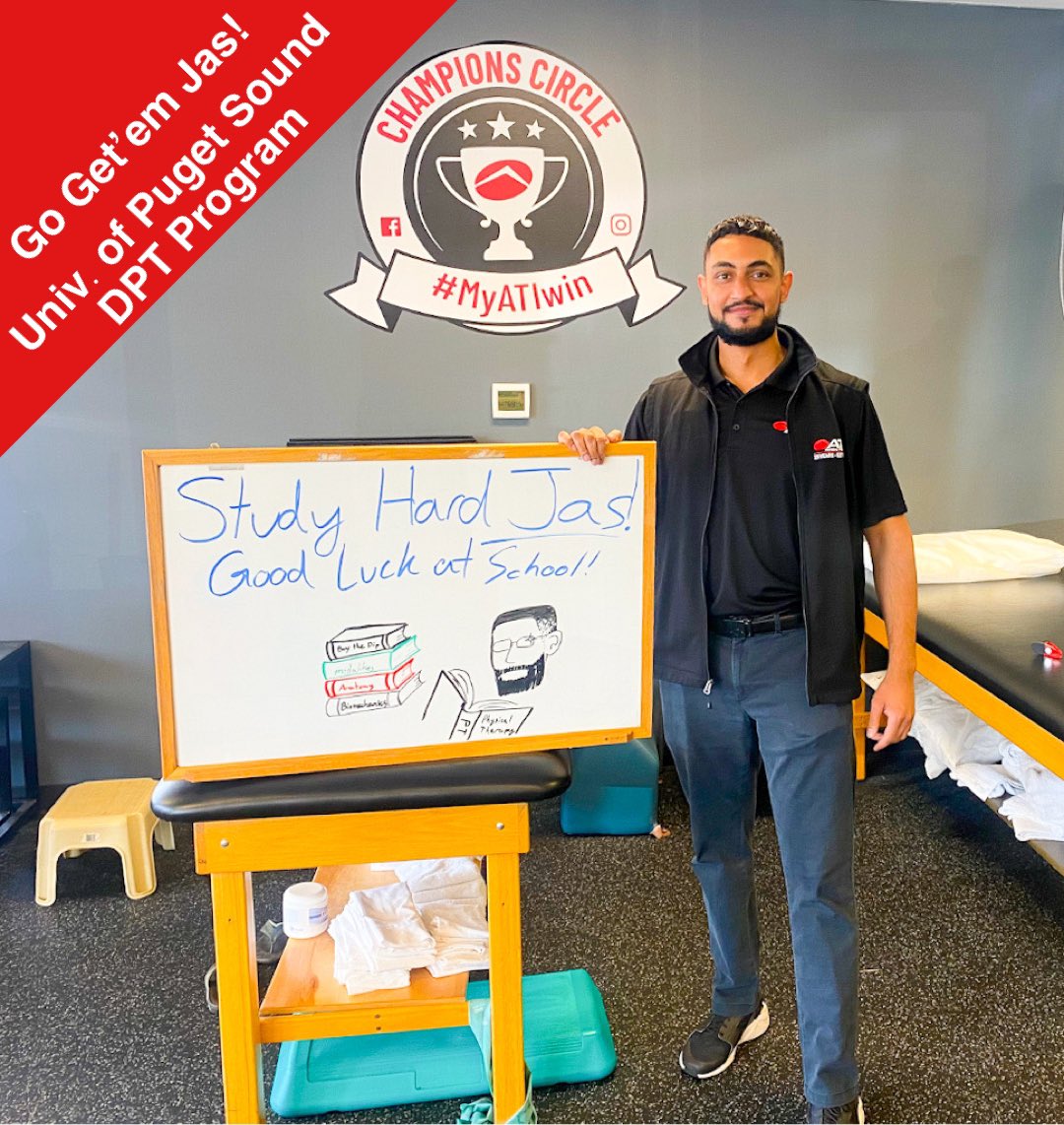
Today we say goodbye and good luck to one of our favorite OSS team members. Jas is off to earn his doctorate in physical therapy at the University of Puget Sound. Thank you for all of your great work and we look forward to you becoming the best physical therapist you can be!
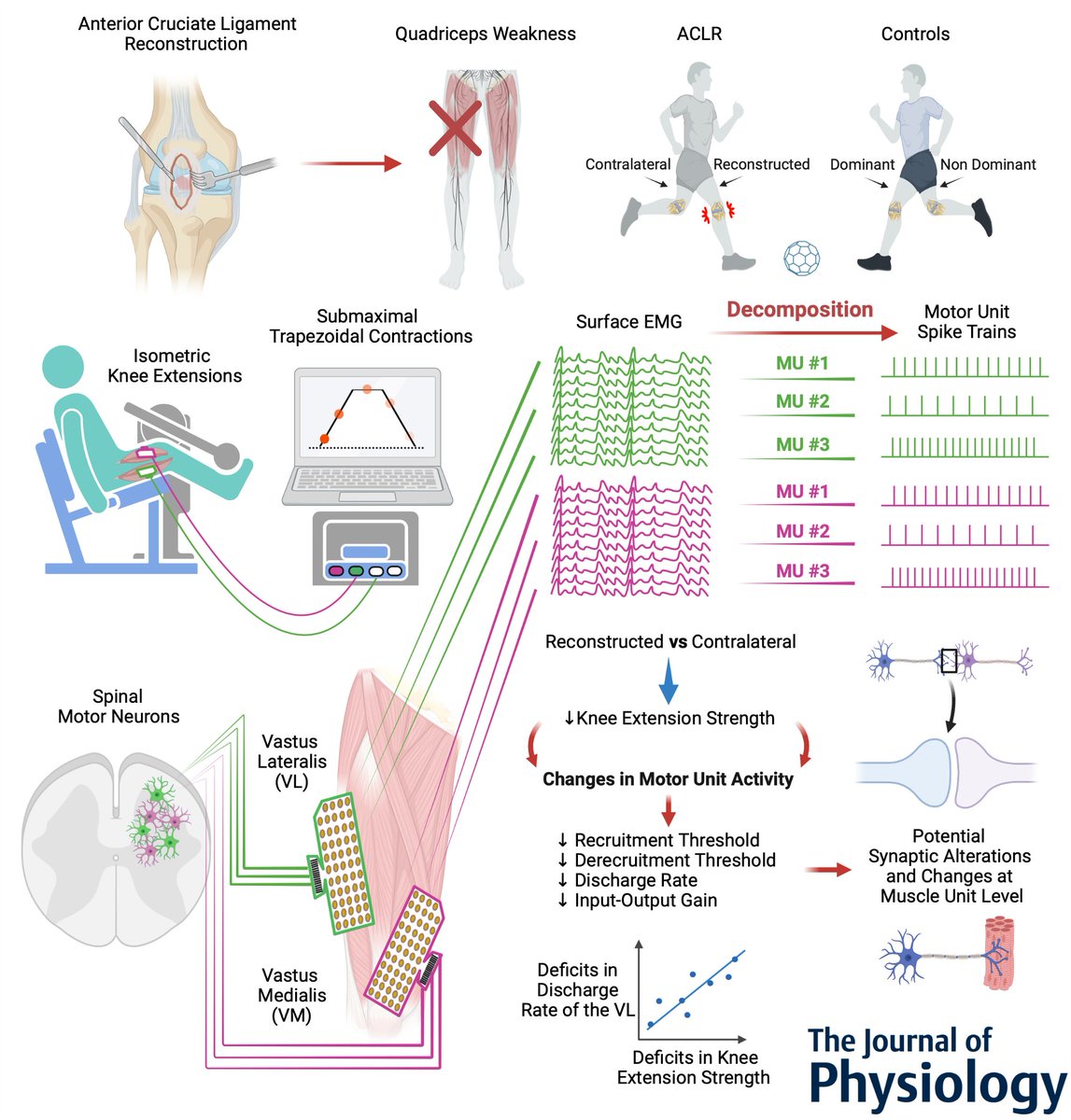
🔥HOT OFF THE PRESS🔥 Just accepted in @JPhysiol
Deficit in knee extension strength following anterior cruciate ligament reconstruction is explained by a reduced neural drive to the vasti muscles. Congratulations to first author @snuccio87 for this outstanding work. 👏









![SandCResearch's tweet photo. The stimulating reps model states that only those muscular contractions that have [1] a high level of motor unit recruitment and [2] a high level of mechanical tension will produce hypertrophy. https://t.co/lXh3q0WZDJ](https://pbs.twimg.com/media/GPyJ4_XWwAA4k98.jpg)