👩🔬 This International Day of Women and Girls in Science, we’re celebrating our inspirational female scientists! 🎉
Hear about how they’re leading the way in the fields of animal and plant health in our latest blog: 👇
https://t.co/9UOzv2vCSk
#WomenInScience#APHAscience#STEM
Happy to be sharing our paper on the importance of sample storage methods for accurate 🩸 parasite detection! TLDR: it matters!
@WileyEcolEvol
https://t.co/7OohW51IxK
Something we should consider more when samples come from different sources or if planning long-term projects 🧐
🚨 New paper out
The highest risk period for HPAI incursion into Australia is when the migratory birds arrive in the spring. Here @MarsKlaassen and I report the results of our surveillance of migratory birds from Sept-Dec 2022. No HPAI detected.
👉https://t.co/0hlcN6N5l1
@JacanaJones Assuming you mean relative to size, when I was working on Galapagos ground finches I found they had much greater variation in wing or tarsus than the Paridae I was studying - perhaps related to adpating to a less defined niche?
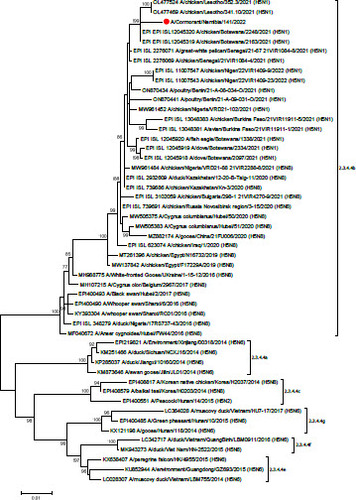
In January 2022, more than 6500 Cape cormorants died due to HPAI on Bird Island, Walvis Bay. Phylogenetics indicate clade 2.3.4.4b, and highly similar to H5N1 in chickens in Lesotho in May 2021 and poultry and wild birds in Botswana in June 2021
👉 https://t.co/N5zW6Wj9VM
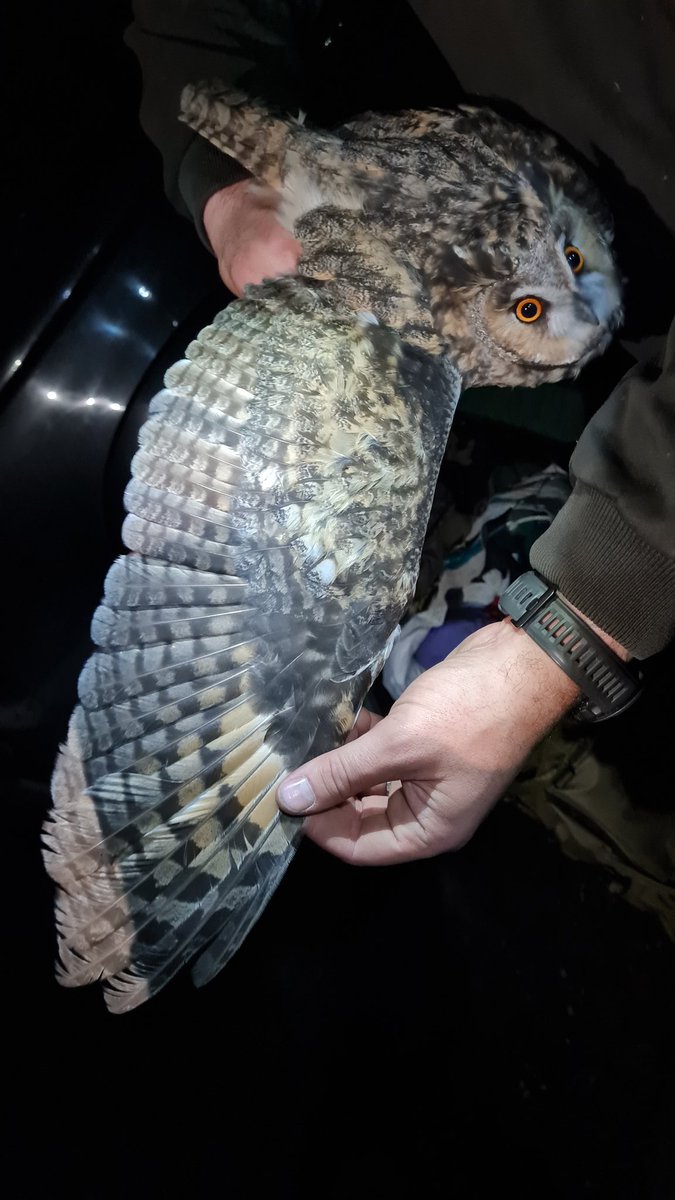
Incredible to see this stunning long-eared owl up close and to learn how they can be aged under UV light - pigments in newer feathers flourencing pink!
@BoyWonderBirder@spurnbirdobs@TimsBirding@_BTO Only just introduced to the idea myself! From what I saw it made distinguishing between feather age more obvious, so did seem pretty solid. Seems to have been primarily looked at in owls and is caused by porphyrin pigments.
.@ElliePursey #Edar6:
Meta-analysis of available E. coli genomes using a mash-approach reveals host and geographical patterns. —> eg wild birds might be underestimated sentinels of highly resistant bacteria
read more:
https://t.co/4YSFKDResE
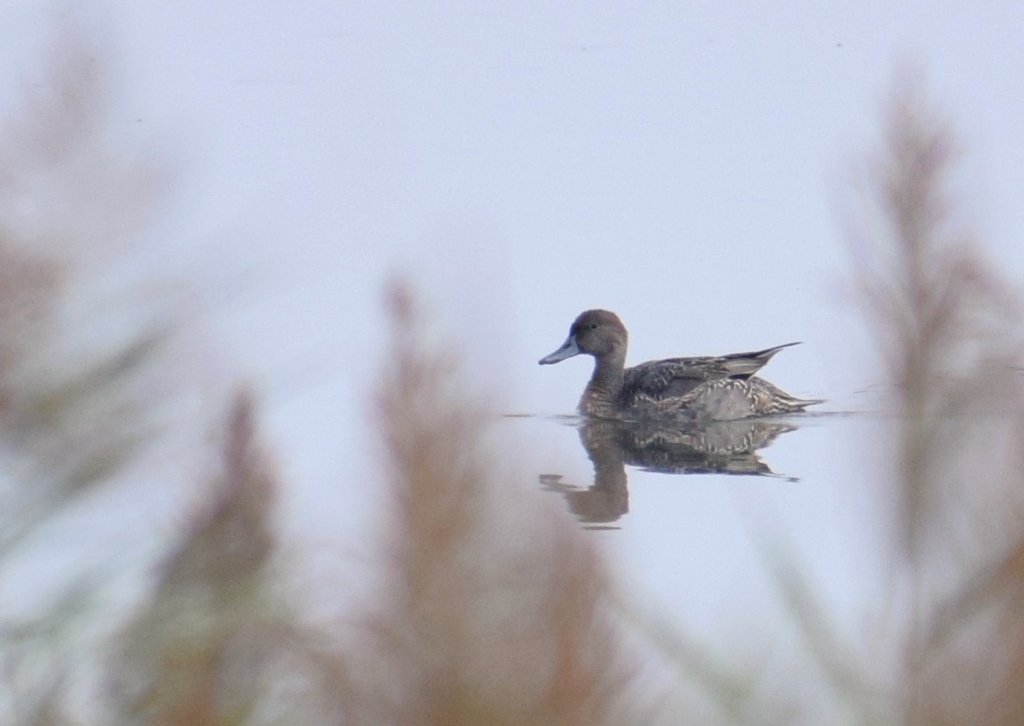
A warm, still morning at Portbury Wharf with buckets of blackcap and chiff moving through. Willow warbler, pintail on the North Pool, five snipe, and plenty of mipits over.
There’s an explosion of interest about #sewage in our rivers and seas, and concerns about what this means for people swimming in our rivers and seas. We’ve been working on this and the threat that antibiotic resistant bacteria #AMR poses to human health. A 🧵of key results:
Think it’s fair to say it’s not possible to have better views of Pine Marten! We were joined by a family of three (presumably a mother and two kits) for dinner on our decking this eve. 🔊 SOUND UP FOR MUSTELID ASMR 🔊