In short:
—KRA currently treats an eTIMS invoice raised as revenue earned and cash collected, triggering tax on issuance rather than receipt.
—This creates immediate tax liability for credit sales, delayed payments, partial settlements, and disputed invoices.
—Reconciliation between eTIMS data and actual cash inflows is currently weak, forcing businesses to prepay tax on unpaid invoices.
—The current implementation of eTIMS indicates that KRA is learning in real time while simultaneously imposing structural enforcement, resulting in a framework where core commercial realities, including credit sales, bad debts, and long settlement cycles, were not adequately incorporated, thereby shifting unintended cash flow and compliance burdens onto taxpayers.
—A phased or partial implementation during the learning period would have reduced these structural issues
Kenya’s Koko shuts down after carbon credit dispute with the government
The company sold bioethanol fuel and stoves at heavily subsidised prices made possible by revenue from carbon credit sales abroad.
This will affect thousands of Kenyans leaving on a hand-mouth basis since the price of LPG is 10x this.
Most displaced wakulima wadogo customers will likely fall back on Charcoal (higher indoor pollution, health risks), kerosene (expensive and polluting) and maybe LPG/cooking gas (safer but much higher cost).
The State Department of Environment & Climate Change @EnviClimateC_Ke needs to come out clean on why it would jeopardize jobs of 700 Kenyans yet on the other hand @NYOTA_Kenya is investing on youths to come up with their own. Are they working towards the same vision?
FROM MY DM 🛑
"Hi James, please help amplify the below while hiding my ID.
Remember the issue with KOKO network's fuel last year? It was never resolved. They have been waiting for some government's approval to sell carbon credits since last year. In exchange people in govt want a majority stake in the startup, for FREE.
This has frustrated the investors and they are now closing. As of this afternoon the staff had a meeting with the founder and other top guys and they have been sent home. Thanks."
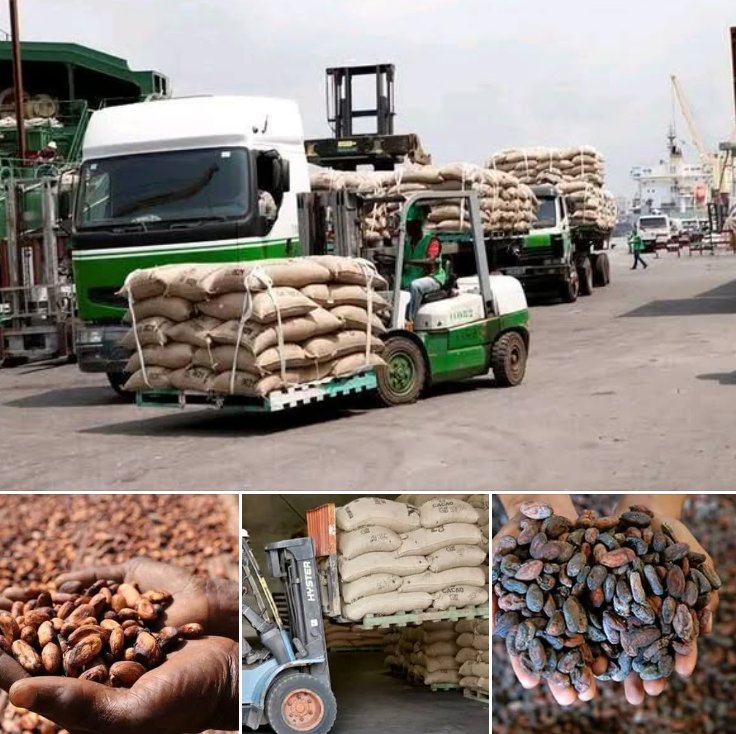
Africa Produces the Beans, Europe Makes the Money. Why?
Africa is the world’s powerhouse for coffee and cocoa yet countries that don’t grow a single bean earn more. Here’s the reality:
• Côte d’Ivoire & Ghana produce over 60% of the world’s cocoa, exporting $3.21B and $1.26B worth of raw cocoa in 2022.
• Germany produces 0% cocoa, yet it earns billions by importing raw beans, processing them, and exporting chocolate and cocoa products.
• In coffee, African nations supply a huge share of global beans but Germany exported 473,000 tonnes of coffee in 2024, earning €6 billion, all from processing and re-exporting coffee it didn’t grow.
• African farmers typically receive only ~6% of the final value of a chocolate bar. The rest is captured through roasting, grinding, packaging, branding, and marketing mostly done outside Africa.
The lesson?
Raw materials don’t build wealth: value addition does.
If Africa focuses on local processing, packaging, and branding, the continent can capture the real profits and stop exporting wealth disguised as beans.
Africa has the resources. Now it needs the factories.
I love tracking how Kenya compares with our African peers, but this one hit hard: our warring neighbour, #SouthSudan, is among the top 50 most #foodsecure countries, and we're nowhere near the list. Yet, agriculture is our primary economic activity!
https://t.co/FxHhpvFSWT
The continued user awareness seems to be bearing fruits! Hopefully Airtel will continue ensuring user data is secure!
Safaricom's Market Share Slides Below 65% as Airtel Closes the Gap https://t.co/IeV4xXVbkn via @kenyanwalstreet
I have one question this morning, or maybe two:
In countries where systems work, have you ever heard of an “empowerment programme” where Members of Parliament go around dishing out money, foodstuffs, and other goodies, all from resources that are unaccounted for? Isn’t the role of parliamentarians in such systems to represent the people, legislate, and provide oversight?
Yet, here we are. In a country where the education system is collapsing due to lack of funds for capitation, and where the health sector is on its knees, we are witnessing money being thrown around in constituencies under the guise of “empowerment.” No transparency. No accountability. No explanation of where these resources are coming from, all while the state claims it is struggling to fund essential services.
There is no form of empowerment greater than a functional education system, a responsive, accessible healthcare system and a conducive business environment. That is what the wananchi need. That is what they deserve. Not these sideshows. Not handouts that offer no structured or sustainable solutions.
Real empowerment is systemic, not seasonal. It is about institutions, not optics!
On today's copy of The Standard newspaper....Grab your copy at your nearest vendor to read these and more stories or subscribe to the e-paper at https://t.co/m1u6FMxuEb
Geography of Roads.
Today we feature the Nairobi-Nakuru highway.
The A104 highway straddles the Eastern escarpment of the Rift valley, linking the capital with Nakuru city on the valley floor.
The scenery is stunning all along the route but danger lurks too.
A thread 🧵
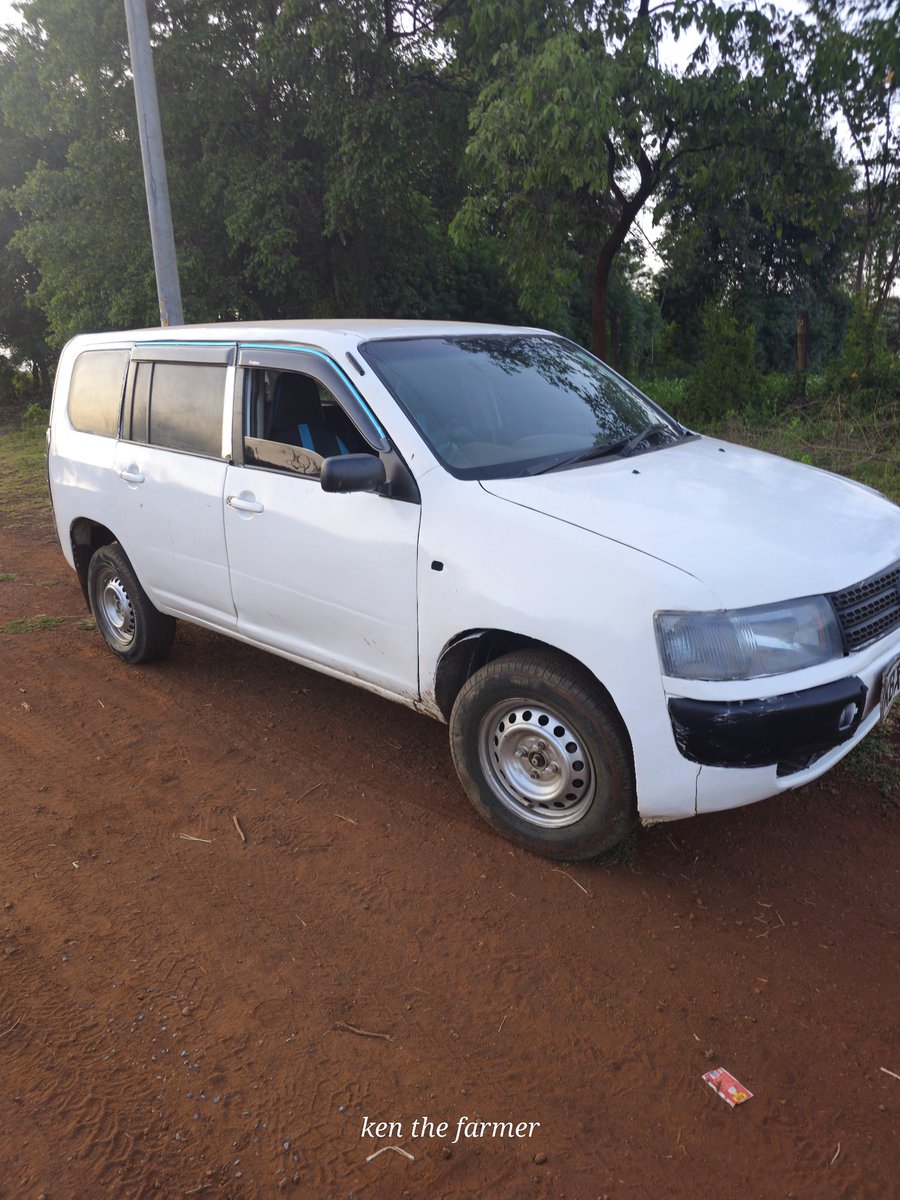
Urgent: Stolen Car Alert 🚨
My car has been stolen.
Registration: KBX 665E
Color: White
Distinct feature: The front bumper has an injury.
Please share widely and help me locate it. If spotted, kindly reach out or report to the nearest police station. +25417809231