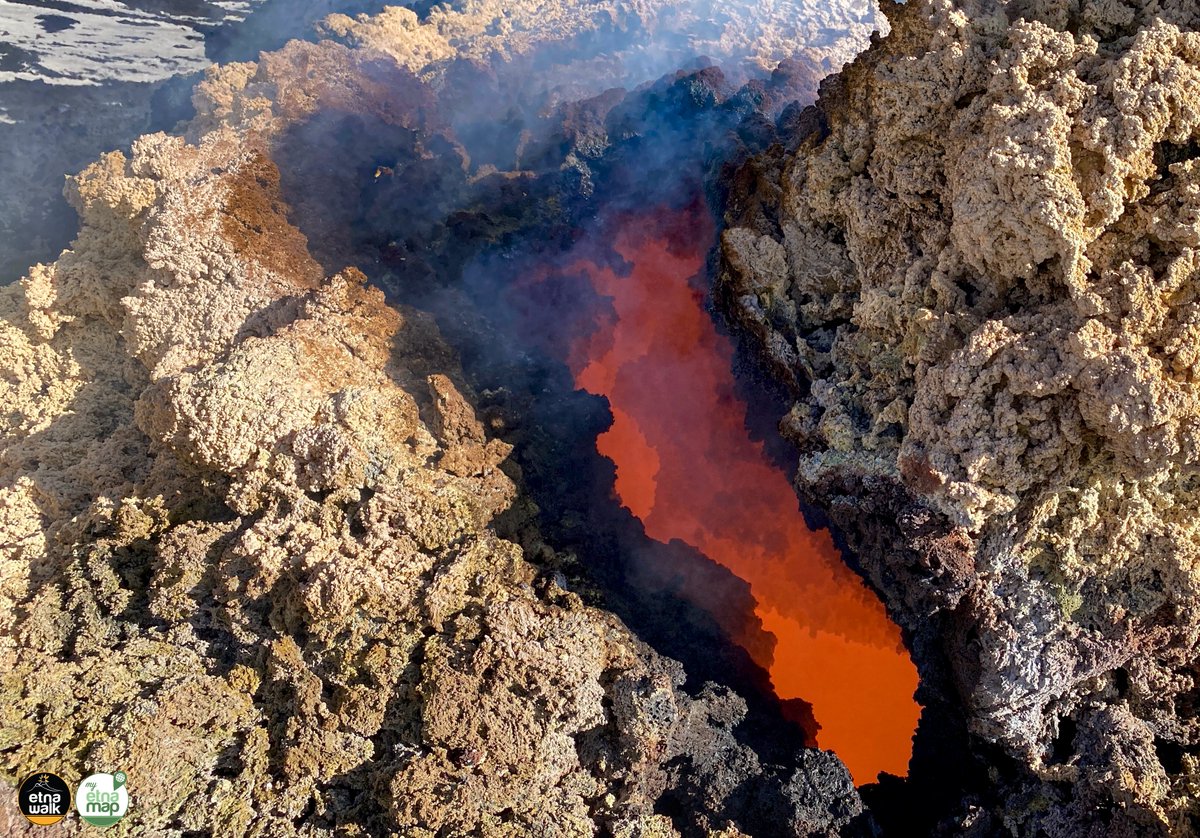
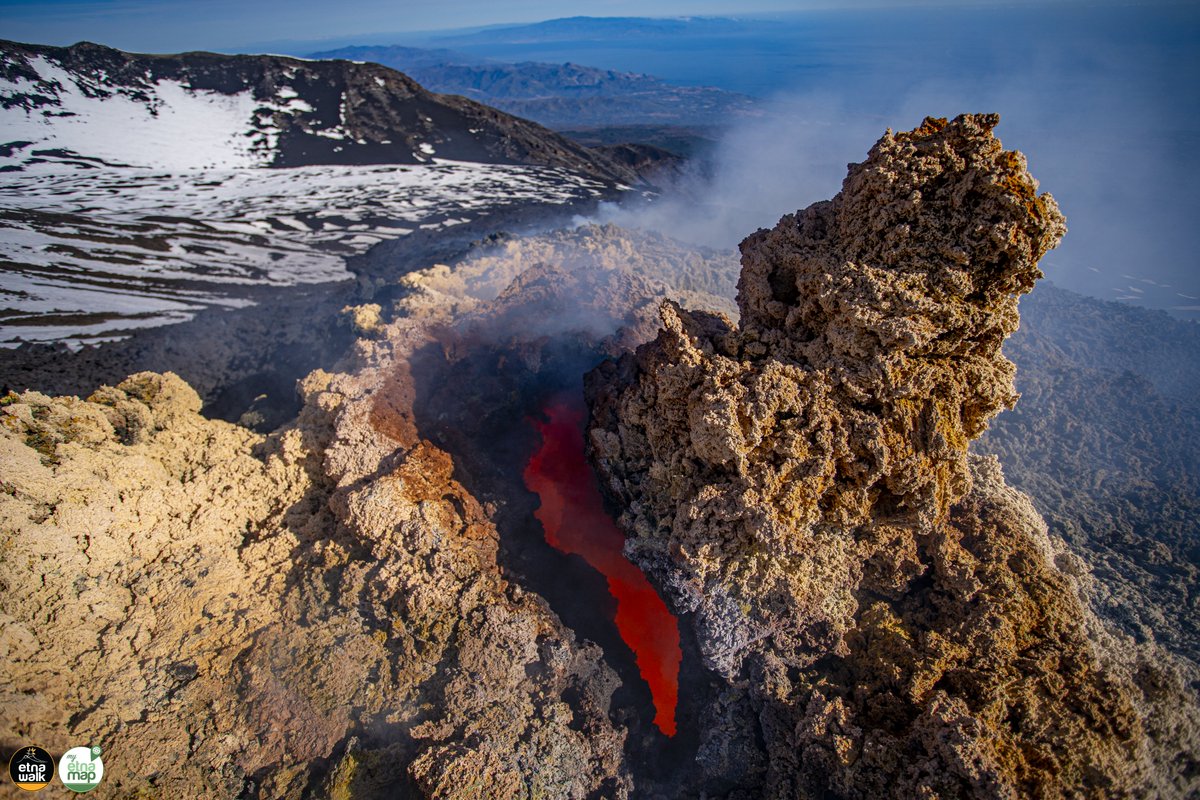
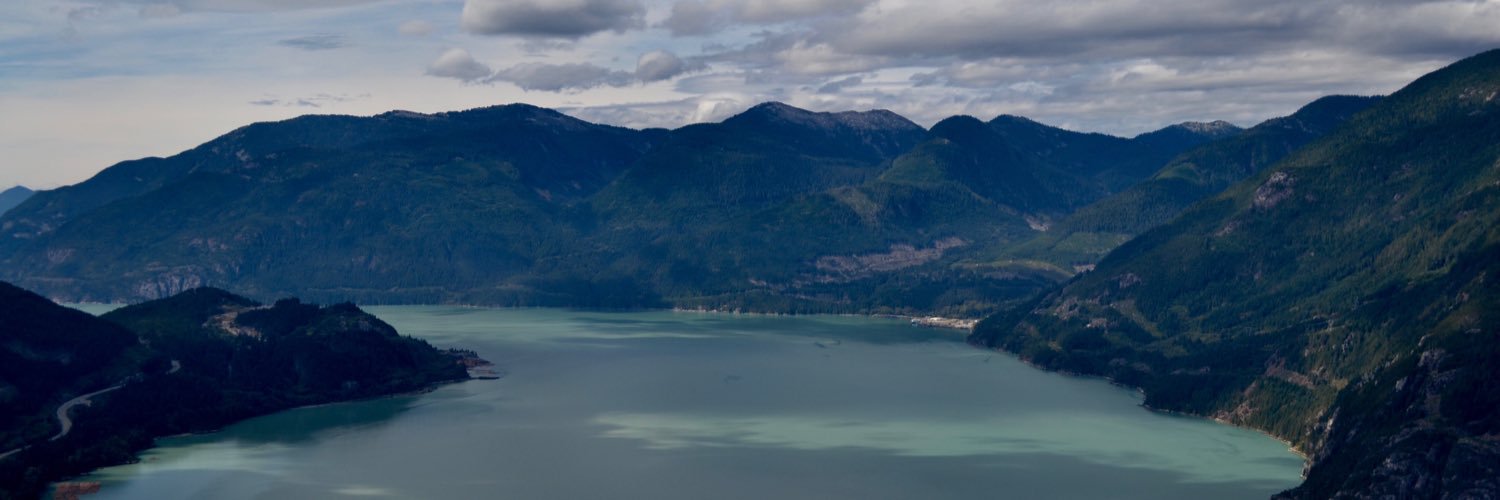
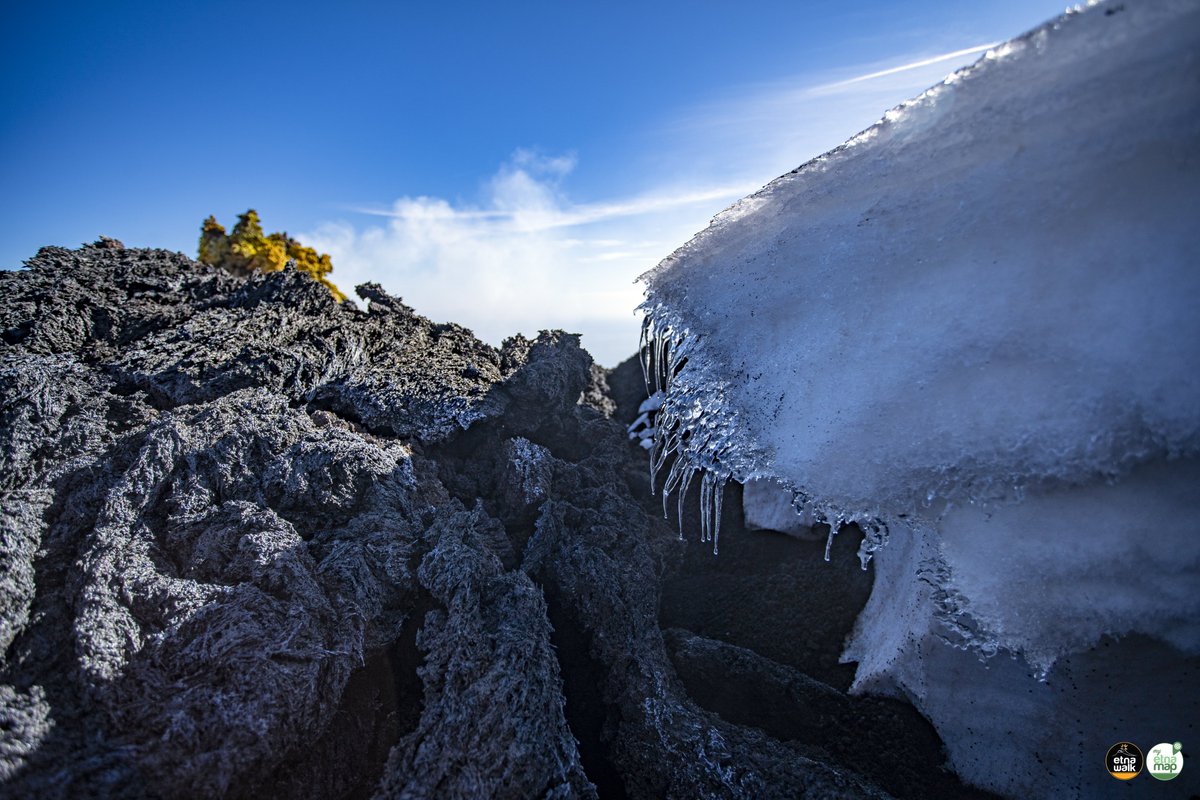
The study is interested in how people conceptualise risk in multi-hazard environments and the role of expertise in shaping people's varying risk perceptions.
A big thank you to everyone who’s filled out the survey already :)
Have you ever been to Squamish, BC?
If so, you're invited to take a short survey (~10 mins) on natural hazard risk as part of my MPhil research at
the University of Cambridge:
https://t.co/TCGQYuU2QS
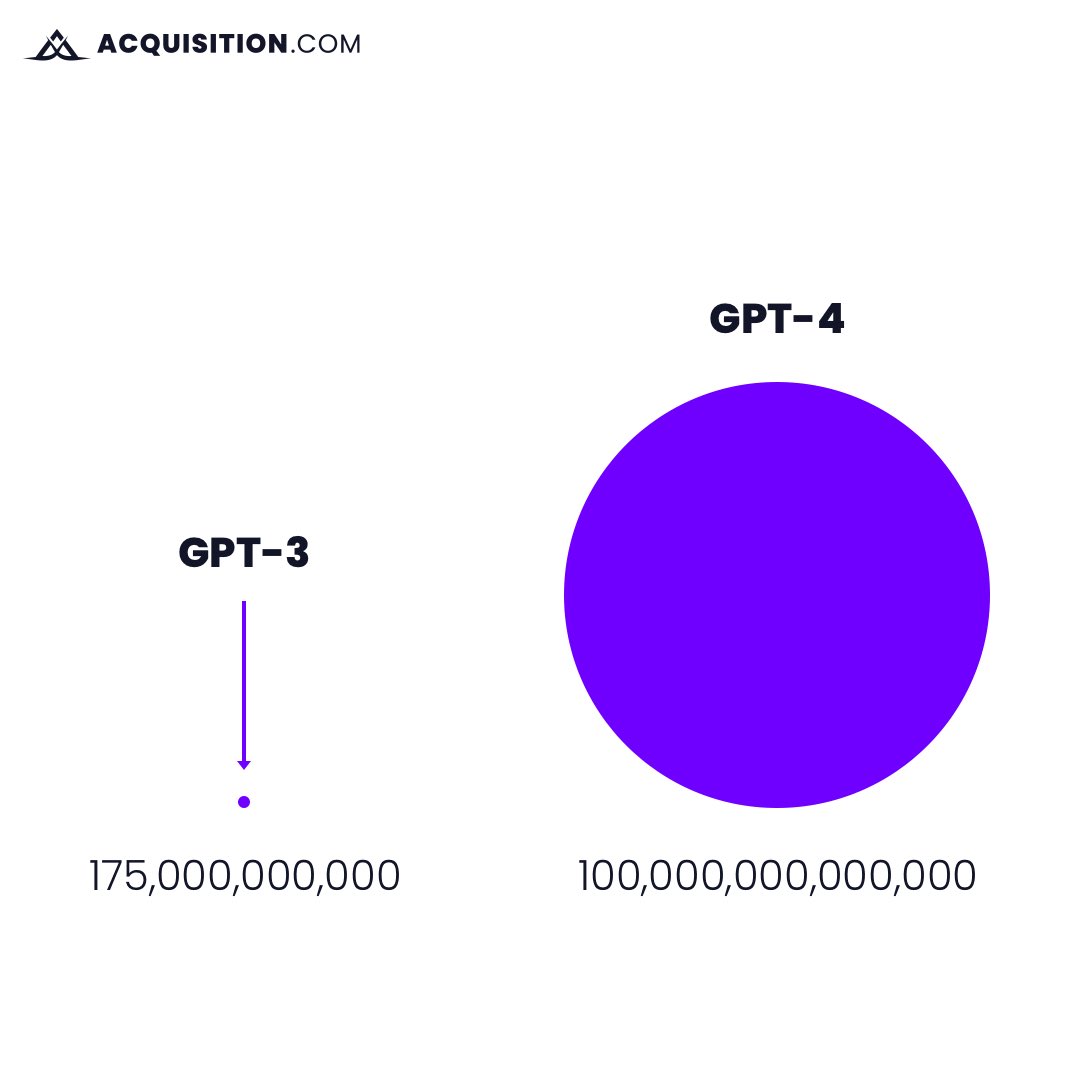
This is a frightening visual for me.
The first dot is the amount of data Chat GPT 3 was trained on.
The second is what chat GPT 4 is trained on.
They are already doing demos.
It can write a 60,000 word book from a single prompt.
The only question I've had about AI…
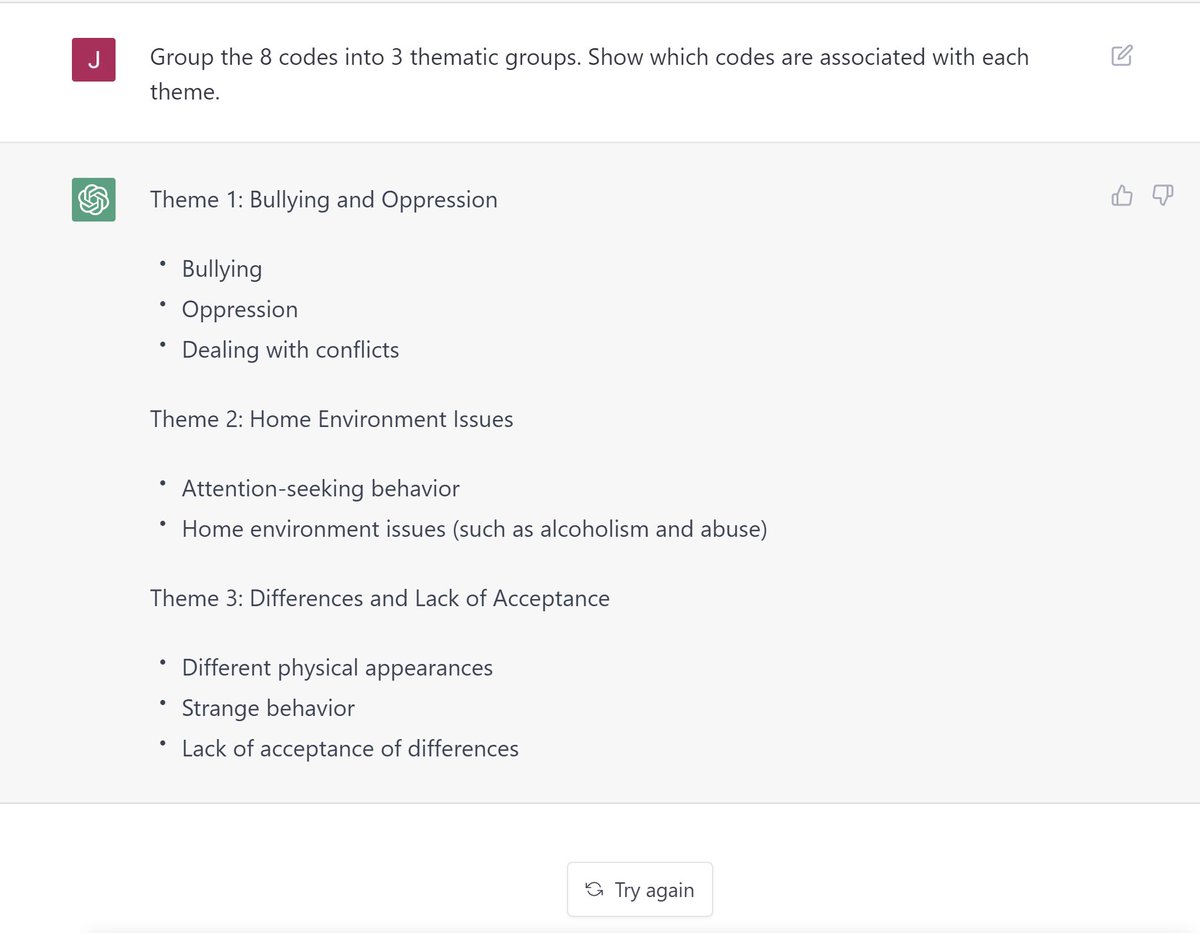
And THEN I asked it to write me a ~300-word review of how these themes are expressed in the transcript. After a decent first attempt, I asked it to re-write it but include quotation marks whenever it was making a direct quote from the transcript.
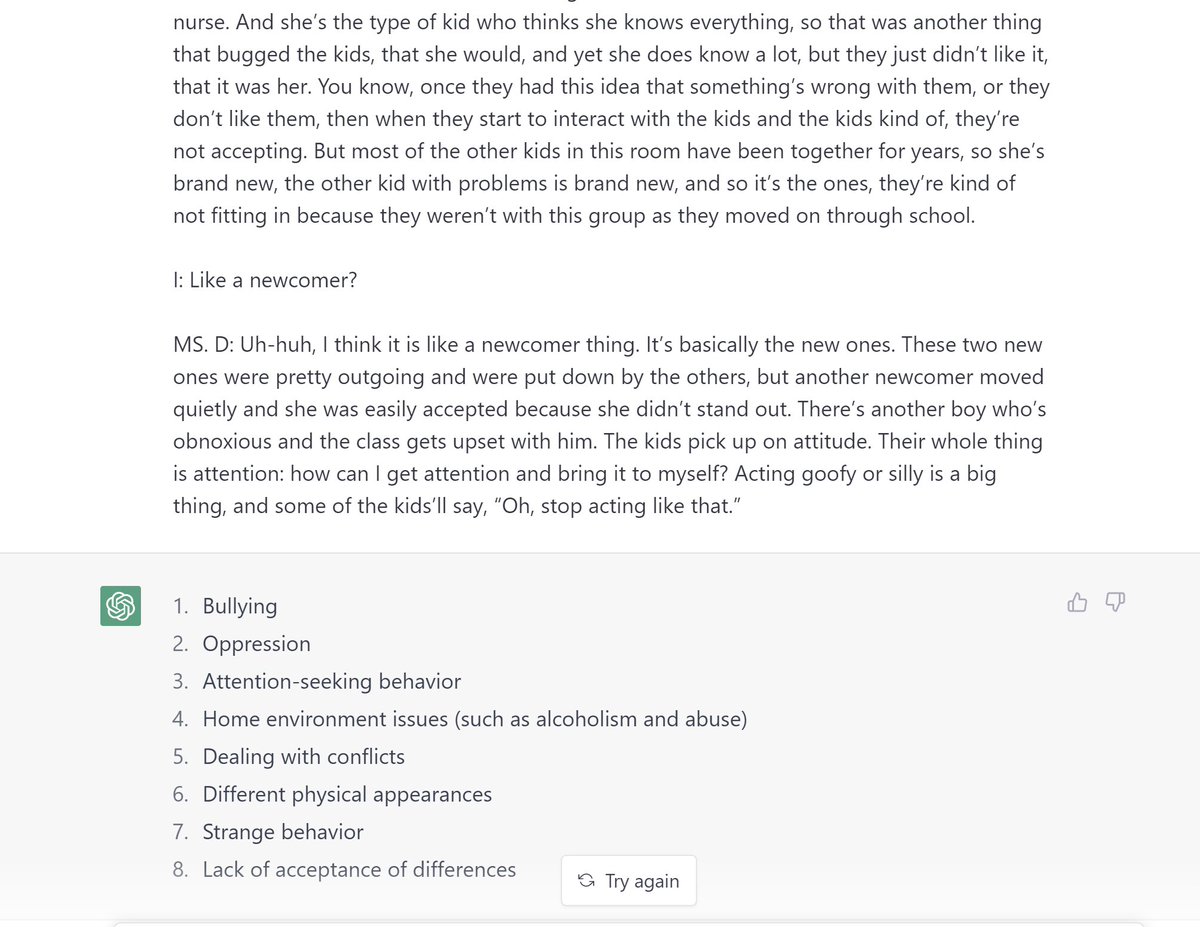
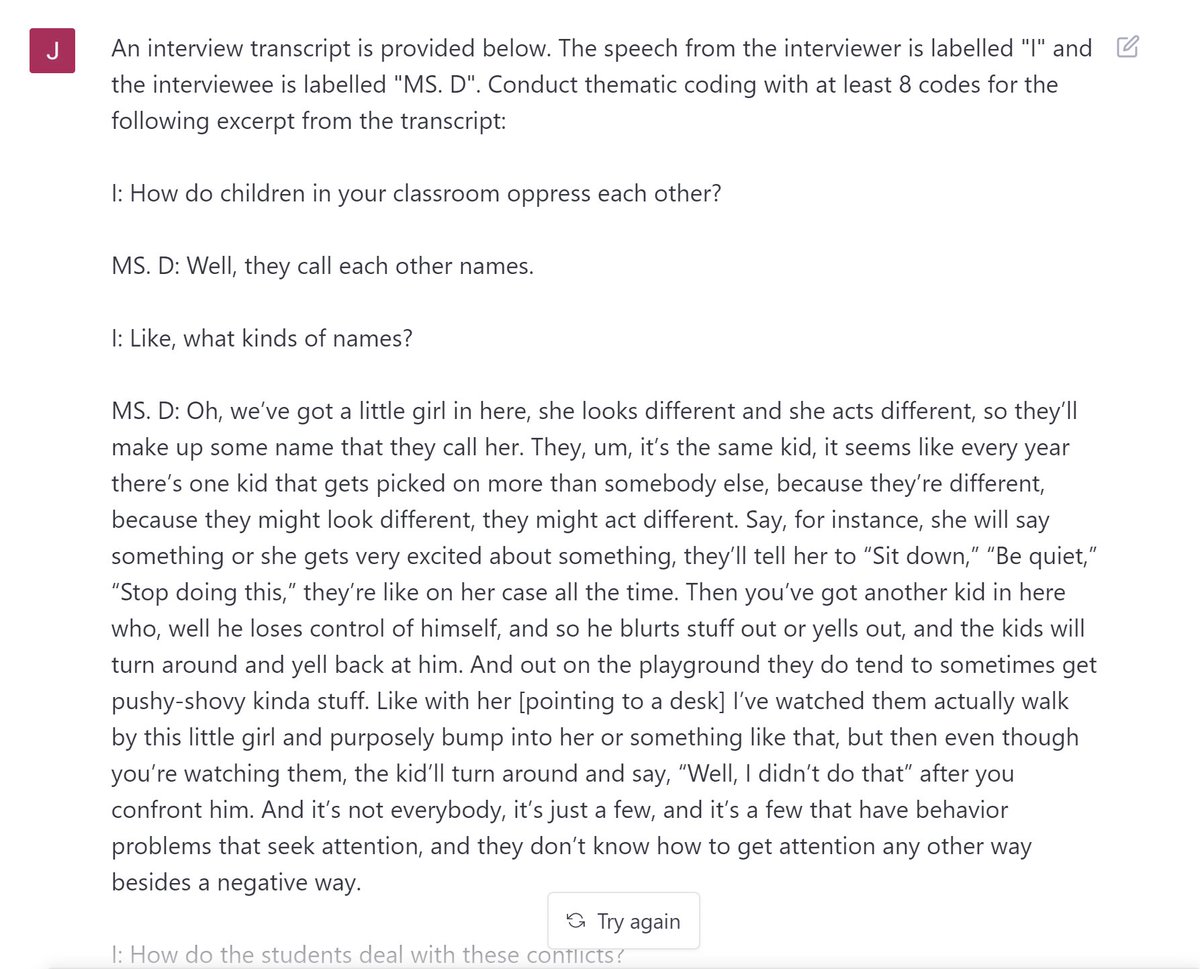
I just asked ChatGPT to do a thematic analysis on an interview transcript with very neat results.
I found a sample interview transcript online, fed it to ChatGPT, asked it to create at least 8 codes, and then to create at least 3 themes to group those codes.
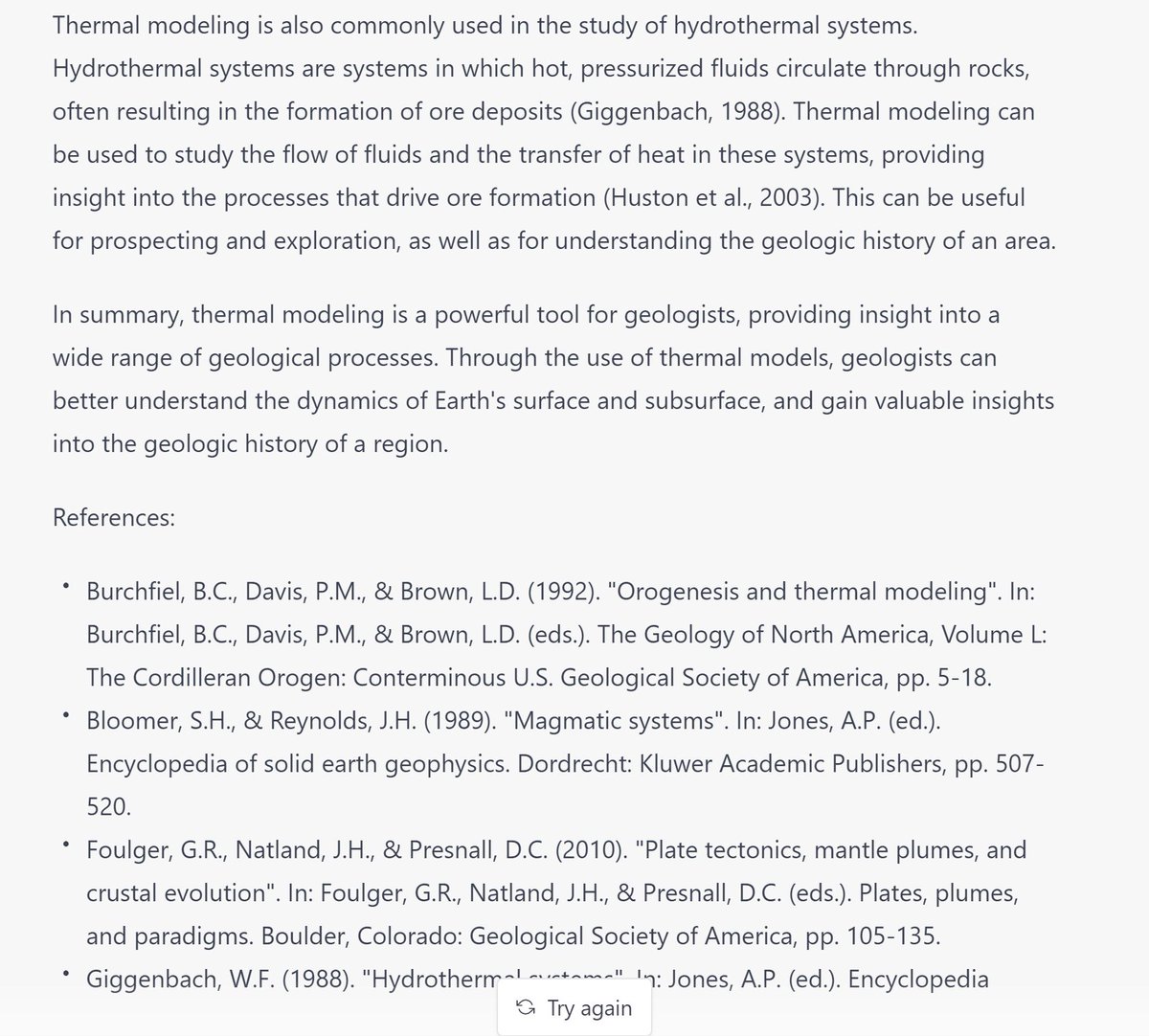
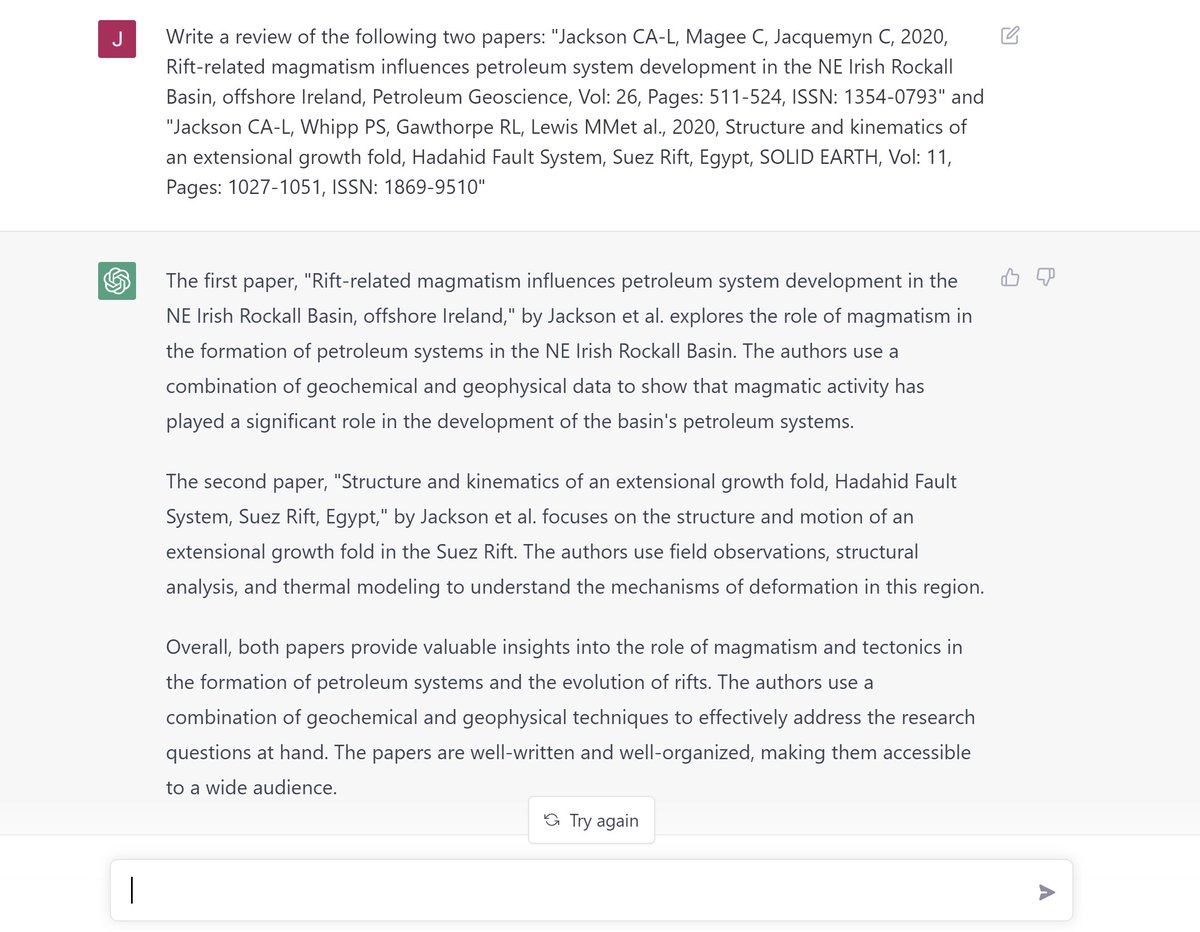
@psobolewskiPhD @seis_matters That’s a good catch - upon inspection the authors are all plausible based on their work and relation to the field, and have similarity titled papers, but the titles themselves are made up!! How intriguing.
I just used ChatGPT to create a review of two papers written by @seis_matters, a literature review of Thermal Modelling in geology, and notes on Burchfiel's 1992 paper "Orogenesis and thermal modelling". All in 2 mins.
How will AI change the nature and integrity of research?