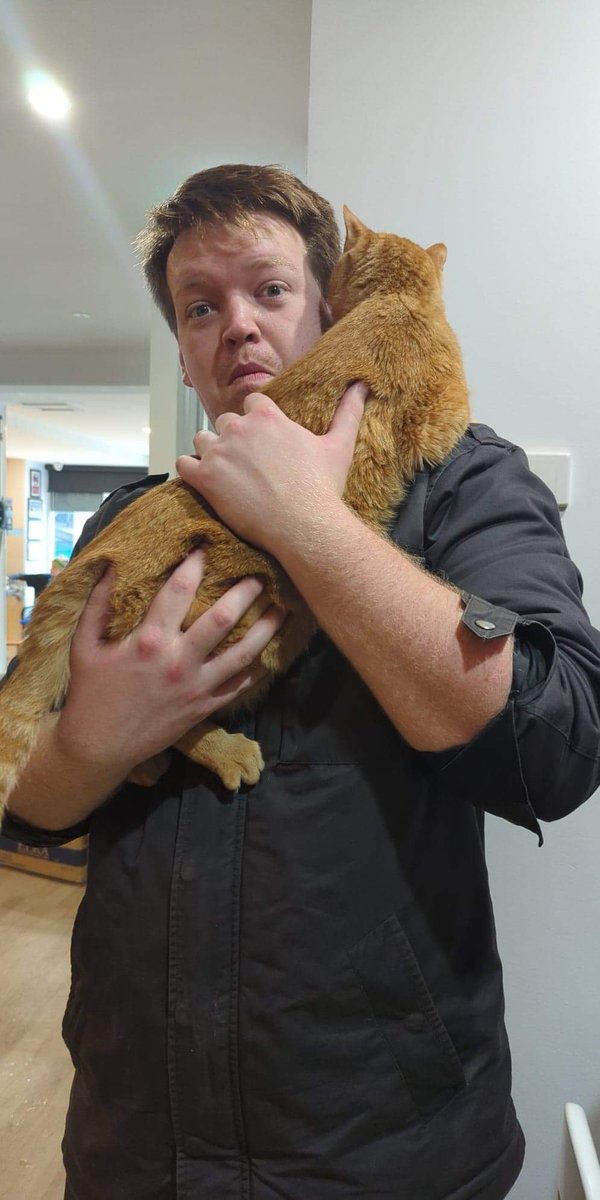
I'm excited to share that one of my thesis chapters, measuring the load-bearing capacity of marine reptile teeth, is finally published in @JVP_vertpaleo.
Feel free to read about it below.
https://t.co/b4eSd0SWOm
Another great example of Zev Landes work! I had the honour of geting myself illustrated talking about my latest research at the 2023 @CAVEPS_Palaeo conference.
In case you missed my first pub talk last month, here's your chance to watch some great sci-comm by various local researchers.
I got the chance to talk about my one-sided realtionship with Eric, the opalised plesiosaur 🦕🦖
https://t.co/HAzwkPsexa
🚨New Pub!🚨A new chigutisaurid (Brachyopoidea, Temnospondyli) with soft tissue preservation from the Triassic Sydney Basin, New South Wales, Australia🦎🇦🇺by Hart et al.
https://t.co/CAsoMlCeEO
What did the most complete, opalised vertebrate fossil in Australia eat?
PhD candidate Joshua White, @PhysicsANU & @AustmusResearch, tells us how cutting edge technology was used to reconstruct Eric the plesiosaur's diet @austmus.
👉https://t.co/scS6q0tsFy
“We believe our study is the first in Australia to use x-rays to study the gut contents of a prehistoric marine reptile," says PhD candidate Joshua White from @PhysicsANU and @AustmusResearch. Find out more the diet of this 2.5m sea creature, AKA Eric: https://t.co/oUFhugUruM
We used CT data to identify additional fish bones not visible on the exterior surface, to help reconstruct the diet of this extinct marine reptile 🦖🦕
This open access article can be found here. (2/2)
https://t.co/qCSsBj9duw
I'm happy to announce that my first #PhD chapter is now published in Alcheringa. Supervised by Tim Denham and @MatthewRMcCurry with the help of Aleese Barron, I used micro-CT images to look inside the gut content of an opalised plesiosaur on display at the @austmus (1/2)
@DHO29881155 Oops, you're right my mistake, this is in fact a cast of a Kronosaurus sp.
However, given how taxonomy of Mesozoic marine reptiles change depending on the season, who knows what it will be next week.
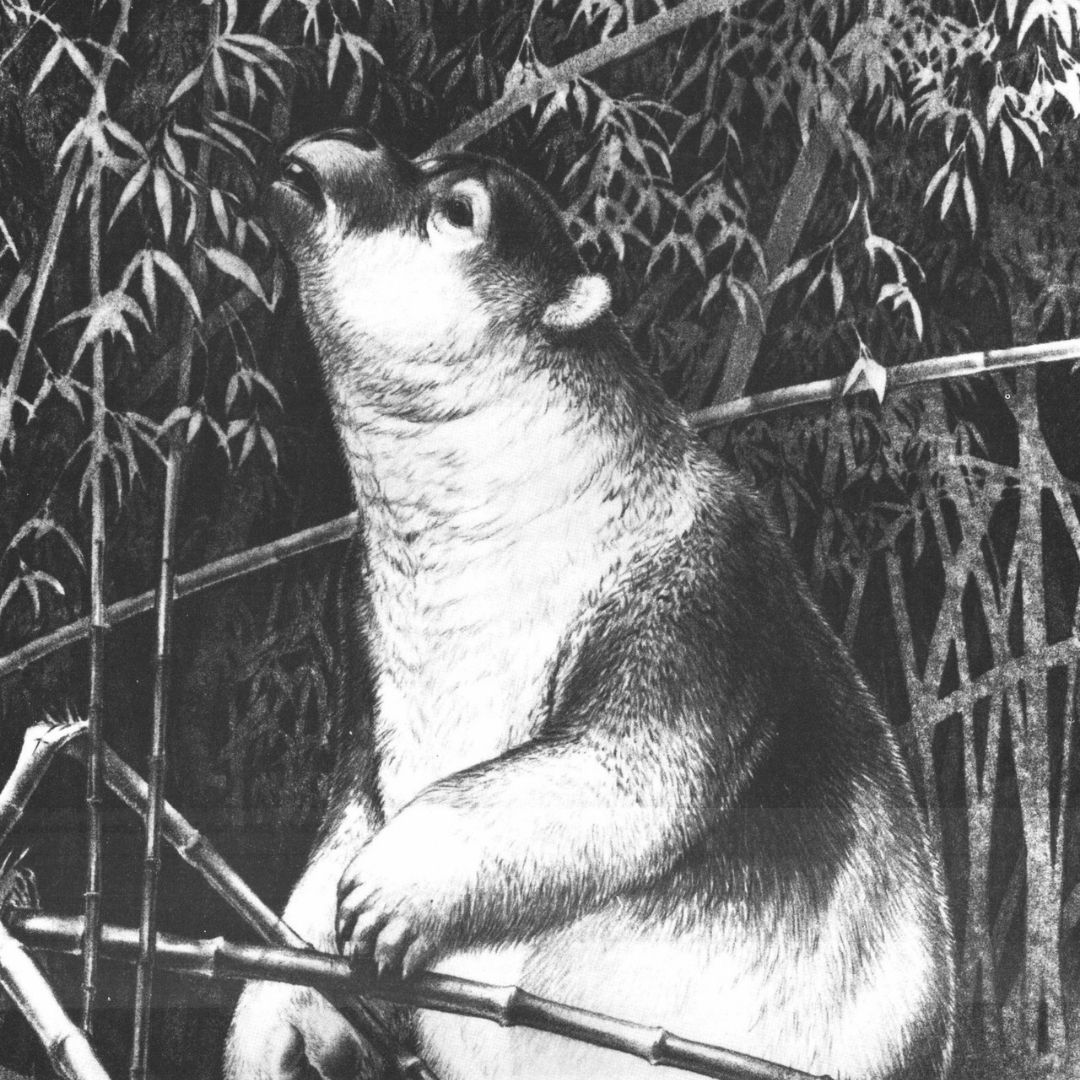
What did the “Beast of Huli" eat? The diet of this bizarre extinct marsupial, which had similarities to both giant wombats and pandas, has remained a mystery. Until now. https://t.co/JWJ5Y23NE9
@AustmusResearch Image: Peter Schouten.
What did the “Beast of Huli" eat? The diet of this bizarre extinct marsupial has remained a mystery. PhD student Joshua White @austmus@scienceANU with co-authors, examined the teeth of this species to help answer these questions👇
https://t.co/obRpi548Jr
Despite the similarity to today's giant panda, our results show that H. tomasettii did not possess the dental complexity to process fibrous bamboo, and likely had a diet similar to other extinct diprotodontids.
I can officially say that I'm somewhat of scientist with the release of my first, first author publication with the help of @MatthewRMcCurry, @DeSantisLab, @DrTeethAl and @Lwilso9 published in P3. @AustmusResearch
https://t.co/xBlEzZf4OX
Together, we evaluated the diet of a bizarre, panda-like diprotodontid, named Hulitherium tomasettii by using a combination of dental complexity and dental microwear texture analysis.