If you could protect your child against cancer, wouldn't you do it? The HPV vaccine does just that for girls and boys. And it's free at your county health department. SC health officials stress importance of lifesaving vaccine https://t.co/2I2WZreVXR
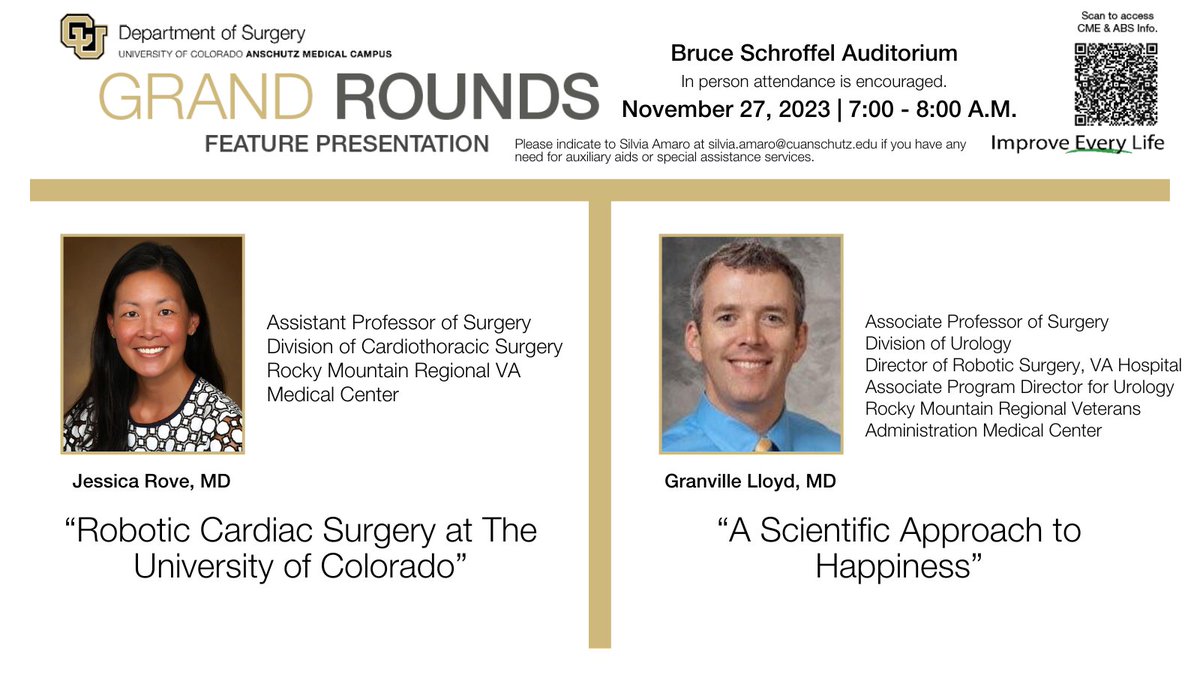
The next CU Department of Surgery Grand Rounds is 11/27 at 7:00 a.m. and features faculty members Jessica Rove, MD, and @CU_Urology's Granville Lloyd (@BlueLakesRoad), MD.
Can't attend in person? Tune in via Zoom here: https://t.co/5EIsTOYIqu
New research by Syed Shahyan Bakhtiyar, MD, a CU Department of Surgery surgical resident, may help surgeons make more informed decisions about heart transplant surgery for their patients.
https://t.co/mpc0w3TsUQ
Trevor Nydam, MD, associate professor @CU_Transplant, sees the use of robotic surgery as the beginning of a shift to using more living donors.
Read more here: https://t.co/wikppkKt76
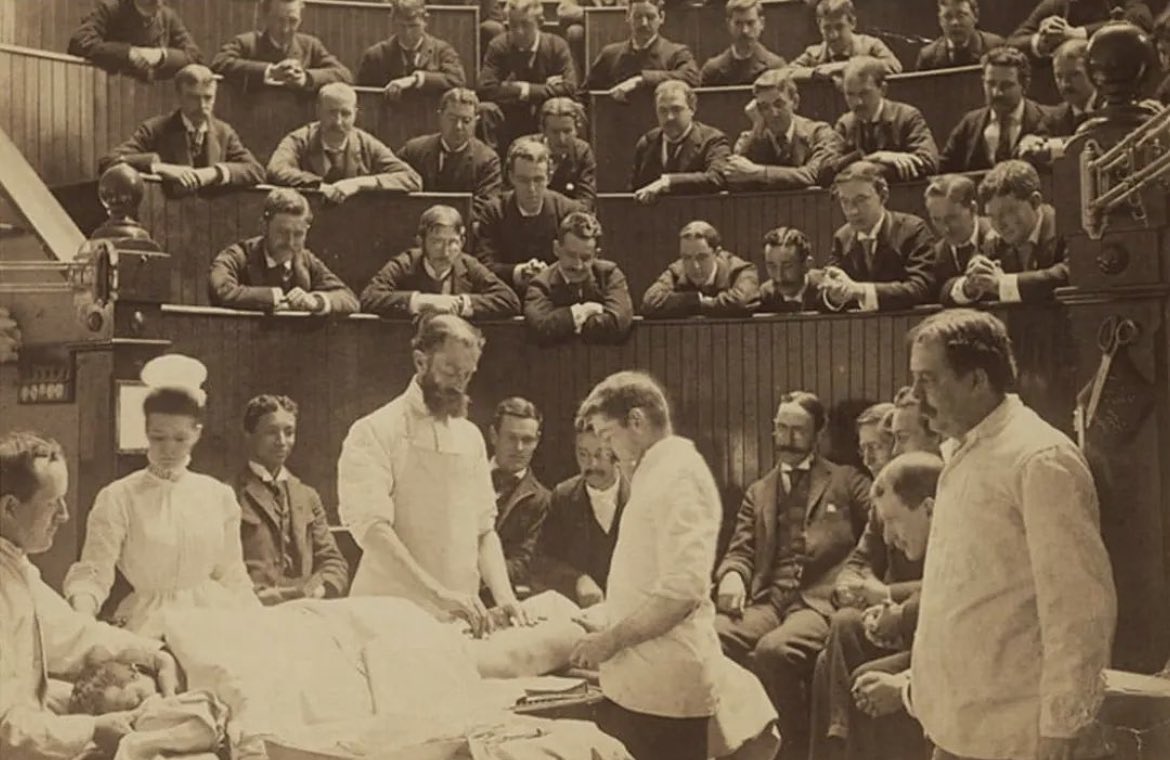
This photograph captures a surgery in progress at the Boston City Hospital operating theater in 1890. Notable features and historical context can be observed, shedding light on the medical practices of the time.
Firstly, it is evident that the surgeons in the photo sport facial hair and are not wearing masks and gloves, which were not commonly utilized during that period.
Secondly, the bag being held against the patient's mouth likely contains ether, a popular anesthetic during that era. Before ether gained popularity, nitrous oxide was widely used and readily available, especially during the Civil War.
The patient is lying face down, with a possible incision on the back of their leg, suggesting a knee operation or procedure related to the leg.
This photograph was taken only a couple of decades after Joseph Lister's pioneering efforts in antiseptic surgery. Lister's progressive ideas faced controversy during his time, with doctors warned in 1869 to disregard his advice on hand and equipment sterilization. One can only hope that the surgeons depicted here were adhering to more advanced and hygienic practices.
Additionally, although not visible in the photo, it is interesting to note that the operating room's ceiling is a glass dome. This architectural feature necessitated surgeries to be performed on sunny days, as artificial lighting was limited to candlelight during this period.
A new enhanced recovery protocol for patients undergoing lung resection surgery performed by CU Department of Surgery faculty members is resulting in patients going home sooner and experiencing less postoperative pain. @MeguidRobert
Read more here: https://t.co/effHxIS1U1
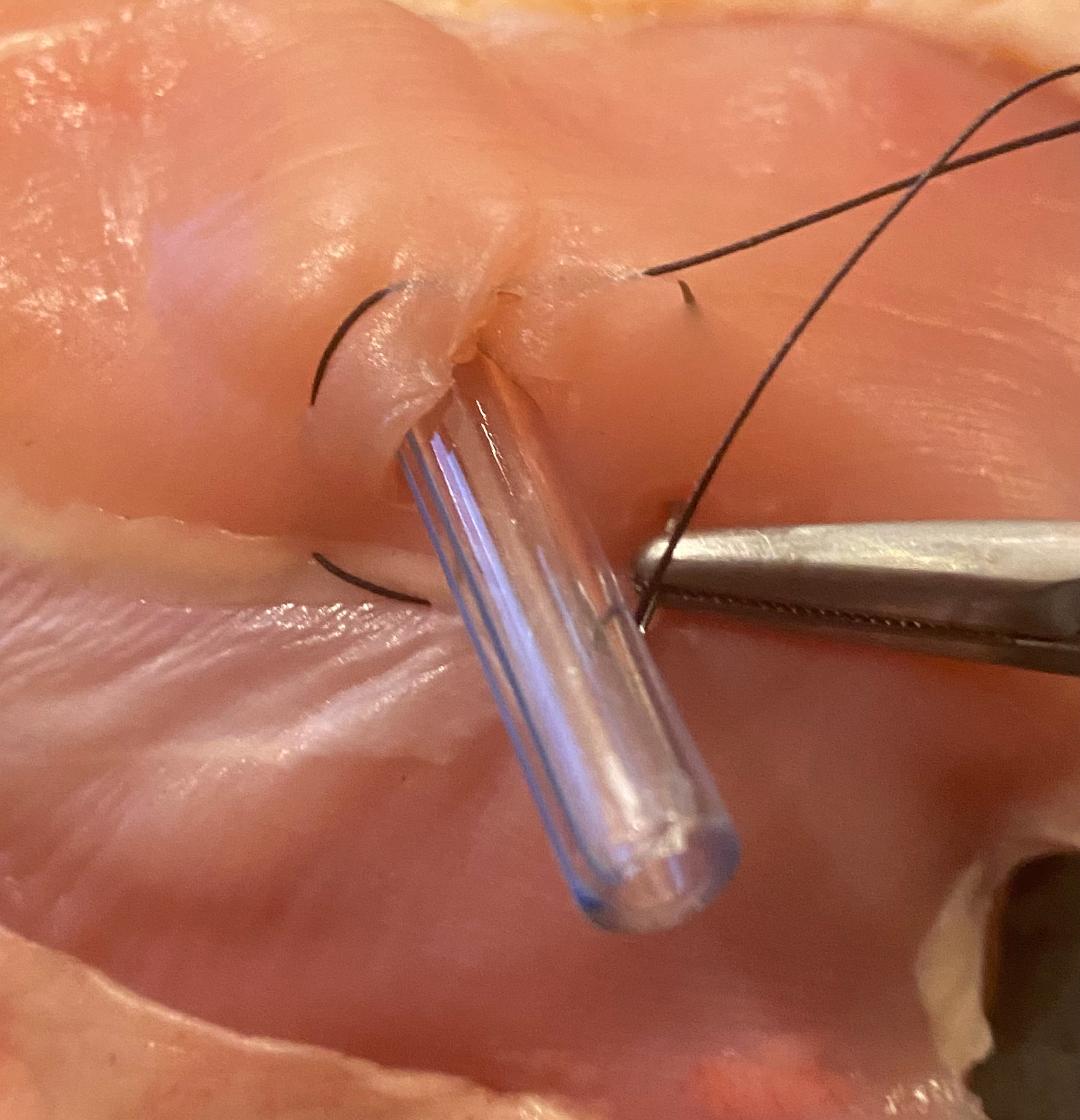
🧵regarding the 'figure-of eight' suture and also the 'pursestring' suture.
We'll go over what they are for, some technical pointers, and errors that can be made while doing them.
(1/ )