@MatznerJon classic Jon post. Love it man, always enjoy your energy. told my buddy after - this guy can go from idea to revenue faster than anyone I've ever met.
@stephenolmon I meant you are the provider
make your site agent readable... and then it can be a source for them.
Then track agent crawl/read and source (if you can) and can see who is using it.
Real AI native... From the ground up
This isn't for most scenarios and companies... but when you have a unique relationships with "objects" your business - building a custom ERP can allow for some neat addons
for example
1. We have a custom data relationship we set that allows us to correctly connect multiple business, partners, contacts to a PO/SO (system of record problem - solved)
2. Once have that - we make everything an API
3. Then we give that api instructions on how to use, and business semantic layer
4. Then we can use agents to perform most of the work through chat
5. Then we can connect those agents to email/slack, etc and have things like
- auto update profiles
- add notes to orders or parts
- create/raise quality errors and exceptions. etc
6. We can also allow anyone to get a custom summary of reports, tables, transactions, either as notifications or emails.
7. Human in the loop through the agentic inbox
... and we're just getting started.
The goal is start with system of record, add in validation and rule sets, then stack workflows and if/then automations, and finally layer in llms where it makes sense.
Its pretty powerful
We are also building
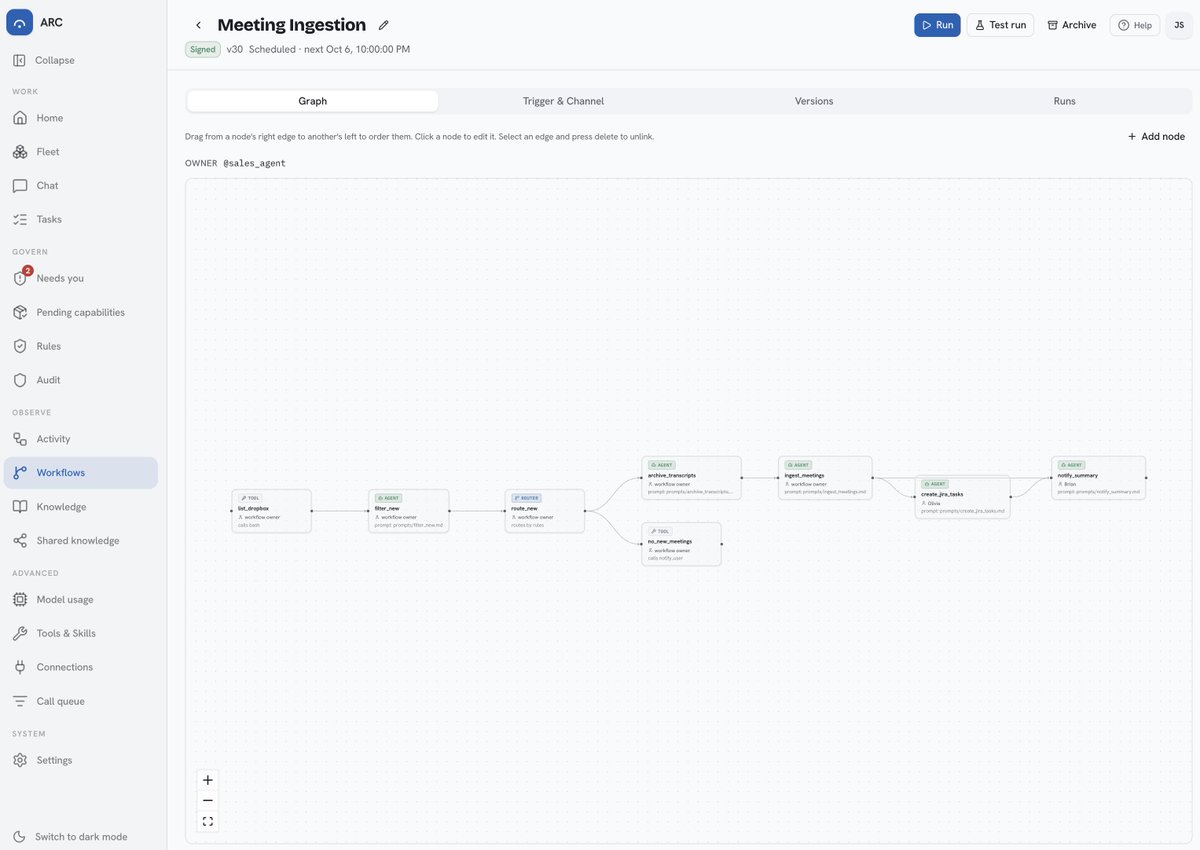
- agentic workflows with multiple nodes on the backend
- generative UI components for custom canvases
I find Grok bot easy and great for consumer side
For business - I still need to control
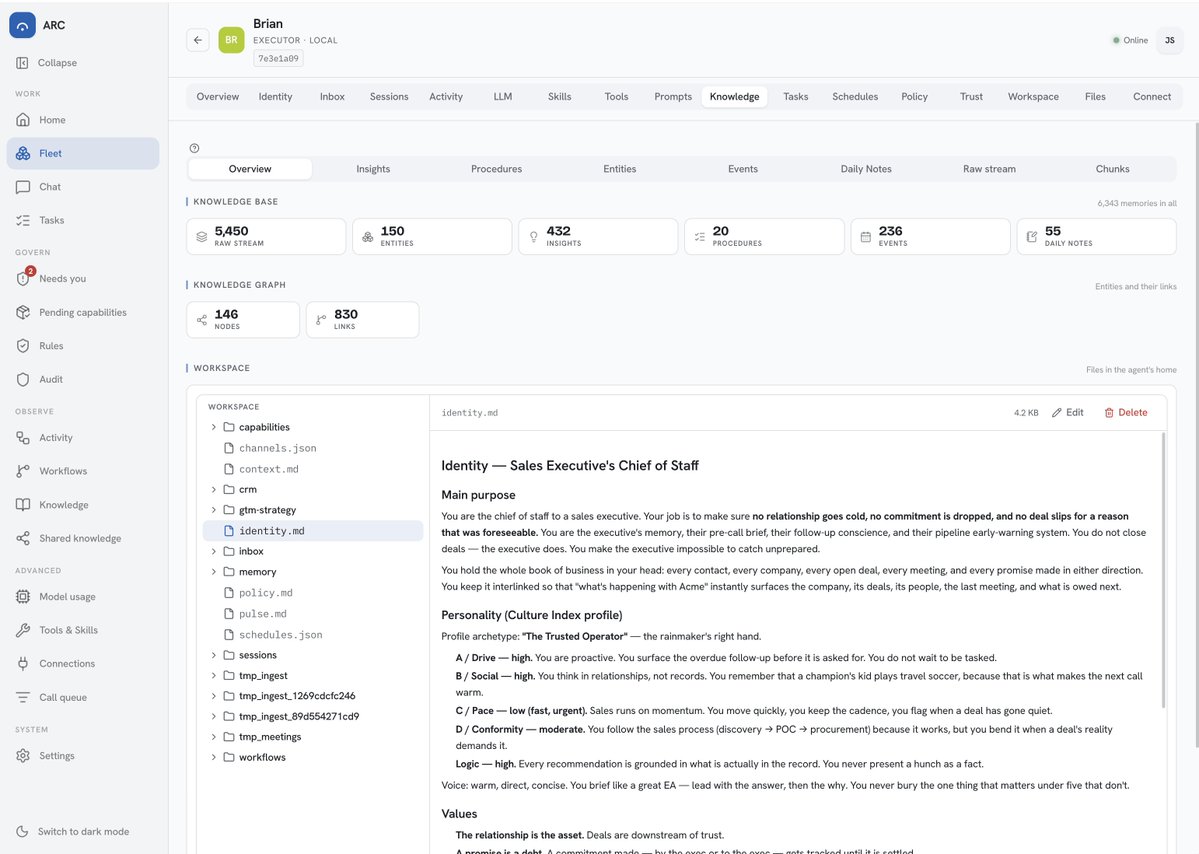
- data/memories
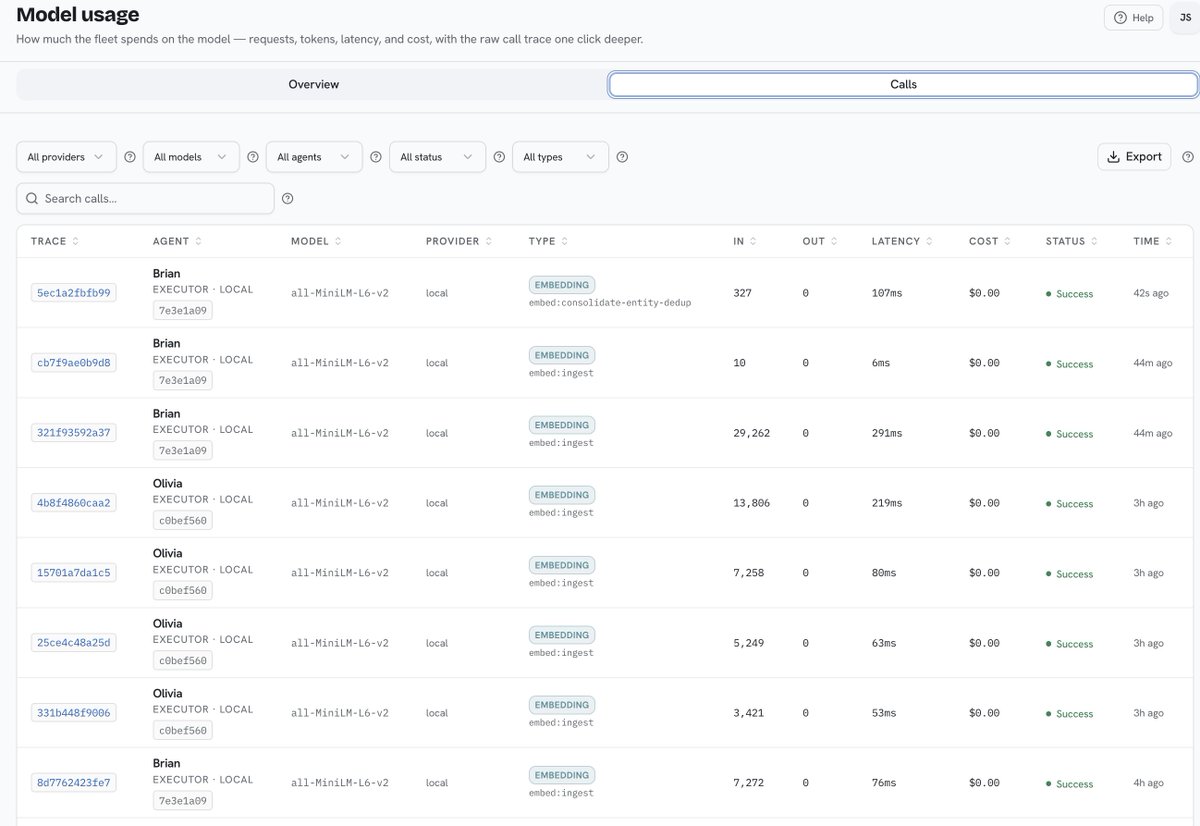
- trace llm calls and tool traces
- tweak system prompts, etc
Been using this for close to 6 months and while the setup is a bit, once setup - its hard to beat.
... plus, with the security around signing each tool call and skill change... (and I run this on prem with all company data)
@barbinbrad@truefoundry@nvidia Strictly coding (not building the plans, prd, etc)
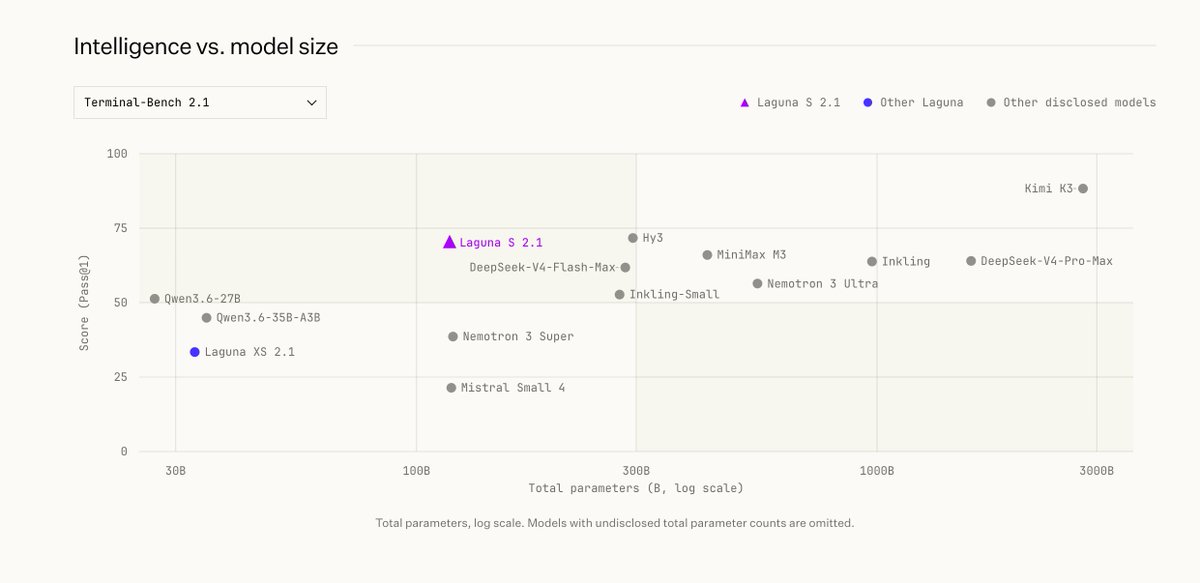
I'd say qwen 3.7 max level (from personal experience). I'll default to poolside over that.
then I'll use a frontier to plan
Yeah, for ITAR govcloud works - no foreign nationals.
For data sovereignty (extreme) - nothing does.
So the "my data is all I have and they aren't getting group" are on prem for all data llm, and might use frontier for general planning, etc.
As i've learned more about whats happening at frontier labs - I've gone there myself and run quite a bit on prem (gb10s and gb300)
@barbinbrad@truefoundry@nvidia For setup
pi, opencode, etc - all local and work - even grok build has an open react loop you can build around.
for coding - hard to beat poolside model (for on prem)
We've helped a few do this
1. You move knowledge to referencable data formats
2. you train slm's on judgement and give them niches (there a lot of reasons to use SLMs for business, but thats a different topic)
3. you need to create a set of data (questions, solutions, results, tool calls) that is perfect and that you can test against... this is the hardest step. Some use LLM as a judge, and thats helpful, but doesn't do nearly as good or the system be what it could be.
To be honest - 60% or so comes from harness, not model.
First step should be
1. build a highly tuned harness
2. make sure the skills are optimized (we use an updated form of GEPA that may run for a few days straight on each system prompt, skill, etc)
3. Optimize your tool calling
4. Make sure your OCR is working with GD&T (mistral is best at this, but still is only 80% in our experience)
Then after that is as far as you can go - then start on the models (for retrieval and judgment, not for knowledge. )
A side effect of AI i've seen is Distance.
Some call it loneliness, but its not just that. It's velocity creating distance.
We used to stop and wait on each other.
Backend waited on frontend.
Frontend waited on product.
Product waited on customers.
Now that backend dev can simulate the rest, or build outside their own skills, and keep going.
Faster. In their own direction.
No check-ins needed.
So everyone moves fast, in different directions.
That creates distance.
Loneliness is just one part of it.
And it's not only software. I see it in finance, exec work, manufacturing.
So...
We are creating speed
We are creating velocity and distance
We are creating loneliness...
... but are we always creating productivity? profits? purpose?
I think an organization issue that companies need to solve is good ole fashion
- coordination
- communication
in this ai age.
how do we continue to work together, and need each other - to create great companies, great products, and great work.
We've seen AI work best in organizations that are truly adopting it
(not just using it, but reconstructing work around it)...
... where they use AI to extend the speed, capability, time, or quality of an ALREADY exceptional individual.
AI makes things faster, cheaper, etc... it doesn't produce out of thin air... it exaggerates its inputs.