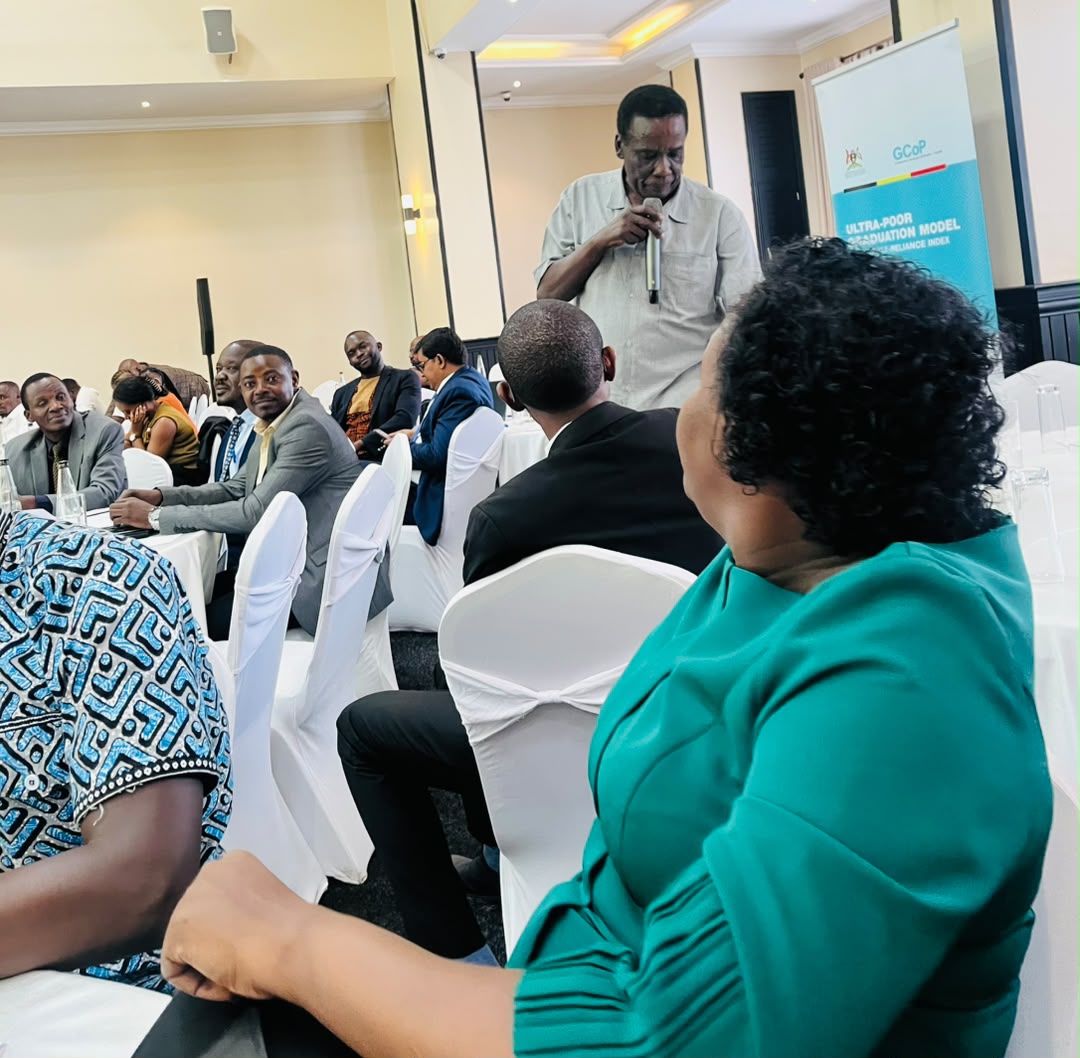
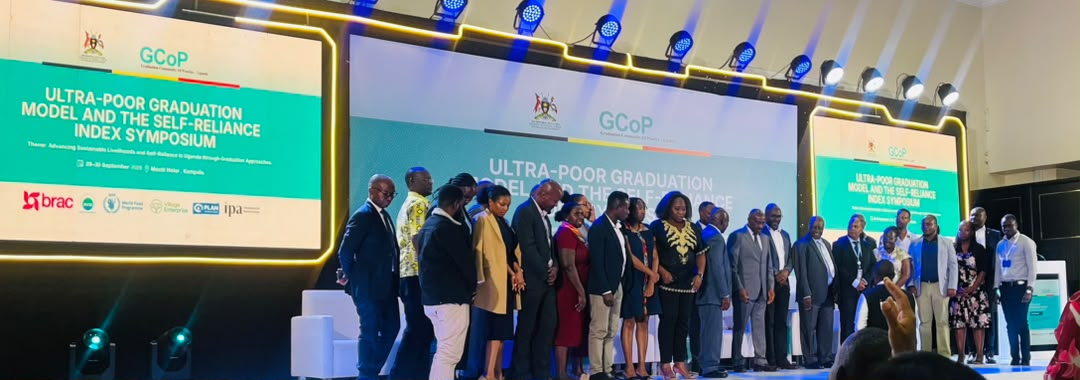
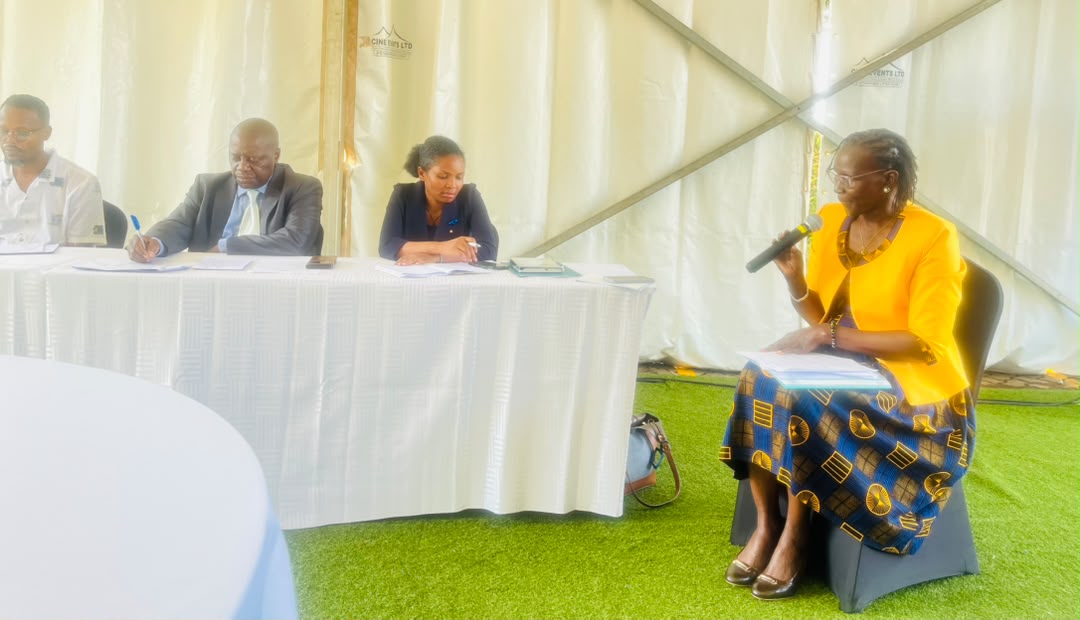
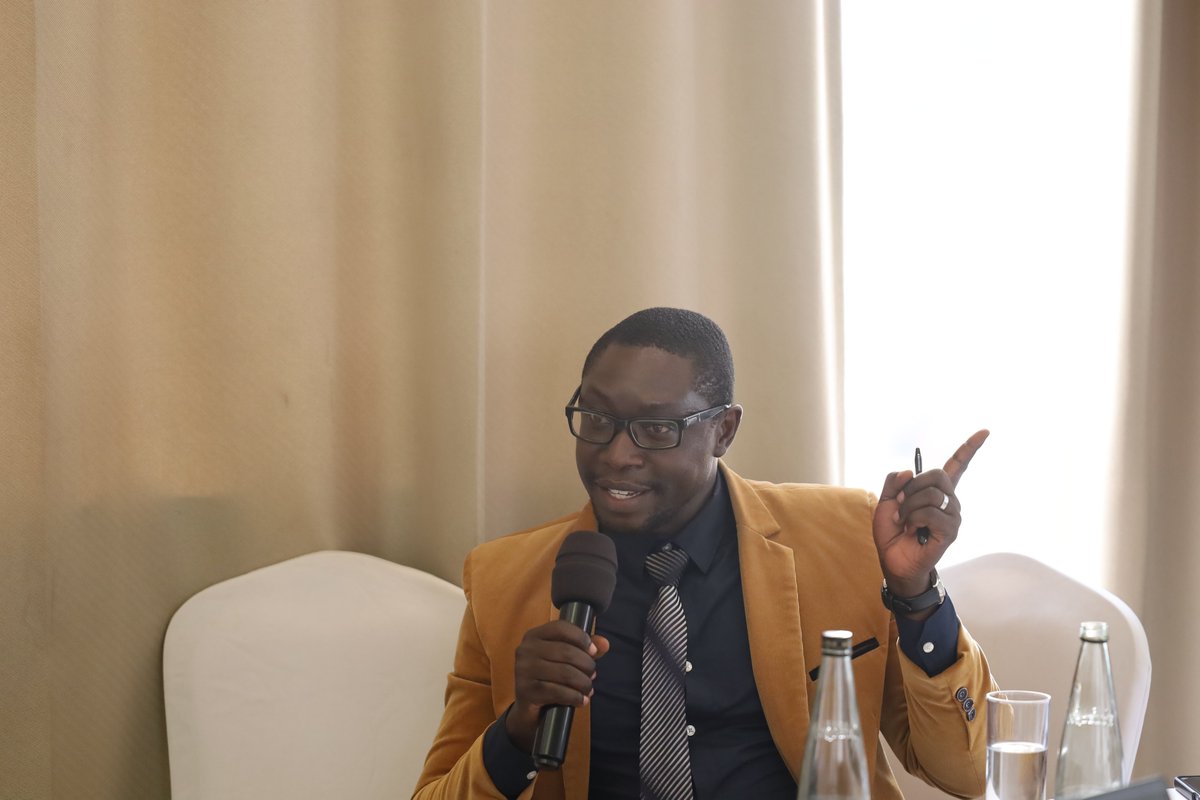
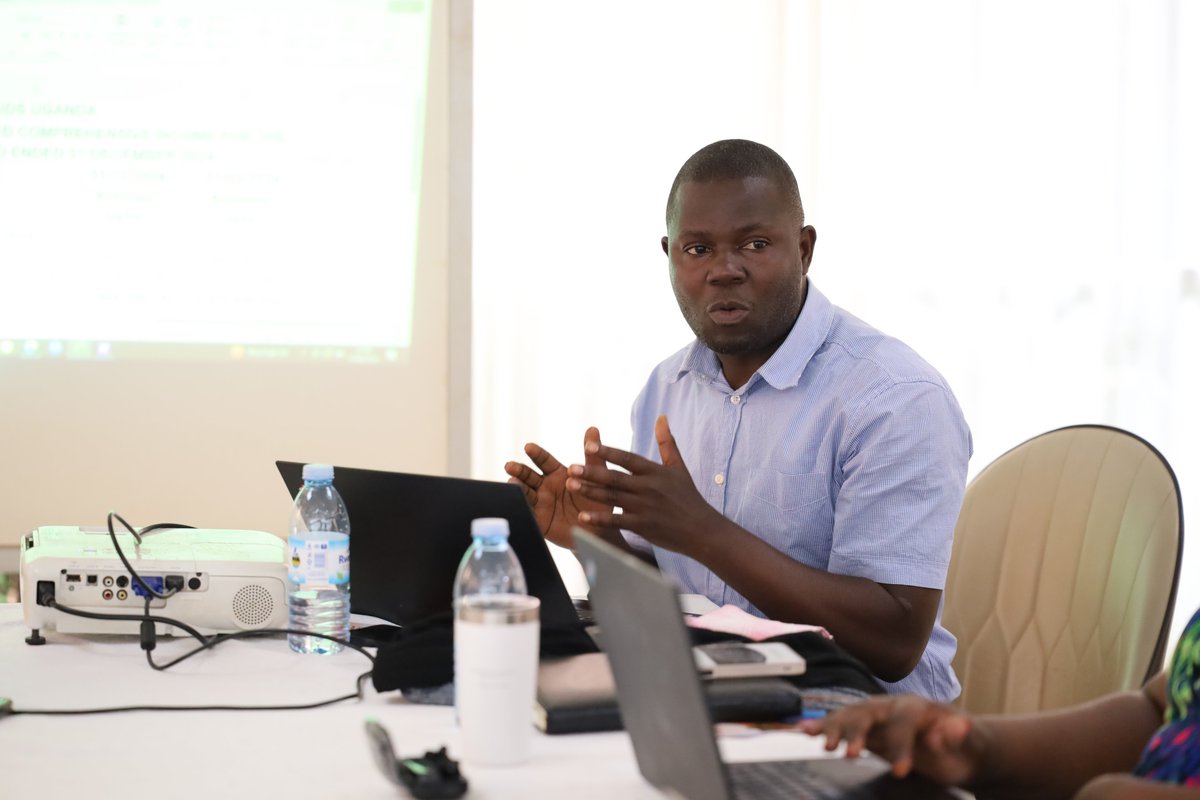
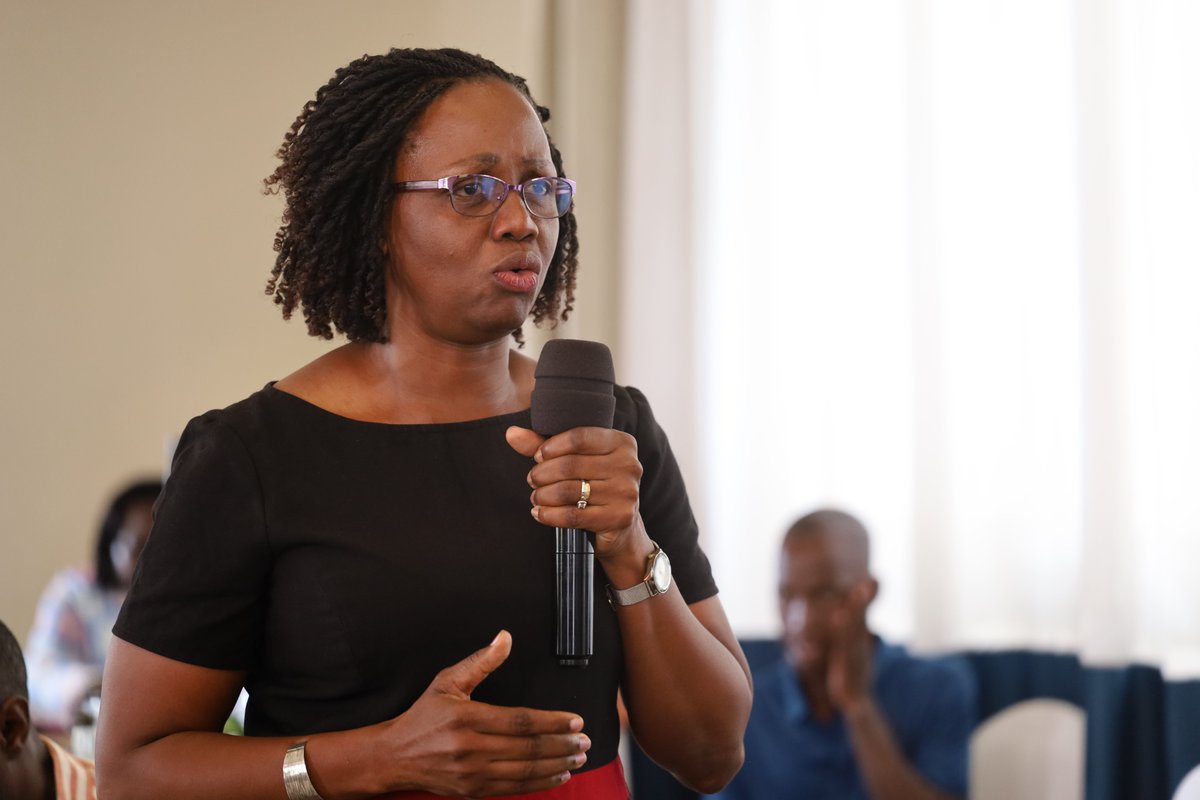
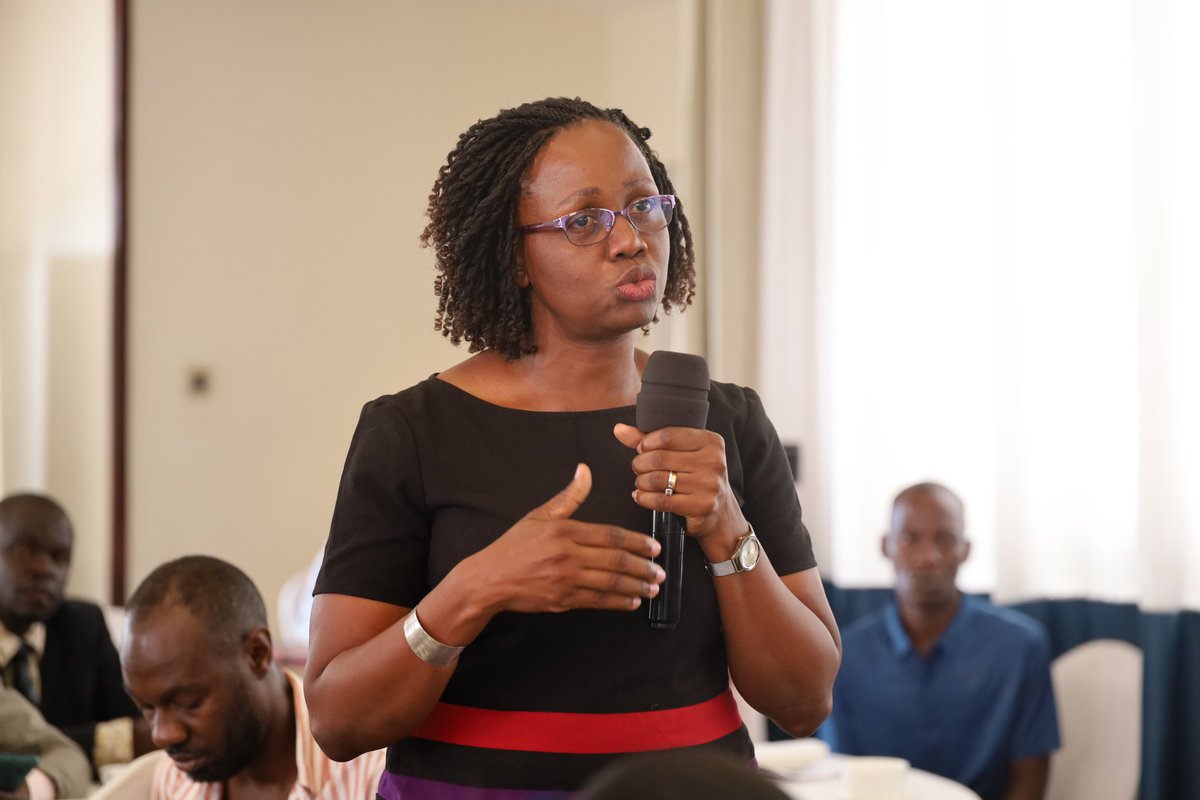
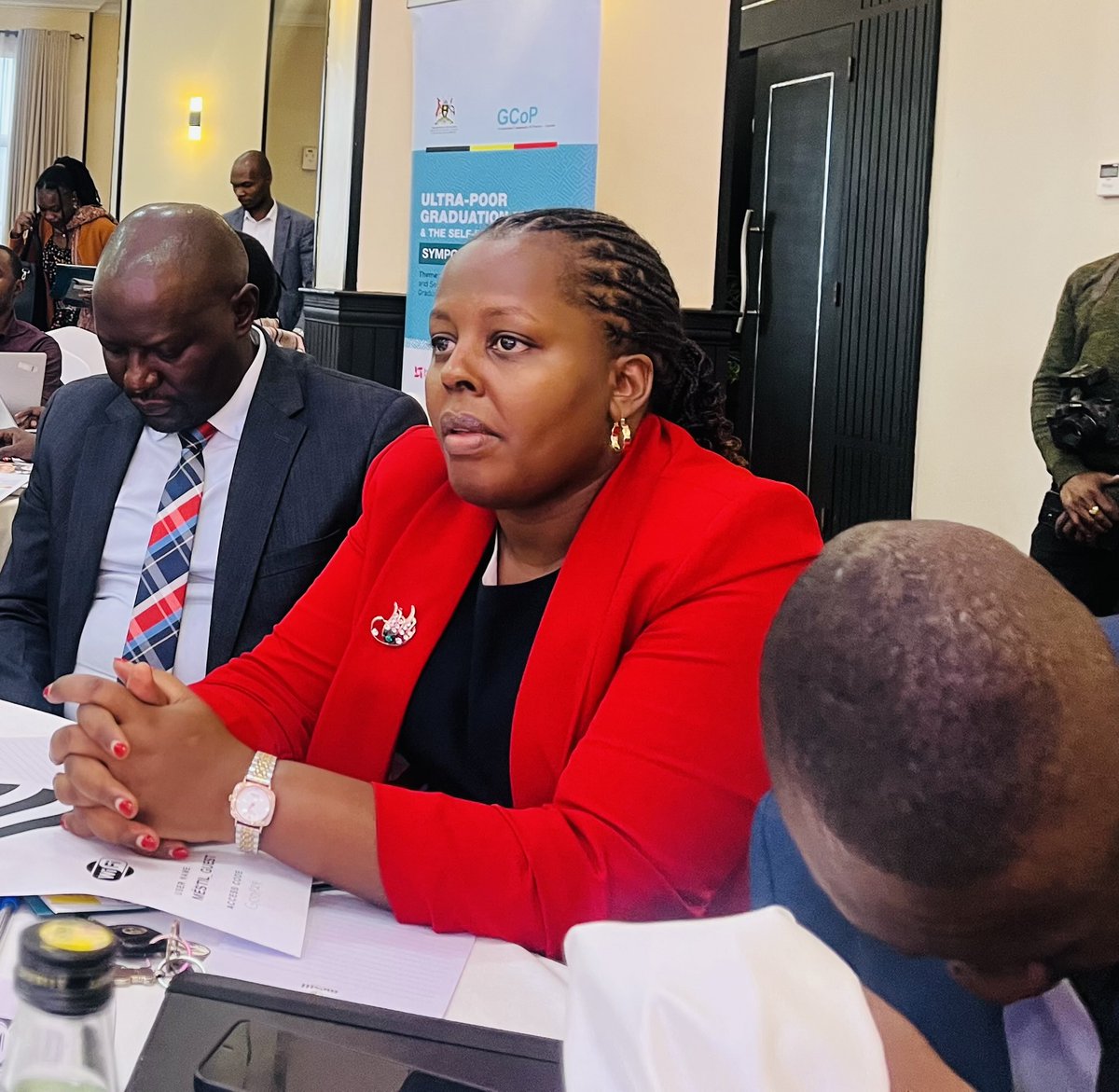
Checked in: Ultra Poor Graduation Model & the Self -Reliance Index Symposium organized @Mglsd_UG , @aphia_mugoye & @BRACworld whose Dep. CD emphasized this as a platform for actors & @GovUg to share expertise, research,innovation to support scalability of graduation program.
Happening today: @Mglsd_UG and @brac_uganda are hosting the national Ultra-Poor Graduation Model & The Self Reliance Index Symposium at the Mestil Hotel, Kampala #UPGRSISymposium2026.
Guided by insights from Dr.Fred Muhumuza Makerere University Business School - MUBS Main Campus, the conversation is tackling three critical questions for Uganda's development pathway:
1. What is graduation? Moving beyond short-term aid to provide a time-bound, sequenced pathway that exits households from extreme poverty into sustainable livelihoods.
2. How confident are we that Ugandan households are becoming self-sufficient? Evaluating how foundational support transforms into long-term socio-economic resilience.
3. How do we measure graduation in progress? Utilizing data-driven tools like the Self-Reliance Index (SRI) to track household growth.
The 4 Pillars of the Graduation Approach
To achieve true autonomy, the BRAC Graduation Approach fastens together four interconnected core objectives:
* Social Protection: Consumption support, health care access, and crisis relief to safeguard families against immediate shocks.
* Livelihood Promotion: Asset transfers (livestock/goods) paired with technical skills training to generate resilient streams of income.
* Financial Inclusion: Introducing informal savings groups (VSLAs) and financial literacy to build strong household capital.
* Social Empowerment: Life-skills coaching, confidence building, and community integration to ensure marginalized households have a voice.
By shifting the focus from mere poverty reduction to total self-reliance, this symposium highlights how structured coordination can complement existing national initiatives like the Parish Development Model (PDM). @NaomiAyot, @Josmay7720, @onamamathias,@musana_raymond
Many people commenting about Praise Aloikin obviously do not know the resolve of the young lady they’re talking about. Here is part of her acceptance speech for the EU Human Rights Defenders Award 2025
Dear @PoliceUg urgently arrest this person who was beating up this man, if that guy had a case to answer, I don’t believe this is how he was supposed to be treated.
Happening Now:
The @Necda_ug stakeholders’ meeting, organized by @earlyyearsCount, is underway.
@Necda_ug Chairperson Hellen Namulwana shared progress to date, including the successful legal registration of NECDA.
Vice Chair Kabanda Joseph presented the NECDA brief of the strategic plan.
Dr. Safina Mutumba, Assistant Commissioner for Teacher & Pre-primary Curriculum Support at the @Educ_SportsUg, highlighted ongoing restructuring processes at the ministry and ECCE policy dissemination successes
Our ED provided an update on the NECDA Secretariat Transition and the TORs, serving as subcommittee chair for transition planning.
These are great milestones for @Necda_ug, and we are proud to serve as the Parenting Cluster Secretary.
@CapaidsUganda we are happy to be part of these strategic processes focused on a more coordinated, evidence-informed ECD ecosystem for equitable , inclusive & improved outcomes for children aged 0 _ 8 years @Necda_ug goal.
@CapaidsUganda we were excited to be part of this dissemination as Dr. Safina delved into the ECCE policy & NCDC emphasized the 5E model to pre-primary education model focused on learning not cramming. The expertise from both powerful women was clear! #ECCE#ECCD#Localization
Excited to receive our interns from Utrecht University Netherlands & look forward to so much Knowledge sharing. Thanks Mayanja Joseph & Lucky Amwony for receiving our interns🙏🏾
Henry Owori, the National Director at the @IRMGUg , emphasized that while promoting locally led development, the approach to work may become more flexible; however, adherence to industry compliance and ISO standards must be maintained as he applauded CAPAIDS Uganda for the great work done on sharing the report on the status of locally led development in Uganda as a local actor.
Strategic Engagement with the Education Response Plan (ERP) Secretariat – Ministry of Education & Sports
LCA Uganda members convened a fruitful meeting with Mme Constance Alezuyo and the team from the Education Response Plan Secretariat under the Ministry of Education and Sports. The objective was to introduce LCA members and present the newly launched project: the 2-Generation Model to ECCD/ECCE, which will target children aged 0–5 years and reach 520 households through interventions in nutrition and livelihood support.
The discussions underscored the importance of collaborative efforts in enhancing Early Childhood Care and Development (ECCD) in Uganda. They also highlighted the value of locally-led approaches, alignment with national policies, and the need for coordinated support to vulnerable communities through multi-stakeholder engagement.
Key outcomes from the meeting included:
· The ERP Secretariat provided data on ECCD centers mapped by Kampala Capital City Authority with support from ERP.
· The Director expressed appreciation for LCA’s transparent and coordinated approach, affirming readiness to support ongoing and future efforts.
· It was noted that the proposed interventions are well aligned with the ERP’s plans for refugee and host communities, as well as Uganda’s National Development Plan IV.
Feedback from the Director emphasized the following:
LCA Uganda should study and reference the BRAC Model. When delivering Cash-Based Interventions (CBI), it's crucial to consider broader household needs that may affect how cash is used—drawing lessons from FCA and War Child Canada.
Conduct an assessment to ensure CBIs help reduce or mitigate risks associated with their unintended negative effects.
Recent Executive Orders from the United States have impacted the humanitarian response landscape. Consequently, it is now essential to address humanitarian needs from a development-oriented perspective.
Explore and leverage existing community-based structures and services—such as youth and women’s groups or resources for persons with disabilities—especially for those who have undergone financial literacy training. Where possible, link these individuals to initiatives such as NSSF’s financial literacy programs.
📌 Ongoing: CAPAIDS Uganda Board of Directors (BOD) meeting.
The BOD has tasked the Executive Director to provide a detailed account of the various global and regional engagements and to clarify their strategic importance to @CapaidsUganda . In addition, the Board commended the Executive Director for the selfless commitment and integrity demonstrated in the organization’s leadership.
The BOD emphasized that the Friesen Harveys Home of Hope remains the heart of CAPAIDS Uganda—serving as a living model of the organization’s vision to support communities to resist, survive, and overcome socio-economic inequities. The Board directed management to prioritize diversifying funding sources for the Home of Hope, which continues to be a sanctuary of hope for survivors of Sexual and Gender-Based Violence (SGBV).
The BOD also acknowledged the significant decline in funding and expressed concern about its implications for program sustainability. Moreover, the Board appreciated CAPAIDS Uganda’s membership in the Internal Risk Management Group, recognizing it as a prudent step toward strengthening organizational growth and resilience.
@FH_Uganda country director; Mr. Ayena Godfrey has always been at the Frontline of local leadership capacity ity strengthening hence continues to share critical information to reflect upon as we strive for locally led development.
We were pleased to welcome Godfrey Ayena, National Director of @FH_Uganda , to the high-level meeting on locally led development. As a dedicated advocate for localization, he emphasized:
"Disruptions in the international aid system are clear proof that localization is the way forward."
He further highlighted that the U.S. government's current executive order serves as another strong validation of locally led development. He also commended @CapaidsUganda for organizing the high-level meeting at a pivotal moment.
Ayena noted that transition processes are already underway, as evidenced by the downsizing of @UN agencies and INGOs. This shift signifies a move away from competition and toward building platforms for coordination and collaboration, ensuring collective progress rather than rivalry.
#LocallyLedDevelopment #LocalLeadershipLabsUg
It was a worthwhile process to ensure we our MEL is practical & enables tracking leaening rather than the usual checklisting approach to programming!
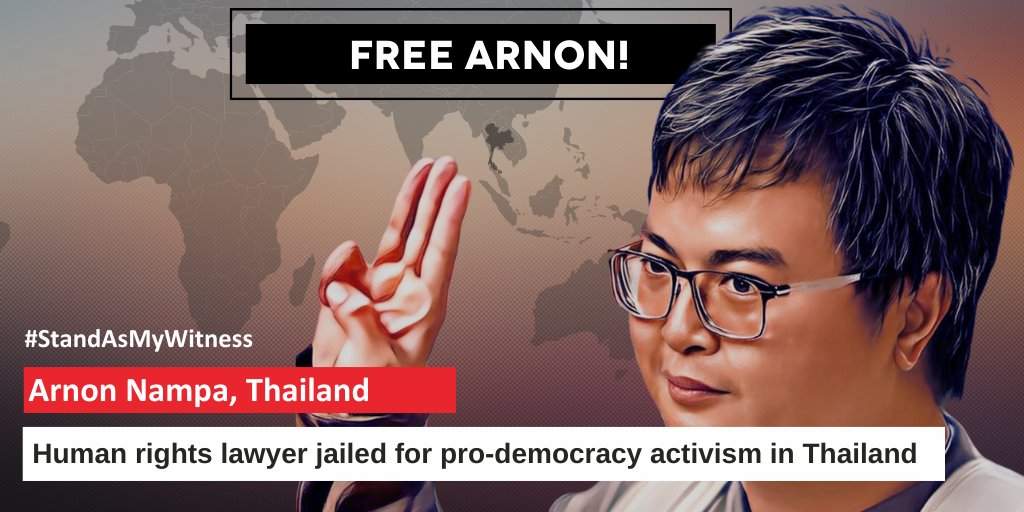
🇹🇭Thailand: Conviction of HRD & lawyer @arnonnampa to 2 years in jail for his speech on monarchy reforms is outrageous and must be overturned. He faces a total imprisonment of 24 years under the #lesemajeste law.
We stand in solidarity and call for his release #StandAsMyWitness
📌Absolutely!
Local actors are the backbone of effective humanitarian action. Strengthening partnerships and fostering locally led responses is the key to sustainable impact. Great to see this initiative highlighted at #HNPW2025!
@swiss_un@SwissHumAidUnit@NaomiAyot
We were thrilled to be joined by @Lilmpabu@CAREUganda , a distinguished INGO steadfastly embodying the principles of localization. Through continuous mentorship, they have empowered our organizational leadership to excel in management and programming, fostering an environment where local expertise is truly valued.
She commended @CapaidsUganda for publishing a pivotal report on locally led development—an essential perspective that demands deeper scrutiny from both local and international actors. The fact that this report was released by a Woman-Led Organization added profound significance to its impact.
She underscored three critical issues from CAPAIDS Uganda's findings that warrant attention in the discourse on locally led development across the seven regions covered in the report. Additionally, she shared key insights from @CAREUganda 's assessment of Women-Led and Women’s Rights Organizations, highlighting essential considerations as we advance localization: the necessity of clear succession planning, even within INGOs, to prevent talent drain from local entities; the pervasive challenge of founder syndrome, which must be addressed; and the imperative of strengthening governance structures within Local National Associations (LNAs). She emphasized that INGOs must acknowledge the importance of collaborative engagement with LNAs.
Furthermore, she reinforced a crucial takeaway from CAPAIDS Uganda’s report—the indispensable role of media in advancing the locally led development agenda. She expressed a preference for working with media as partners rather than mere service providers, recognizing their strategic influence in driving meaningful change.
#LocallyLedDevelopment #LocalLeadershipLabsUg
The experience was profoundly enlightening and impactful, offering a compelling exploration of grassroots-driven development across Uganda's diverse subregions. It served as a powerful platform for elevating local narratives, fostering a deeper understanding of region-specific insights, and championing community-led progress.
#Locallyleddevelopment
@CapaidsUganda@CIVICUSalliance@NaomiAyot
Some key aspects of the initiative include:
1. Breaking down barriers: Addressing political, social, and other obstacles to locally-led development.
2. Amplifying local voices: Highlighting local challenges, tasks, and solutions.
#LocallyLedDevelopment#LocalLeadershipLabsUg
The brave village focuses on locally-led development, emphasizing the importance of listening to & amplifying local voices. By engaging with diverse regions & marginalized populations, the goal is to build resilience & promote development that reflects community needs
-@NaomiAyot